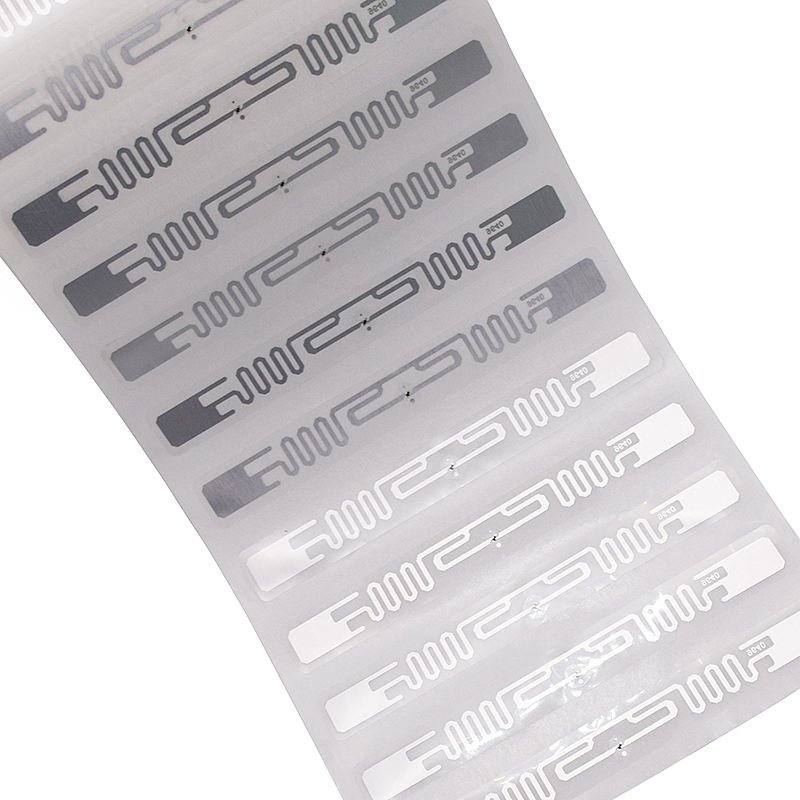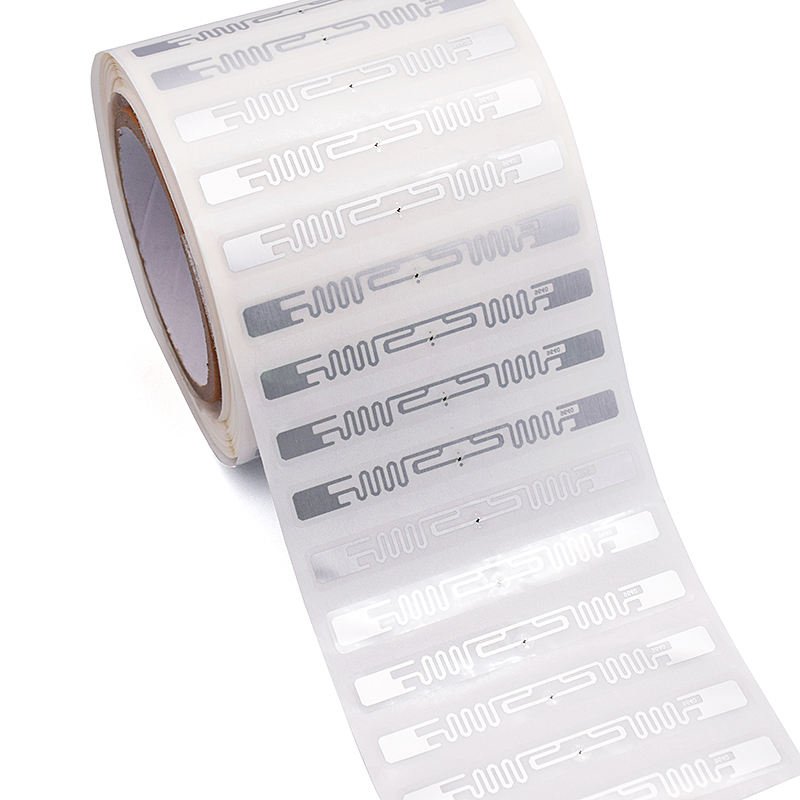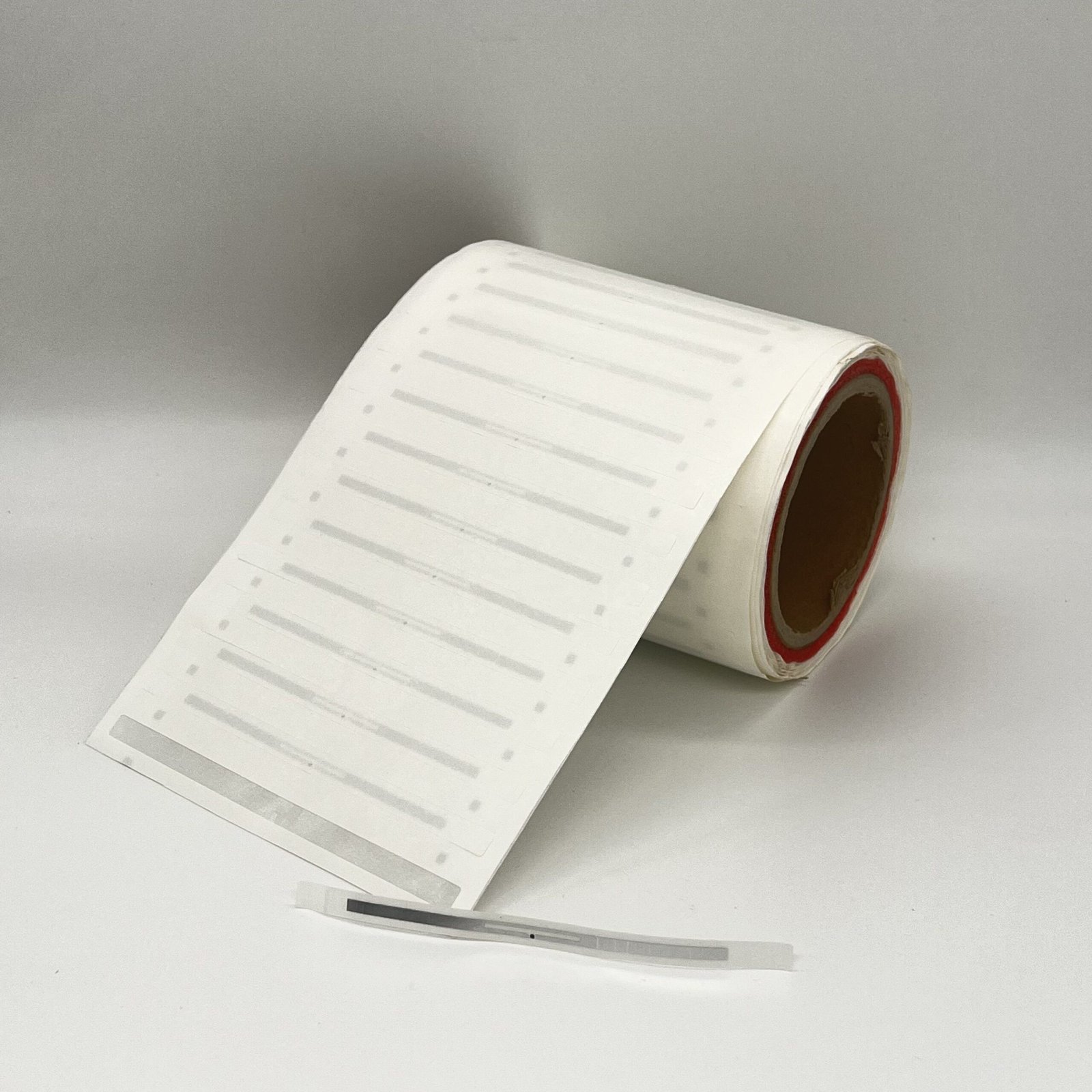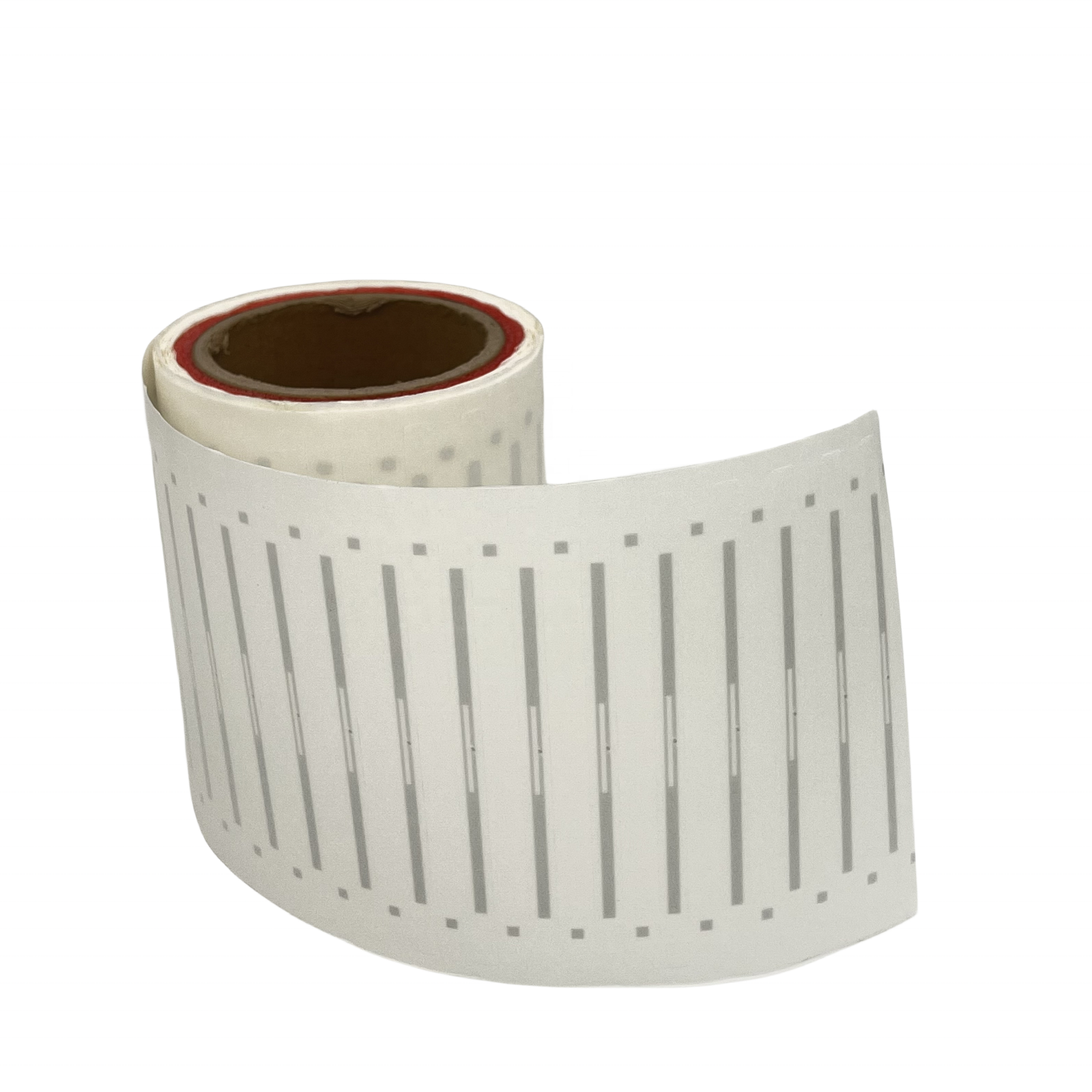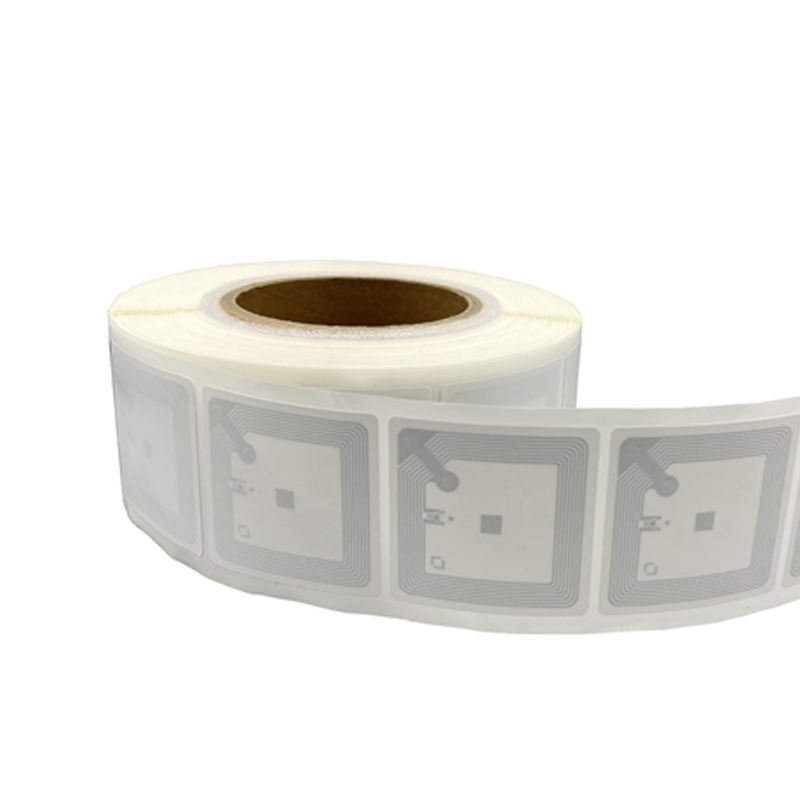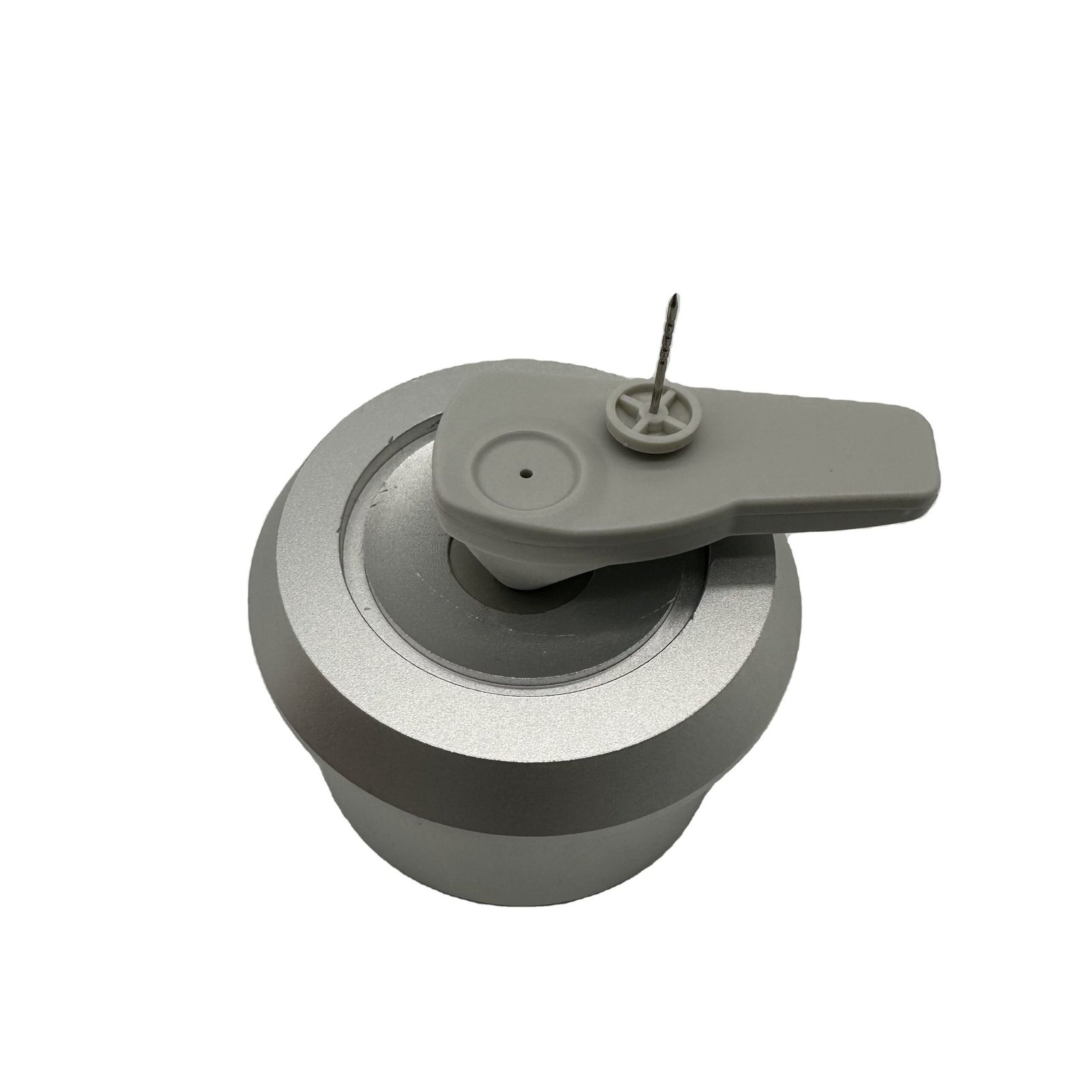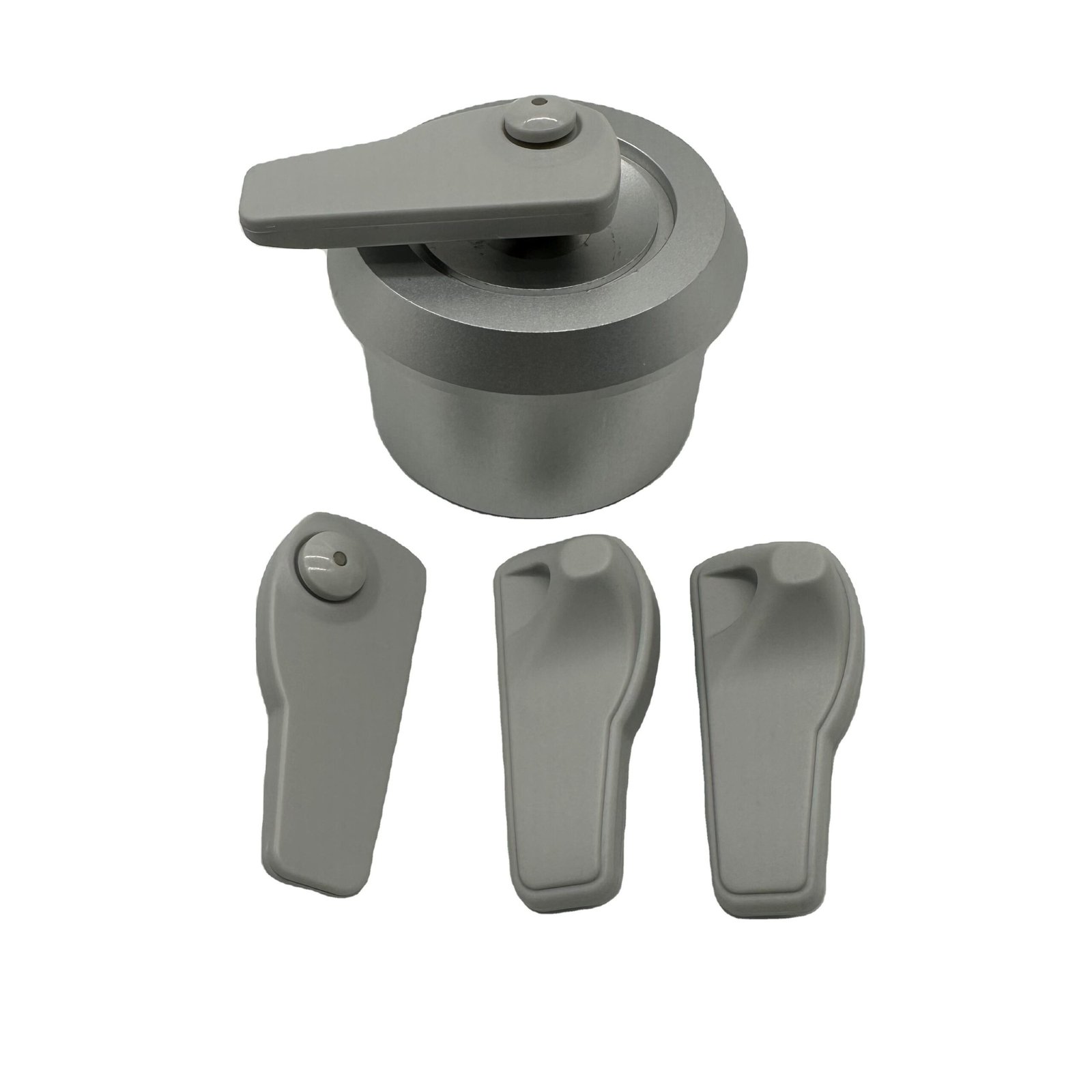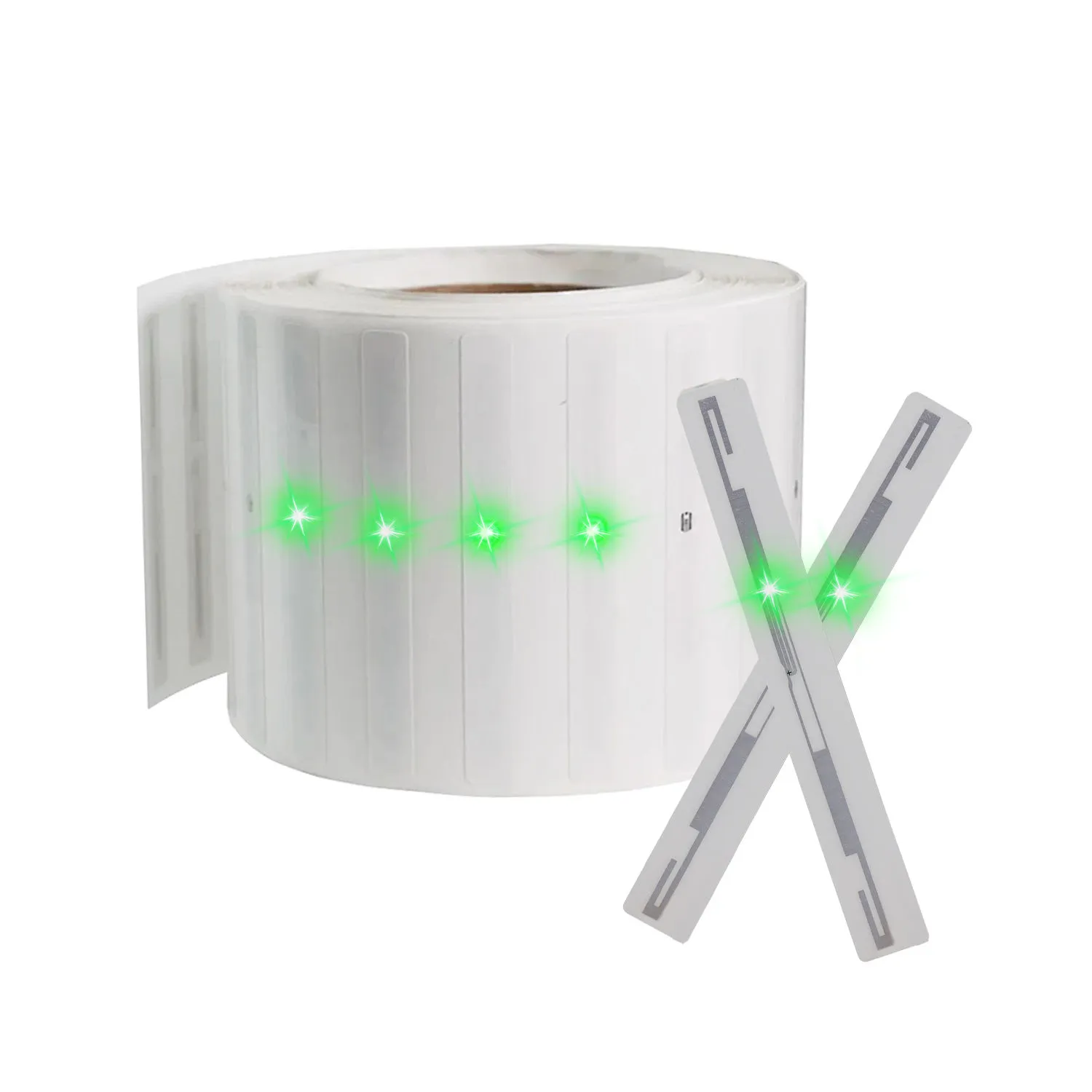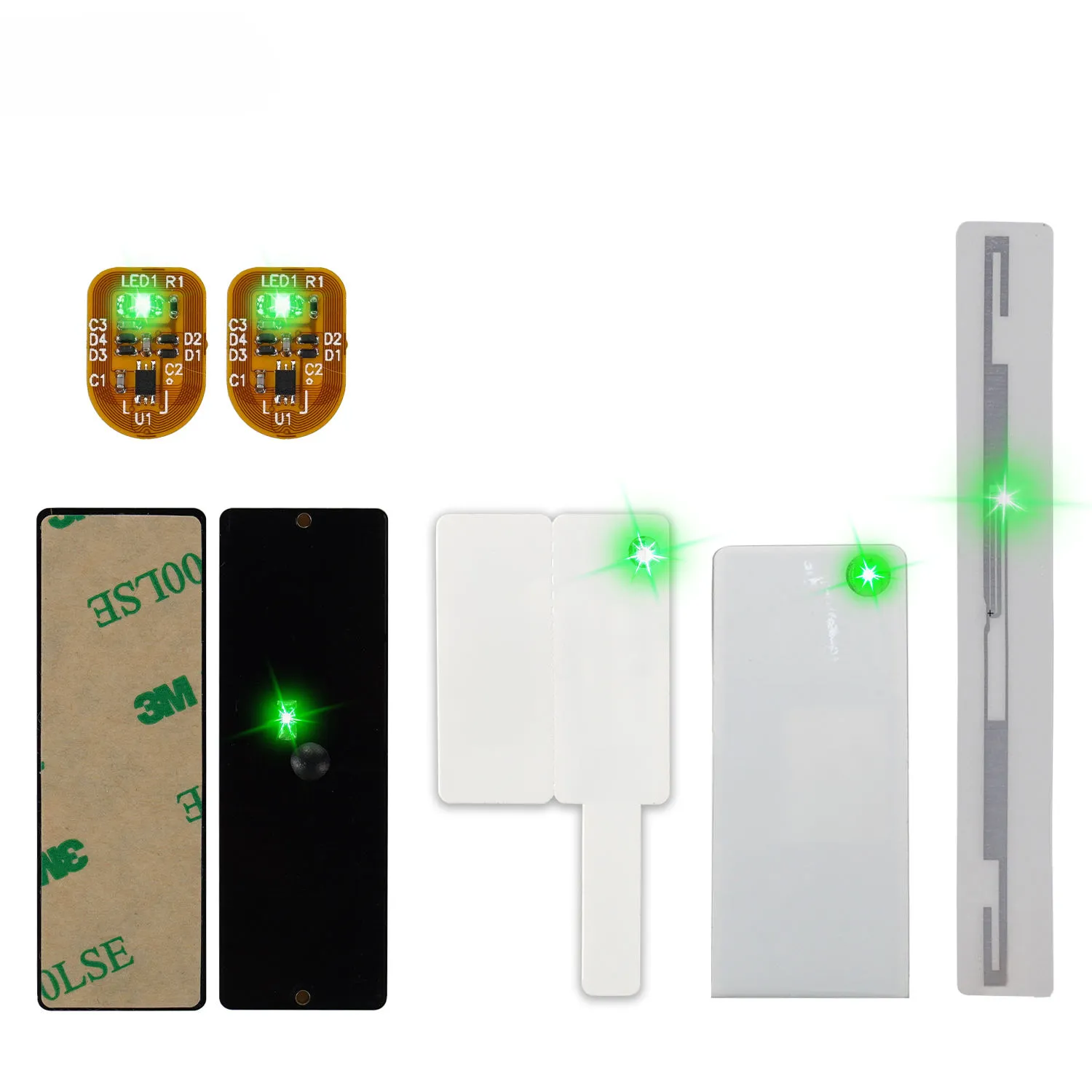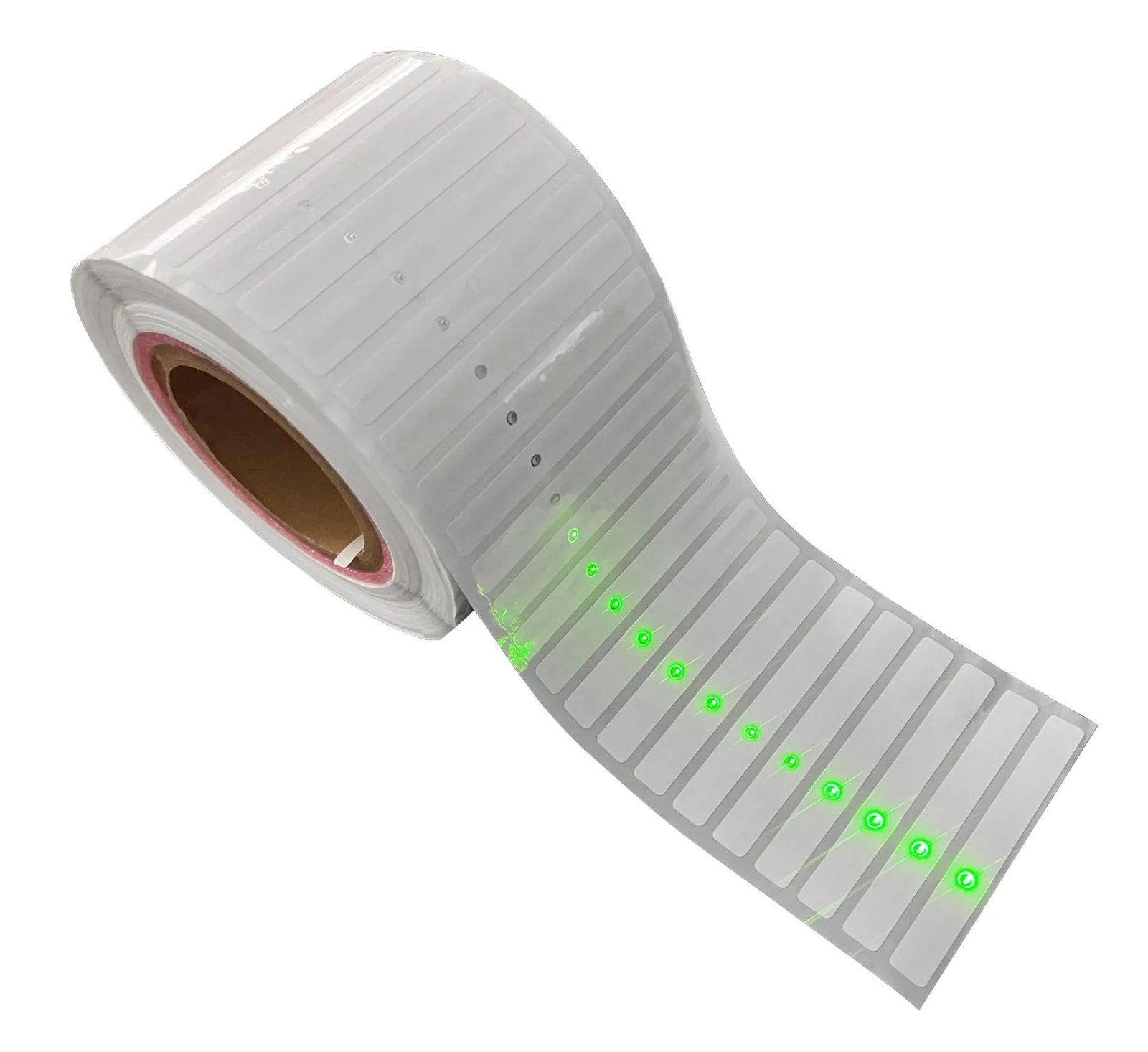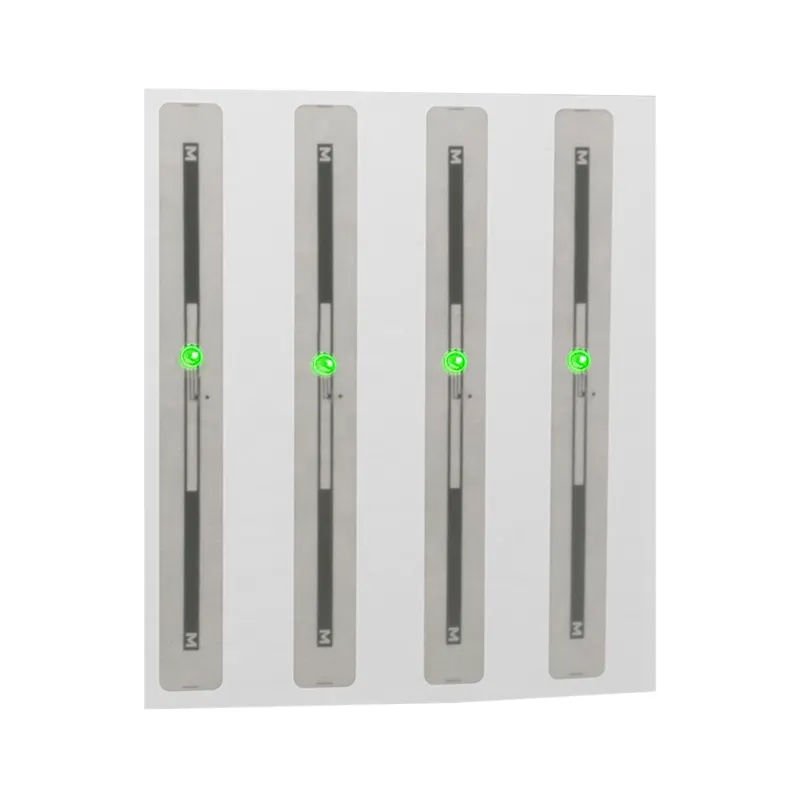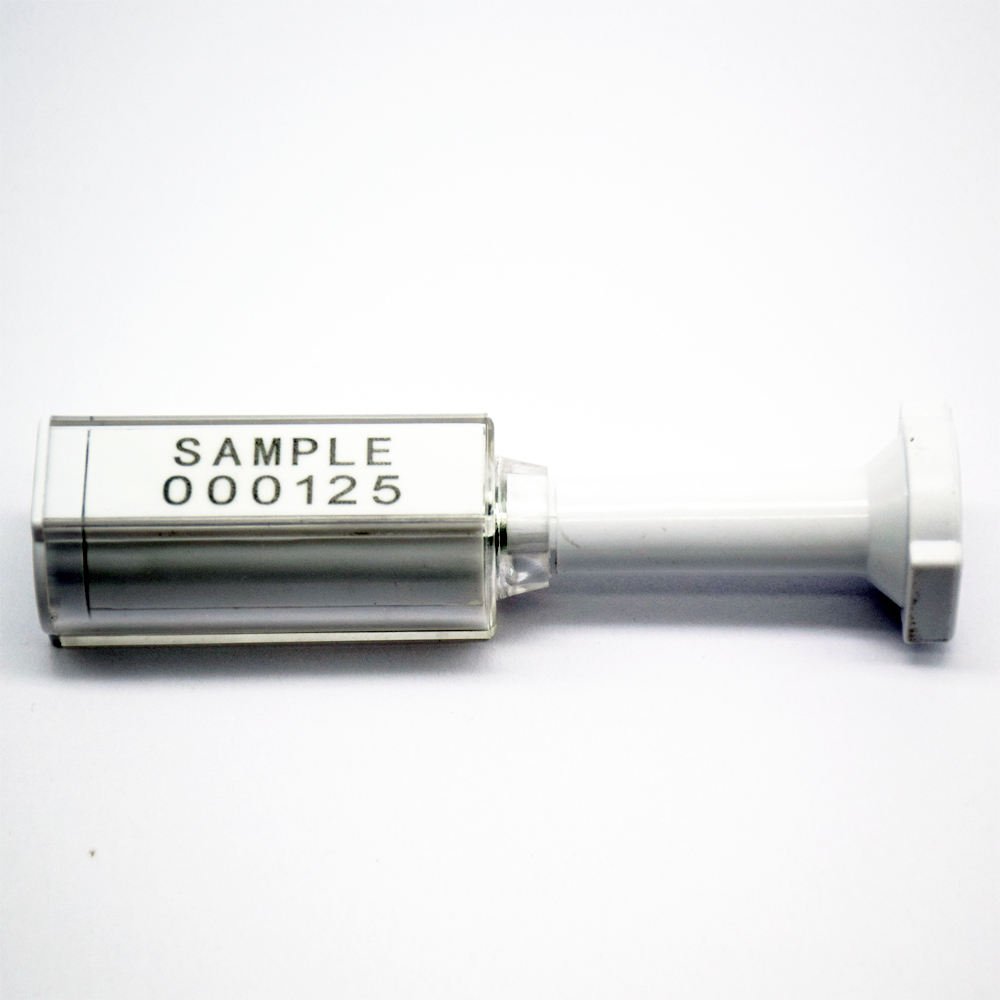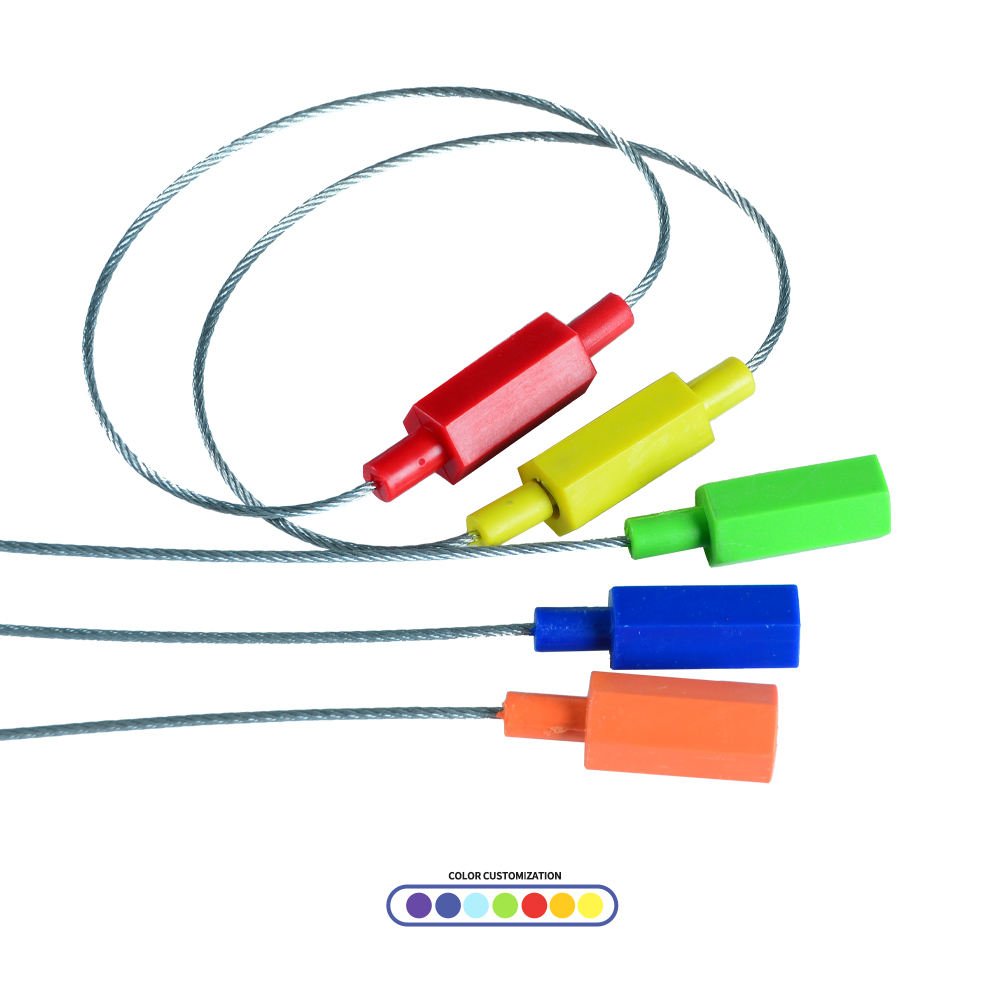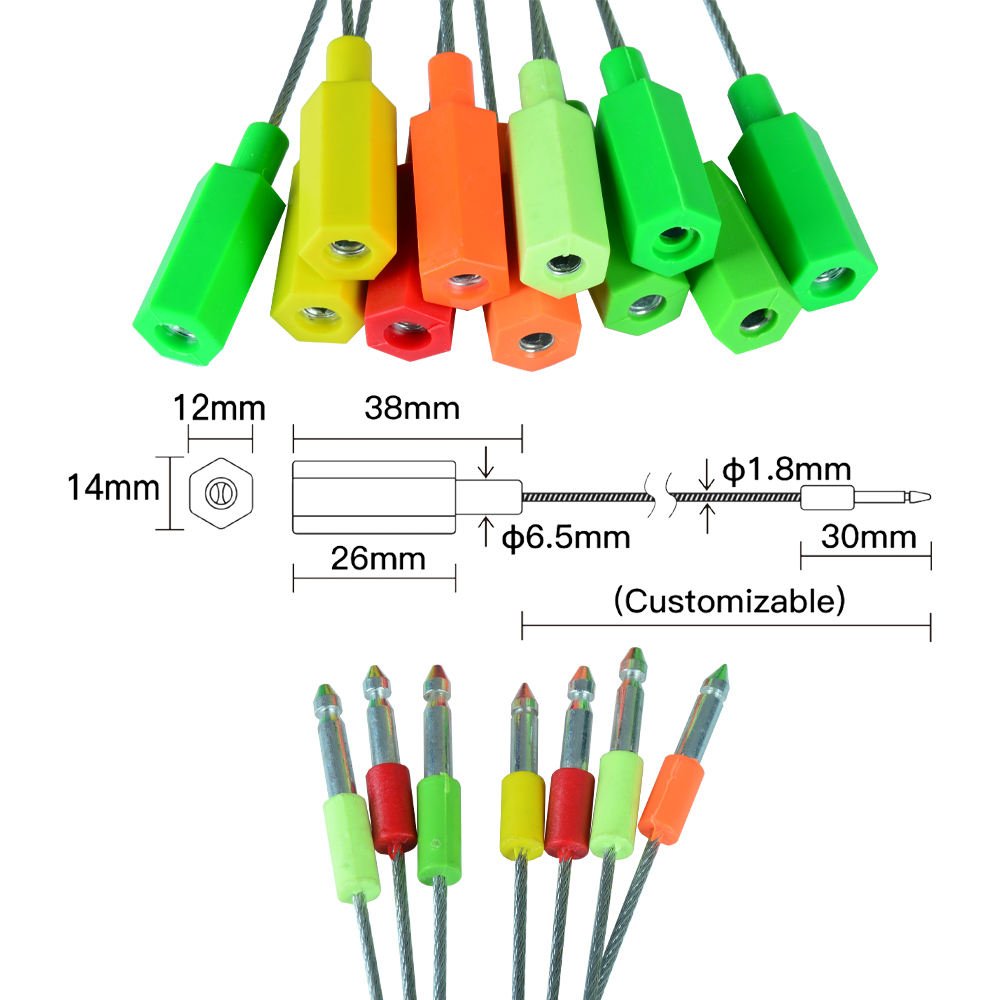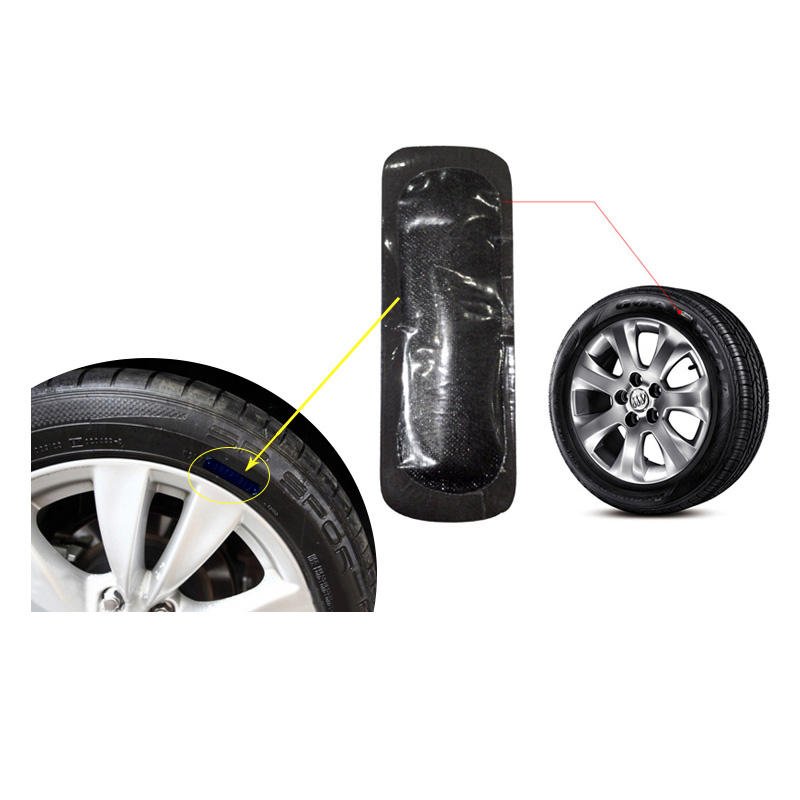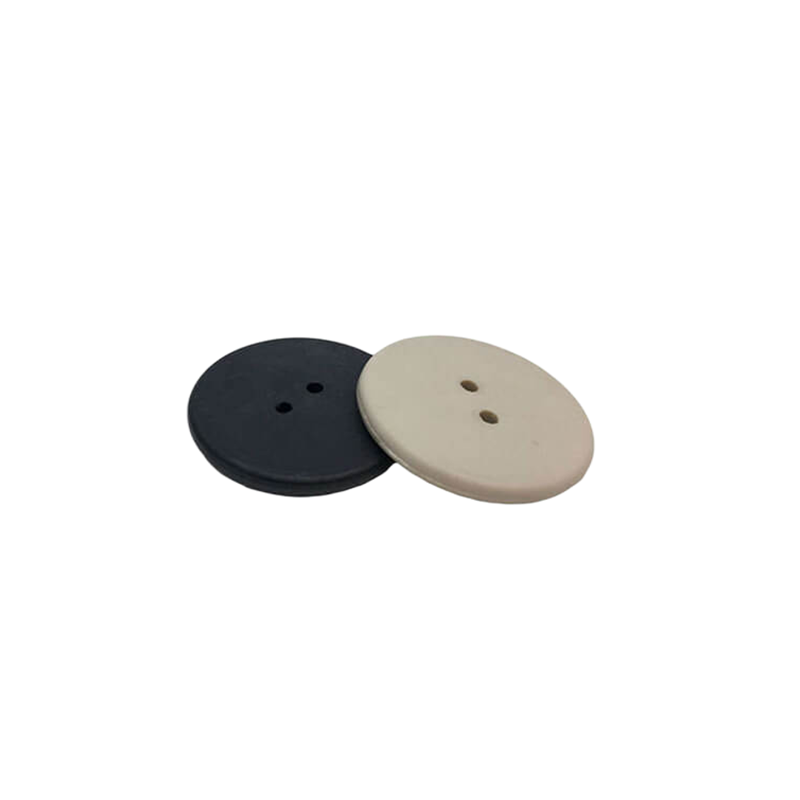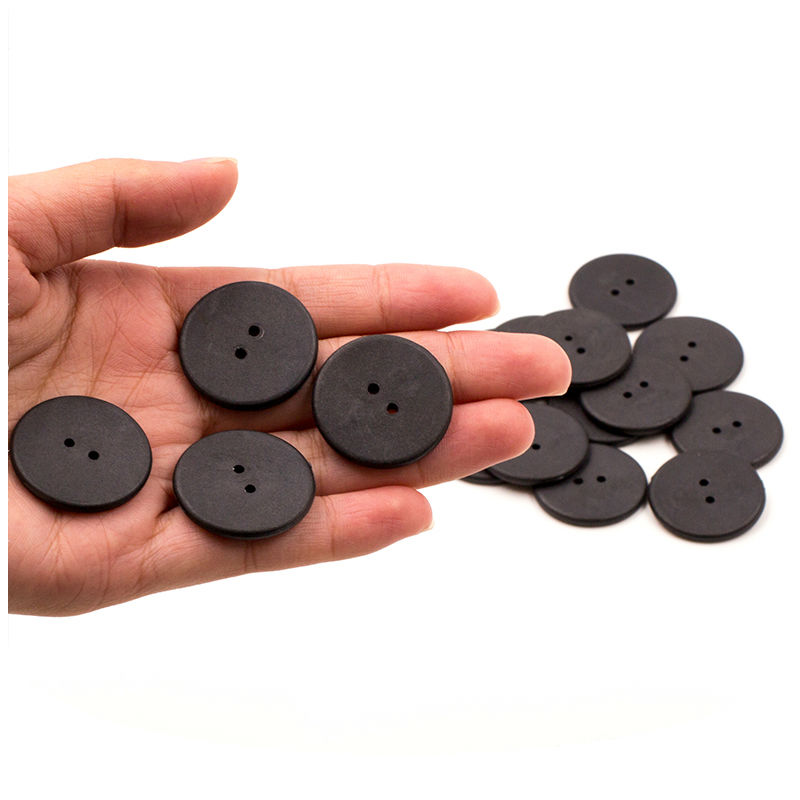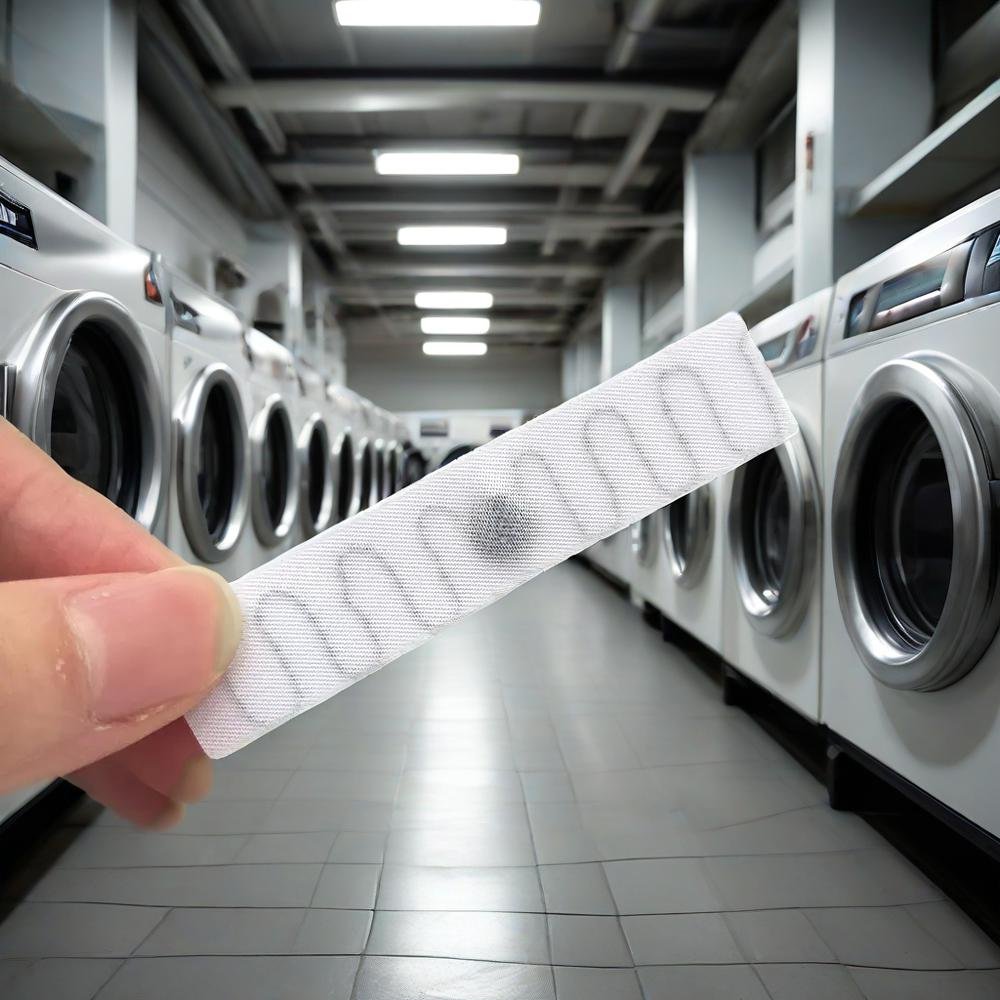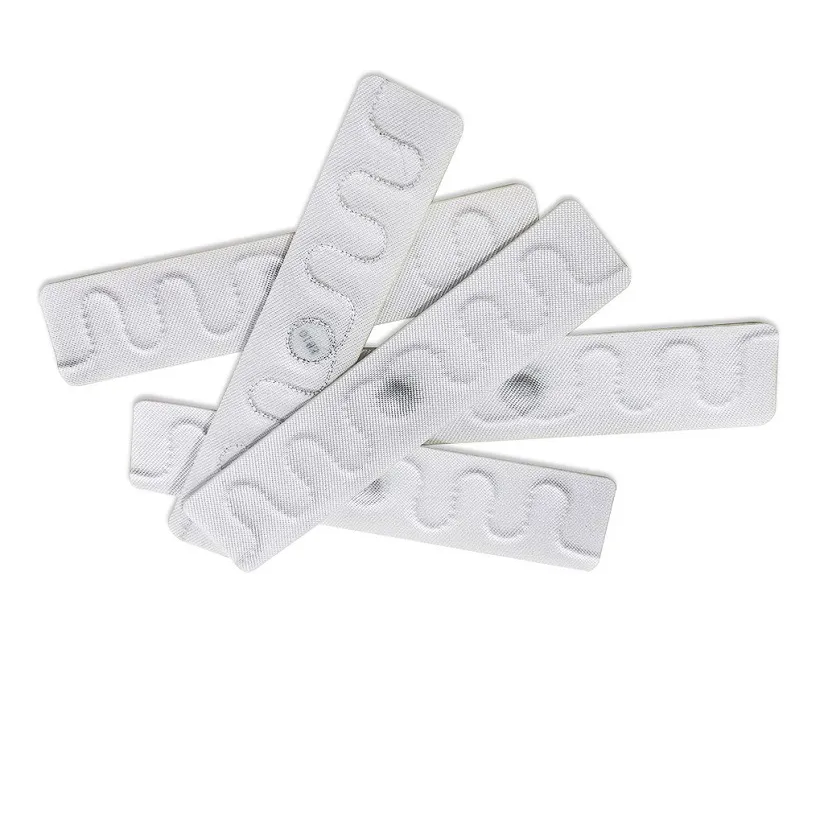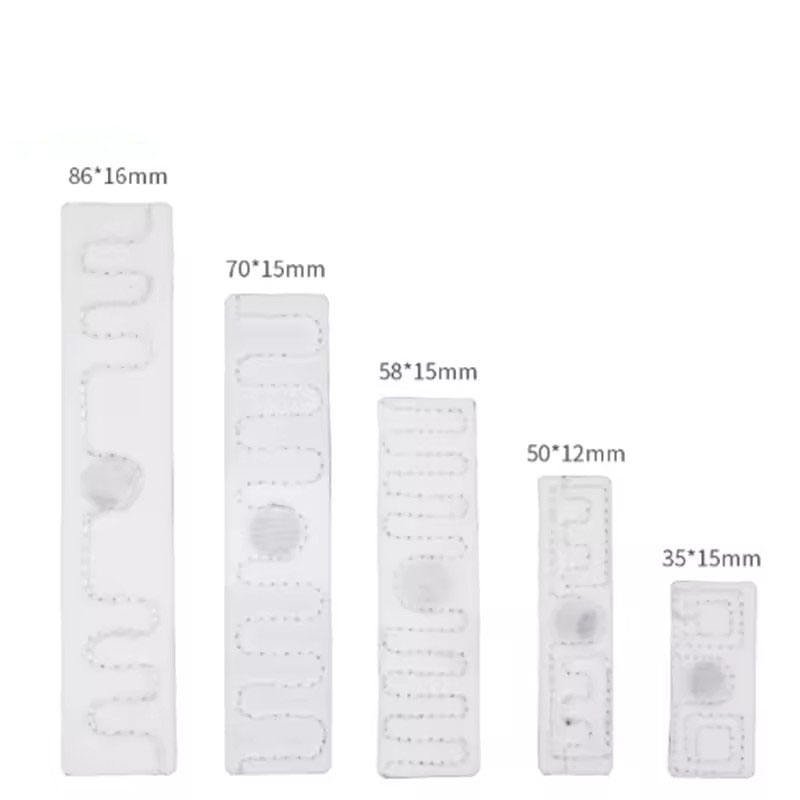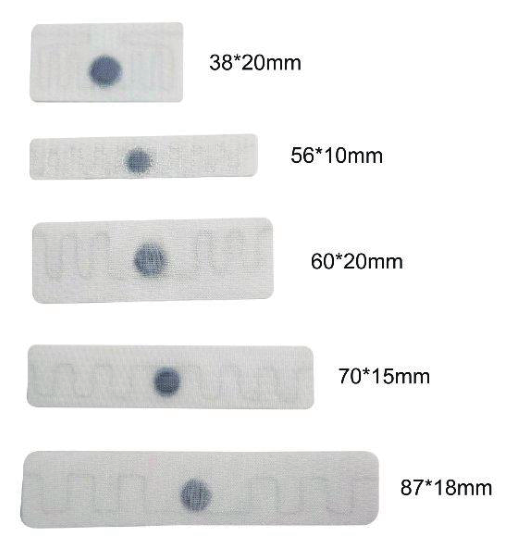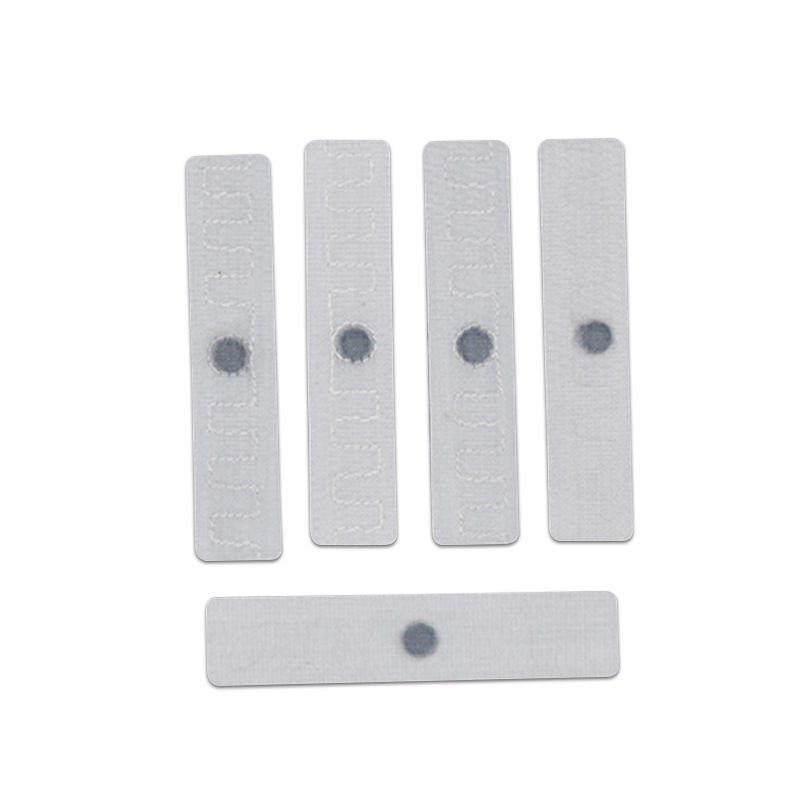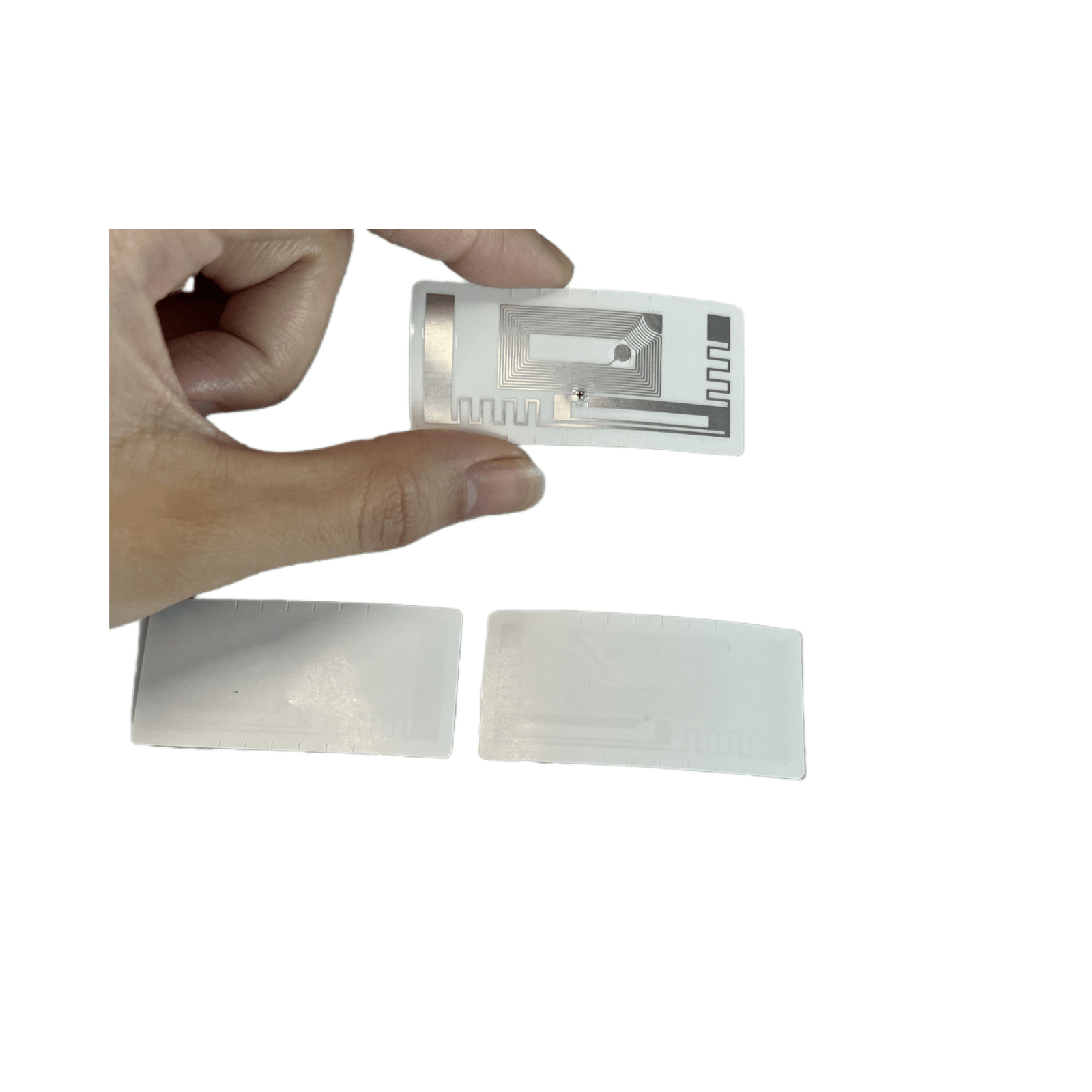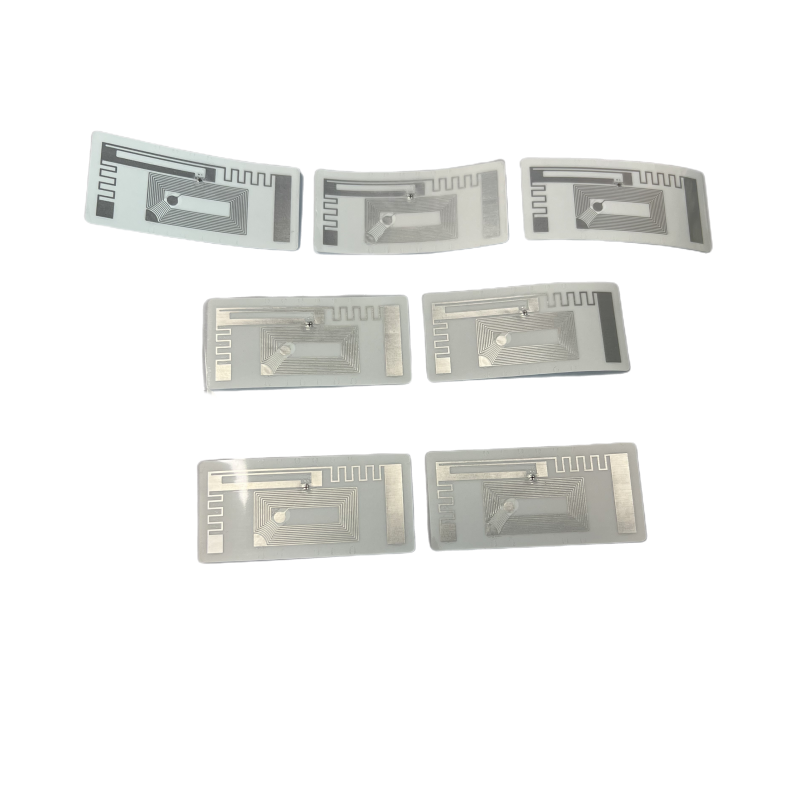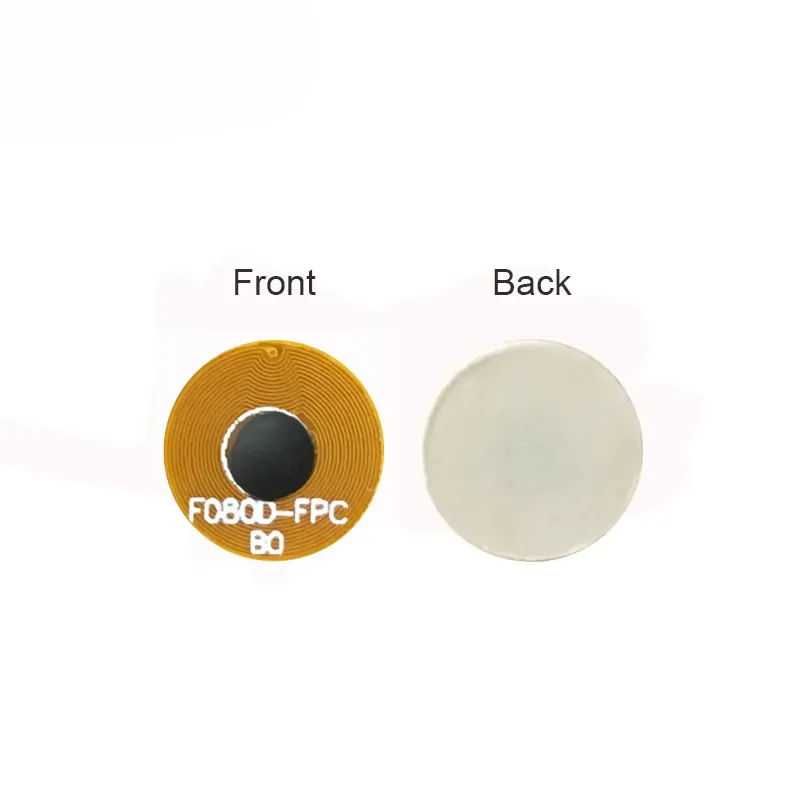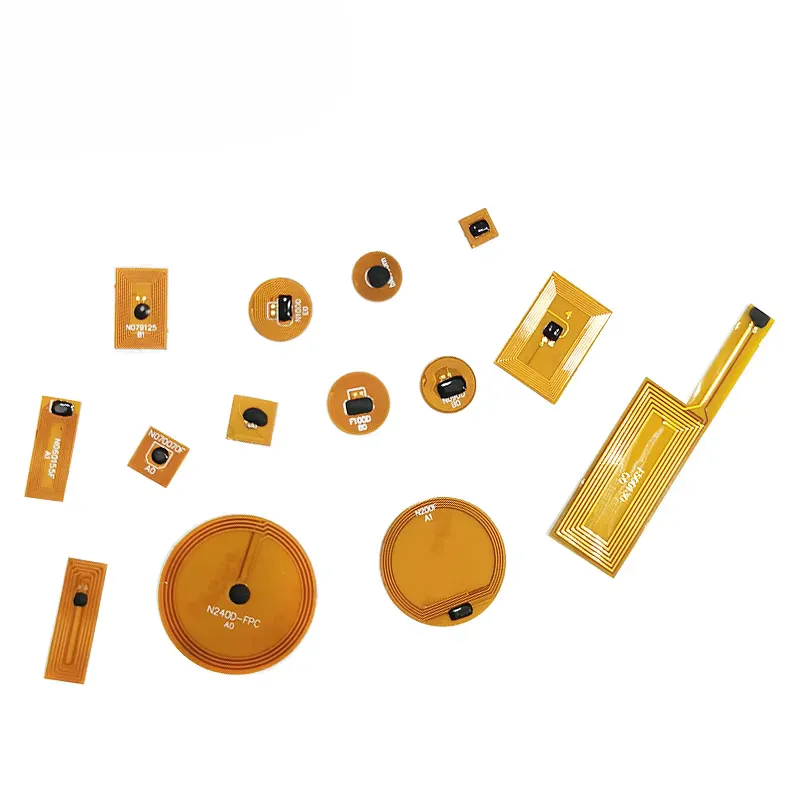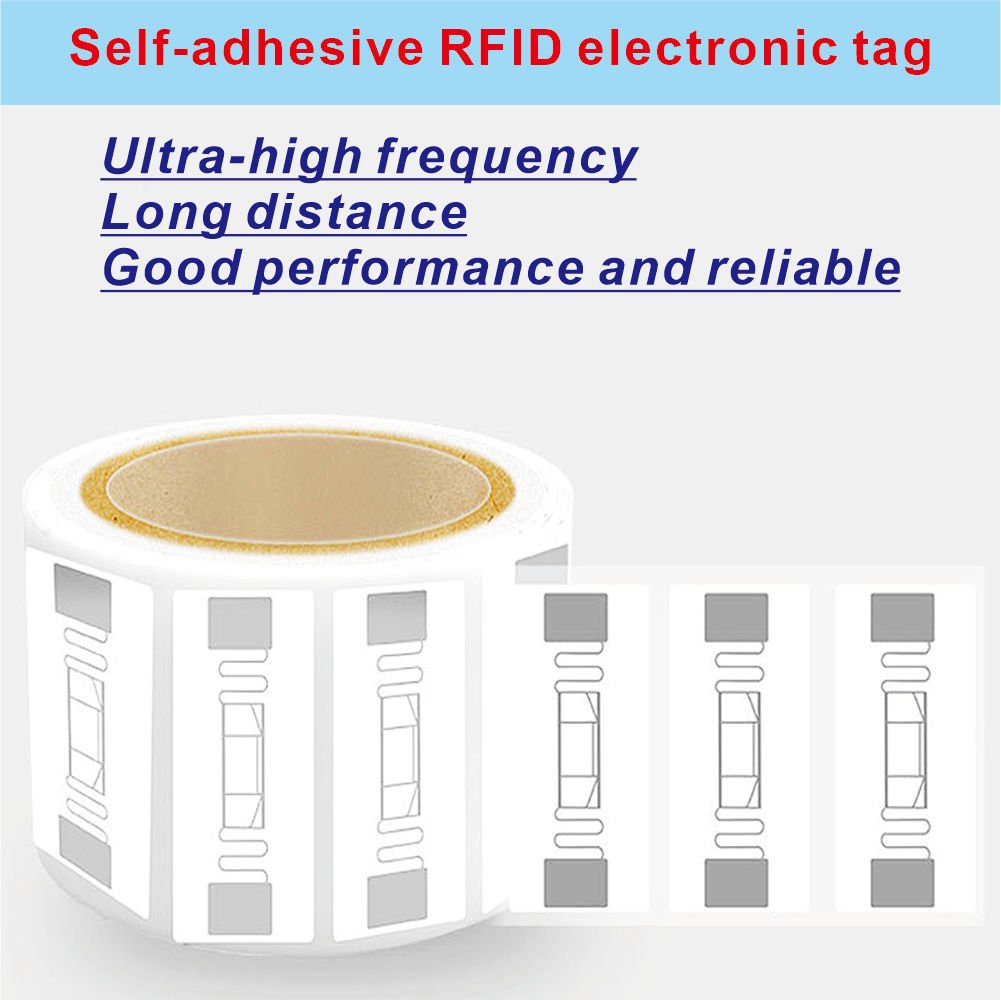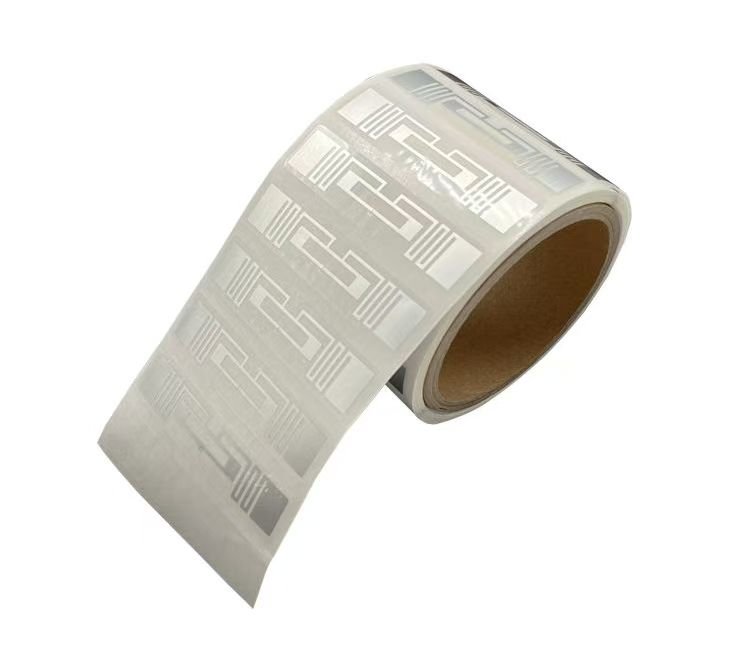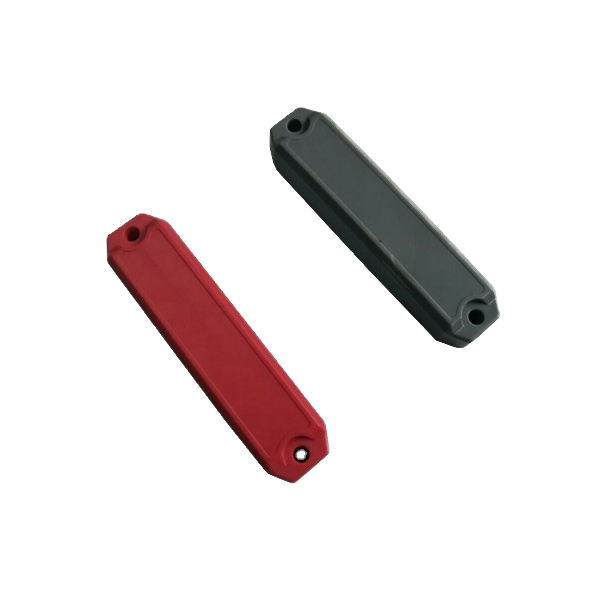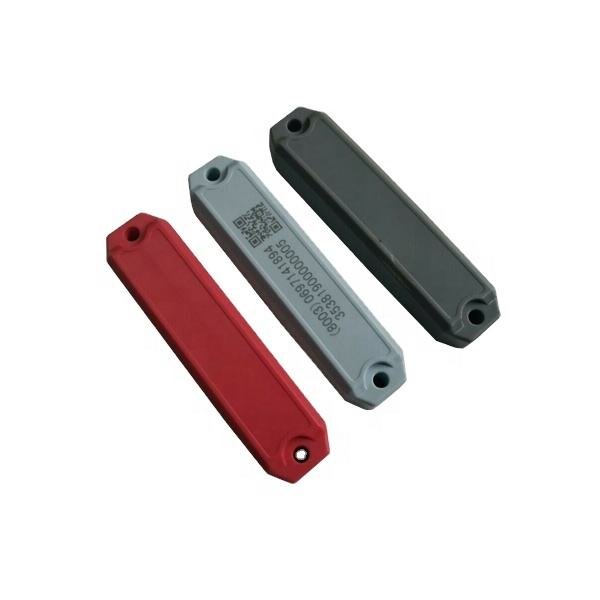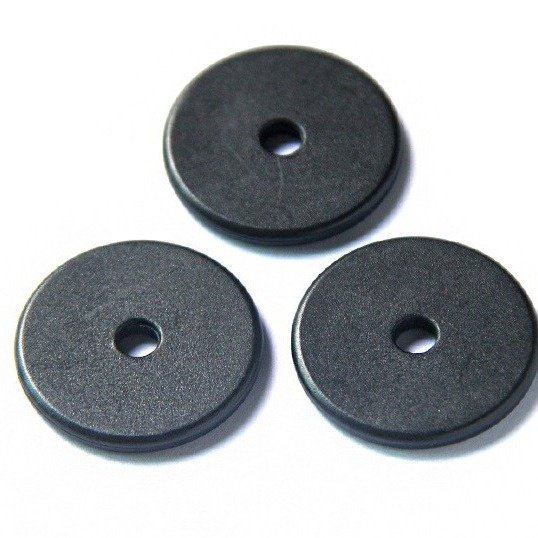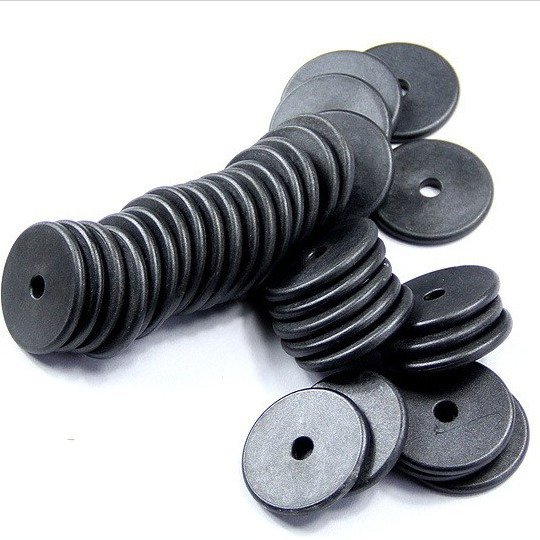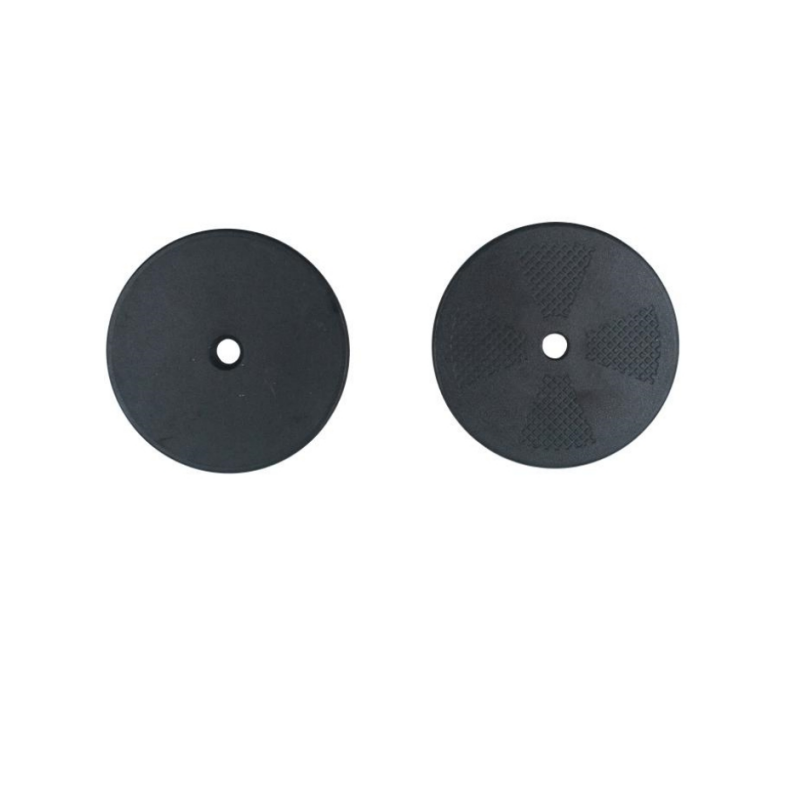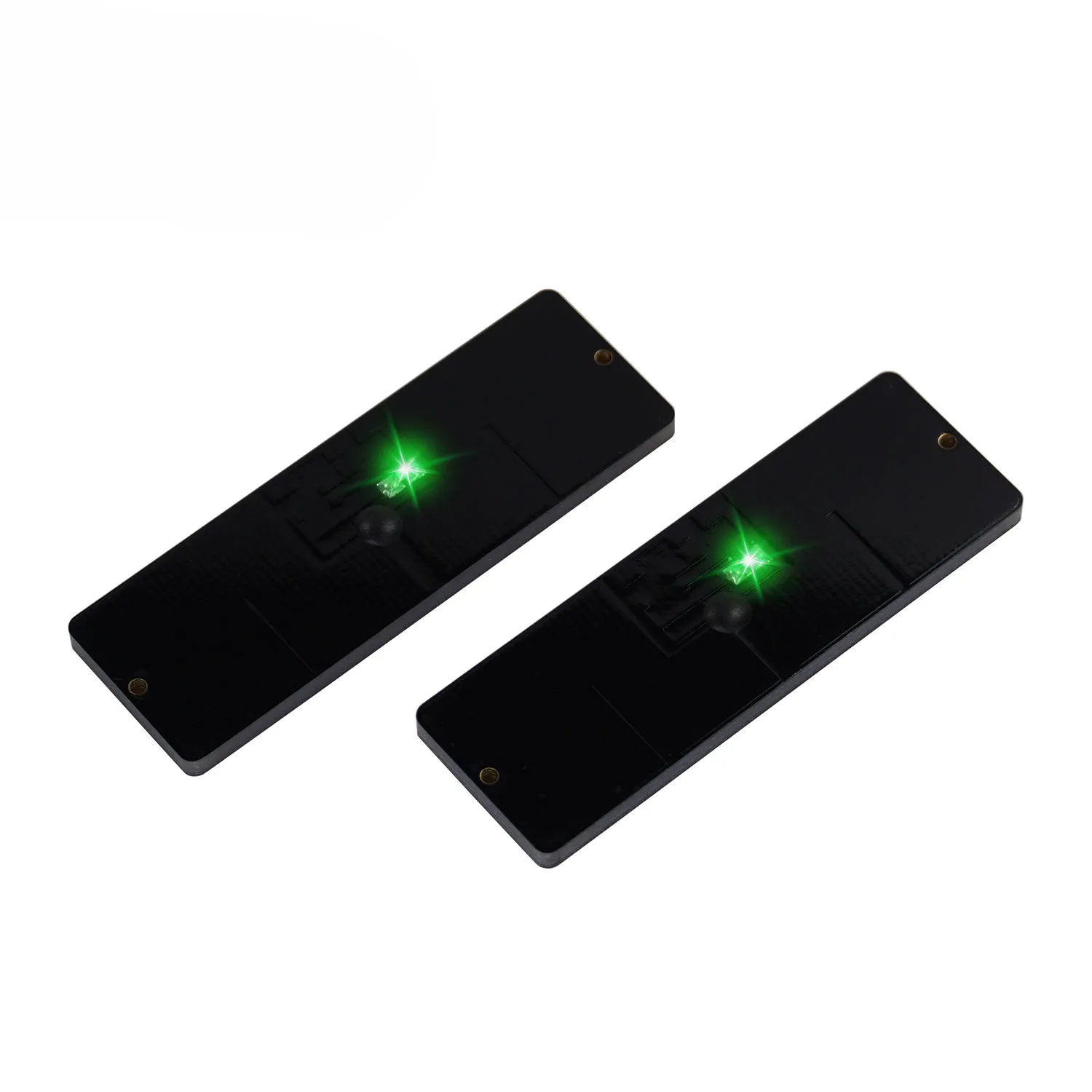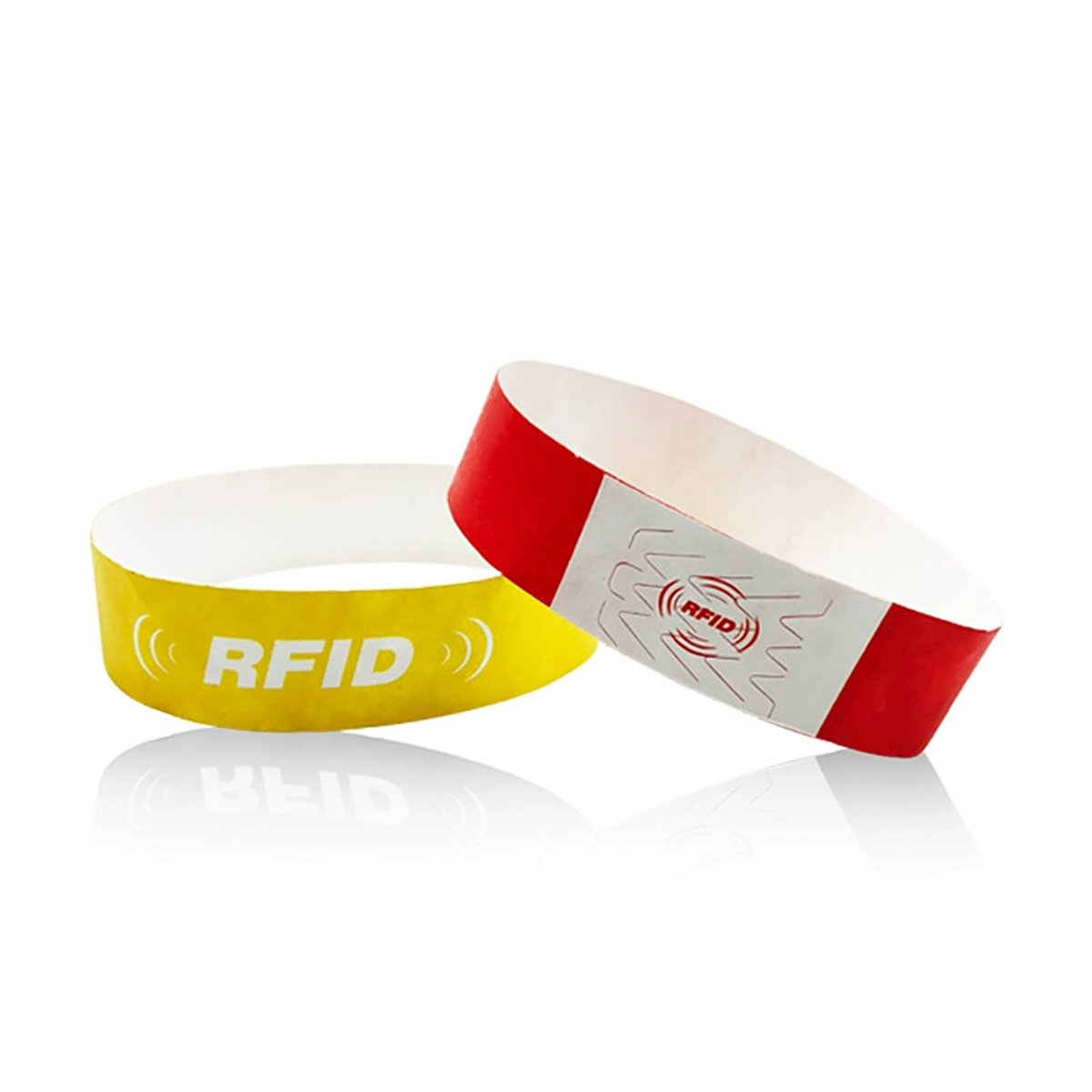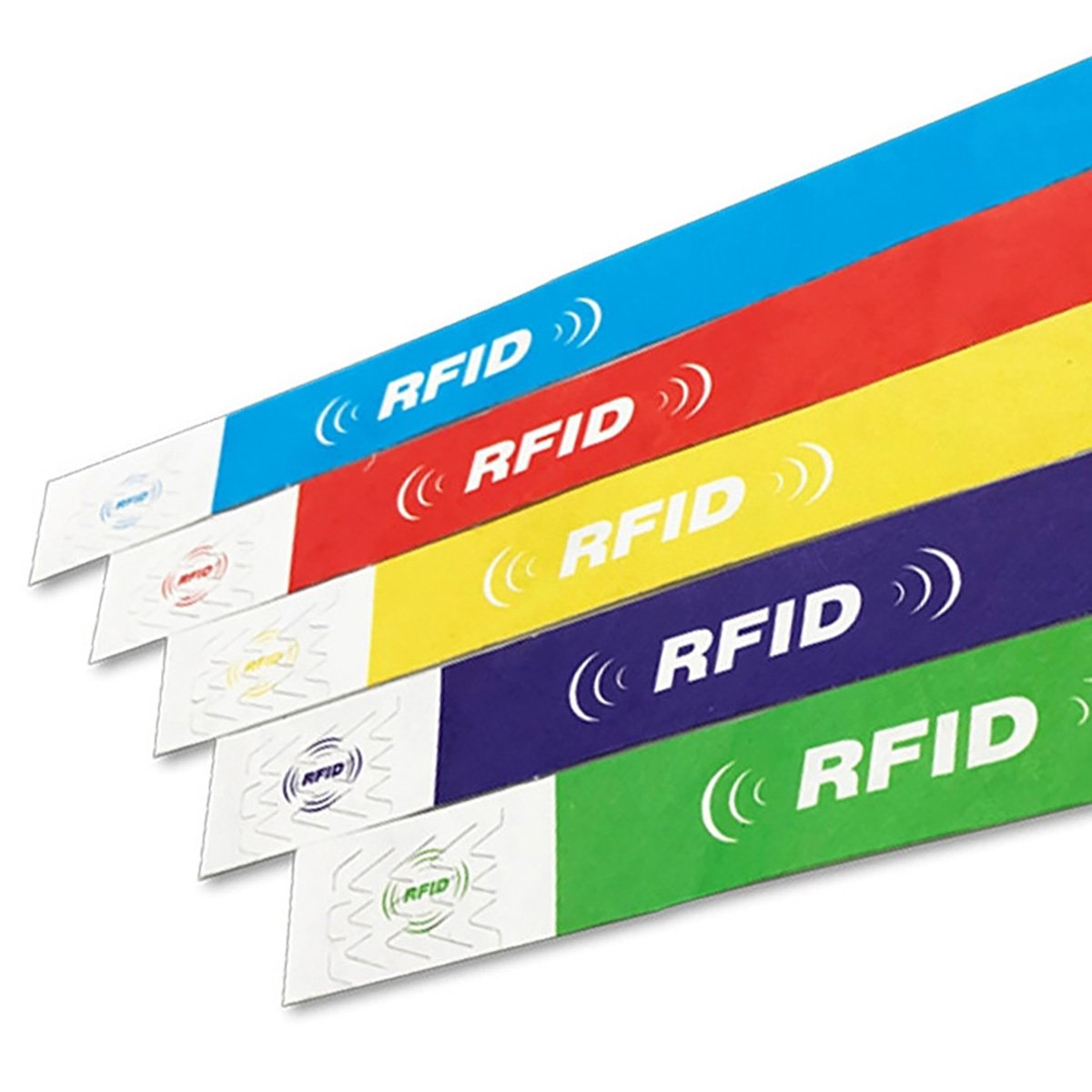
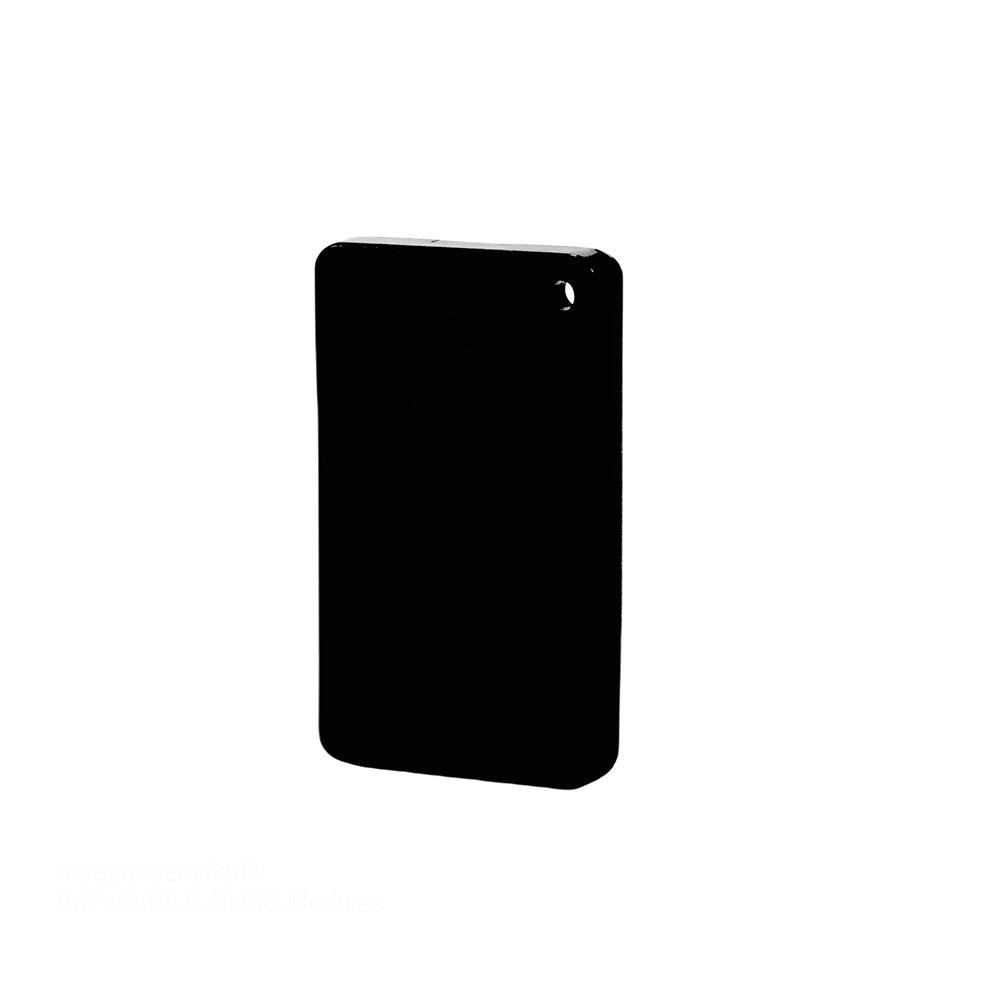
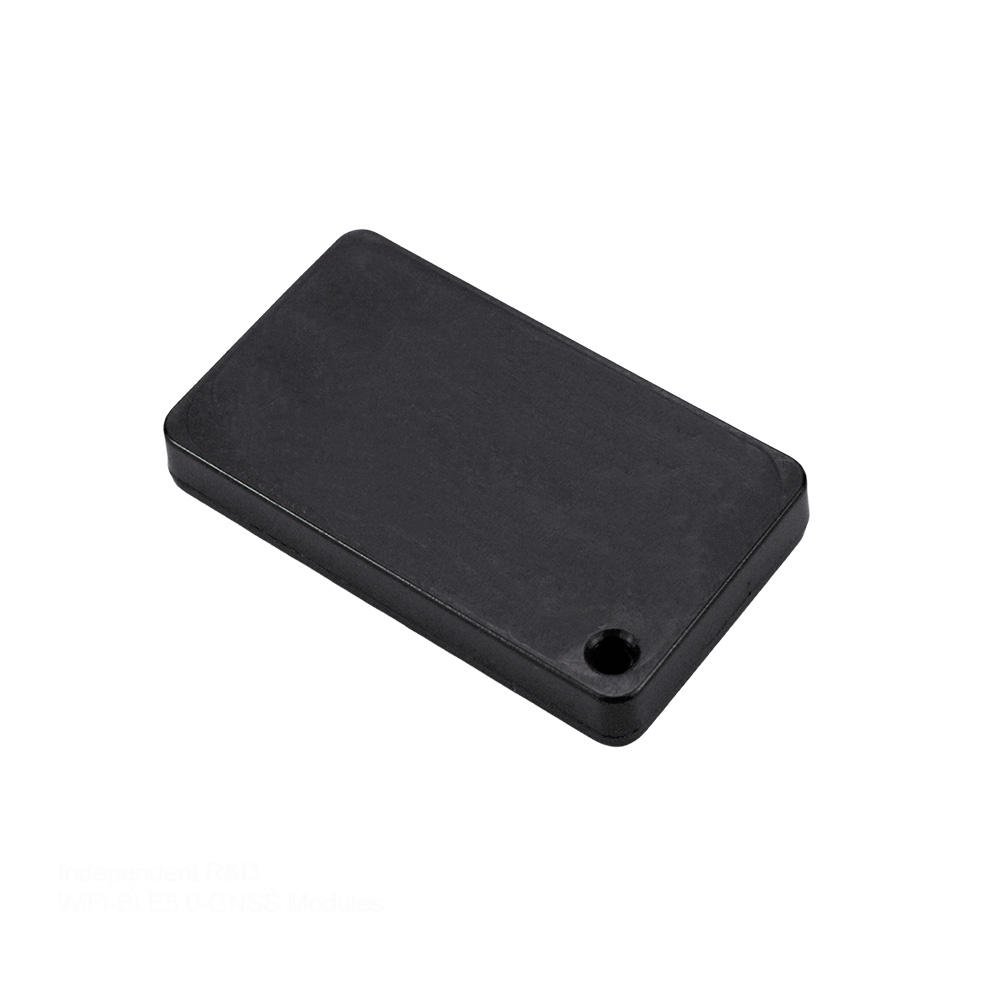
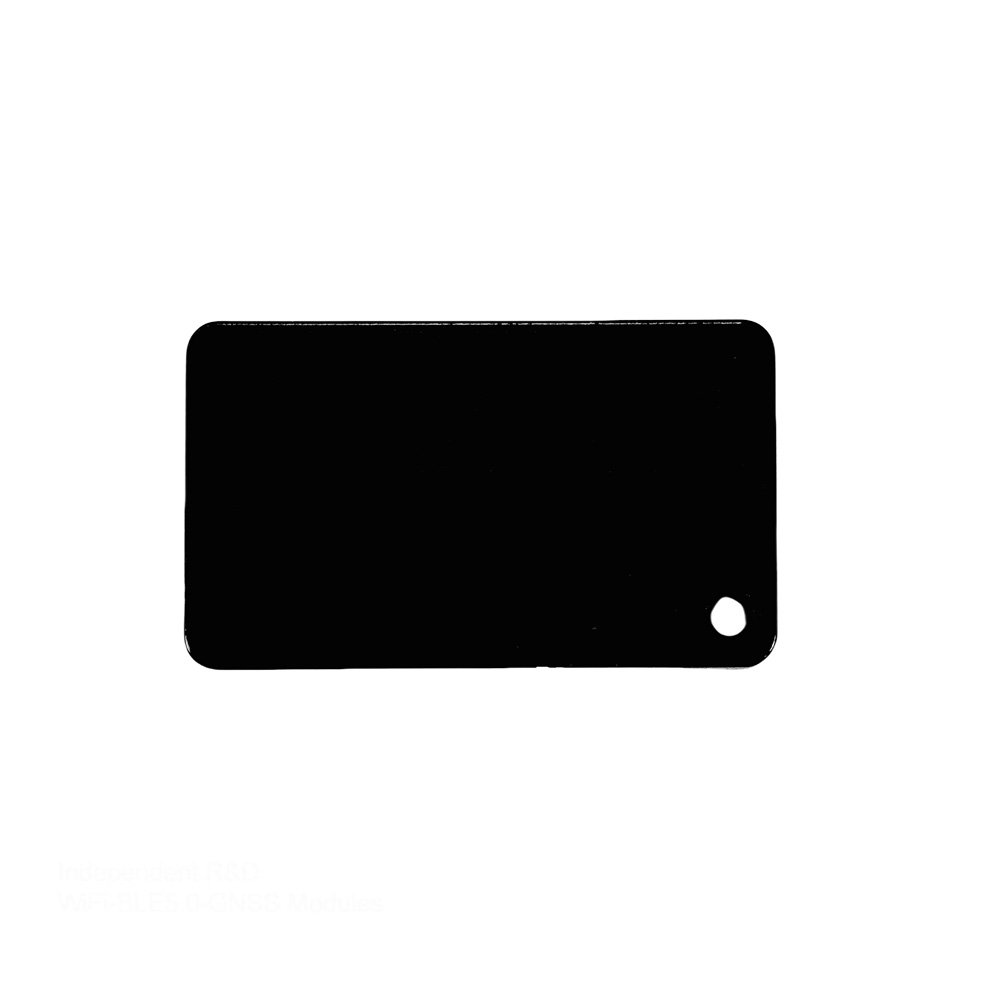
RFID Beacon Industrial IoT System – RSSI BLE Beacon Tag for Proximity Marketing & Asset Tracking
1. Introduction: The Rise of RFID & BLE Beacon Technology
In the era of the Industrial Internet of Things (IIoT), businesses are increasingly leveraging wireless technologies to gain real-time insights into their assets, workforce, and customer interactions. One of the most innovative solutions available today is the RFID Beacon Industrial IoT System, combining the power of RFID asset tracking with Bluetooth Low Energy (BLE) beacon proximity technology.
This RSSI BLE Beacon Tag is designed for dual applications:
-
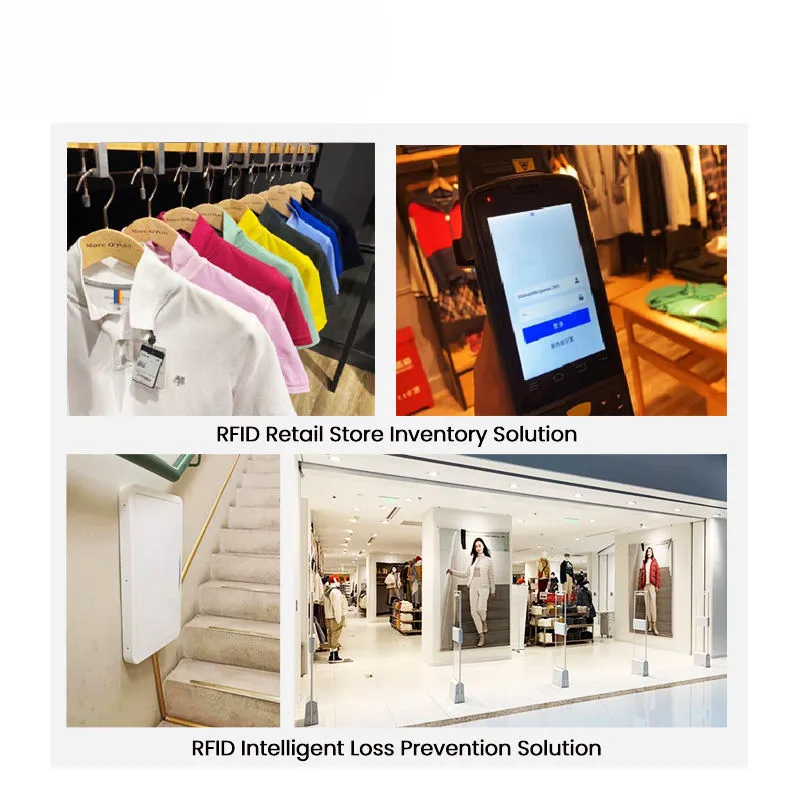
Proximity Marketing – enabling retailers, malls, and event organizers to deliver personalized promotions to nearby customers.
-
Asset Tracking & Management – helping industries, warehouses, and logistics operations monitor valuable assets and equipment with pinpoint accuracy.
By combining RFID, BLE, and RSSI (Received Signal Strength Indicator) technologies, this system provides a scalable, real-time, and cost-effective solution for both commercial engagement and industrial efficiency.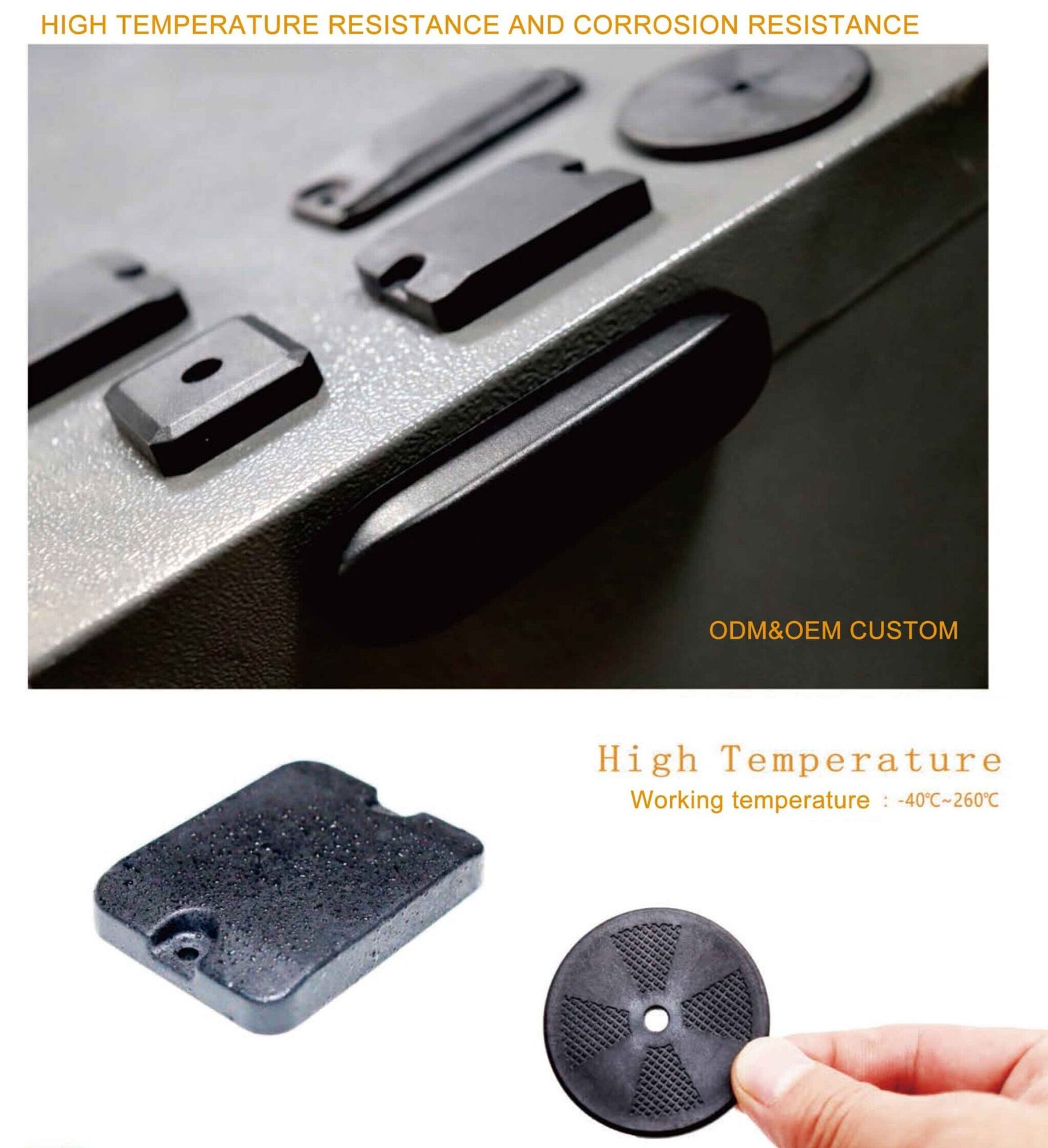
2. What is an RFID Beacon Tag?
An RFID Beacon Tag is a hybrid device that integrates:
-
RFID Technology – for identification and asset management.
-
BLE Beacon Functionality – for broadcasting signals to smartphones or IoT gateways.
-
RSSI Measurement – to calculate distance or proximity based on signal strength.
This makes it highly versatile, serving both customer-facing applications (marketing, engagement) and operational use cases (asset visibility, workforce monitoring, indoor navigation).
3. Key Features
-
Dual Technology – RFID + BLE
-
Combines the strengths of passive RFID and active Bluetooth beacons.
-
Ideal for IoT ecosystems requiring multi-protocol support.
-
-
Proximity Marketing Ready
-
BLE beacon broadcasts signals to nearby smartphones.
-
Supports push notifications, coupons, location-based promotions.
-
-
Asset Tracking & Monitoring
-
RFID ensures precise identification.
-
RSSI signals help track distance, position, and movement.
-
-
Industrial Durability
-
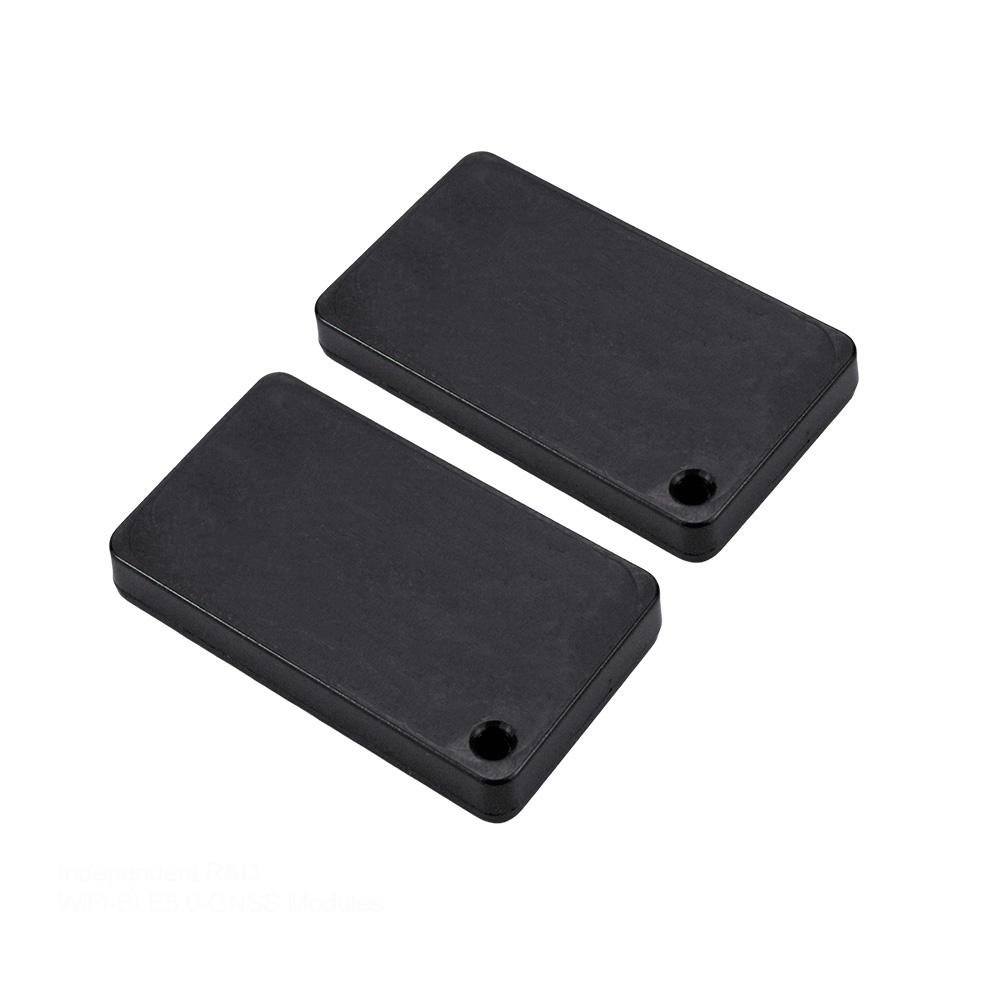
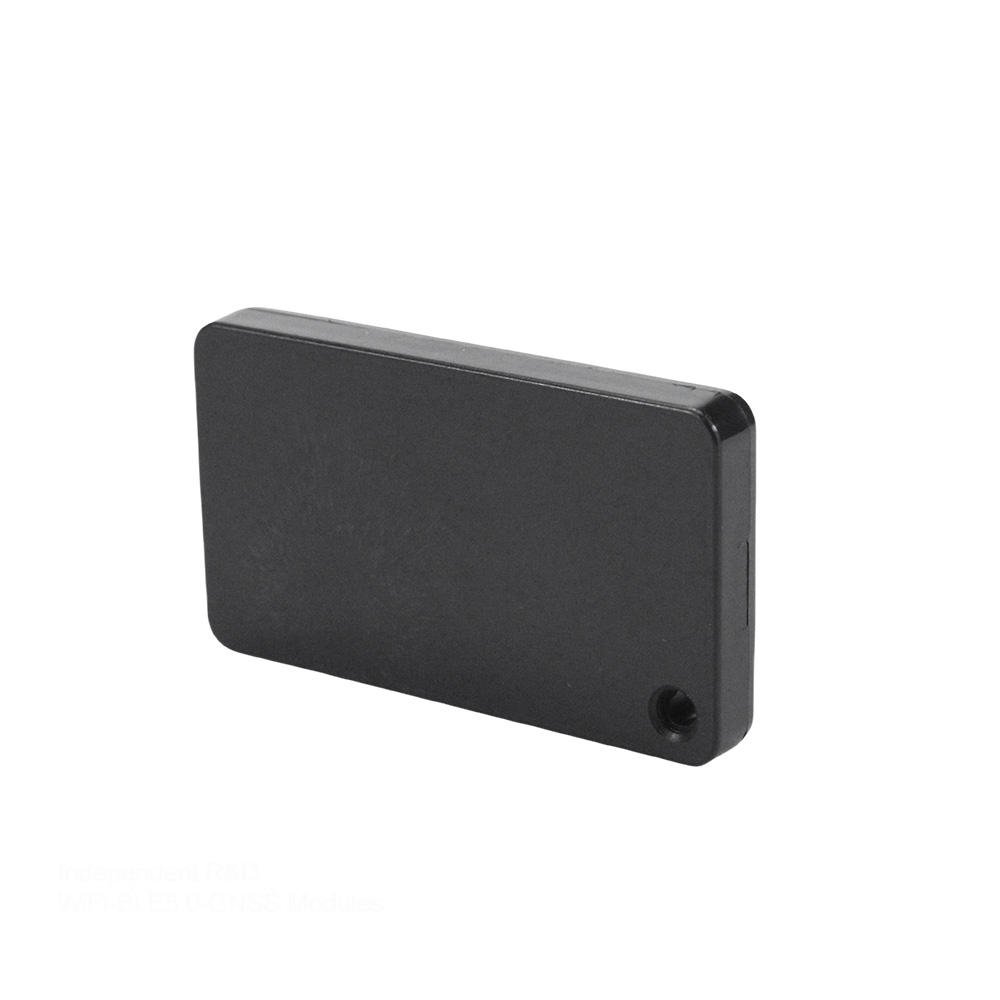
Rugged housing for industrial use.
-
Resistant to dust, water, and shock (IP65/IP67 options).
-
-
Flexible Deployment
-
Works with mobile apps, IoT gateways, and cloud dashboards.
-
Scalable for thousands of tags across large facilities.
-
4. Technical Specifications
| Parameter | Details |
|---|---|
| RFID Support | UHF RFID (860–960 MHz) / NFC optional |
| Beacon Protocol | Bluetooth Low Energy (BLE 4.2/5.0) |
| RSSI Functionality | Signal strength measurement for proximity/distance estimation |
| Range | RFID up to 8 meters, BLE beacon up to 100 meters |
| Battery Life | 2–5 years depending on broadcast interval |
| Housing | ABS/PC industrial-grade, IP65/IP67 protection |
| Operating Temp | -20°C to +70°C |
| Data Integration | IoT platforms, ERP, CRM, mobile applications |
| Applications | Proximity marketing, asset tracking, workforce monitoring, indoor navigation |
5. Advantages Over Traditional Systems
-
More than just RFID: BLE beaconing adds real-time proximity awareness.
-
Cost savings: One tag serves dual roles (marketing + tracking).
-
User engagement: Direct communication with customers via smartphones.
-
Industrial robustness: Long-lasting and resistant to tough conditions.
-
IoT ready: Integrates with cloud platforms for data analytics.
6. Applications
-
Retail & Shopping Malls – push promotions, location-based coupons.
-
Events & Exhibitions – visitor engagement, navigation assistance.
-
Warehousing & Logistics – real-time asset and inventory visibility.
-
Healthcare – tracking equipment, staff, and patient movement.
-
Smart Buildings – indoor navigation, workforce tracking, energy optimization.
7. Customization Options
-
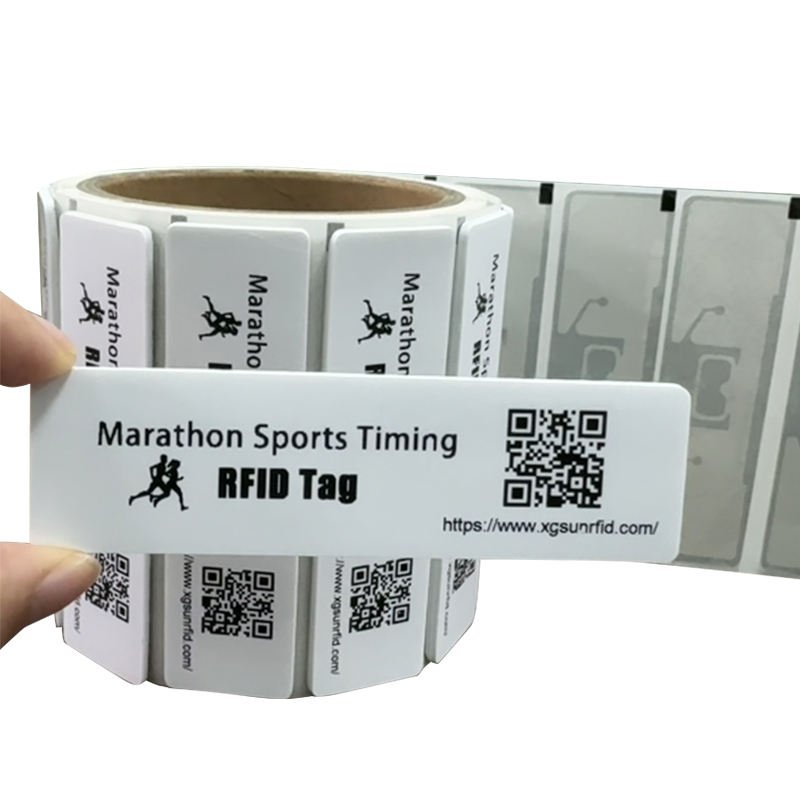
Printing with logo, QR code, barcode.
-
Configurable beacon transmission power and interval.
-
Custom housing, size, or battery options.
-
Integration with branded mobile apps or IoT dashboards.
-

8. Installation & Deployment
-
Attach the beacon tag to an asset or location.
-
Configure beacon interval and power settings.
-
Integrate with RFID readers, IoT gateways, or mobile apps.
-
Use cloud platforms to monitor and analyze collected data.
9. Frequently Asked Questions (FAQ)
Q1: How is this different from a normal RFID tag?
This tag combines RFID identification with BLE broadcasting for dual functionality.
Q2: What is RSSI used for?
RSSI measures signal strength to estimate distance or proximity, useful in tracking and navigation.
Q3: How long does the battery last?
Typically 2–5 years depending on usage.
Q4: Can it send notifications to smartphones?
Yes, via BLE beaconing, compatible with iOS and Android.
Q5: Is it suitable for outdoor use?
Yes, with IP65/IP67 industrial housing.