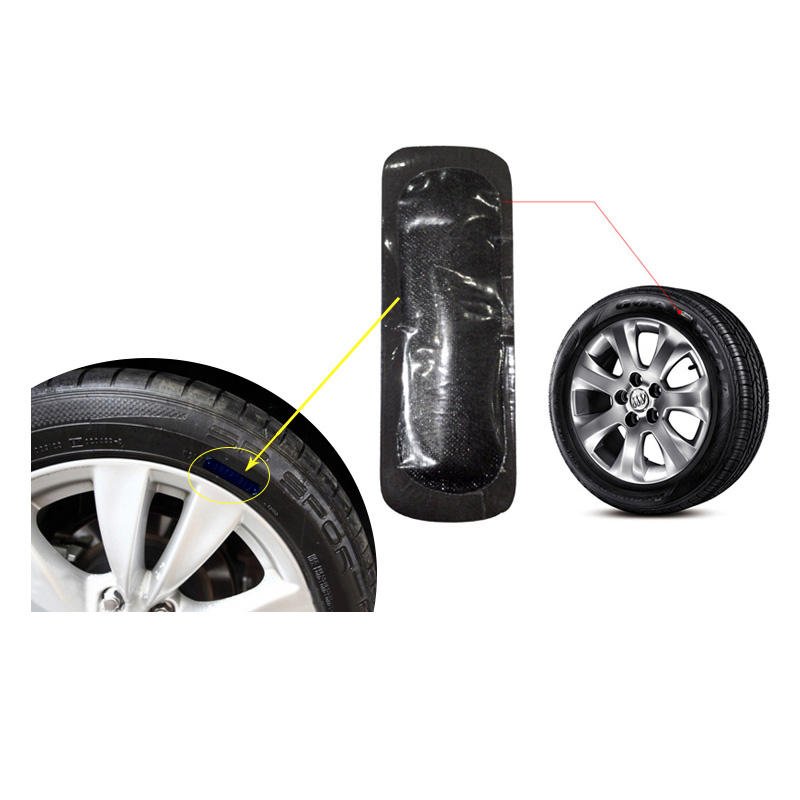
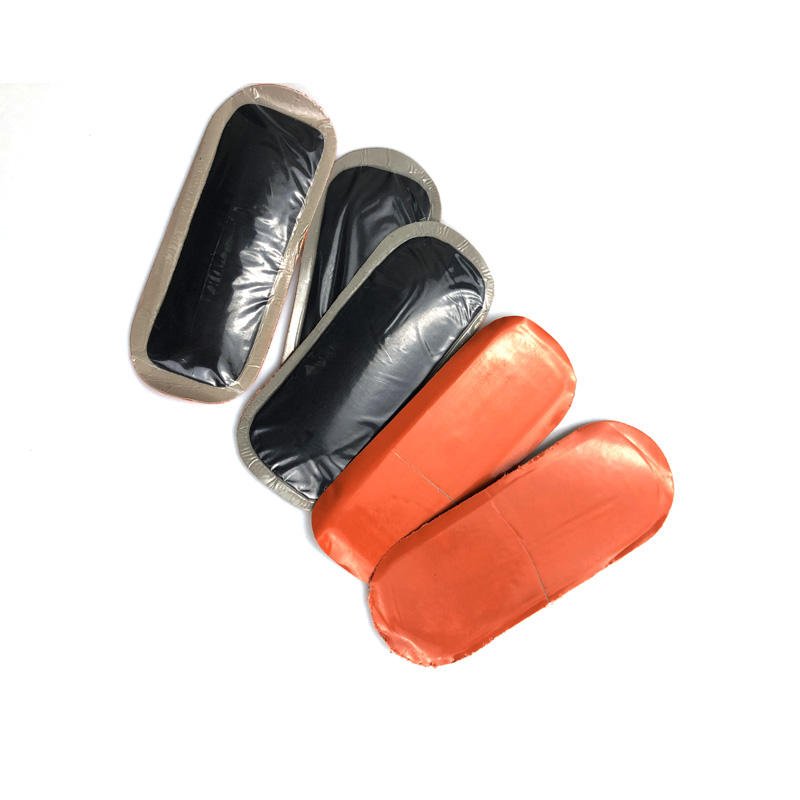
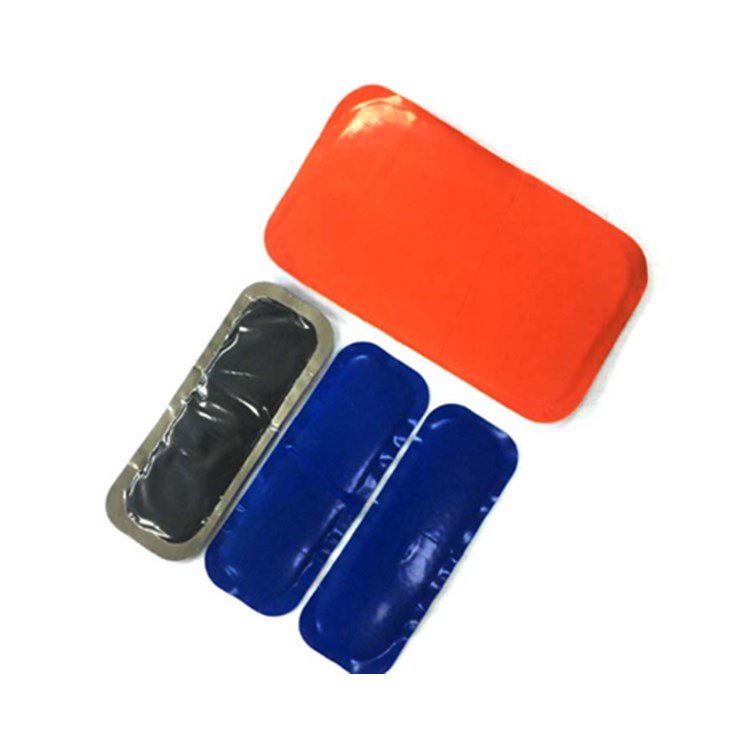
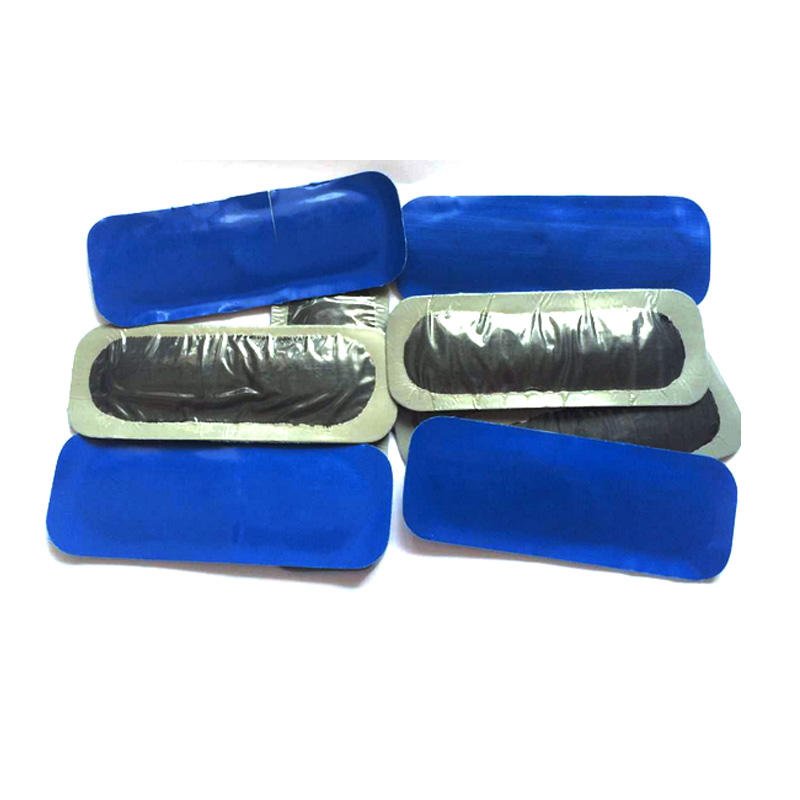
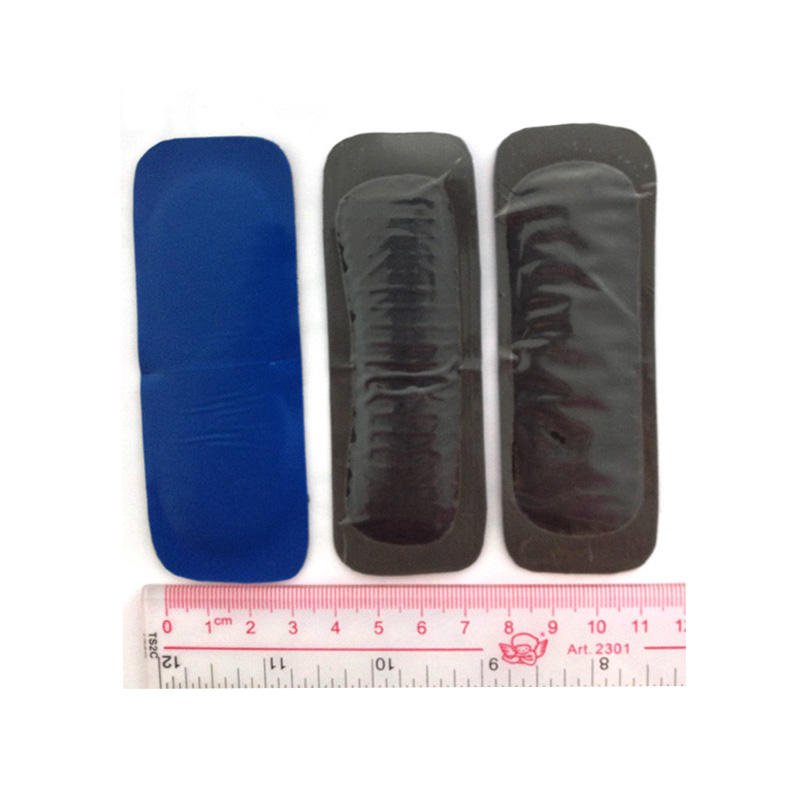
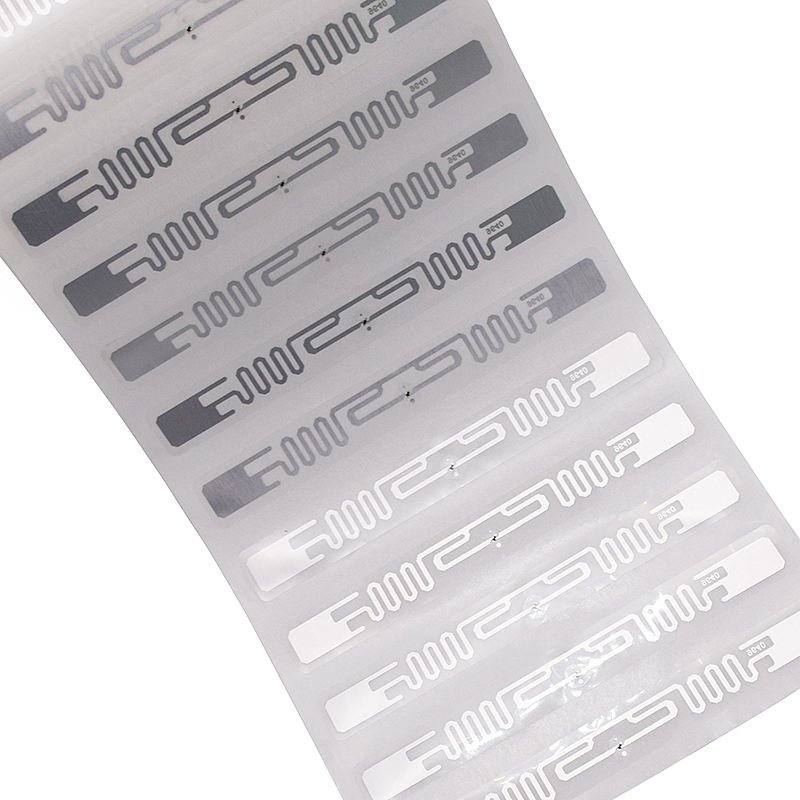
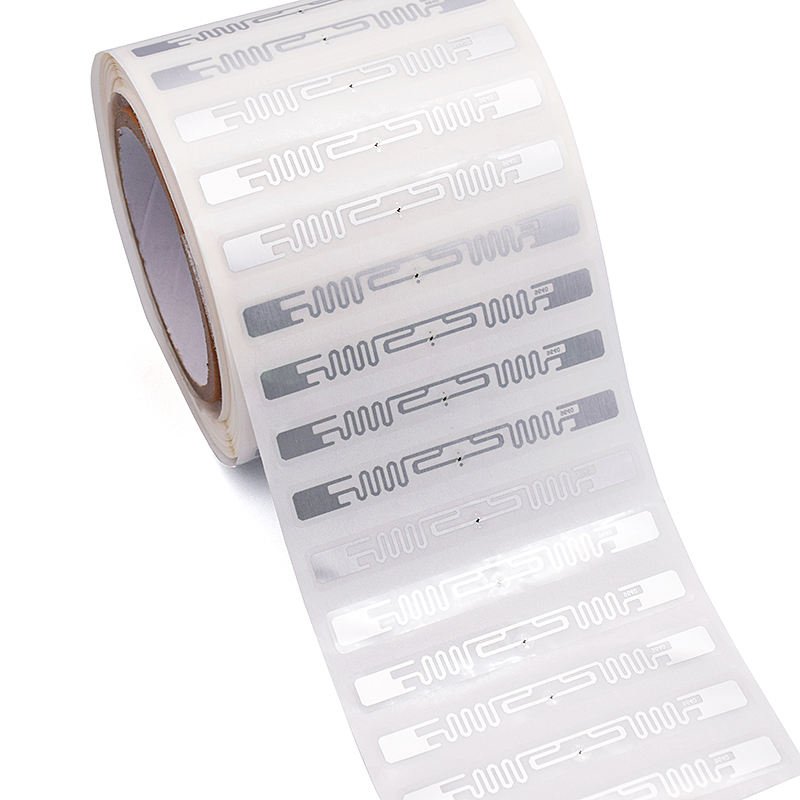
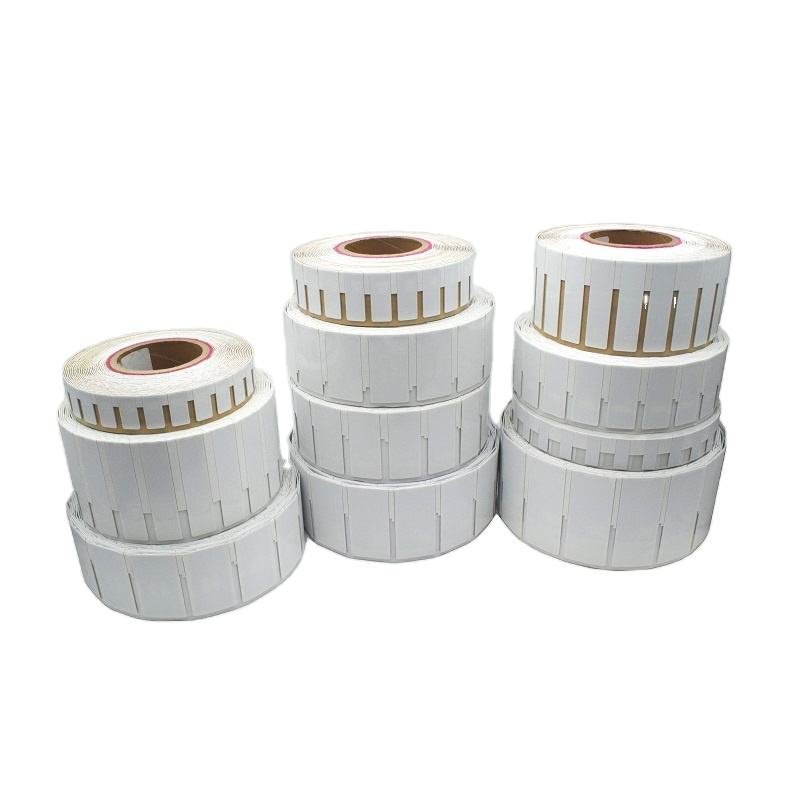
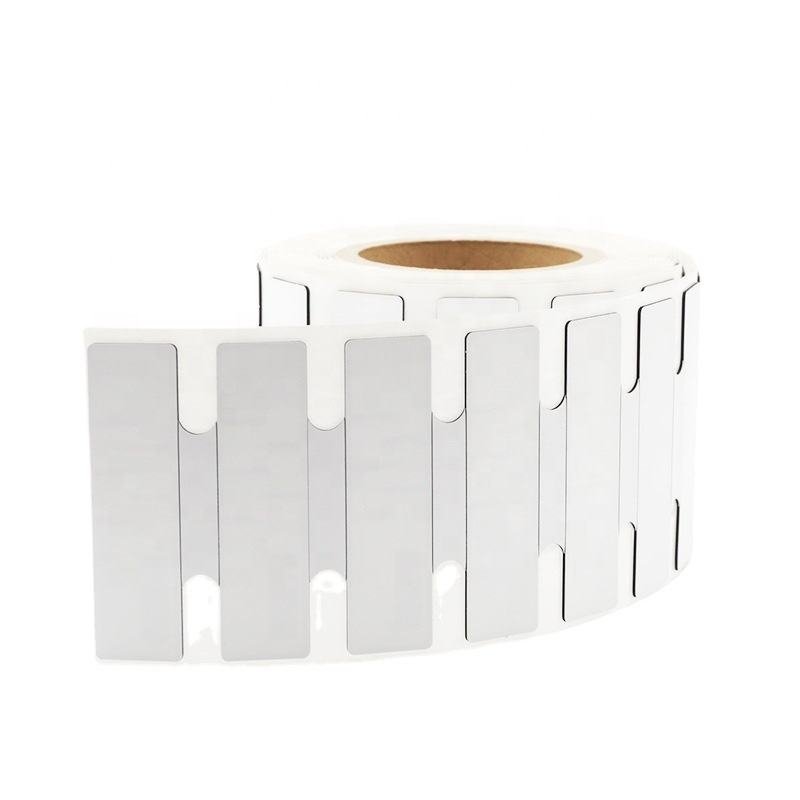
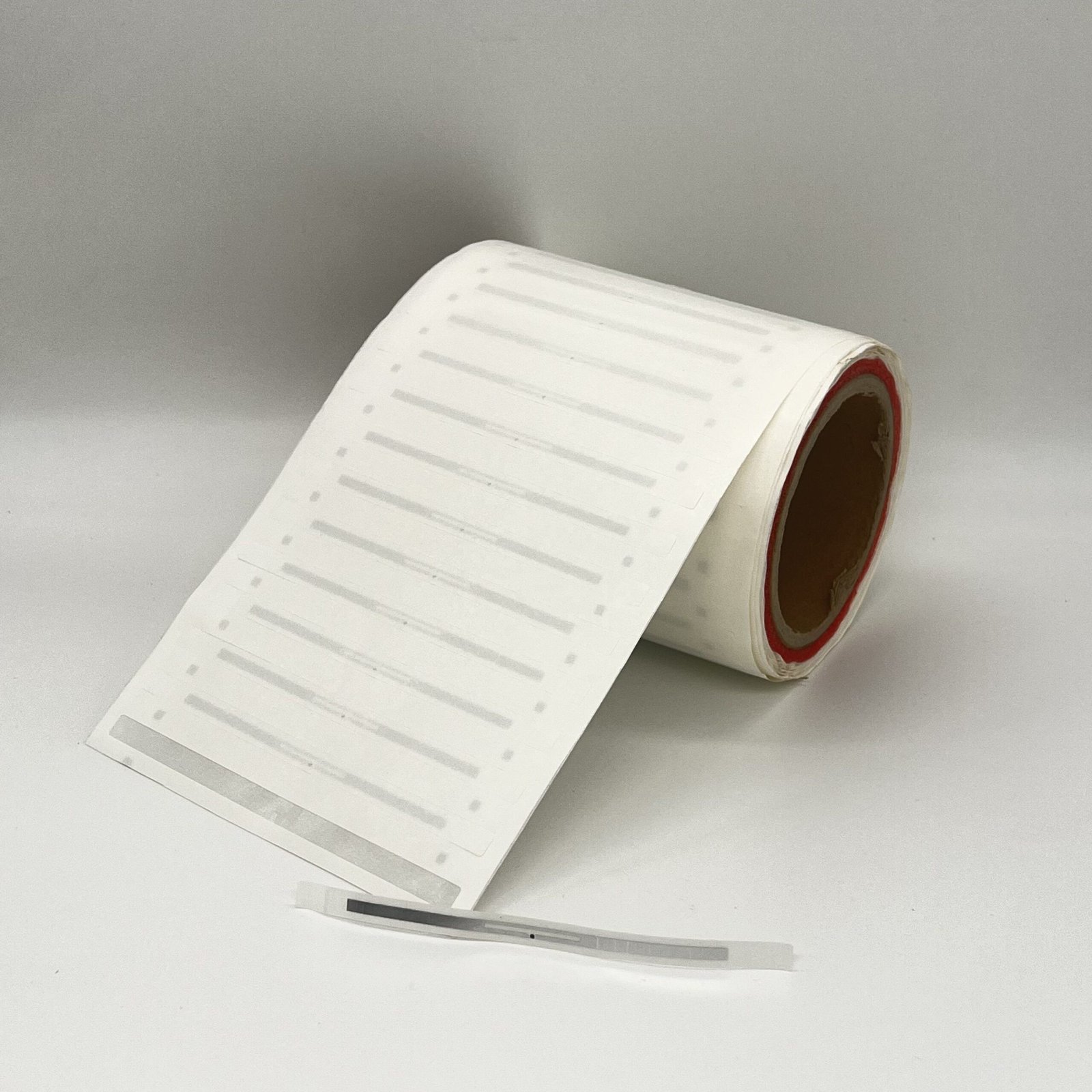
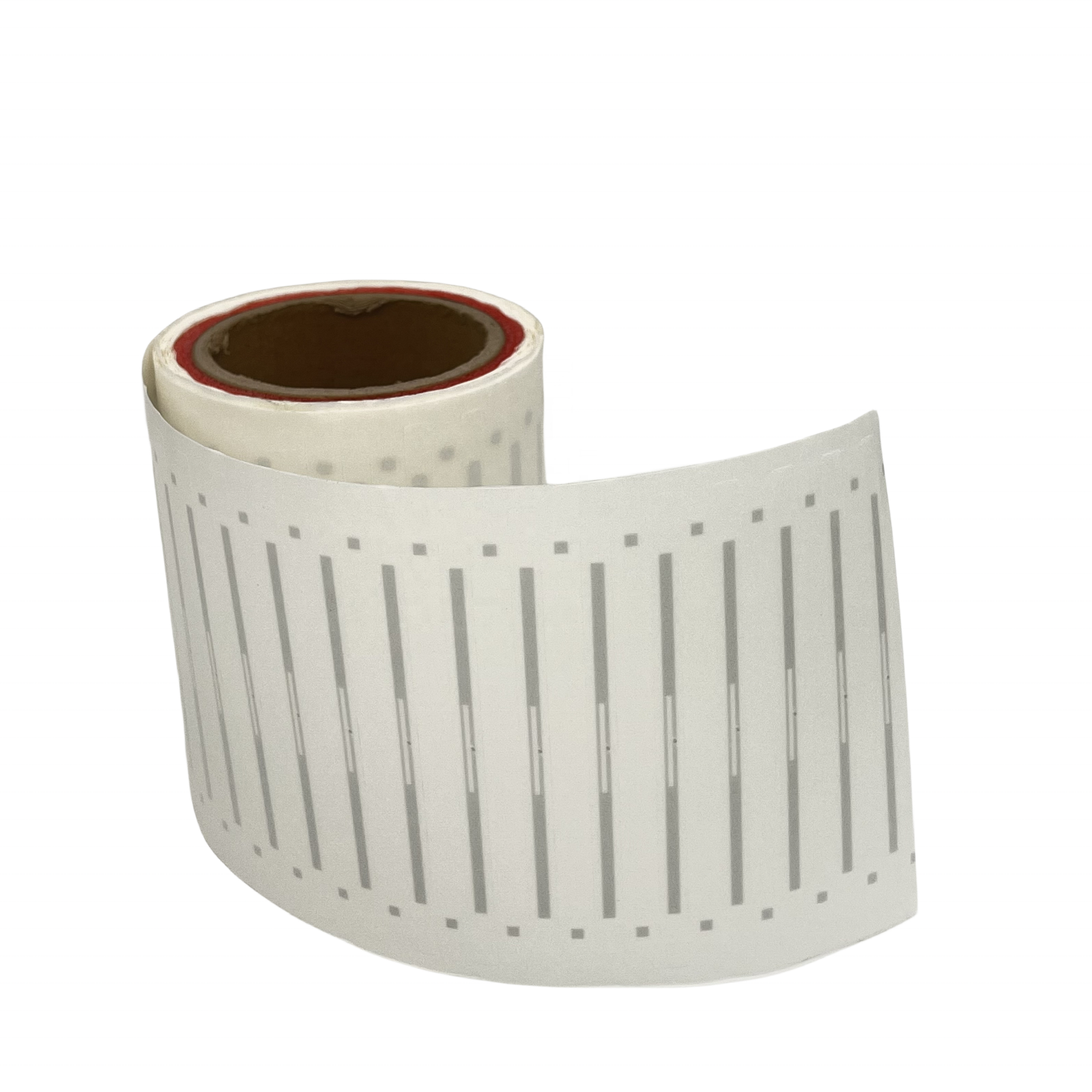
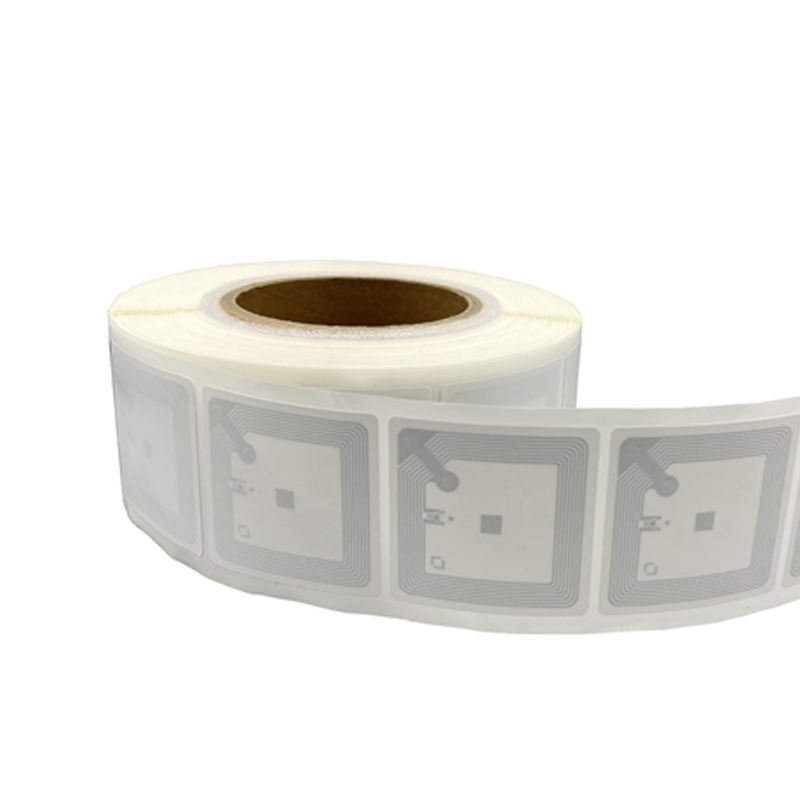
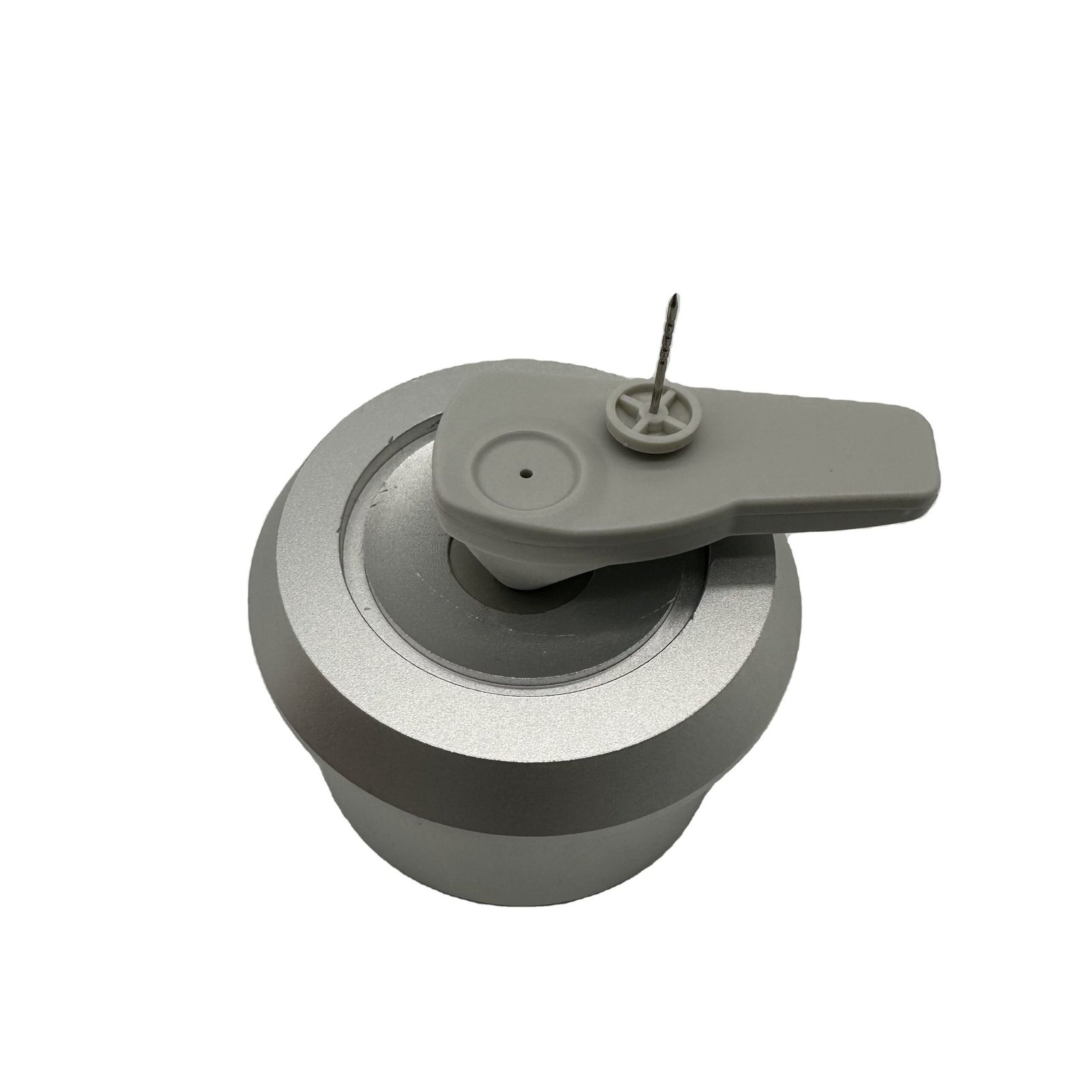
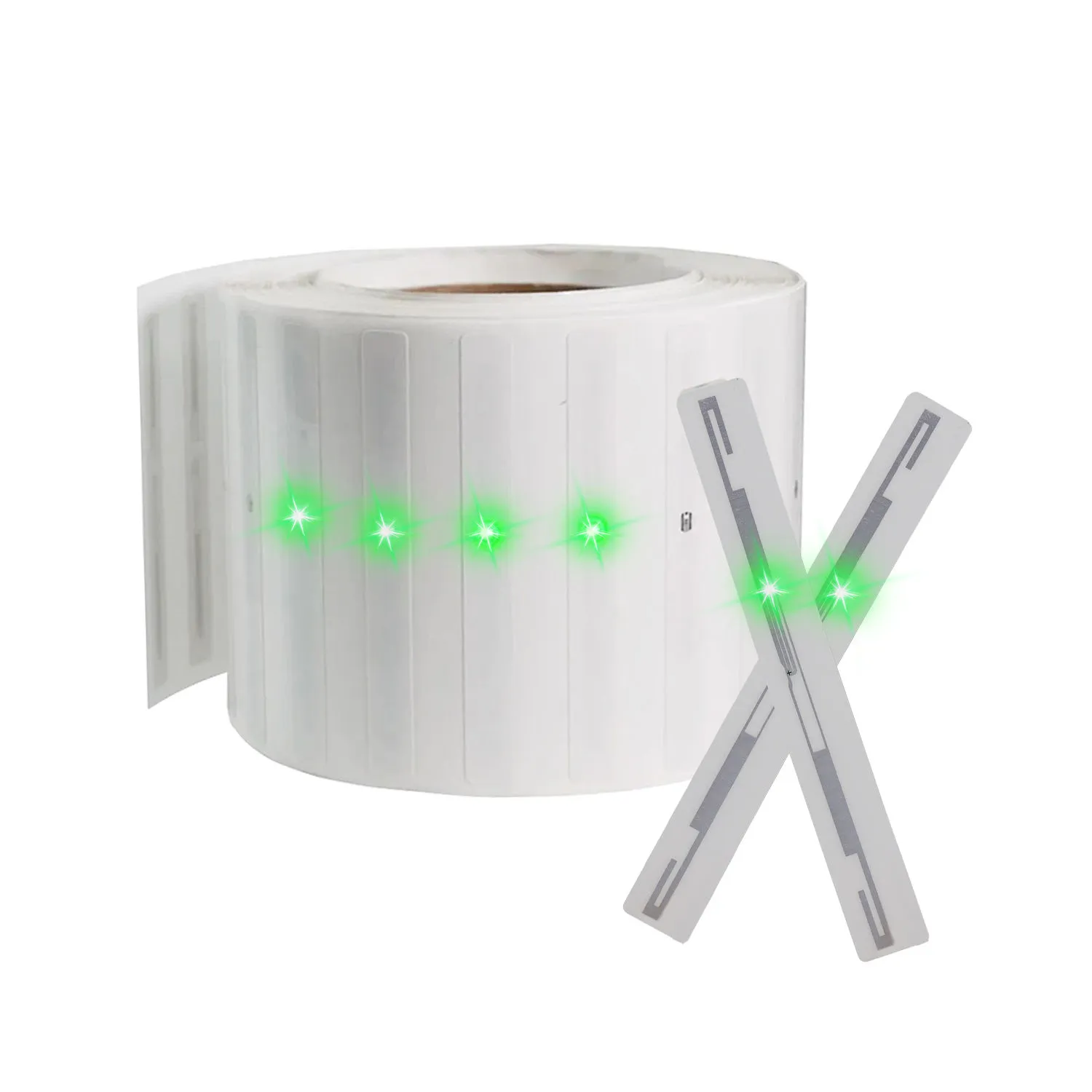
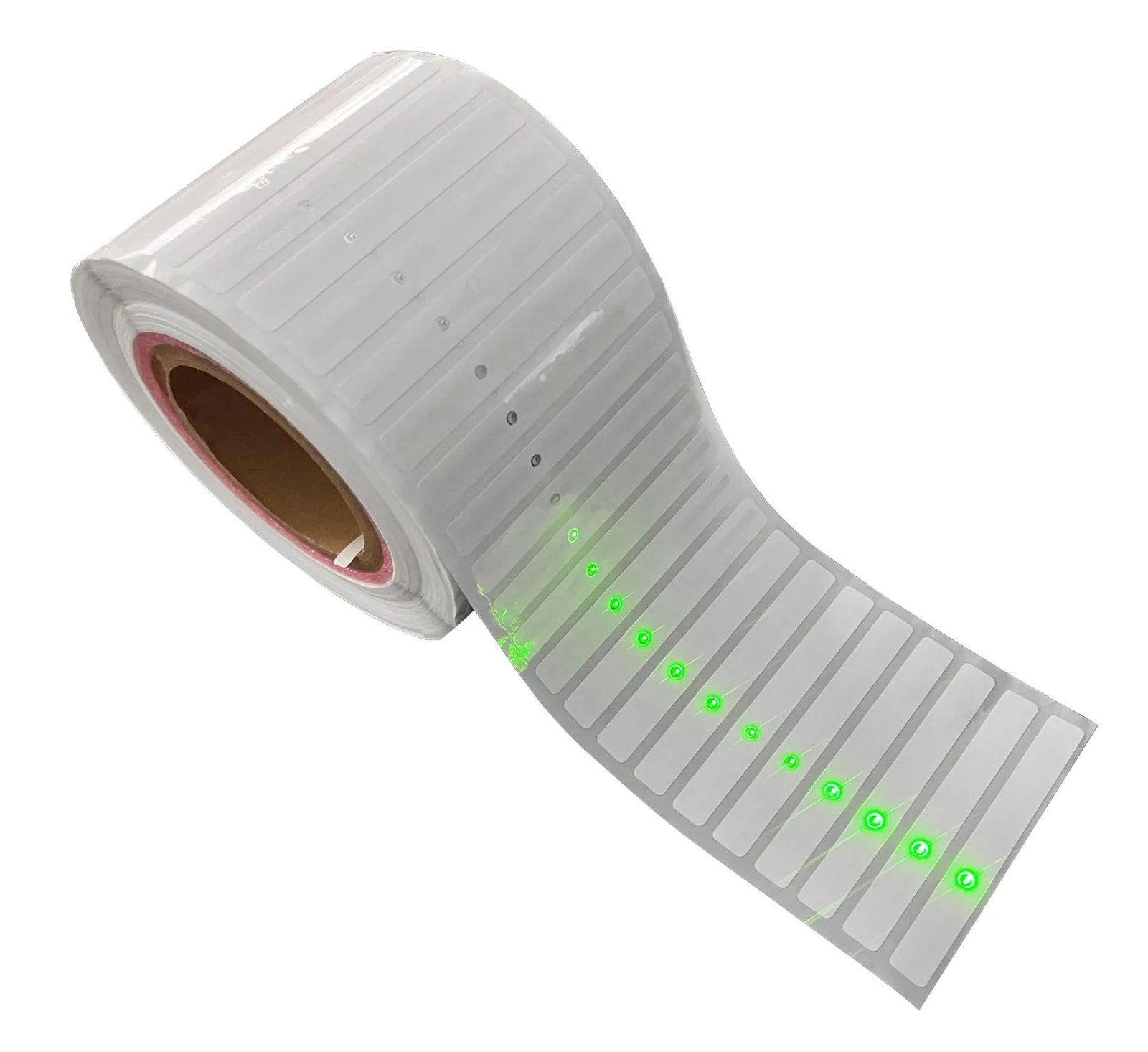
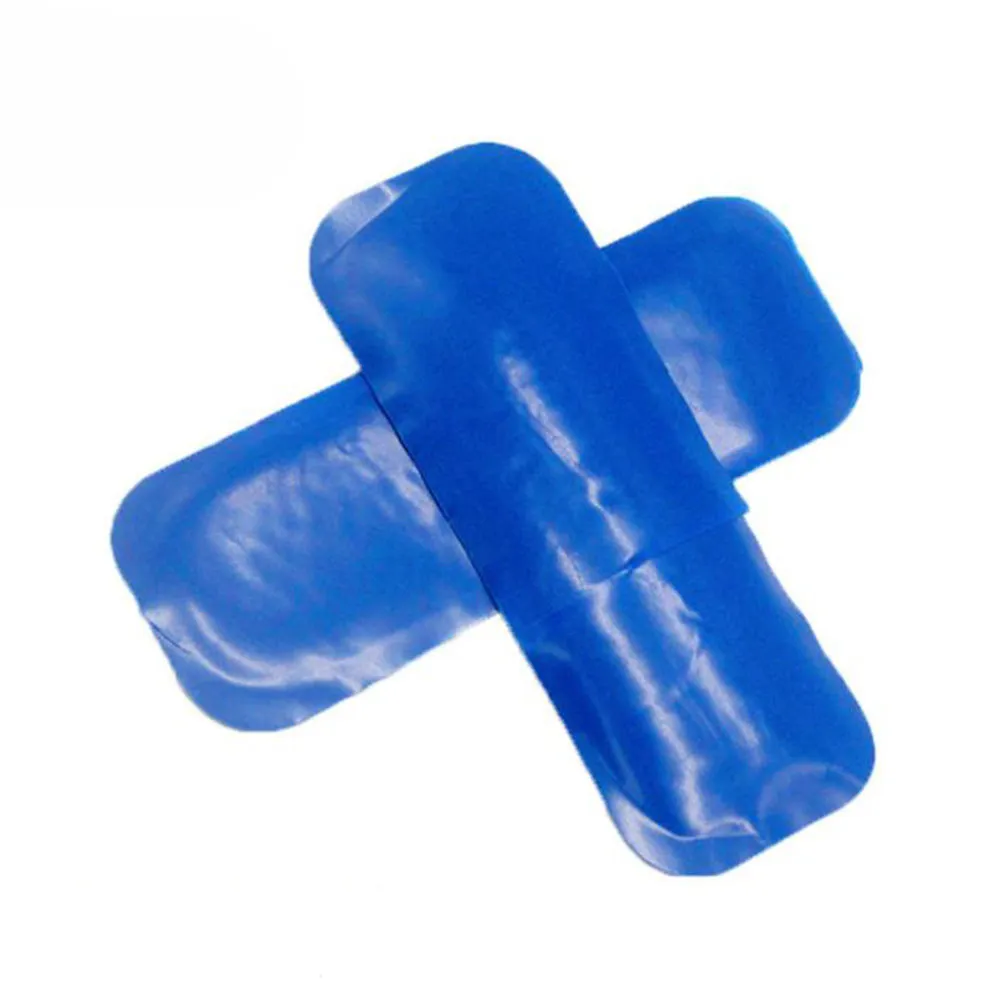
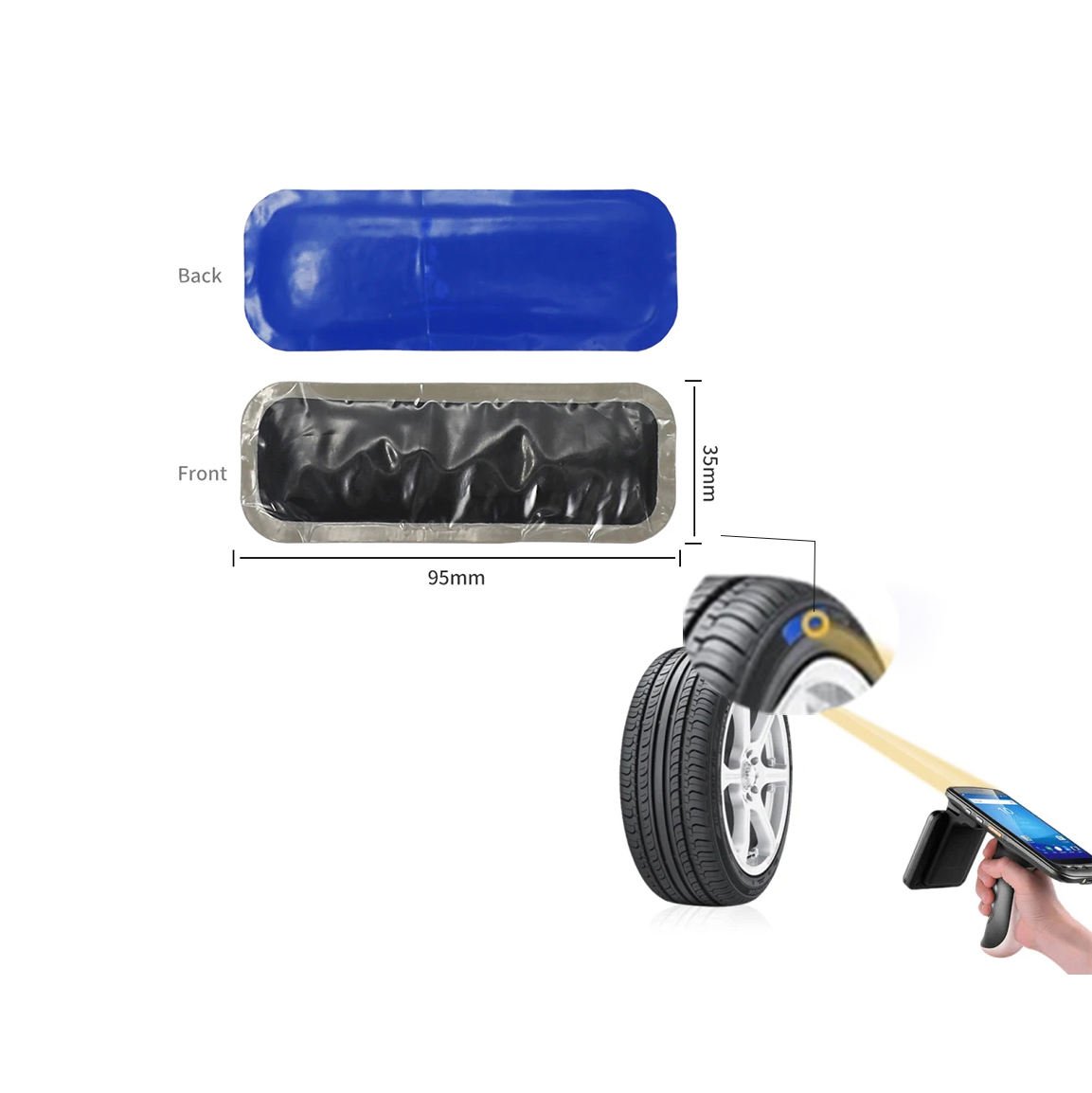
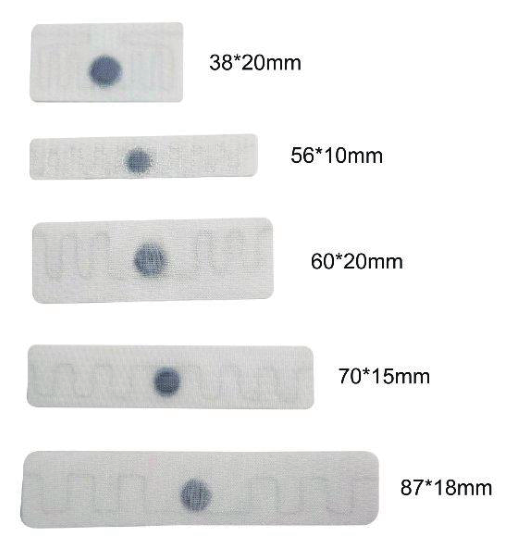
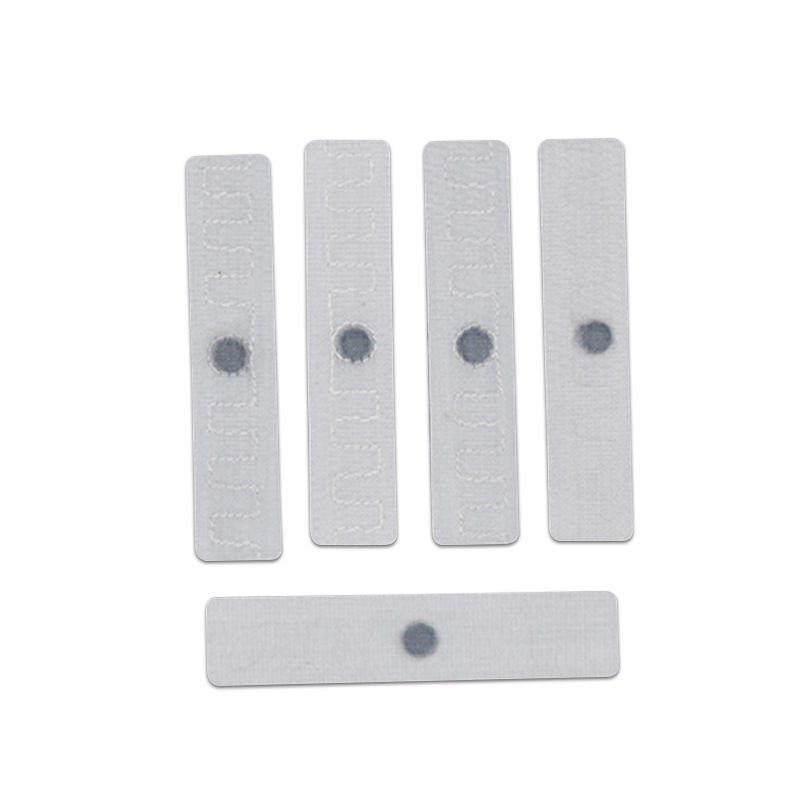
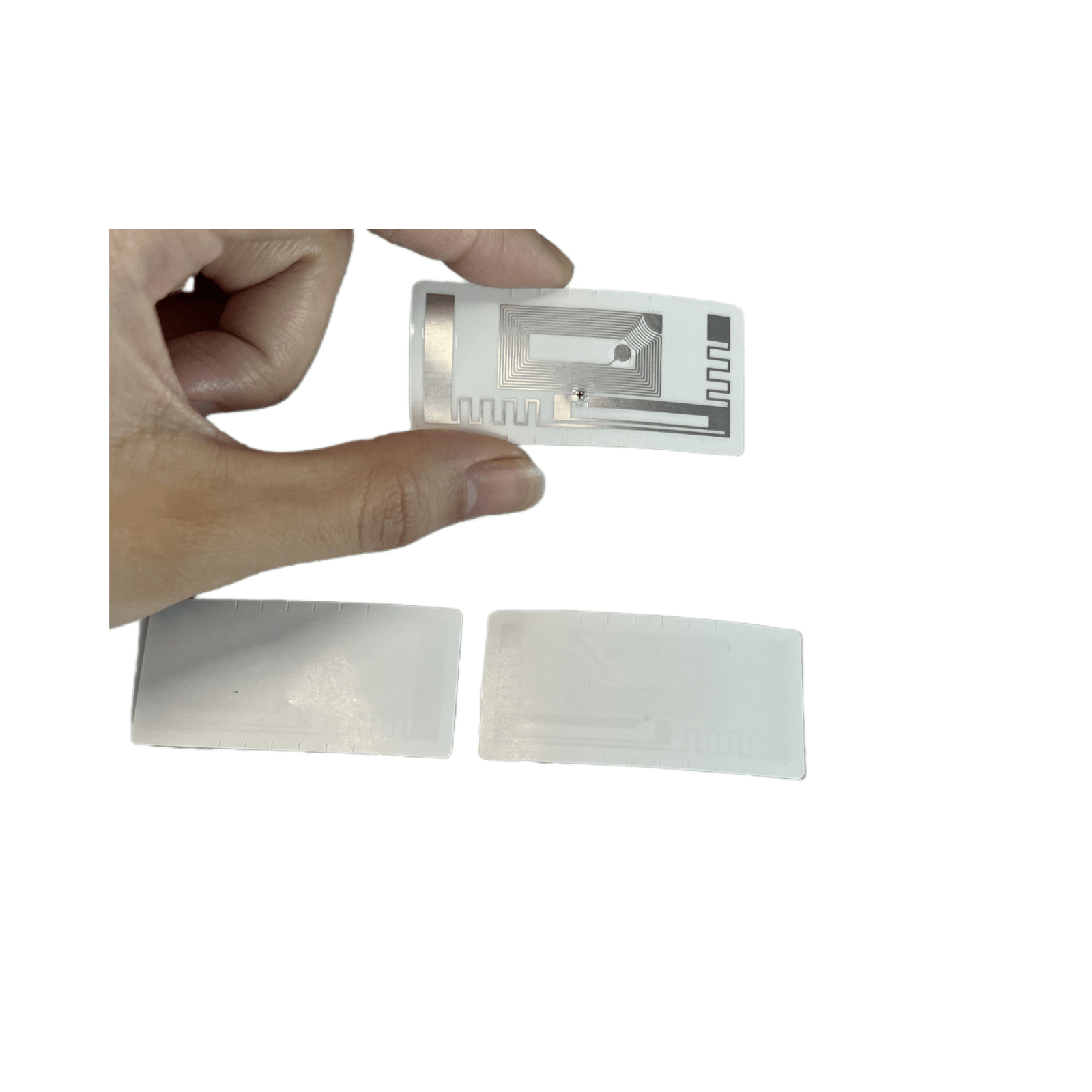
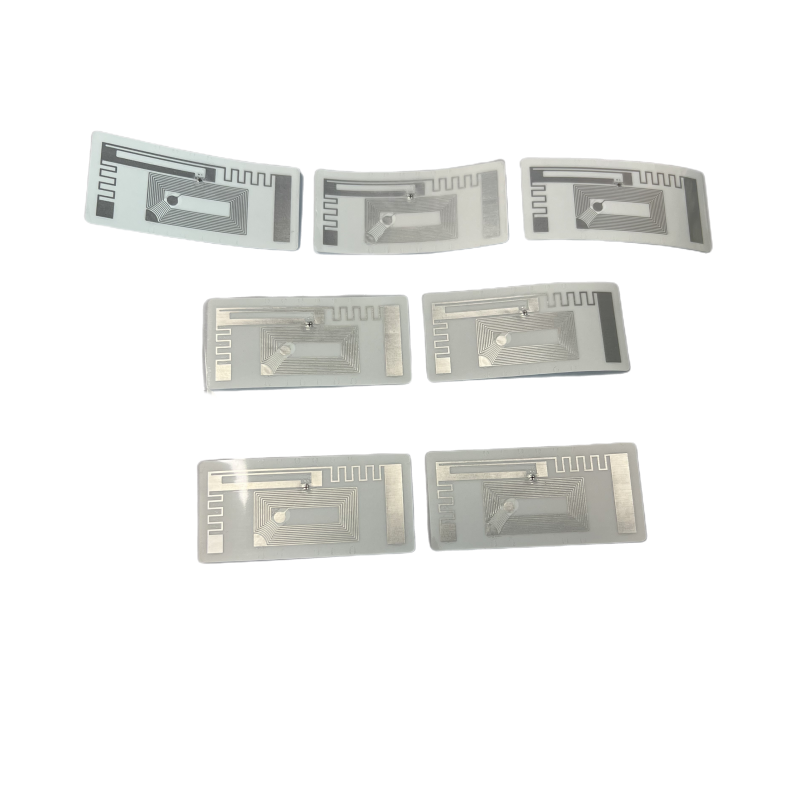
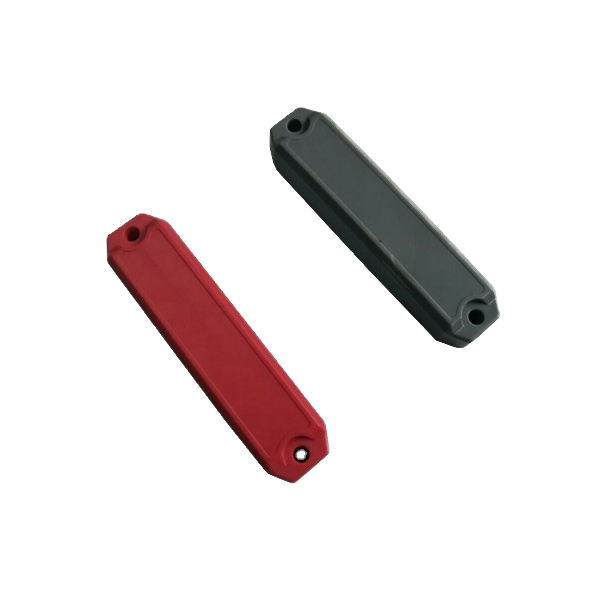
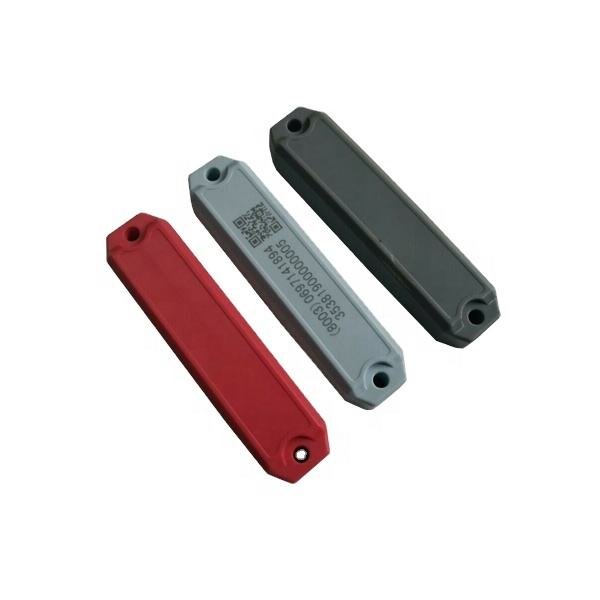
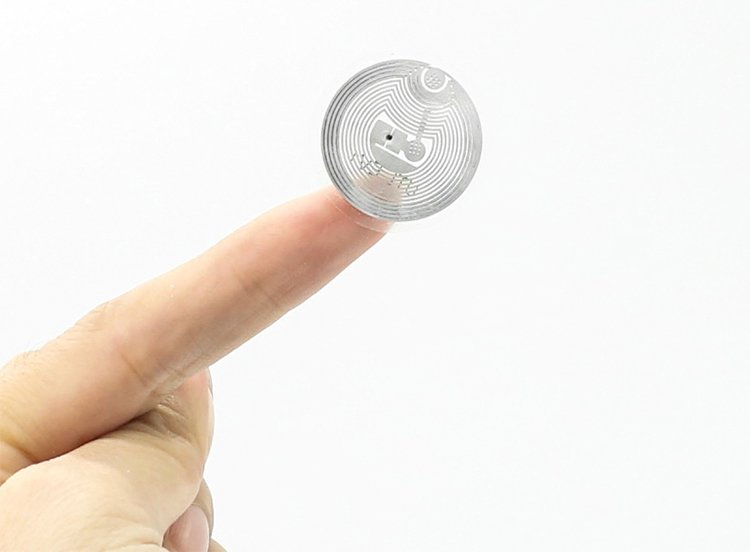
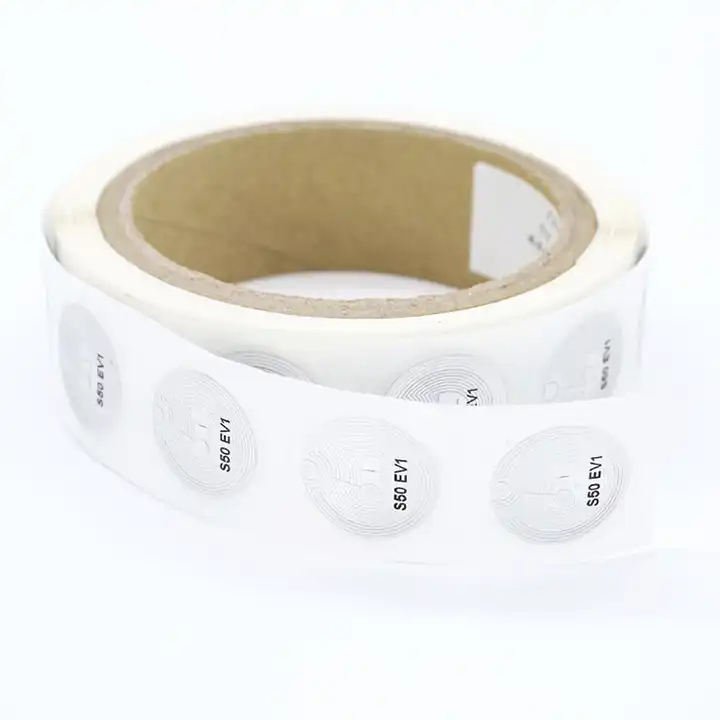
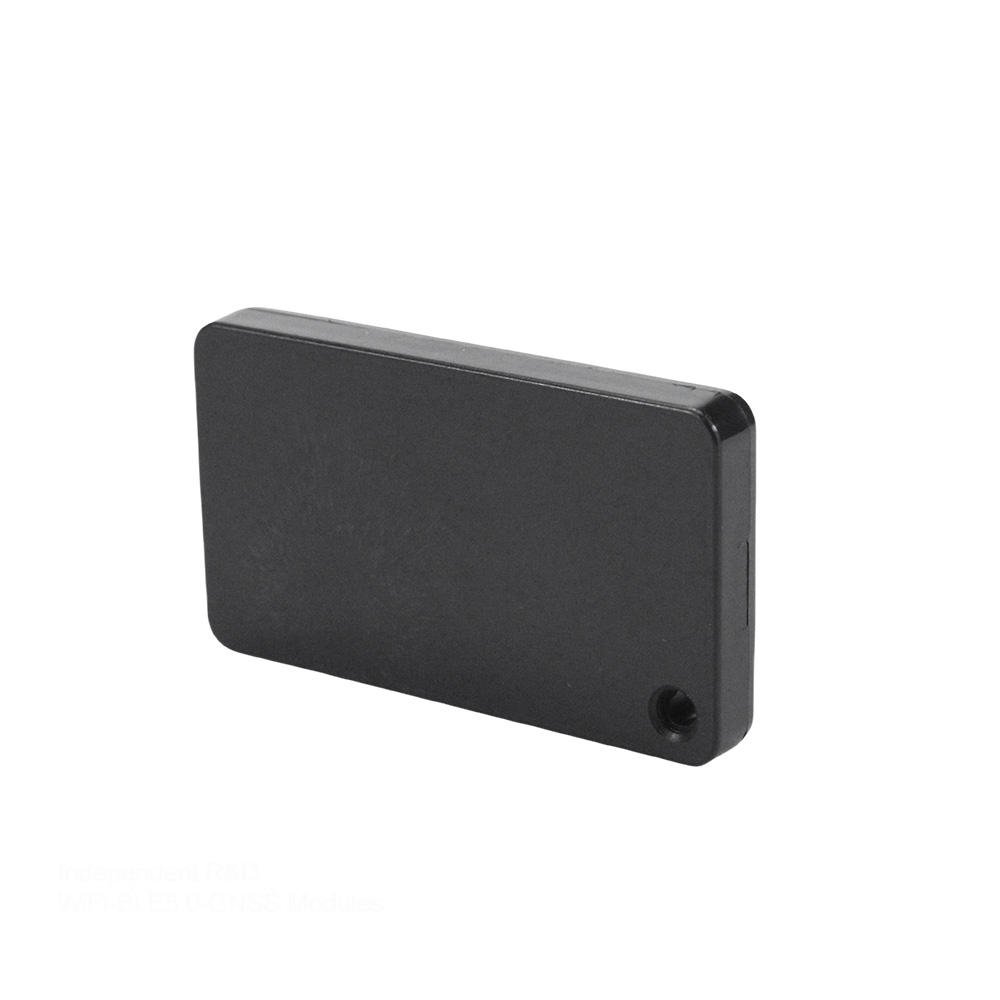
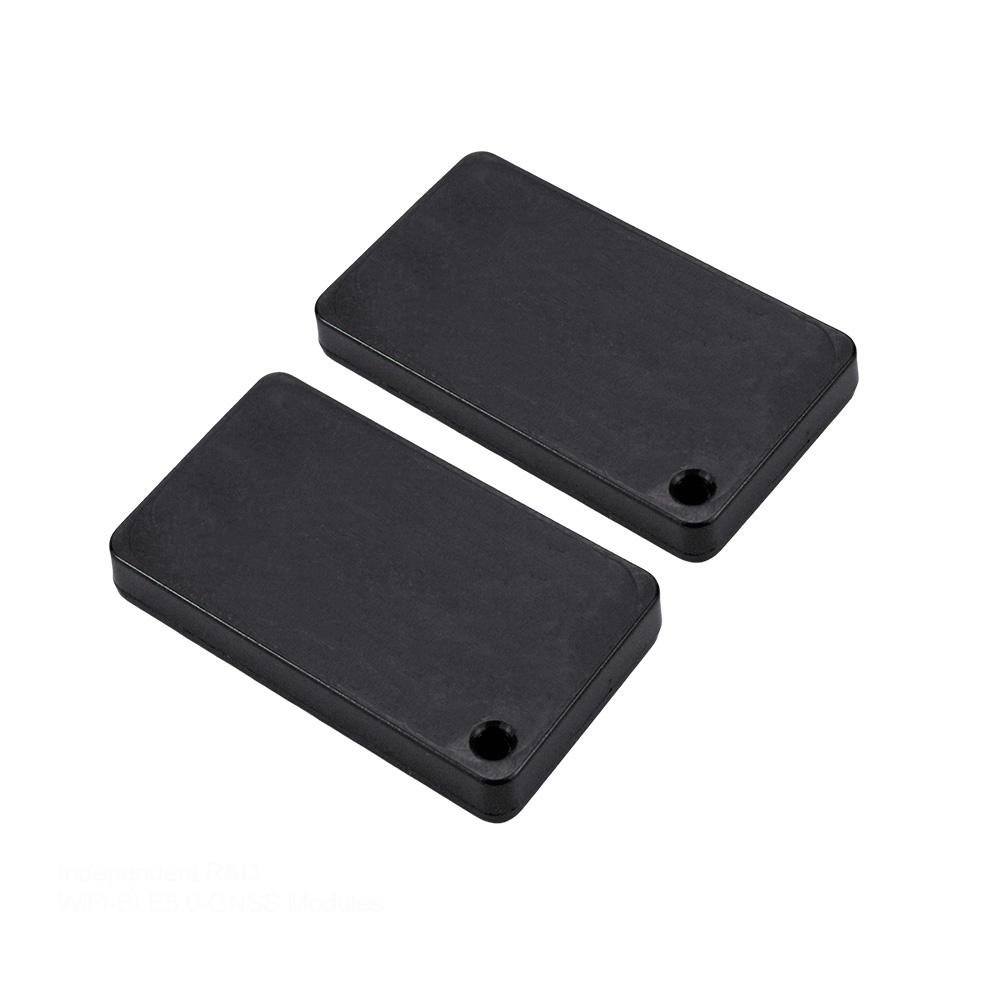
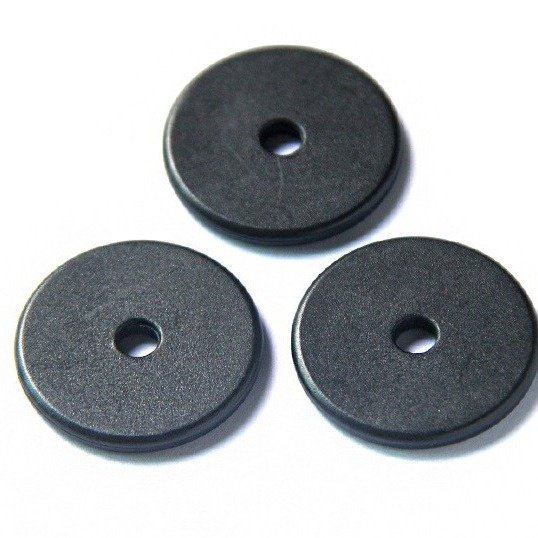
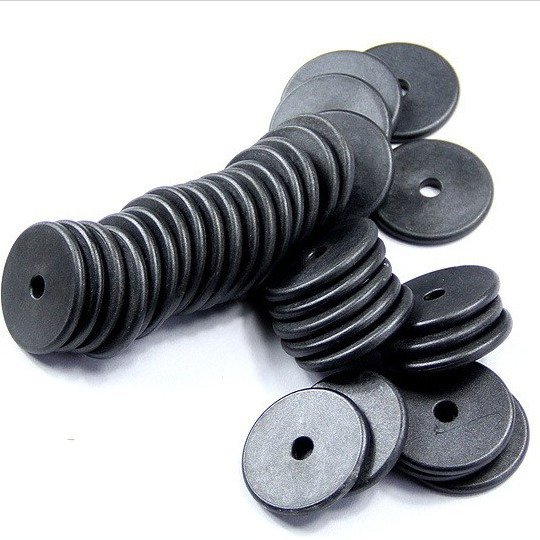
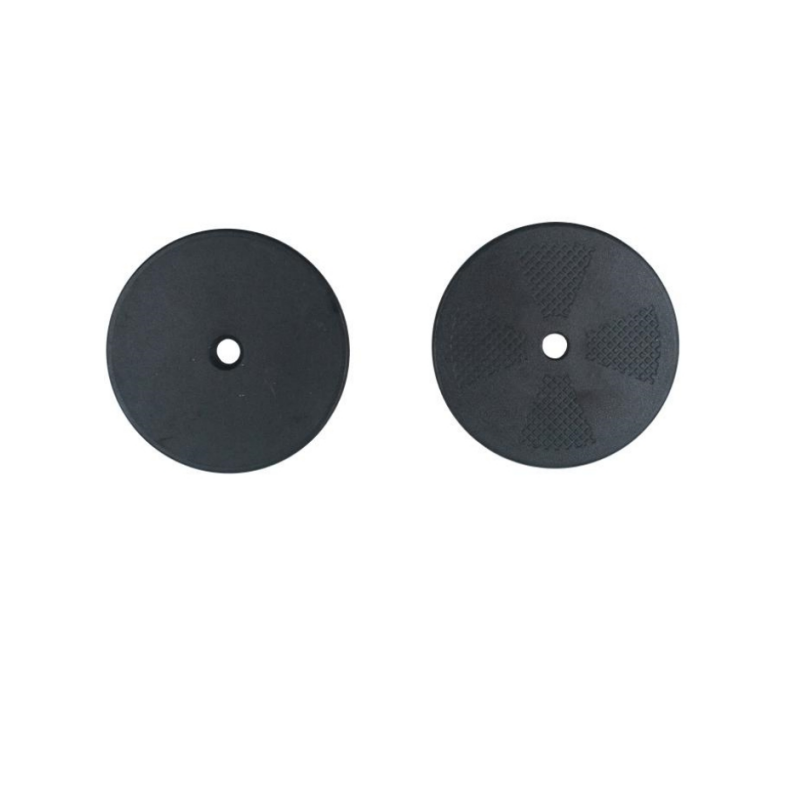
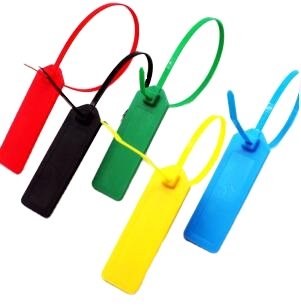
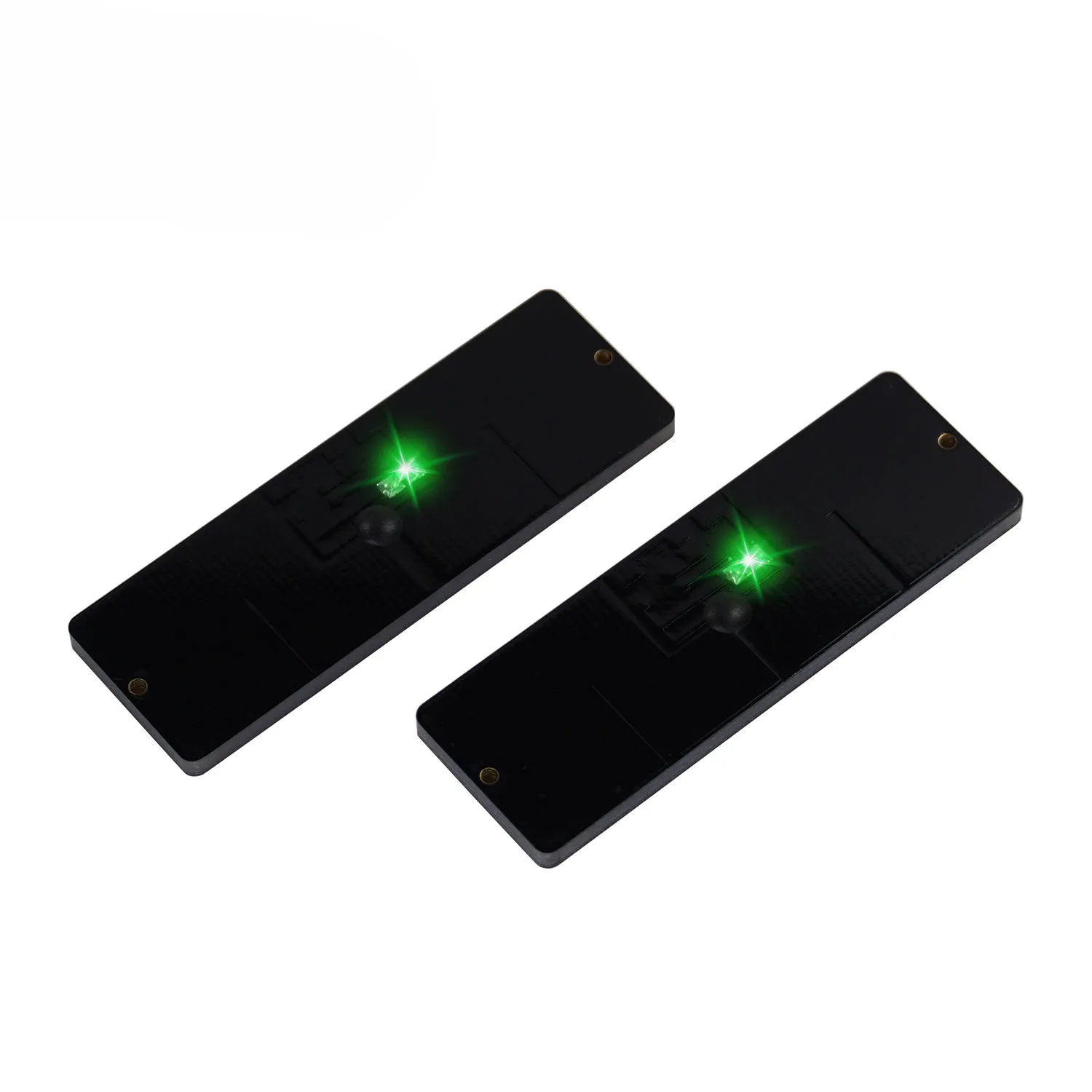
High-temperature resistant UHF RFID tire tag for vehicles. Durable and long-range readable, designed for tire tracking, automotive supply chain, and fleet management.
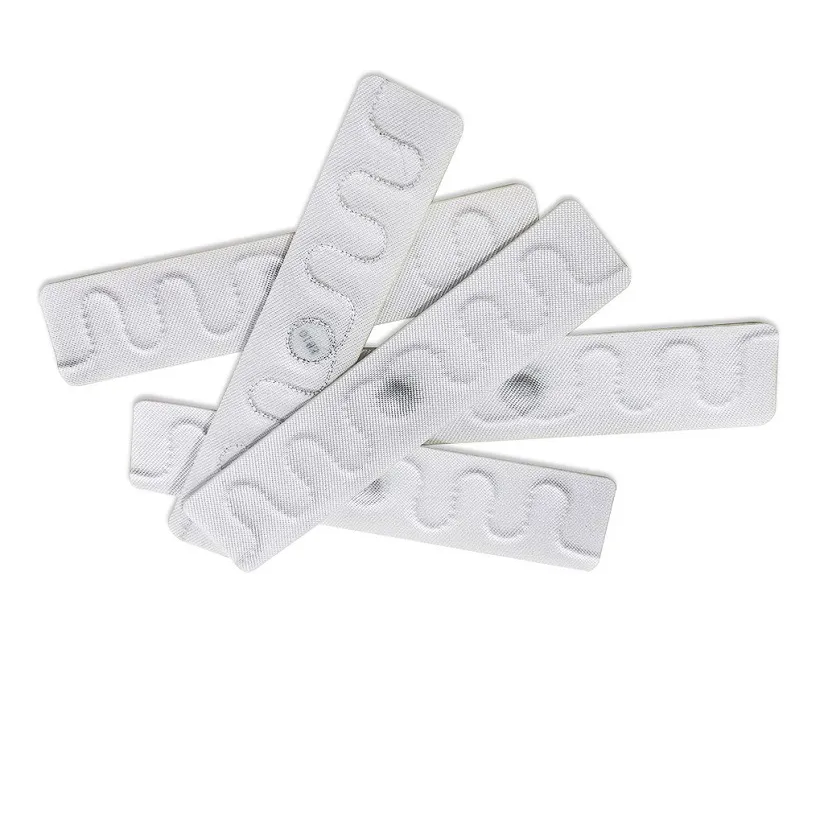
Summary: RFID Woven Labels—The Invisible Foundation of Apparel Digitization
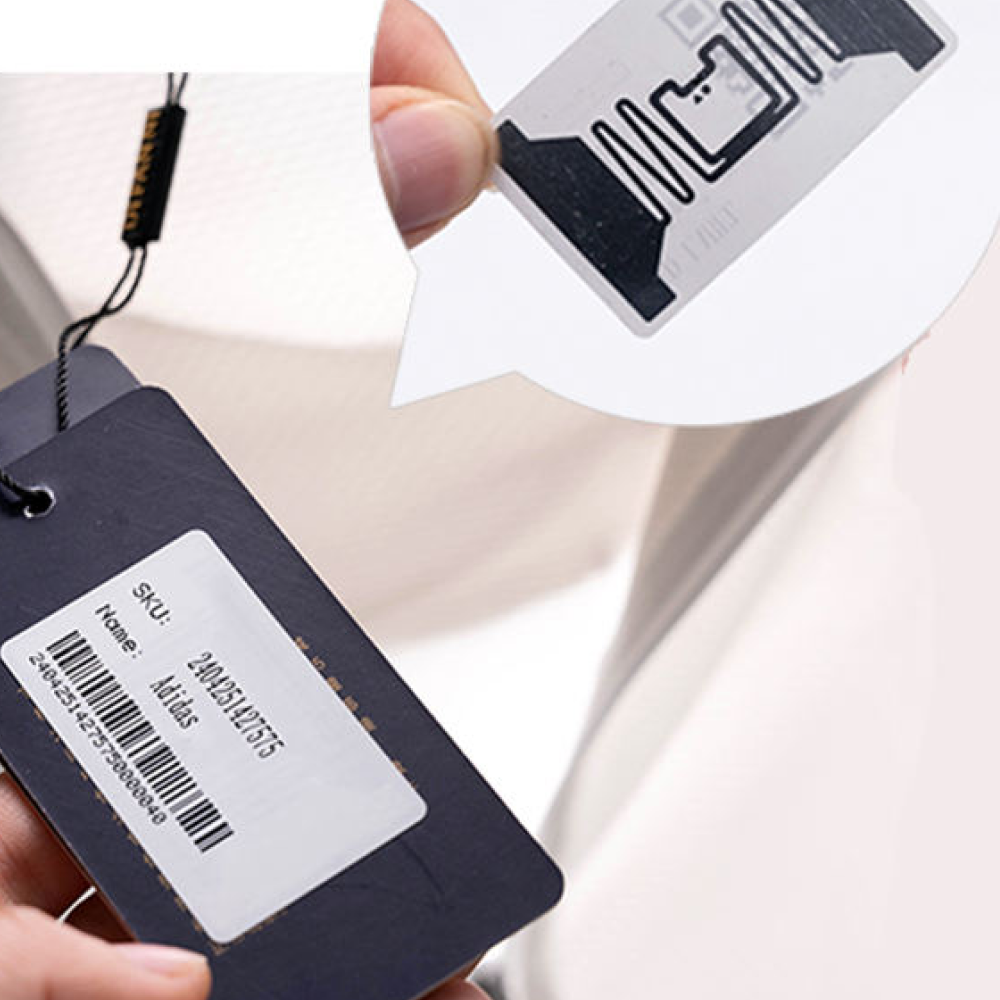
This article explains how RFID Woven Labels are replacing traditional hangtags to become the essential tool for “item-level digital management” in the fashion industry.
Technical Superiority: The article highlights how RFID outperforms barcodes through non-line-of-sight reading, bulk processing, and unique identification. It confirms UHF (Ultra-High Frequency) as the industry standard due to its long range and high speed.
Solving Key Pain Points: Unlike stickers or hangtags that fall off or get swapped, woven labels are sewn directly into the garment. This eliminates “ghost inventory” and creates a permanent digital defense against counterfeiting.
Full Lifecycle Efficiency: It details the entire digital loop, from factory encoding and safe sewing techniques to warehouse “tunnel” scanning and smart retail checkouts.
Cost vs. Value: While the unit price is higher than paper tags, woven labels save money by removing manual tagging labor and increasing inventory accuracy from 70% to 99%.
Implementation Guide: The article provides a “pitfall avoidance” guide for production (avoiding high-heat ironing) and warehousing (managing metal interference). It also offers a checklist for project launches, emphasizing top-down management consensus.
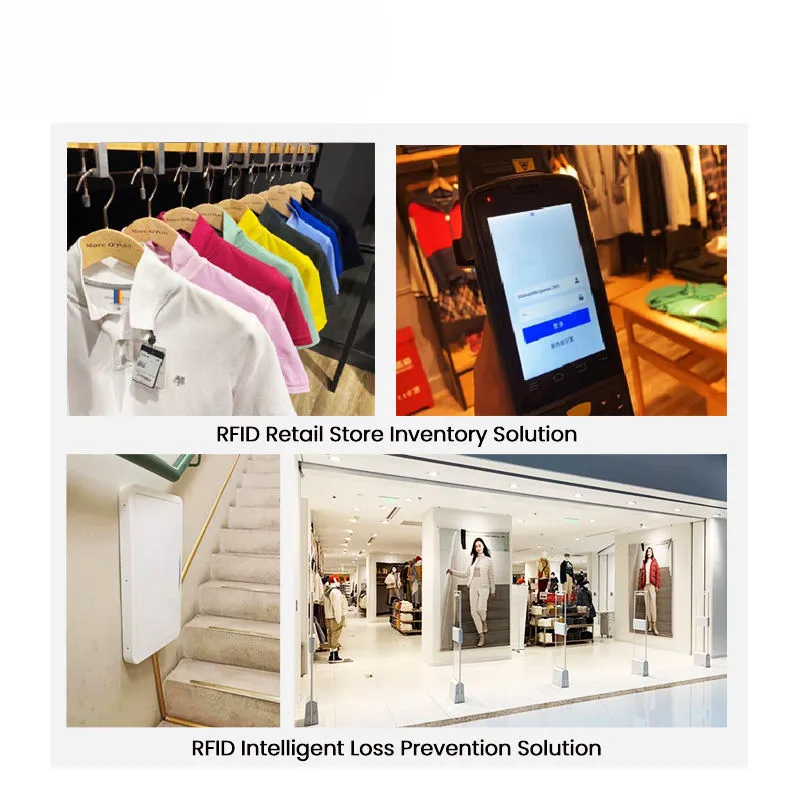
evolutionize your apparel inventory management with advanced RFID technology. This comprehensive solution delivers 99.9% inventory accuracy and 10x faster counting speeds through real-time tracking from production to retail. Our specialized RFID clothing tags withstand industrial washing cycles and harsh environments, while cutting labor costs by 67% and reducing stockouts by 65%. With proven ROI within 12-16 months, our system provides complete supply chain visibility, data-driven insights, and seamless integration for clothing manufacturers and brands worldwide. Transform your operations with reliable RFID solutions tailored for the fashion industry.
Introduction Efficient textile management is a critical element in commercial laundry, hotel linen handling, and healthcare garment processing. Traditional methods—manual sorting, barcode scanning, and handwritten logs—often result in inventory errors
UHF RFID Tire Tag – High Temperature Resistant Tire Asset Tag & Label for Vehicle Management
1. Introduction: Smart RFID for Tire & Vehicle Asset Management
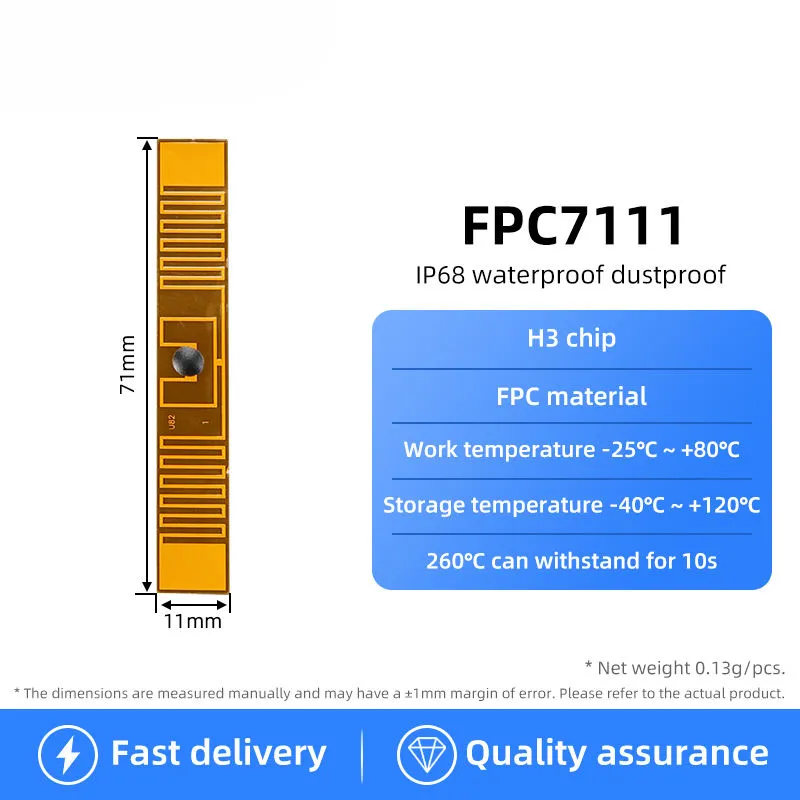
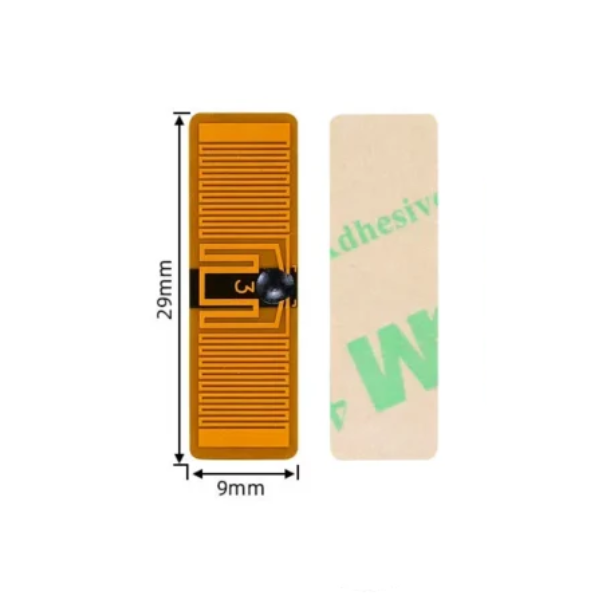
In automotive manufacturing, fleet management, and logistics, tracking and monitoring tires is critical for ensuring safety, reducing theft, and improving operational efficiency. The UHF RFID Tire Tag is engineered for direct embedding or attachment to vehicle tires, enabling real-time identification, lifecycle monitoring, and asset management.
With high-temperature resistance and rugged encapsulation, this RFID tag can withstand the demanding environment of tires—heat, friction, pressure, and exposure to outdoor conditions—while delivering long-range readability and compliance with ISO18000-6C / EPC Gen2 standards.
UHF RFID Tire Tag – High Temperature Resistant Tire Asset Tag & Label for Vehicle Management
2. What is a UHF RFID Tire Tag?
A UHF RFID tire tag is a passive RFID transponder designed for embedding inside or attaching to a tire. It provides:
Unique digital ID for each tire.
Real-time tracking throughout manufacturing, distribution, and usage.
High durability against heat and pressure.
This ensures that tire manufacturers, retailers, and fleet operators can maintain accurate records, enhance safety compliance, and prevent counterfeiting.
3. Key Features
High Temperature Resistance
Withstands extreme tire conditions including heat, pressure, and friction.
UHF Long-Range Readability
Operates at 860–960MHz.
EPC Gen2 / ISO18000-6C compliant.
Read range up to 3–6 meters.
Durable Design
Encapsulated in industrial-grade materials.
Resistant to water, chemicals, and mechanical stress.
Asset Management Integration
Unique ID supports lifecycle tracking.
Prevents theft and enables warranty verification.
Flexible Application
Suitable for tire embedding during manufacturing.
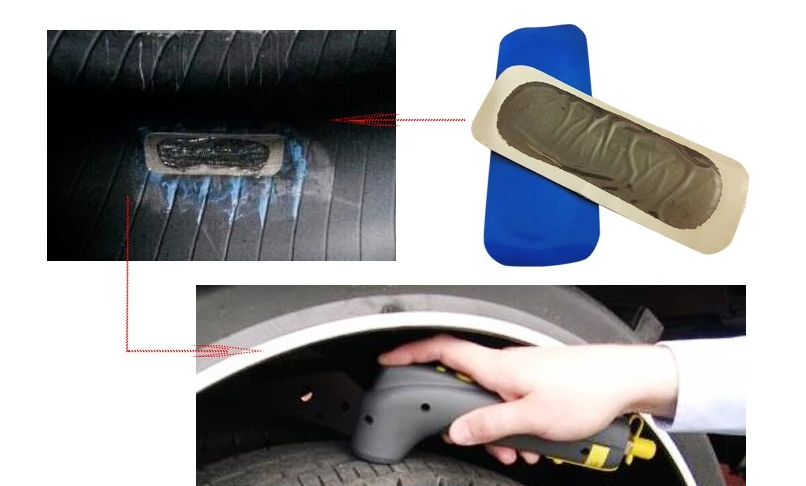
Can also be affixed externally with specialized adhesives.
Improved fleet safety – helps monitor tire usage and compliance.
Integration with IoT – supports ERP and vehicle management systems.
6. Applications
Tire Manufacturers – product authentication and warranty tracking.
Fleet Management – monitor tire usage and replacement schedules.
Automotive Supply Chain – track tires through production and logistics.
Retailers & Distributors – manage tire stock and reduce theft.
Government & Safety – ensure compliance with safety inspections.
7. Customization Options
Chip model and memory capacity selection.
Logo, serial number, or QR code printing.
Pre-encoding with EPC data.
Specialized adhesives or embedding methods.
8. Installation & Deployment
Embed RFID tag into tire during manufacturing, or affix with adhesive.
Encode unique tire ID into the chip.
Use UHF readers for scanning in warehouses, checkpoints, or workshops.
Integrate with fleet management or ERP systems for lifecycle visibility.
9. Frequently Asked Questions (FAQ)
Q1: Can this RFID tag survive inside a tire? Yes, it is designed for high-temperature and high-pressure environments.
Q2: What is the read range? Typically 3–6 meters depending on reader and conditions.
Q3: Can the tag be reused? No, once embedded in a tire it is intended for lifecycle tracking of that tire only.
Q4: Which industries use tire RFID tags? Automotive manufacturing, logistics, fleet management, and retail.
Q5: What standards does it support? EPC Gen2 / ISO18000-6C.
10. Conclusion
The UHF RFID Tire Tag is a rugged, high-temperature resistant transponder designed for the automotive industry. With long-range UHF readability, durable encapsulation, and secure lifecycle tracking, it enables tire manufacturers, fleet operators, and retailers to improve efficiency, reduce losses, and ensure safety compliance.
Product Description
UHF RFID Tire Tag – High Temperature Resistant Tire Asset Tag & Label for Vehicle Management
1. Introduction: Smart RFID for Tire & Vehicle Asset Management
In automotive manufacturing, fleet management, and logistics, tracking and monitoring tires is critical for ensuring safety, reducing theft, and improving operational efficiency. The UHF RFID Tire Tag is engineered for direct embedding or attachment to vehicle tires, enabling real-time identification, lifecycle monitoring, and asset management.
With high-temperature resistance and rugged encapsulation, this RFID tag can withstand the demanding environment of tires—heat, friction, pressure, and exposure to outdoor conditions—while delivering long-range readability and compliance with ISO18000-6C / EPC Gen2 standards.
UHF RFID Tire Tag – High Temperature Resistant Tire Asset Tag & Label for Vehicle Management
2. What is a UHF RFID Tire Tag?
A UHF RFID tire tag is a passive RFID transponder designed for embedding inside or attaching to a tire. It provides:
Unique digital ID for each tire.
Real-time tracking throughout manufacturing, distribution, and usage.
High durability against heat and pressure.
This ensures that tire manufacturers, retailers, and fleet operators can maintain accurate records, enhance safety compliance, and prevent counterfeiting.
3. Key Features
High Temperature Resistance
Withstands extreme tire conditions including heat, pressure, and friction.
UHF Long-Range Readability
Operates at 860–960MHz.
EPC Gen2 / ISO18000-6C compliant.
Read range up to 3–6 meters.
Durable Design
Encapsulated in industrial-grade materials.
Resistant to water, chemicals, and mechanical stress.
Asset Management Integration
Unique ID supports lifecycle tracking.
Prevents theft and enables warranty verification.
Flexible Application
Suitable for tire embedding during manufacturing.
Can also be affixed externally with specialized adhesives.
Improved fleet safety – helps monitor tire usage and compliance.
Integration with IoT – supports ERP and vehicle management systems.
6. Applications
Tire Manufacturers – product authentication and warranty tracking.
Fleet Management – monitor tire usage and replacement schedules.
Automotive Supply Chain – track tires through production and logistics.
Retailers & Distributors – manage tire stock and reduce theft.
Government & Safety – ensure compliance with safety inspections.
7. Customization Options
Chip model and memory capacity selection.
Logo, serial number, or QR code printing.
Pre-encoding with EPC data.
Specialized adhesives or embedding methods.
8. Installation & Deployment
Embed RFID tag into tire during manufacturing, or affix with adhesive.
Encode unique tire ID into the chip.
Use UHF readers for scanning in warehouses, checkpoints, or workshops.
Integrate with fleet management or ERP systems for lifecycle visibility.
9. Frequently Asked Questions (FAQ)
Q1: Can this RFID tag survive inside a tire? Yes, it is designed for high-temperature and high-pressure environments.
Q2: What is the read range? Typically 3–6 meters depending on reader and conditions.
Q3: Can the tag be reused? No, once embedded in a tire it is intended for lifecycle tracking of that tire only.
Q4: Which industries use tire RFID tags? Automotive manufacturing, logistics, fleet management, and retail.
Q5: What standards does it support? EPC Gen2 / ISO18000-6C.
10. Conclusion
The UHF RFID Tire Tag is a rugged, high-temperature resistant transponder designed for the automotive industry. With long-range UHF readability, durable encapsulation, and secure lifecycle tracking, it enables tire manufacturers, fleet operators, and retailers to improve efficiency, reduce losses, and ensure safety compliance.
Related Products
Flexible Printable UHF RFID Anti-Metal Labels– Electronic Label Sticker for Asset & Equipment Management
Flexible Anti-Metal RFID Tags – Printable Labels for Equipment & Asset Management
UHF RFID Library Sticker – ISO18000-6C 860–960MHz Sticker Labels for Book & Document Management
Library RFID Labels – Printable HF RFID Tags for Books (13.56MHz)
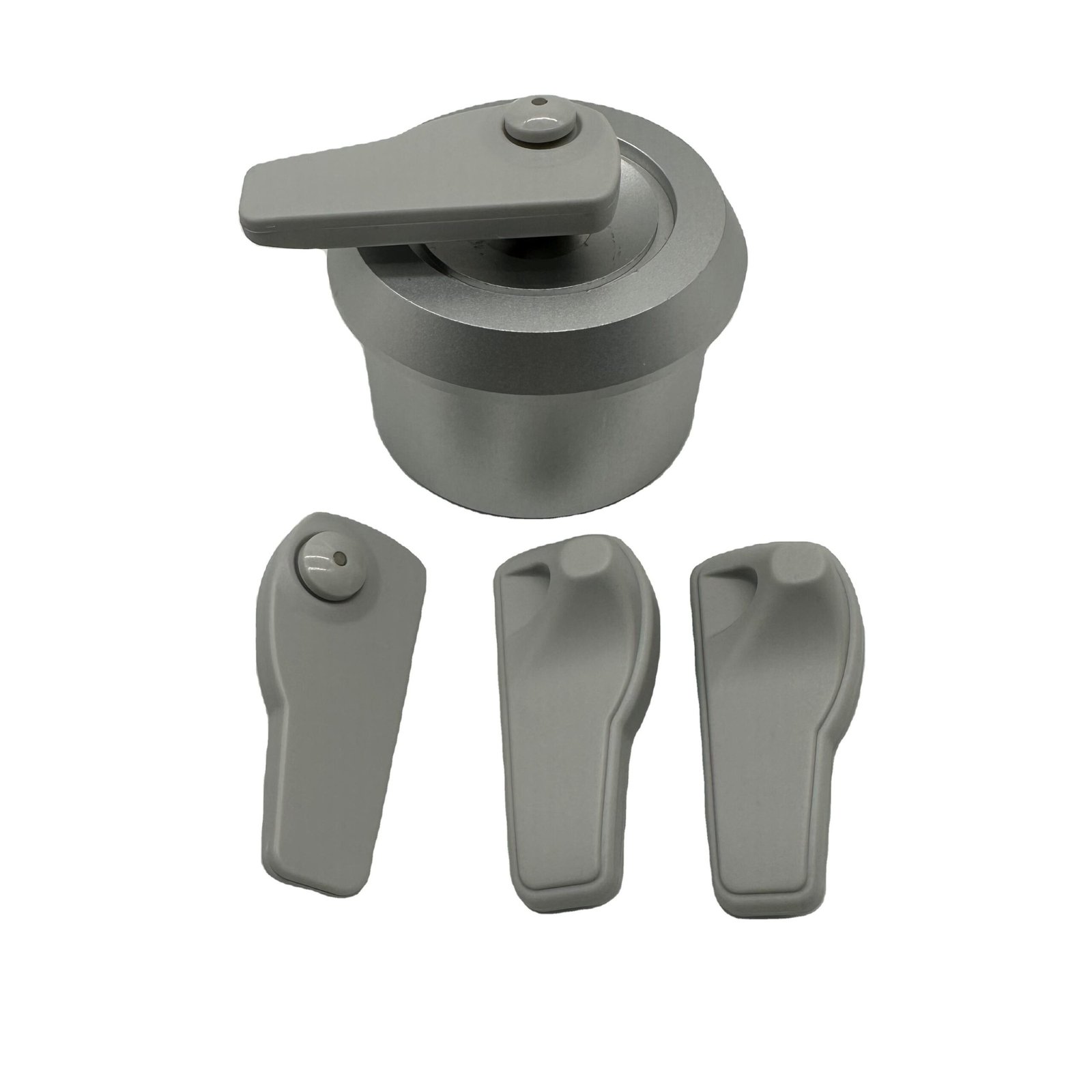
ABS Plastic RFID Clothing Security Tags – Magnetic EAS Hard Tags for Retail Anti-Theft
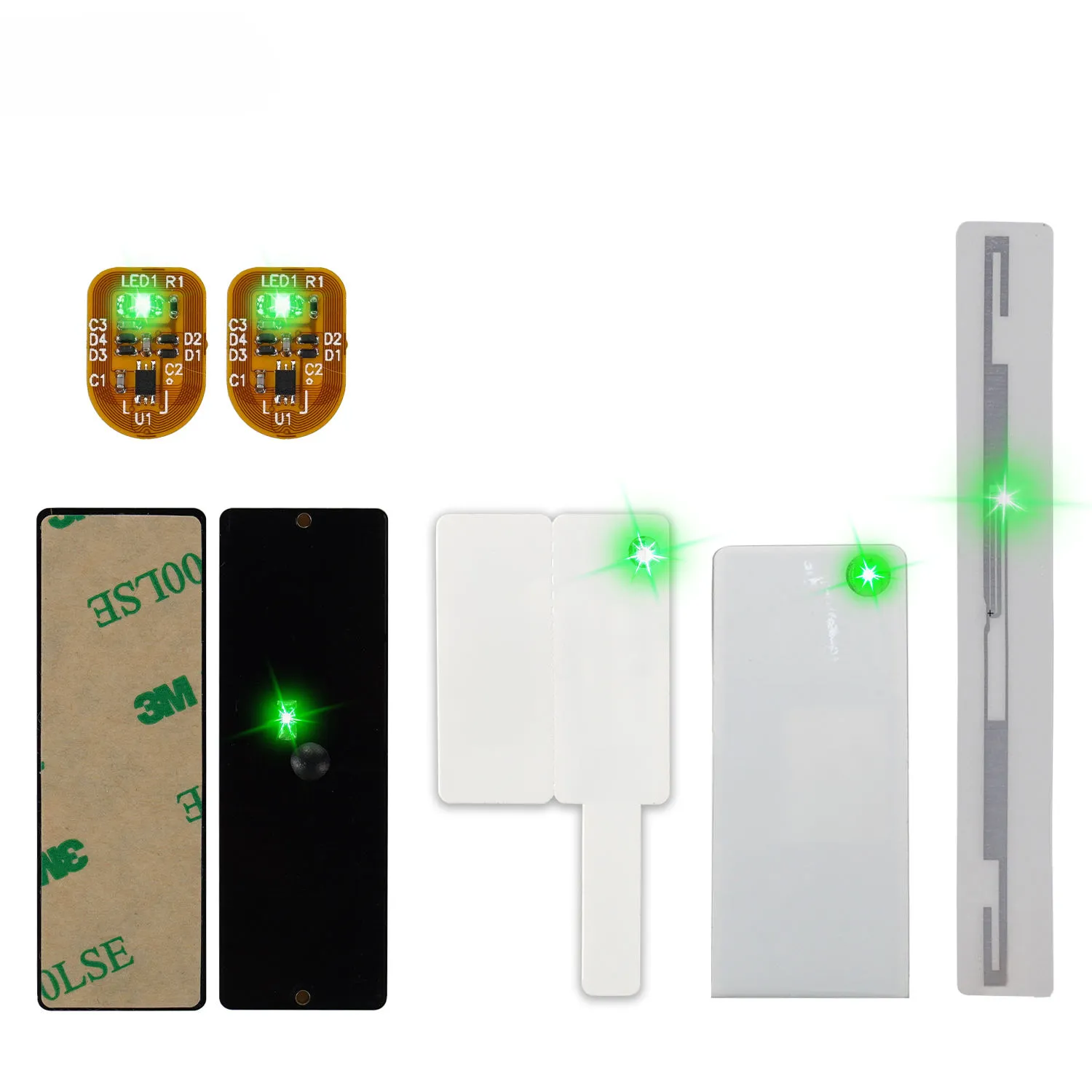
EPC Gen2 Passive RFID Tags with LED Light – UHF RFID for Asset Management
UHF RFID Label Tag with LED Flash Light – Library Book & Document Management
Tamper-Proof High Security RFID Seal – RFID E-Seal for Containers & Cargo
High Security RFID Cable Seal – NFC & HF/UHF RFID Wire Seal for Containers, Trailers & Cargo
Secured Pull-Tight Tamper-Proof Metal RFID Shipping Container Lock – Lead Security Seal for Trailers, Ships & Cargo
UHF RFID Stickers & Tags – Passive RFID Label Solutions for Inventory Tracking & Anti-Theft
Access Control iButton Key Fob – Dallas DS1990A-F5 Touch Memory ID Key
Flexible High-Temperature Resistant UHF RFID Tag – Passive FPC Corrosion-Resistant Label
Custom Printed Waterproof UHF RFID Label – High-Temperature Resistant RFID Tag Chip
UHF Mini RFID Tire Patch Tag – Long Range Passive Tire Management Tag (860–960MHz)
UHF RFID Tire Tag – High Temperature Resistant Tire Asset Tag & Label for Vehicle Management
High Quality 860–960MHz UHF RFID Washable PPS Coin Laundry Tag with Hole
Industrial & Hospital RFID Laundry Tag – Slim UHF Transponder for Clothes & Bed Sheet Textile Management
Kyrplink UHF RFID Laundry Washing Tag – 860–960MHz Reusable UCODE 8 Washable Laundry Label (200 Cycle Life)
UHF Textile Apparel RFID Laundry Chips – Linen Management Laundry Tag for Hotels
Long Range NFC + UHF RFID Tamper-Proof Windshield Dual Tag – ISO14443A & ISO18000-6C
Thin Tamper-Proof Passive RFID High-Frequency Small FPC NFC Tag
Gas Cylinder & Oxygen Bottle Tank UHF RFID On-Metal Leather Tag – Inventory Tracking & Management
Cheap UHF RFID Label – Custom Passive Smart Label Sticker Tag for Asset Tracking
ABS Anti-Metal UHF RFID Tag for Asset Tracking
HF RFID Fragile High-Security Labels – Tamper-Proof S50/S70 13.56MHz Blank Paper RFID Smart Tag
RFID Beacon Industrial IoT System – RSSI BLE Beacon Tag for Proximity Marketing & Asset Tracking
R-PVC Eco-Friendly RFID Card – 13.56MHz Blank NFC EV Charging Card for Sustainable Access Control, Transportation & Cashless Payment
RFID UHF Carrier Tag – Unlimited Read & Write Fujitsu ISO15693 Industrial RFID Tag for Small Pallets, Logistics & Smart Manufacturing
Printable Inkjet MIFARE RFID Card – Secure NFC Smart Card for Car Access Control, EV Charging, Membership & Cashless Payment
Industry 4.0 RFID Tag – High-Frequency 30mm Industrial Code Carrier for Automation, Smart Factory, and Manufacturing Execution Systems (MES)
Industrial Carrier UHF RFID Tag – High-Temperature Resistant, Waterproof PPS Encapsulated RFID Landmark Tag for Manufacturing, Logistics & Asset Tracking
UHF On-Metal Label RFID Tag (Silverline Printable) for Asset Tracking – NFC & RAIN UHF Labels
High-Quality Luxury RFID Metal NFC Business Cards – Custom Blank Stainless Steel Smart Cards with NTAG213 / NTAG215 / NTAG216 Chips for Membership, Access Control & Corporate Branding
Custom RFID Metal Card – 13.56MHz NFC Stainless Steel Smart Card for Membership, Access Control & Luxury Branding
Customized RFID Animal Ear Tags – NFC Communication Livestock Identification Tags for Cattle, Sheep & Pigs
Mini UHF RFID Foot Ring with GPS Tracking – Smart 860–960MHz Tags for Pigeons, Racing Birds & Poultry Management
RFID Bird Foot Ring Tags – LF & HF Smart Tracking Rings for Pigeons, Chickens, Ducks & Poultry Management
UHF RFID Livestock Ear Tags – FDX-B / HDX NFC Animal Identification Chips for Cattle, Sheep, Goats & Pigs
Top-Quality UHF Livestock RFID Ear Tags – Long-Range TPU Animal Identification Tags for Cattle, Sheep, and Pigs
Christian Leather Bracelet with Daily Bible Verse – Cross Wristband for Men & Women with NFC Tap Uplink for Faith Sharing & Personalized Scripture
Disposable NFC Tyvek Wristband – Waterproof RFID Thermal Printable Event & Promotional Bracelet with Custom Logo and Ticket Encoding
High-Quality Tyvek & Thermal RFID Hospital Wristbands – Red Printable Identification Bracelets with RFID Integration for Patient Safety & Event Access
13.56MHz Leather NFC Wristband – Smart RFID Bracelet with NTAG213 / Mifare Ultralight C Chip for Hotels, Gyms, Events & Access Control
NFC Coconut Shell Bracelet – Eco-Friendly RFID Smart Wristband with Leather Magnetic Buckle for Hotels, Resorts, Gyms & Business Events
Disposable F08 Chip RFID Wristband – Synthetic PP Paper Smart Bracelet for Events, Festivals, Hospitals & Access Control
Customized Logo Print Synthetic Paper Wristbands – Personalized Tyvek Event ID Bracelets with Barcode & QR Code for Concerts, Festivals & Access Control
Dogbone Inlay RFID Foam Tag (M830) – Marathon & Triathlon Race Timing