RFID Library Management & Book Tracking System

The modern library is undergoing a significant transformation. No longer just a repository of books, today’s libraries are dynamic knowledge hubs where efficiency, accessibility, and user experience are critical. Traditional systems relying on barcodes and manual labor are often unable to meet the growing demands of patrons and staff. Slow checkouts, mis-shelving, resource loss, and costly inventory cycles all contribute to inefficiencies.
The RFID Library Management & Book Tracking System leverages radio-frequency identification (RFID) technology to automate and streamline operations across the entire library ecosystem. From cataloging and encoding, to shelving, to self-service kiosks, to theft prevention, to real-time inventory control — RFID enables a seamless, integrated, and intelligent system.
This solution is particularly valuable for public libraries, academic institutions, research archives, community reading rooms, and even bookstores seeking a hybrid model of lending and retail. By integrating RFID with existing Library Management Systems (LMS/ILS), libraries can significantly improve operational efficiency, enhance patron satisfaction, and ensure data-driven collection management.
2. Challenges in Library Operations
Despite digital advancements, libraries worldwide face common challenges:
Manual inefficiency: Traditional barcode scanning requires one-by-one processing, creating bottlenecks at circulation desks.
Long queues & staff overload: High-traffic periods overwhelm limited staff, frustrating patrons.
Mis-shelving & lost books: Books often end up in the wrong section, leading to reduced findability of popular resources.
Inventory complexity: Annual or semi-annual stocktaking consumes enormous time and resources, often requiring partial or full closures.
Theft & loss prevention gaps: Legacy security gates frequently produce false alarms or fail to detect unauthorized removals.
Data silos: Circulation, usage, and collection data are fragmented, limiting insights for decision-making.
The goal is clear: libraries need a scalable, integrated system that automates circulation, prevents resource loss, reduces labor costs, and enables data-driven collection optimization.
3. RFID Library Management System Overview
The RFID Library Management & Book Tracking System is a comprehensive solution that combines hardware, software, and data analytics into a unified platform. It is designed to:
Automate circulation workflows: Self-checkout/return kiosks allow patrons to process multiple books at once, reducing wait times.
Ensure accurate shelving: Smart carts and handheld devices guide staff to correct shelving and identify misplaced items.
Secure collections: RFID-enabled gates prevent theft and unauthorized removals with high accuracy.
Enable real-time inventory: Staff can complete stocktaking in hours instead of days, scanning thousands of books per hour.
Integrate seamlessly with ILS/LMS: APIs ensure smooth synchronization of circulation data and catalog updates.
Deliver actionable insights: Analytics dashboards reveal borrowing trends, popular titles, and collection usage for better decision-making.
By combining efficiency, accuracy, and security, RFID empowers libraries to evolve into smarter, more user-centric institutions.
Why Choose RFID Library Management & Book Tracking System
- Bulk Reading Capability: Process multiple books simultaneously without line-of-sight scanning.
- Self-Service Efficiency: Reduce checkout/return transaction times from minutes to seconds.
- Enhanced Security: RFID-enabled gates with AFI/EAS reduce theft with <0.1% false alarm rate.
- Real-Time Inventory: Staff can scan 2,000–4,000 books per hour, compared to 400–600 with barcodes.
- Accurate Shelving: Mis-shelved items are instantly detected, increasing book findability.
- Seamless Integration: Compatible with leading ILS/LMS platforms through SIP2, NCIP, and REST APIs.
- Patron Satisfaction: Reduced queues, greater self-service autonomy, and improved accessibility features.
- Operational Cost Savings: 50–80% reduction in staff time spent on circulation and inventory tasks.
Application Scenarios
Automated Book Check-in & Check-out

RFID transforms the traditional library lending process by eliminating the need for manual barcode scanning. Each book is embedded with an RFID tag, and self-service kiosks or staff-operated stations can read multiple tags simultaneously. Patrons simply place a stack of books on the kiosk reader, and the system instantly records the check-out or return.
Faster Operations: Transactions that once took several minutes can now be completed in seconds, even with multiple books.
Improved Accuracy: Human error from manual scanning is minimized, ensuring accurate borrowing records.
User Empowerment: Self-check machines reduce wait times and give patrons more independence, enhancing the user experience.
Integration with Fines & Notifications: When overdue books are returned, the system can automatically update fines, send reminders, or trigger alerts to users via email or mobile apps.
This streamlined approach reduces queues, saves staff time, and creates a modernized, customer-friendly environment.
Real-time Inventory & Shelf Management

Traditional shelf management requires librarians to scan barcodes one by one or conduct labor-intensive manual checks. With RFID, handheld readers can scan hundreds of books per second—even from a distance—while staff walk along the shelves.
Quick Shelf Audits: Instead of days of manual counting, an entire library’s inventory can be audited within hours.
Misplaced Item Detection: The handheld reader can beep or vibrate when a specific missing book is located, reducing “lost” book cases.
Optimized Space Utilization: Data shows which sections are frequently used, helping librarians reorganize shelf layouts to better serve demand.
Dynamic Updates: Any discrepancies between the catalog and physical books are flagged instantly, ensuring a real-time, accurate library database.
This scenario is particularly useful for large university or public libraries, where managing collections of millions of items becomes much more efficient with RFID.
Anti-theft & Security Gates

Library materials are valuable assets, and theft or unauthorized removal of books can result in significant financial loss. RFID-enabled security gates at library exits automatically detect any book not properly checked out.
Instant Alerts: Unauthorized removals trigger audible alarms or silent notifications to staff.
Integrated Surveillance: The RFID system can be linked to CCTV for instant visual verification of suspicious activity.
Non-intrusive Security: Unlike traditional barcodes with magnetic strips, RFID gates work seamlessly without the need for extra steps from users.
Statistical Reporting: Libraries can analyze attempted theft patterns, including peak times or commonly targeted items, to refine security measures.
This provides peace of mind for both library administrators and patrons, creating a secure environment without interrupting the user experience.
Digital Asset Tracking (Multimedia & Special Collections)

Libraries are no longer limited to books—they also manage DVDs, CDs, maps, manuscripts, and digital devices such as tablets or laptops. RFID provides a unified solution to track all assets regardless of format.
Special Collection Management: Rare books or manuscripts can be tagged to monitor handling, movements, and usage.
Device Checkout: Tablets, e-readers, and other tech devices can be tracked using the same RFID infrastructure, ensuring they are returned on time.
Multi-format Support: The system can manage books, multimedia, and digital tools in a single database, providing librarians with a complete overview.
Preservation Support: Historical or fragile materials can be monitored with less physical handling, reducing damage risk.
By extending RFID’s scope beyond books, libraries can modernize operations while preserving cultural heritage.
How It Works: Deployment Process

Cataloging & Encoding: Bibliographic data is created in the LMS; encoding stations write this data onto RFID tags with AFI/EAS protection.
Labeling & Shelving: Tags are attached inside books; smart shelving devices guide staff to correct sections.
Self-Checkout & Return: Patrons check out or return multiple books within seconds using kiosks and book drops.
Security Integration: Unauthorized removals trigger alarms at RFID gates with event logs for traceability.
Mobile Inventory & Mis-shelving Detection: Staff scan shelves using handheld PDAs to quickly reconcile inventory and correct misplaced items.
Data Analytics: Usage, borrowing frequency, and stock levels are analyzed for procurement, collection development, and operational optimization.
Specifications
| Component | Specification |
|---|---|
| RFID Tags | HF 13.56MHz ISO15693/14443, AFI/EAS supported, library-grade adhesive |
| Encoding Station | Bulk encoding of barcodes/catalog data onto RFID tags, consistency validation |
| Self-Service Kiosks | Multi-item checkout/return, receipt printing, LMS integration |
| Security Gates | AFI/EAS functionality, <0.1% false alarm rate, event logging |
| Handheld PDA | 2,000–4,000 books/hour scanning, Wi-Fi sync, mis-shelving detection |
| Middleware Platform | Device integration, buffering, retry logic, logging, analytics interface |
| APIs | SIP2, NCIP, REST API for LMS integration |
| Analytics Dashboard | Circulation patterns, usage statistics, heat maps, device performance |
ROI & Business Value
Labor Savings: Reduction of 50–80% in staff workload for circulation and stocktaking.
Higher Patron Satisfaction: Shorter queues, better book availability, and improved accessibility.
Collection Optimization: Data-driven acquisitions and withdrawals reduce wasteful spending.
Enhanced Security: Losses reduced significantly through accurate RFID gate monitoring.
Scalability: Supports single-branch community libraries to nationwide public library systems.
FAQ
Q1: Which is better for libraries, HF or UHF RFID?
Q2: How does it integrate with my existing LMS?
Q3: How can false alarms at gates be reduced?
Q4: Is retrofitting existing collections difficult?
Q5: Is the system accessible for diverse patrons?
Recommended Products
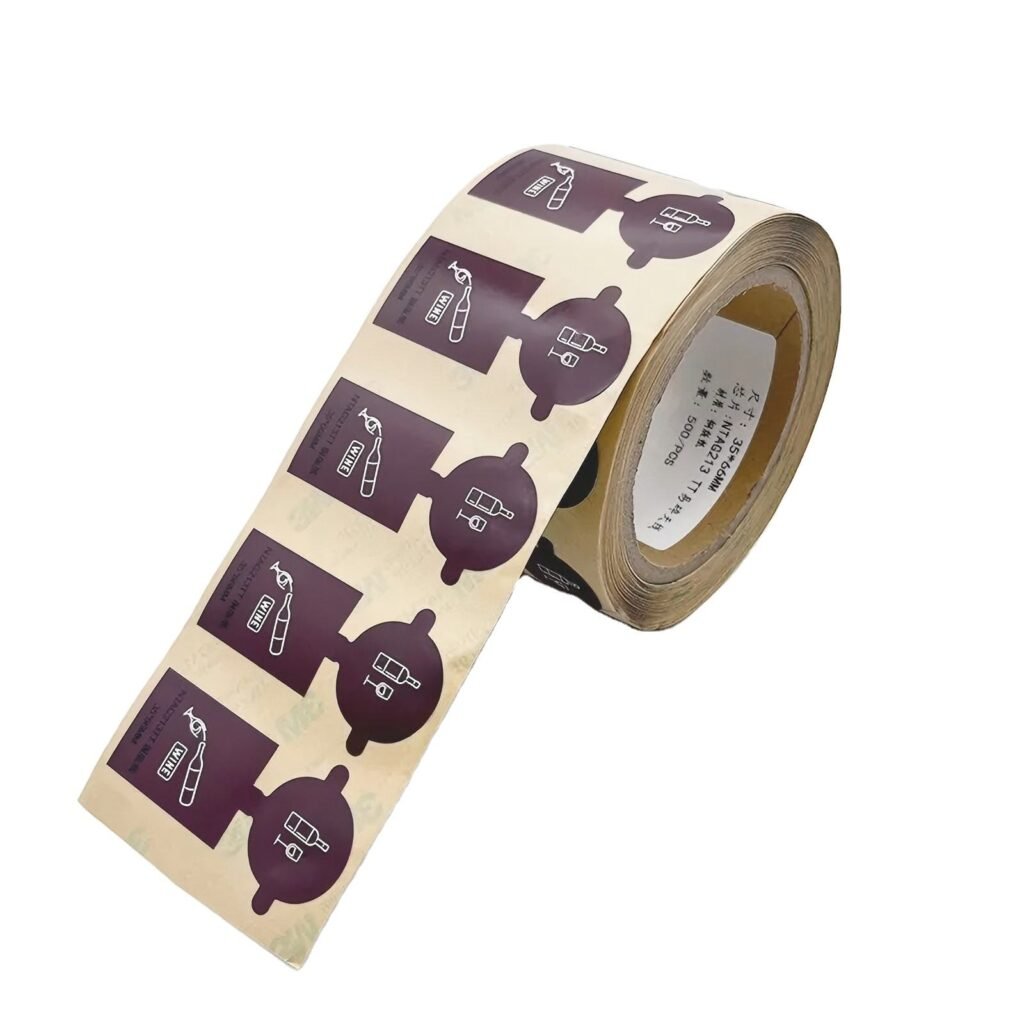
Anti-counterfeiting Tamper-proof Disposable NFC RFID Labels – Fragile Breakable Smart Label for Wine Bottles, Liquor Packaging, Cosmetics & Brand Protection

Reusable NFC RFID Sticker Tag – 10mm Mini Rewritable NFC Chip Label (Free Sample Available)

ISO 18000-6C UHF RFID Inlay – 860–960MHz Writable Passive RFID Label & Tag Sticker
Get A Quote
Contact us to discuss your livestock or pet tracking needs. Our experts will recommend the right tags, readers, and software for your specific project.