01
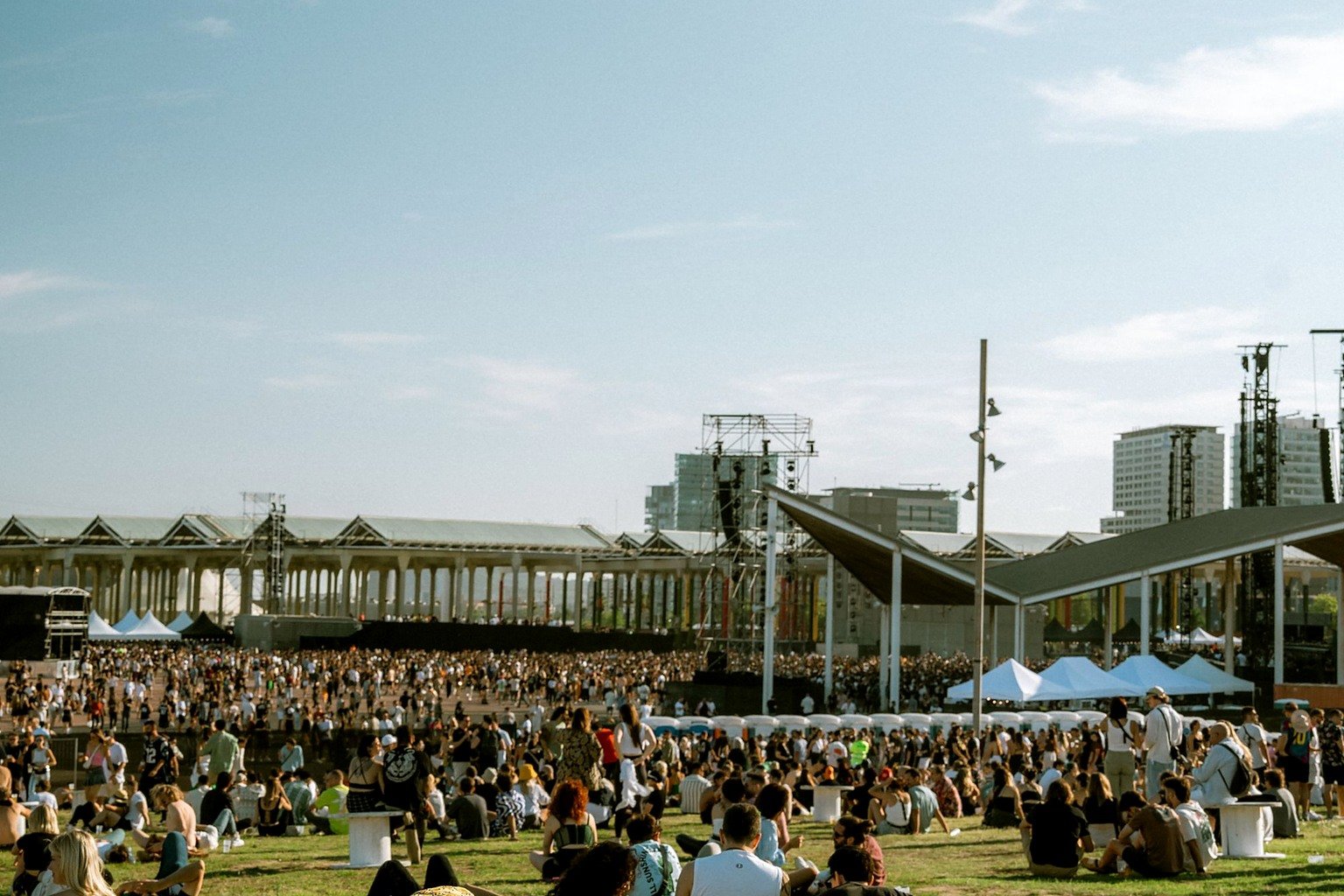
Gate queues at peak arrival
Visual ticket checks and barcode scans slow down exactly when everyone arrives at once, and the queue becomes a safety issue.
Events, Festivals & Venues · RFID Wristbands
Every Ticket Check Is a Queue at the Gate.
Wristbands encoded for your ticketing and cashless platform: one tap at the gate, zone access by ticket type, cashless bars, lockers and re-entry, and a record of every entry.
Catalogue specifications. Tap and read range depend on the reader and the antenna layout.
Plan your projectPain points on site
Before the pilot, this is the starting point most operations recognise.
Visual ticket checks and barcode scans slow down exactly when everyone arrives at once, and the queue becomes a safety issue.
Printed tickets are copied, and one ticket gets several people in by being passed back over the fence.
Without entry and exit reads, the headcount per zone is an estimate, and capacity limits are managed by eye.
Backstage and hospitality access is checked against printed lists and coloured stickers that are easy to share.
Cash and card payments make queues at bars and stands, and the organiser cannot see spend by stand until the takings are counted.
How the solution works
System rollout
Ten steps counted back from the event day, with who does each one and how long it usually takes. Production starts only after samples pass on the platform’s own readers.
You getCredential and zone plan.
You getConfirmed chip and encoding format.
Common mistakeOrdering bands before the platform has confirmed the chip.
You getGate plan with lanes, readers and staff.
Common mistakeSizing gates from total attendance instead of the peak.
You getSigned-off artwork and samples.
You getBands and data file delivered.
You getGates, cashless and timing set up.
You getTest log signed off.
You getEvery attendee banded.
You getEvent log.
You getClose-out report.
Tags & hardware
One row for each kind of attendee or credential. The ticketing or cashless platform decides the chip, so the chip is listed with its tap or read range.
One day, then thrown away
Worn day and night
Wet, and used again
Restricted zones
Low cost, disposable
Entry gates, zone gates and exits
Supplied by your ticketing or access platform. We encode the bands for their readers and test samples on them before the order.
Bars, food and merchandise
Supplied by your cashless or ticketing platform. We match the band chip to their terminals.
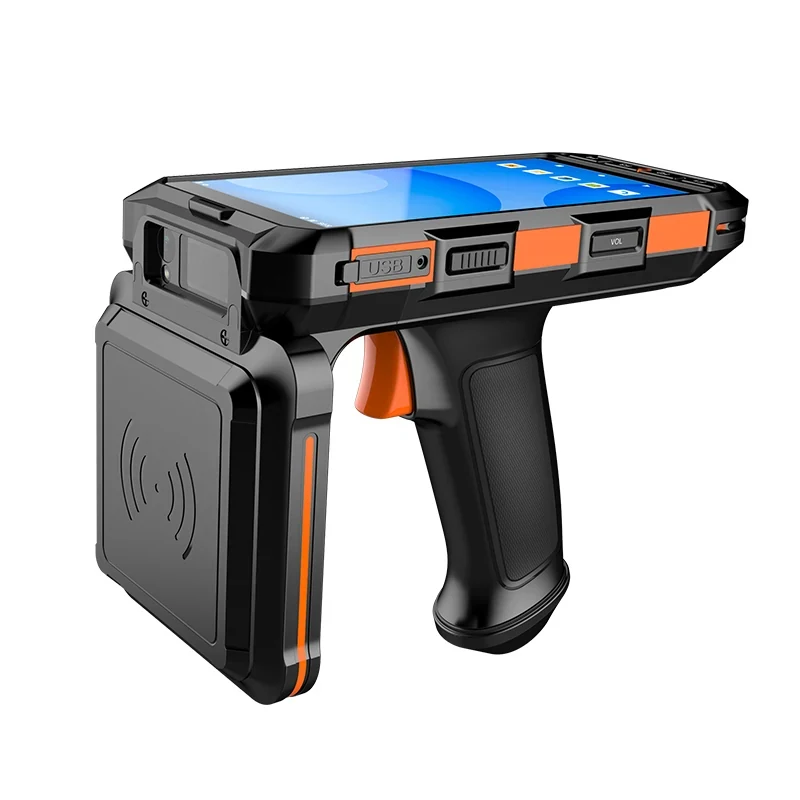
Gate staff and help desks
Android 13. Checks bands, looks up attendees and handles exceptions.
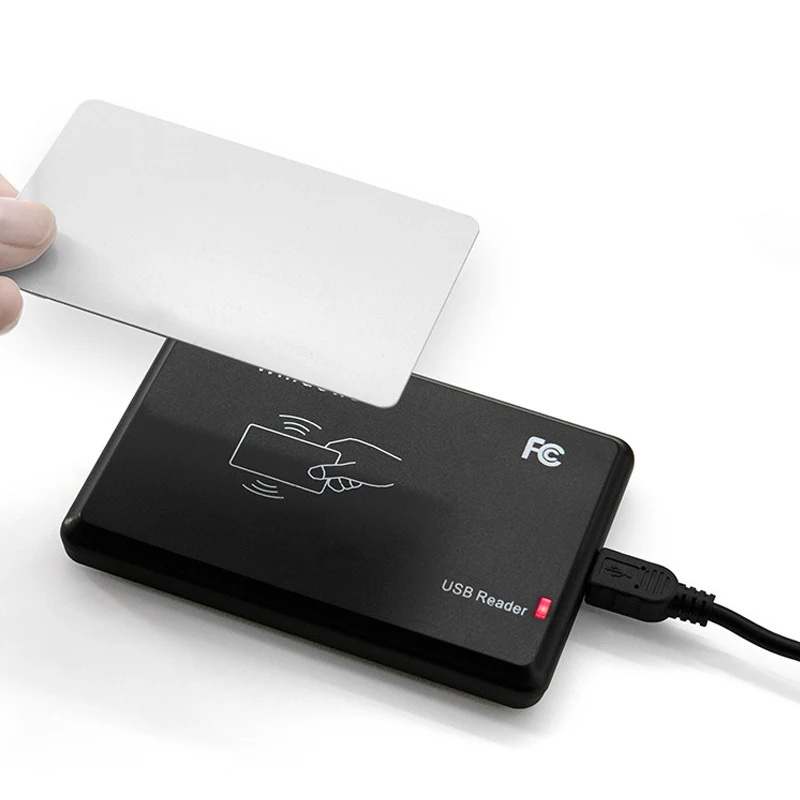
Box office and registration desk
13.56 MHz and 125 kHz. Reads the band number so staff can link it to a ticket or a top-up account.
Before we quote
Pick what matches your event. Each answer shows what it calls for, and the summary goes to our engineers with your enquiry.
Before a volume order
Each one is cheap to settle weeks ahead and impossible to fix on opening day.
Bands with a chip the gate readers cannot validate stop the whole entrance on opening day.
Gates sized for average arrivals queue for an hour when most attendees turn up in the same twenty minutes.
A single-day Tyvek band on a four-day festival falls apart; a re-usable silicone band given to every day visitor costs far more than it needs to.
Late artwork or a failed sample pushes production past the event date, and there is no second chance.
Related products
Hand-picked from the catalog for this use case, not an automatic industry match. Swipe or use the arrows to see all 9.

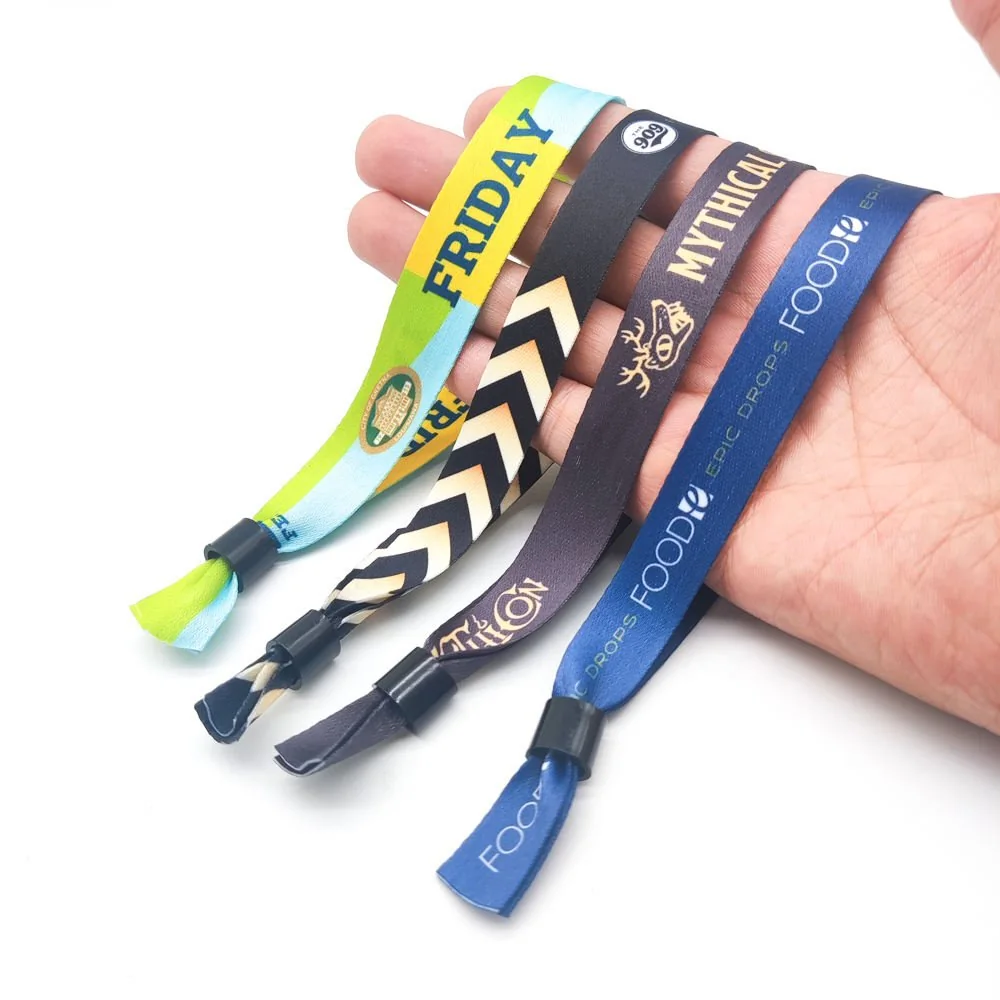
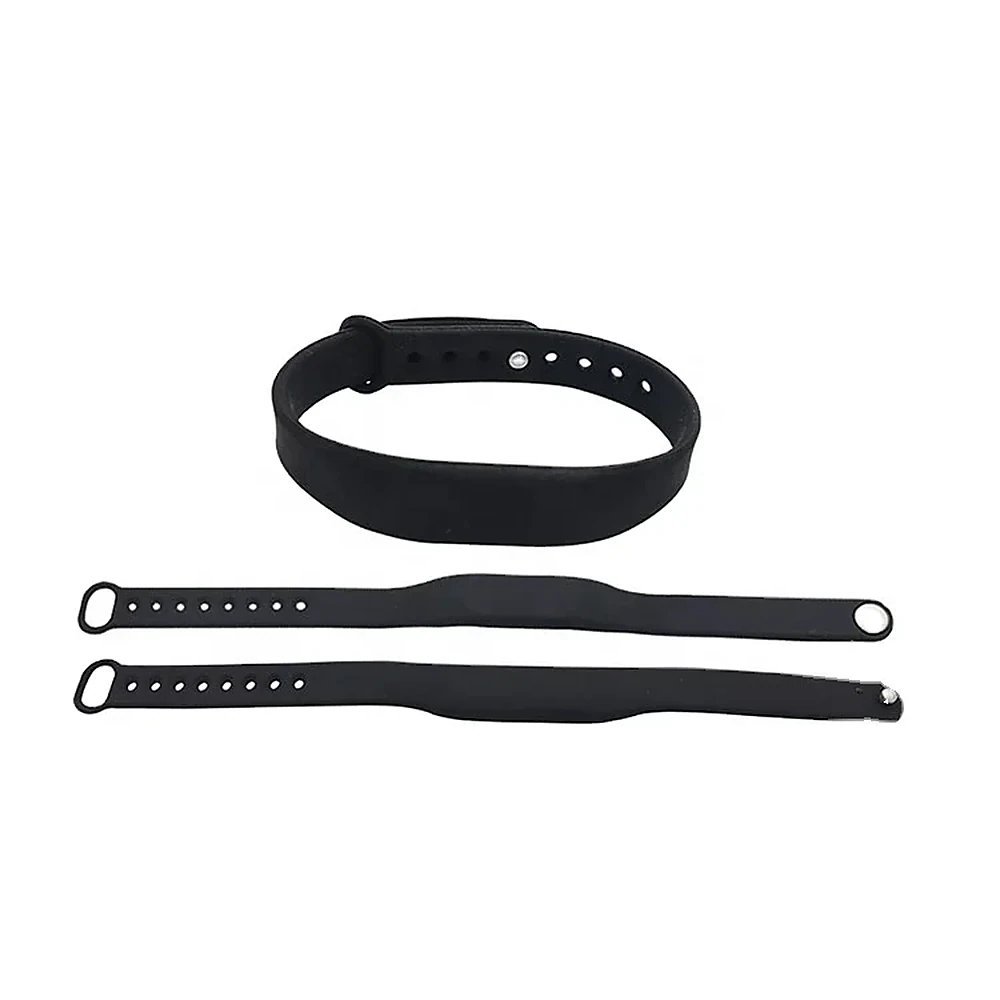


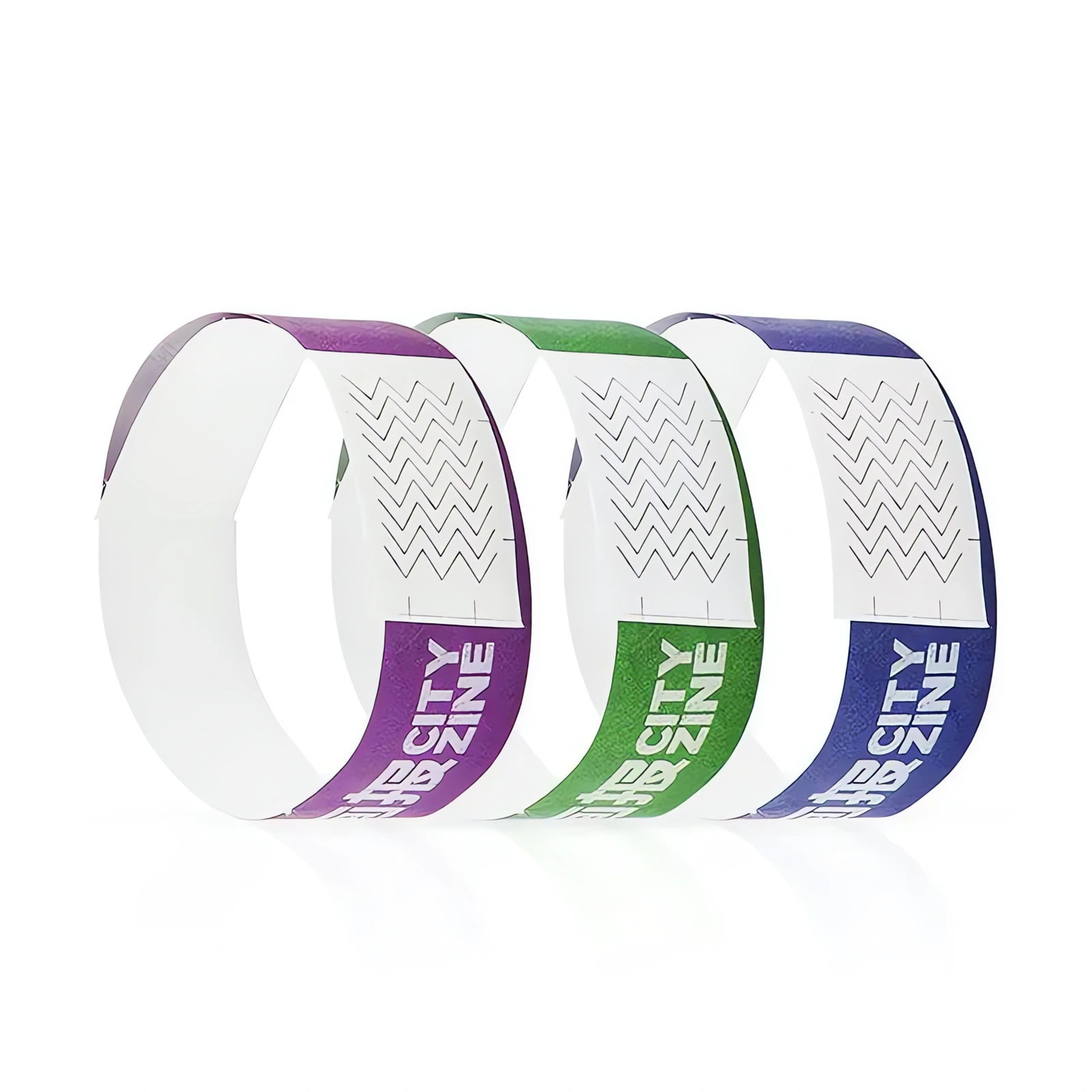
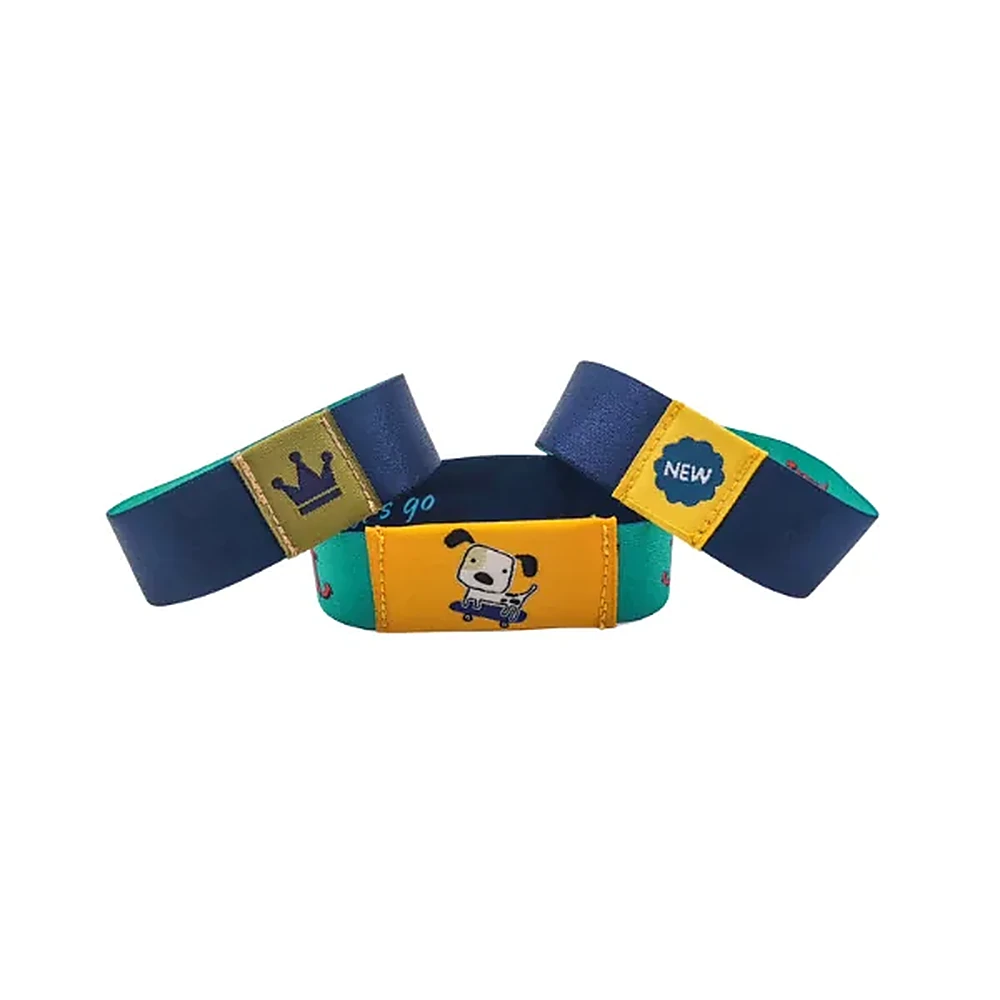
Choose by how long it must last: Tyvek for a single day, fabric for multi-day festivals where guests sleep and shower in the band, silicone for water parks and season passes, and rigid PVC for crew and VIP.
Work it out from your peak arrival rate: attendees arriving per minute at the busiest time, divided by what one lane processes per minute, plus spares. It is a capacity calculation, not a guess.
Yes. This is the usual festival set-up and the main reason organisers adopt RFID; the cashless platform must read the same chip as the gates.
Ask the platform which chip family and memory it reads (commonly NTAG213, MIFARE Classic 1K or Ultralight EV1) and whether it uses the UID only or writes data. We encode to match and test samples on their readers.
Yes: full-colour printing, sponsor branding and sequential numbering, encoded to your attendee list with a data file for the platform.
Single-use bands use a one-time closure that tears if the band is removed. Re-usable bands are better kept for staff and season passes.
No. A passive wristband has no battery and is read only when it is held within a few centimetres of a reader, at a gate, a bar or a locker. The event sees those taps, not where a person walks.
Yes. Race timing has its own page: UHF timing tags on the bib, mats or overhead antennas at the start, splits and finish, and results per runner.
The reader validates against an attendee list. Most systems cache the list locally, so gates keep working if connectivity drops and sync afterwards. Confirm this with your ticketing platform.
Keep a help desk with a handheld at every entrance: check the band, look the attendee up and replace the band if it is damaged. Keep spare bands on site.
Build a matched pilot
We will narrow the construction and sample set around your real operating conditions.
Get the latest news, case studies, and product updates from FYRFID delivered to your inbox. No spam — unsubscribe any time.
Thanks for subscribing — we’ll be in touch.
We couldn't subscribe you right now. Please try again.