Home
Products
About
Solutions
Resources Contact Get Your Quote
RFID Logistics & Supply Chain Tracking

Logistics & Supply Chain · UHF RFID

Every Handoff Is Where Stock Goes Missing.

RFID Logistics & Supply Chain Tracking

Labels that verify the load at dispatch, seals that prove a container was not opened, vehicle tags that log every gate pass, and permanent tags that keep returnable pallets and crates coming back.

  • Short or wrong loads found at the customer
  • Seals checked by eye, if at all
  • Returnable pallets and crates lost between sites
3-7 mRFID e-seal read range
6-12 mWindshield tag range at the gate
UHF + NFCCable seal, reader or phone

Catalogue specifications. Read range depends on the reader, antenna, mounting surface and tag orientation.

Plan your project

Pain points on site

Where the operation loses time, stock or control

Before the pilot, this is the starting point most operations recognise.

01

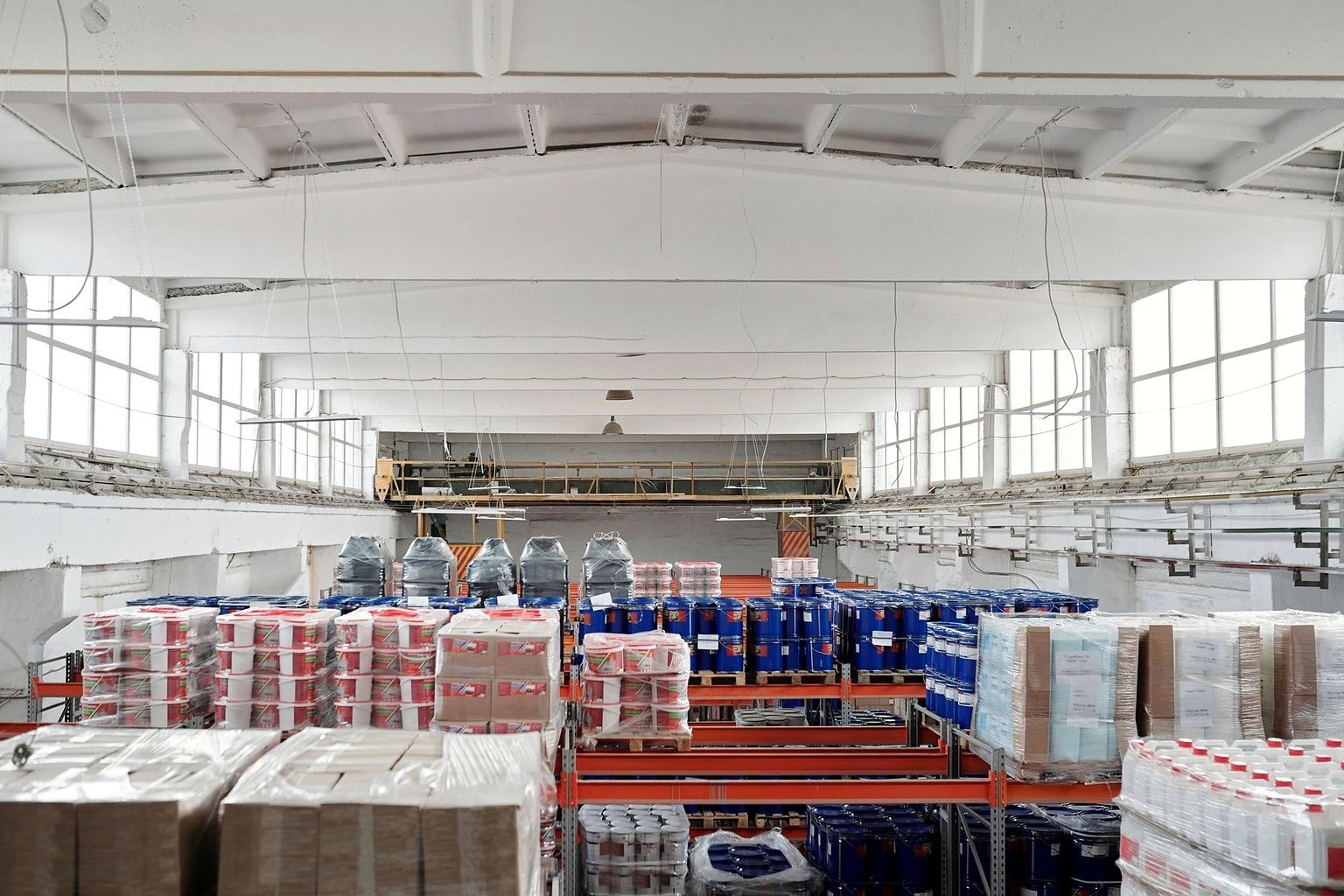
Short or wrong loads are found at the customer

Loads are checked by eye at the dock, at speed. The missing or wrong carton turns up as a customer claim days later, and nobody can say which leg lost it.
02

A seal number on paper proves very little

A handwritten seal number does not show whether the seal was swapped on the way, so a tampering claim has no evidence either side.

03

Trucks wait at the gate, and times are disputed

Arrivals and departures are written in a logbook, so waiting time, detention charges and missed slots are argued with carriers.

04

Returnable crates and pallets vanish between sites

Returnable assets leave with loads and come back in smaller numbers, and nobody knows which customer or leg kept them.

05

Cartons are scanned one by one

Every carton is turned to find its barcode, so cross-dock and dispatch checks are slow and often skipped at peak.

06

Cross-docks leave no trail

Freight passes through a cross-dock in hours, and when something goes missing nobody can say on which leg.

How the solution works

From the dock door to the customer’s dock

TMS ⇄ WMS Loads, seals, gate times and container balances by shipment
Short load Seal mismatch Late at the gate Container balance

System rollout

From first lane to every site

Twelve steps in the order a logistics operation goes through them, with who does each one and how long it usually takes. Agreeing the numbering with partners and the TMS or WMS integration move the date most.

6-8 weeksOne dispatch dock, one gate and one receiving site
3-4 monthsSeveral sites, TMS or WMS integration and returnable assets

Who does it:FYRFIDYour IT or integratorYour operations team

Plan

01 Map the handoffs and measure the baselineFind the handoff that costs most, and record today’s numbers so the result can be proven. 1-2 weeksYour operations teamFYRFID
  • List every handoff: dispatch dock, yard gate, container sealing, cross-dock, receiving partner
  • Pick the one with the most disputes or losses to start with
  • Measure today: short-shipment claims per month, minutes per truck at the gate, seal exceptions, returnable assets lost
  • Agree the pass marks for the pilot

You getHandoff map, baseline figures and pilot pass marks.

Common mistakeStarting at every site at once. One lane, end to end, proves more.

02 Survey the sitesCheck every read point in person, at both ends of the lane. 1-2 weeksFYRFIDYour operations teamYour IT or integrator
  • Dispatch docks: door widths, spacing, staging lanes
  • Yard gates: lane width, barriers, loop detectors, power and network at the gate
  • Container sealing points and the doors and hasps the seals go on
  • Vehicle windscreens: metallised tint or heated glass on any vehicle type
  • Loads: carton sizes, cartons per pallet, liquids or metal in the load
  • TMS, WMS and EDI systems at each site, and who maintains them

You getSurvey report per site, with read points marked.

03 Agree the numbering with partnersEvery site in the chain must be able to decode your tags. 1-2 weeksYour operations teamYour IT or integratorFYRFID
  • GS1 schemes: SSCC for pallets, SGTIN for cases, GRAI for returnable assets
  • Who holds the GS1 company prefix, and number ranges per site
  • How EPCs travel with the shipping notice (ASN or EDI)
  • What each receiving partner will read, and with what

You getWritten encoding agreement shared with every partner.

Common mistakeEach site inventing its own numbering. Tags then mean nothing at the next handoff.

04 Test samples on real loadsProve labels, seals and windshield tags where they will actually be read. 1-3 weeksFYRFIDYour operations team
  • Labels on real cartons and loaded, wrapped pallets
  • Seals on your actual container doors and trailers
  • Windshield tags on each vehicle type in the fleet
  • A temporary reader at one gate lane and one dock door: read zone and reads from the next lane
  • Label rolls on each dispatch printer model

You getTest report and final specifications for labels, seals and vehicle tags.

Build

05 Build the software and interfacesFYRFID supplies reader SDKs and demo software; the TMS or WMS side is built by your IT team or integrator. 2-6 weeks, alongside productionYour IT or integratorFYRFID
  • Middleware events: dispatched, gate in, sealed, received
  • Matching reads to the shipping notice, with alerts for a missing pallet, a seal mismatch or an unknown vehicle
  • Interface to the TMS or WMS, and the handheld app for sealing and proof of delivery

You getA working test system and an interface test record.

06 Produce tags and order hardwareQuantities come from shipment volumes and fleet size. 2-4 weeks lead timeFYRFID
  • Shipping labels, optionally pre-encoded with your SSCC ranges and a data file
  • Seals with their ID list; windshield tags for every vehicle plus spares
  • Carrier tags for returnable assets
  • Fixed readers, antennas, handhelds, printers, trigger sensors

You getEncoded tags and seals with their data files, and the hardware on site.

07 Install gates and docksCabling, mounting and fitting the vehicle and asset tags. 2-3 days per two doors or gate lanesYour IT or integratorYour operations team
  • Run power and network to each gate lane and dock door
  • Mount antennas at the designed height and angle; connect barrier or loop triggers
  • Set up printers at the dispatch stations
  • Fit windshield tags to the fleet and tags to returnable assets, binding each ID to its record

You getInstalled read points, and the fleet and assets tagged.

08 Commission and tuneEach read point is tuned with real trucks and loads. 3-7 daysYour IT or integratorFYRFID
  • Per lane and door: power, antenna angle, trigger timing, direction logic
  • Drive real trucks and loads through until missed reads and cross-lane reads meet the pass marks
  • Write down every final setting for maintenance

You getA commissioning record for every read point.

Go live

09 Train staff and partnersTraining at both ends of the lane. About 1 weekYour operations teamYour IT or integrator
  • Packers: label position and linking cartons to their pallet
  • Gate staff and drivers: the gate routine, sealing and checking a seal by phone
  • Receiving partners: reading the delivery and recording exceptions
  • SOPs for an unreadable label, a seal mismatch and an unknown vehicle

You getStaff trained at every site in the pilot lane.

10 Pilot one lane end to endOne dispatch dock, one gate and one receiving site, on live shipments. 2-4 weeksYour operations teamYour IT or integratorFYRFID
  • Run RFID alongside the current paperwork
  • Compare RFID counts with manual counts at both ends
  • Give every difference a cause: no tag, damaged tag, missed read, process not followed, or system fault
  • Review weekly and accept against the pass marks

You getPilot report and a go or no-go for the rollout.

11 Roll out site by siteAdd docks, gates and partners in order of the losses they carry. Site by siteYour operations teamYour IT or integrator
  • Commission each new read point the same way
  • Connect the remaining TMS or WMS transactions
  • Report returnable asset balances per customer

You getAll planned sites live.

Run

12 Accept the system and keep it runningProve the result against the baseline, then keep the read rate where it is. OngoingYour operations teamFYRFID
  • Compare claims, gate time, seal exceptions and asset losses with the baseline
  • Alert when a reader stops reporting
  • Reorder labels and seals on a schedule; replace damaged windshield tags
  • Audit read rates every quarter

You getAcceptance report and a maintenance plan.

Tags & hardware

Which tag for each item, and what reads it

One row for each thing you tag: what is shipped, what seals it, what carries it and what drives it.

What you tagTag typeSizeRead rangeWhat it doesRead by

Cartons and cases

One-way, printed at dispatch

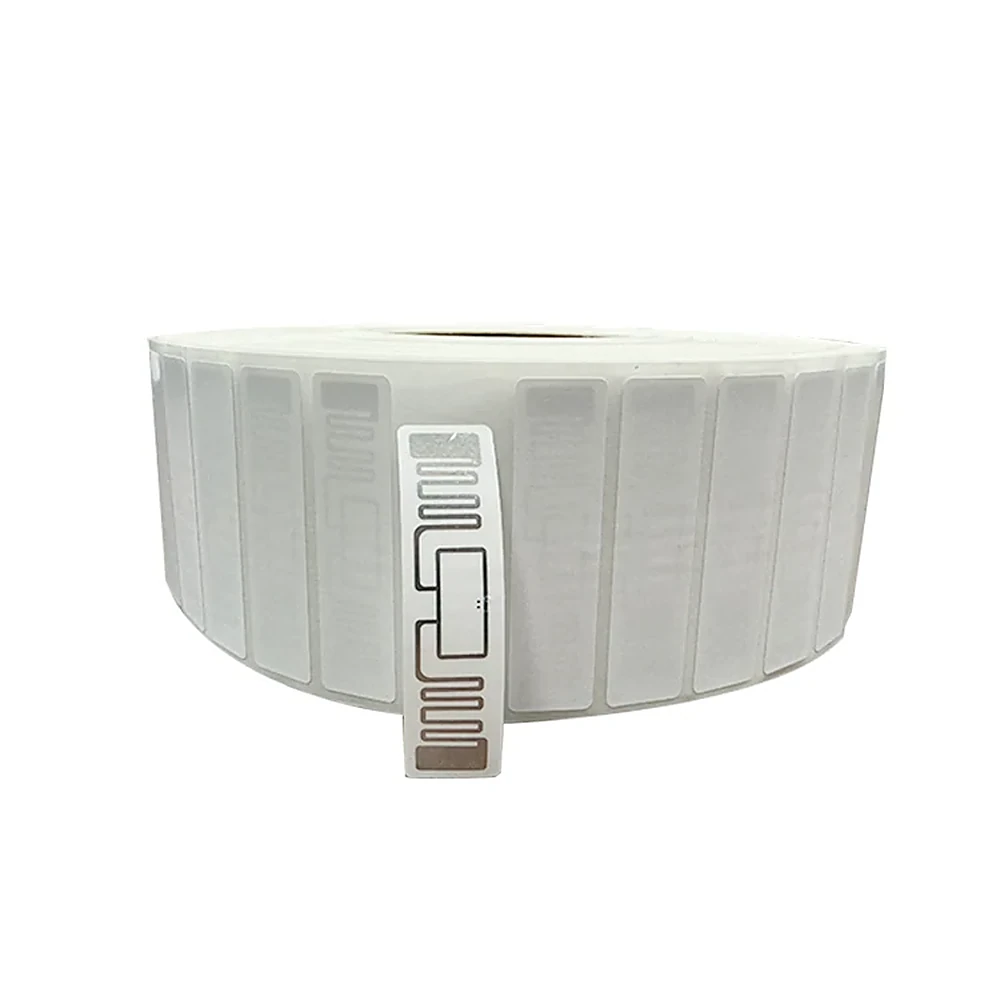
74×19 mm stock; custom die-cut
3-6 m
Encoded at dispatch and bound to its pallet, so one pallet read covers every carton.

Pallets

Shipping label on the wrap

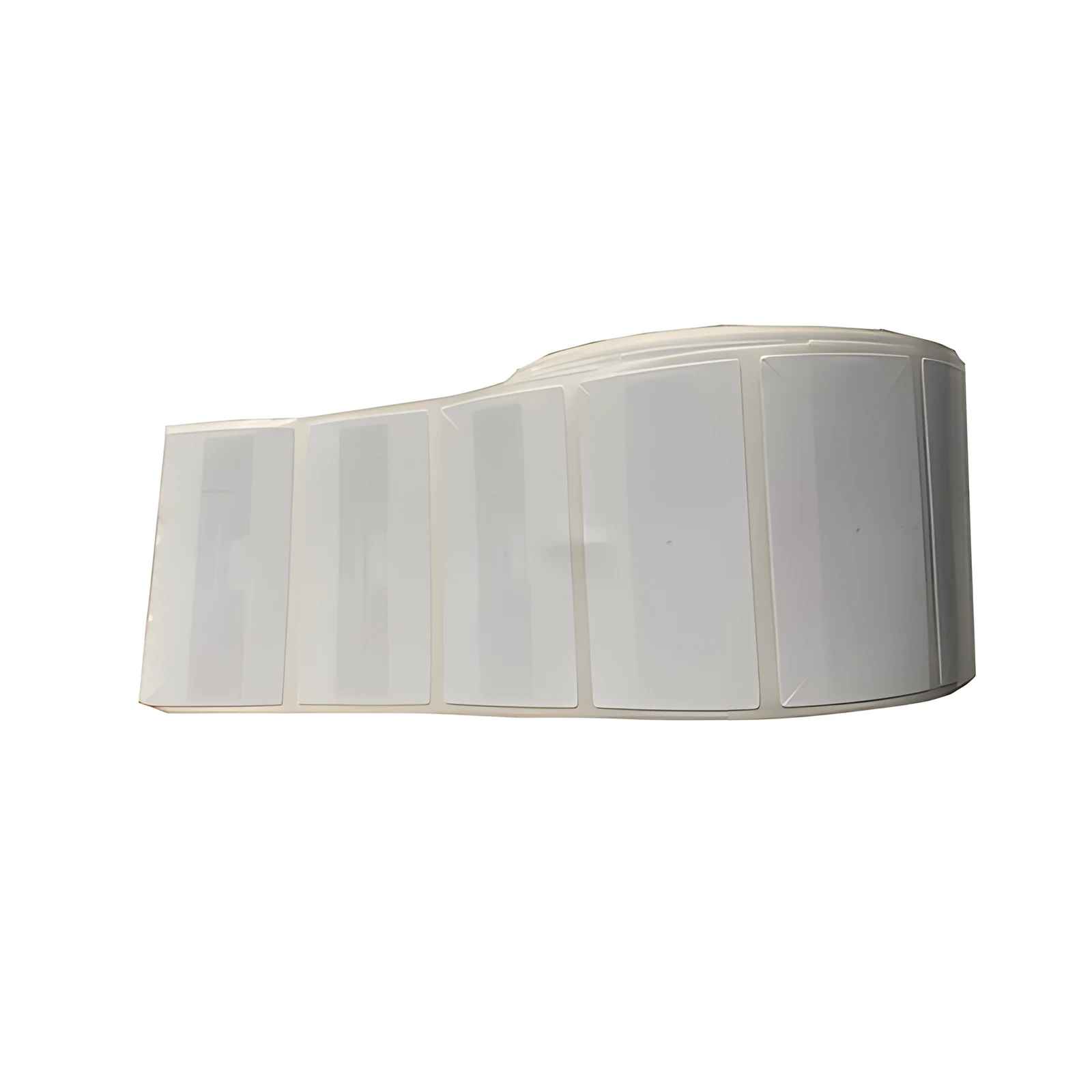
84×18, 85×22 or 116×49 mm
0-7 m
Long-range label for the pallet as a whole, read at the dock door.

Owned pallets, crates and cages

Returned and re-used

Compact hard tag
Up to 10 m
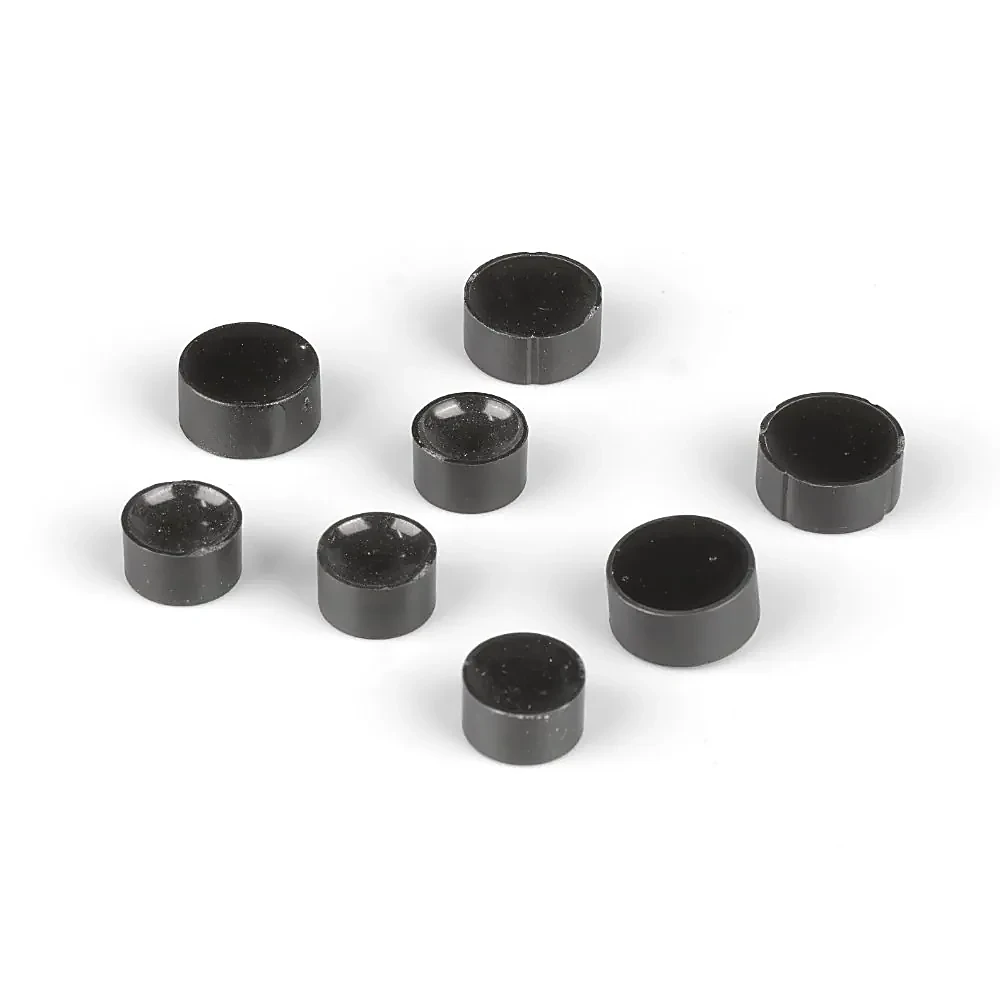
Permanent tag that survives washing, impact and weather; counts containers out and back. IP68.

Container and truck doors

Door handles

260 mm strip
Read with a UHF handheld
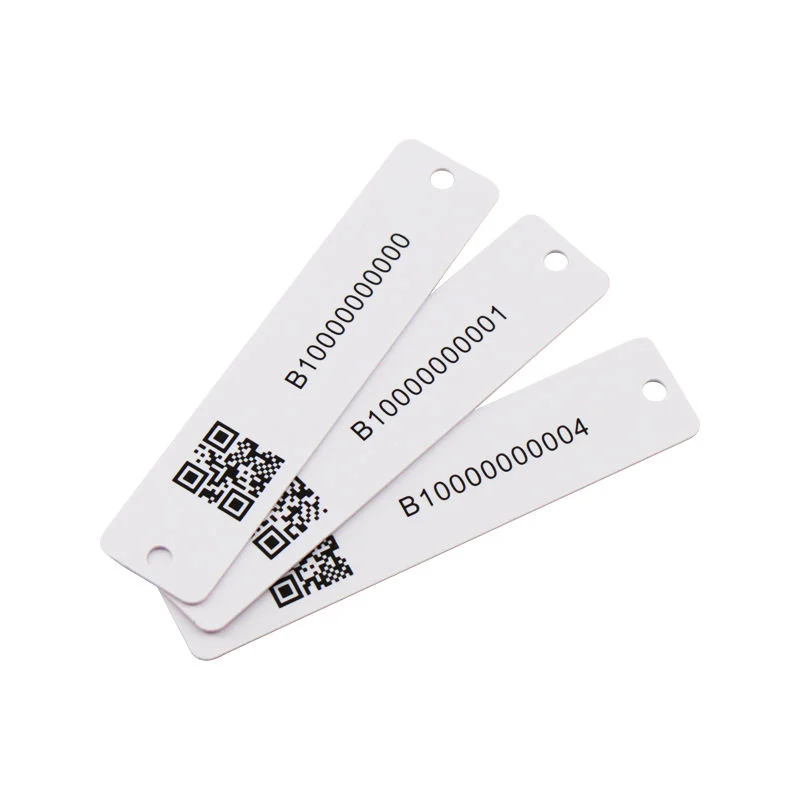
Seal number read at dispatch and receipt, so an opened door shows up before the load is accepted.

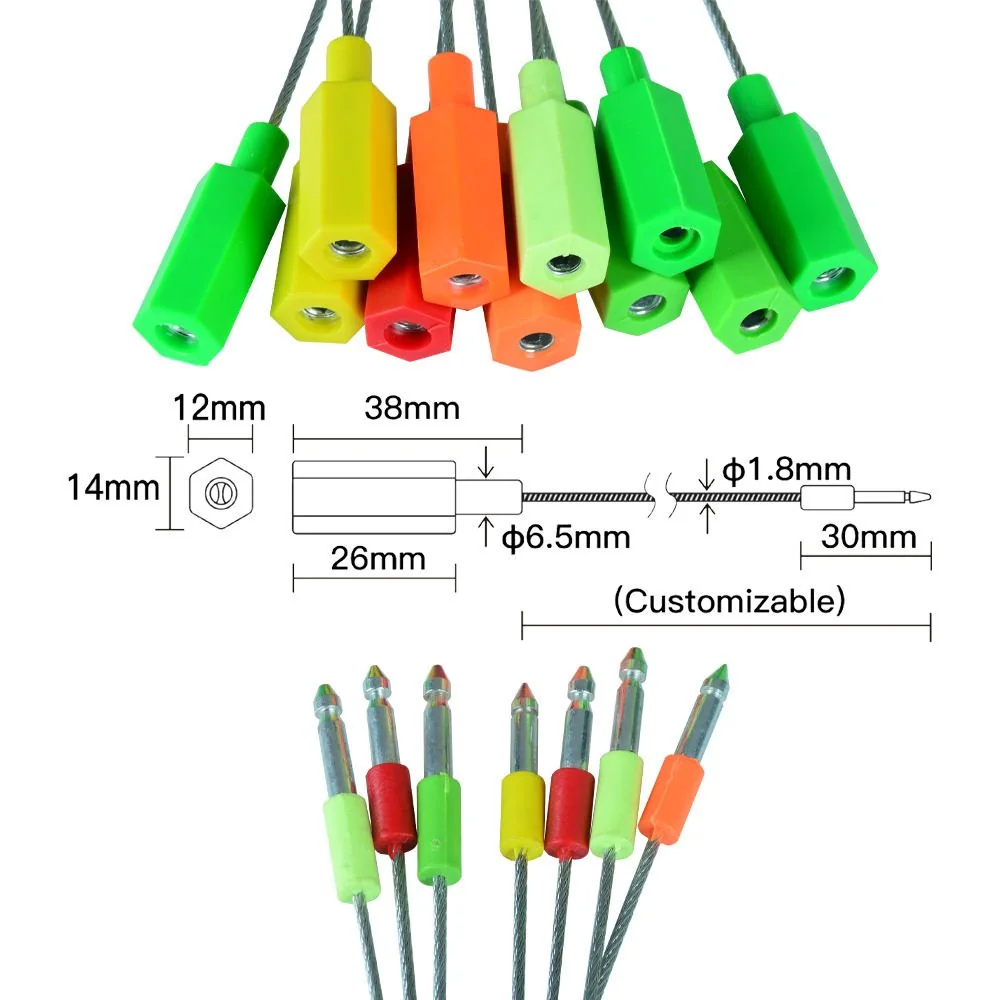
Trailers, cages and covers

No bolt hasp

Ø2 mm cable, 150-300 mm
UHF 2-5 m; NFC 0-5 cm
UHF for readers and NFC for phones, so a consignee without RFID can still check it.

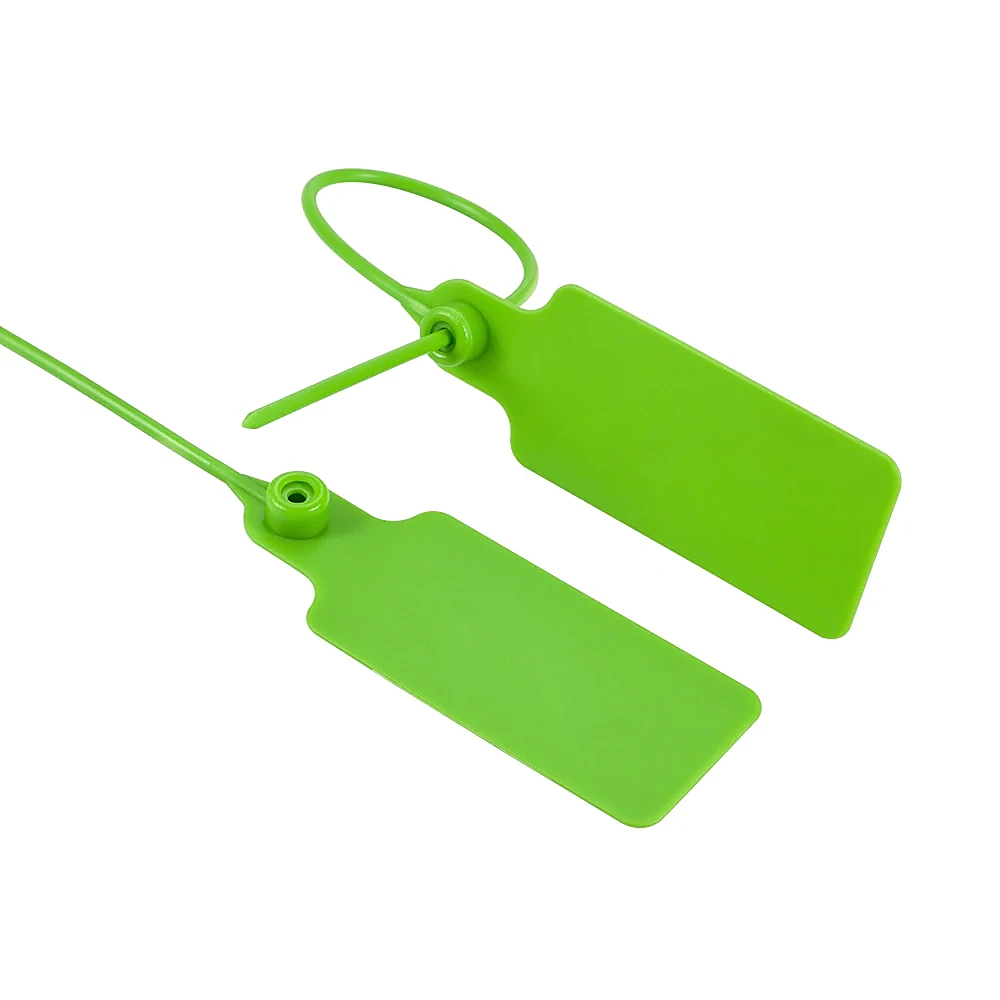
Trucks and trailers

At the yard gate

102×76, 100×50, 99×24 or 73×23 mm
0.5-8 m
Vehicle ID at the gate; breaks if peeled, so it cannot be moved to another vehicle.

The readers

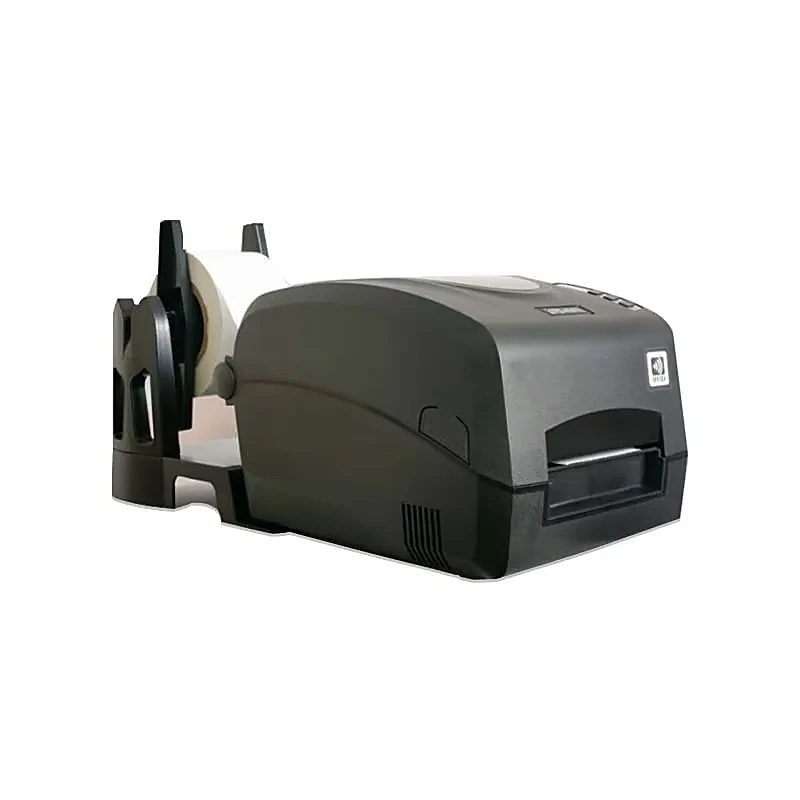
RFID label printer

At dispatch

Prints, encodes and verifies each label in one pass.

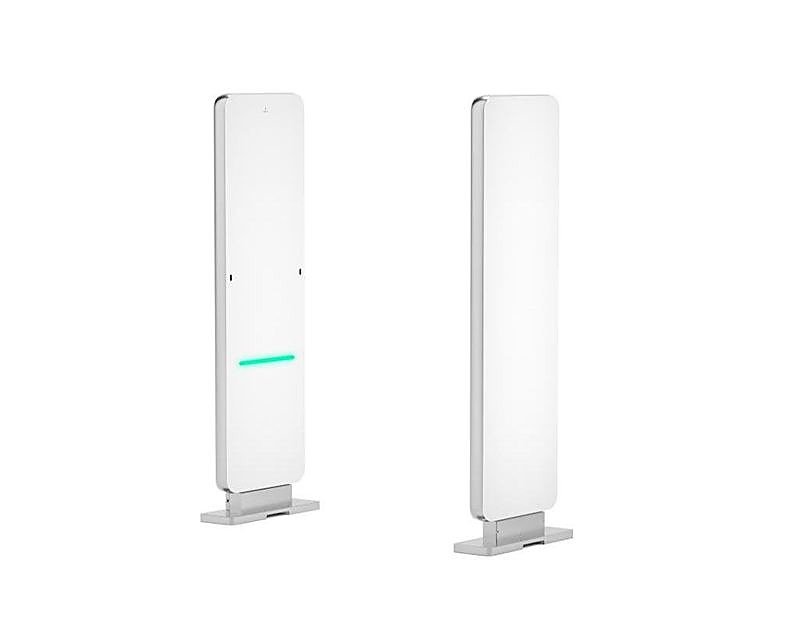
Fixed reader + antennas

Dock doors and gate lanes

4-port UHF reader, 0-20 m; reads triggered by the door sensor or the barrier.
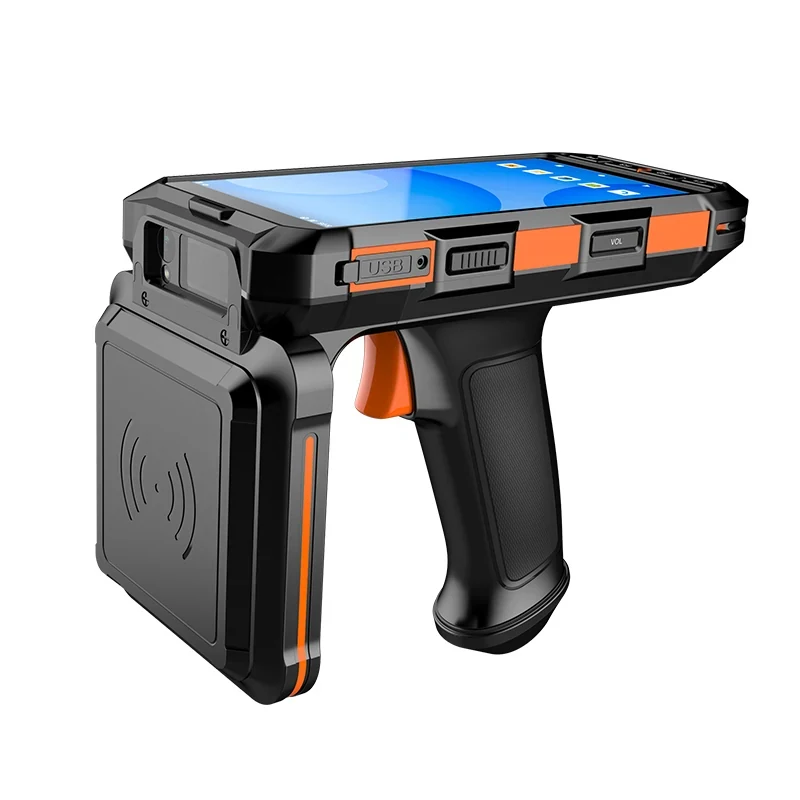
Handheld UHF + NFC reader

Sealing, handover and receiving

Android 13. Reads seals, pallets and whole deliveries.

Any NFC smartphone

Consignees without RFID

Taps the NFC side of a cable seal to check its ID.

Before we quote

Four answers decide the specification

Pick what matches your operation. Each answer shows what it calls for, and the summary goes to our engineers with your enquiry.

1What are you tracking?

2Where must it be read?

3What does the tag go through?

4How many tags a year?

Before a volume order

Five checks before you order labels and seals in volume

Each one is cheap to settle on a sample and expensive to fix once shipments are moving.

01Choose what you tag: carton, pallet or both

Example pallet: 40 cartons × 24 items Pallet level 1 tag Carton level 40 tags Item level 960 tags Bar length on a log scale

What goes wrong

Labelling every item when partners only check cartons or pallets multiplies the label order without changing what is verified.

Check before you order

  • Which level each partner actually reads at receipt
  • Pallet labels with carton links, or every carton read on its own
  • Annual tag count per lane, from shipment volumes

02Agree the numbering with every partner

SGTIN-96 example · 96 bits Header Company prefix Serial number 8 6 24 20 38 Filter + partition Product Your GS1 company prefix is written into every tag. Change the scheme later and every tagged item needs a new label.

What goes wrong

A tag the receiving site cannot decode is just a number. Private numbering keeps the benefit inside one company.

Check before you order

  • SSCC for pallets, SGTIN for cases, GRAI for returnable assets
  • Who holds the GS1 company prefix
  • How EPCs travel with the shipping notice
  • Number ranges per site

03Sign off seals and labels on real loads

Signed-off sample seal · label · placement Batch 1 Batch 2 Batch 3 same construction, every order

What goes wrong

A seal or label approved on a bench meets real container doors, cold trucks and stretch-wrap for the first time on a live shipment.

Check before you order

  • Read at the real distance on loaded, wrapped pallets
  • Seals tested on your own container doors and trailers
  • The sample part number quoted on every repeat order

04Match label rolls to every dispatch printer

Wound out · core Ø Pitch Label width Inlay position Feed

What goes wrong

A roll that suits one site’s printer can void labels or refuse to run on another’s.

Check before you order

  • Printer make and model at each site
  • Label width, pitch and gap
  • Inlay position on the label
  • Wound in or out, and core diameter

05Plan labels and seals against lead time

Labels in stock Lead time Reorder point Safety stock Order Weeks

What goes wrong

Shipping labels and one-time seals are consumed on every shipment. Running out stops RFID at dispatch until the next batch lands.

Check before you order

  • Monthly use per site, from shipment volumes
  • Seal ID ranges per site
  • Production lead time (typically 2-4 weeks) plus shipping
  • A reorder point and a safety stock

Planning and standards

Do all sites in the chain need RFID readers?

No. RFID pays back fastest in a closed loop: your own dispatch, your own receiving and your own returnable containers. Where a customer or partner has no reader, they receive your shipping notice and can check a UHF + NFC cable seal with an ordinary phone.

Which EPC encoding should shipping labels use?

Use GS1 schemes so partners can decode the tags: SSCC-96 for pallets and other logistic units, SGTIN-96 for cases and items, and GRAI-96 for returnable crates and pallets. This needs a GS1 company prefix. Private numbering works inside one company, but moving to GS1 later means re-labelling, so decide before the first roll is printed.

Can we pilot on one lane before rolling out?

Yes. Take one dispatch dock and one receiving site, run real shipments for two to four weeks, and compare the RFID counts with the manual counts at both ends. Test the labels on your actual cartons and pallet loads before the pilot starts, so the pilot tests the process, not the tag.

How do we stop returnable pallets and crates from disappearing?

Tag them once with a permanent hard tag, read them out at your dock against the customer and back in on return. The balance each customer or carrier holds is then a report, not an argument, and charges for unreturned containers have evidence behind them.

What does RFID tracking cost?

The tag is the recurring cost: a few cents for a carton label, more for a pallet tag, a seal or an industrial carrier tag. Readers and integration are one-off. Start with the handover where losses or checks cost the most, and price the tags per year of use there.

Seals and vehicle tags

What is the difference between an RFID e-seal and a cable seal?

Both are one-time seals with an RFID ID inside:

  • The e-seal is a bolt seal for ISO container doors, 125×25×25 mm, readable at 3-7 m
  • The cable seal uses an adjustable steel cable (150-300 mm) for trailers, cages and valves, with UHF for readers and NFC for phones

Cutting either seal destroys it, and a replacement shows up as a different ID. If customs or your shipping line requires an ISO 17712 high-security seal, ask for the seal’s test certificate before ordering.

Will a windshield tag read through tinted or heated glass?

Metallised tint films and some heated or coated windscreens block UHF. Mount the tag on an uncoated area of the glass, often near the rear-view mirror, and test on each vehicle type in your fleet before a full rollout. The tamper-proof tag breaks if peeled, so it cannot be moved to another vehicle.

How do we tag returnable crates that go through washers?

Use a hard tag, not a label. The industrial carrier tag is IP68 and rated -40 to +200 °C, and can be screwed, riveted or moulded into the crate. Fit it where forks and stacking will not hit it, and on the same face of every crate so portal reads stay consistent.

Integration

How do RFID reads reach our WMS or TMS?

Readers report tag events: which tag, which reader, and when. Middleware turns them into shipment events (dispatched, gate in, received) by matching them to the shipping notice, and sends them to your WMS or TMS through its API. We document the event format and help map the first transactions.

Can our customers read our tags?

Yes. If the tags are UHF EPC Gen2 with GS1 encoding, any Gen2 reader can read and decode them, so share your encoding with receiving partners. Keep personal data off the tag: the tag carries a number, and the details stay in your system.

Troubleshooting

Why do we miss cartons in the middle of a pallet?

Cartons in the centre of a pallet are shielded by the cartons around them, especially when the load contains liquid or metal. Do not rely on reading every carton through the pallet. Read each carton once as the pallet is built, link them to the pallet’s SSCC, and read the pallet label at every handoff after that.

The gate reader picks up trucks in the next lane.

Lower the reader power until only your lane reads, aim the antenna into the lane, and trigger reads from the barrier or a loop detector so the reader only reports while a vehicle is in position. A signal-strength threshold in the middleware removes the rest.

A seal will not read on arrival. What now?

Read it with a handheld at close range first. If it still does not read, treat it as a possible tamper: inspect the seal and the door, photograph them and log an exception before the door is opened.

Build a matched pilot

Send the item, environment, read point and annual volume.

We will narrow the construction and sample set around your real operating conditions.

Stay Updated on RFID Industry Trends

Get the latest news, case studies, and product updates from FYRFID delivered to your inbox. No spam — unsubscribe any time.

Thanks for subscribing — we’ll be in touch.