01
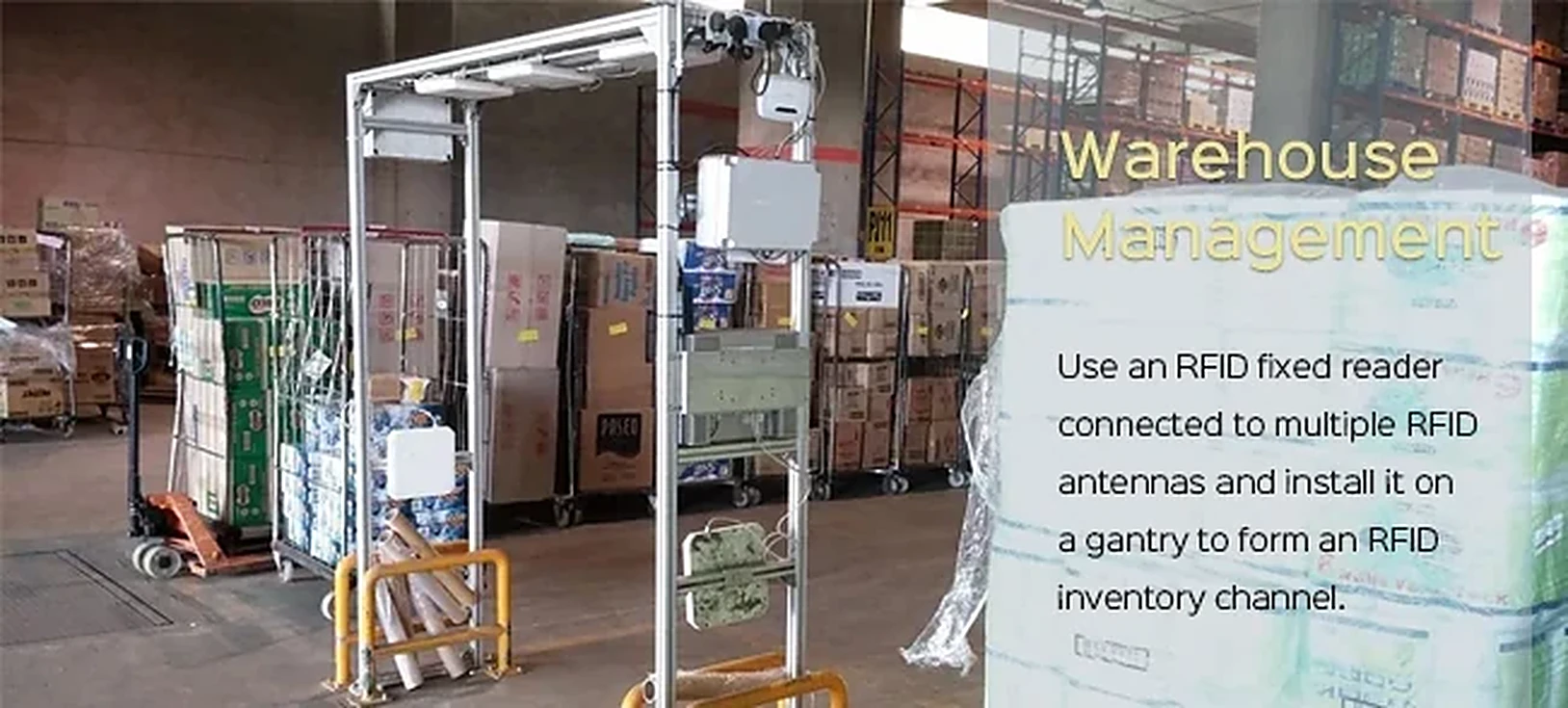
Warehouse dock doors
Several antennas cover one doorway.
Typical setup4 antenna ports, Impinj E710.
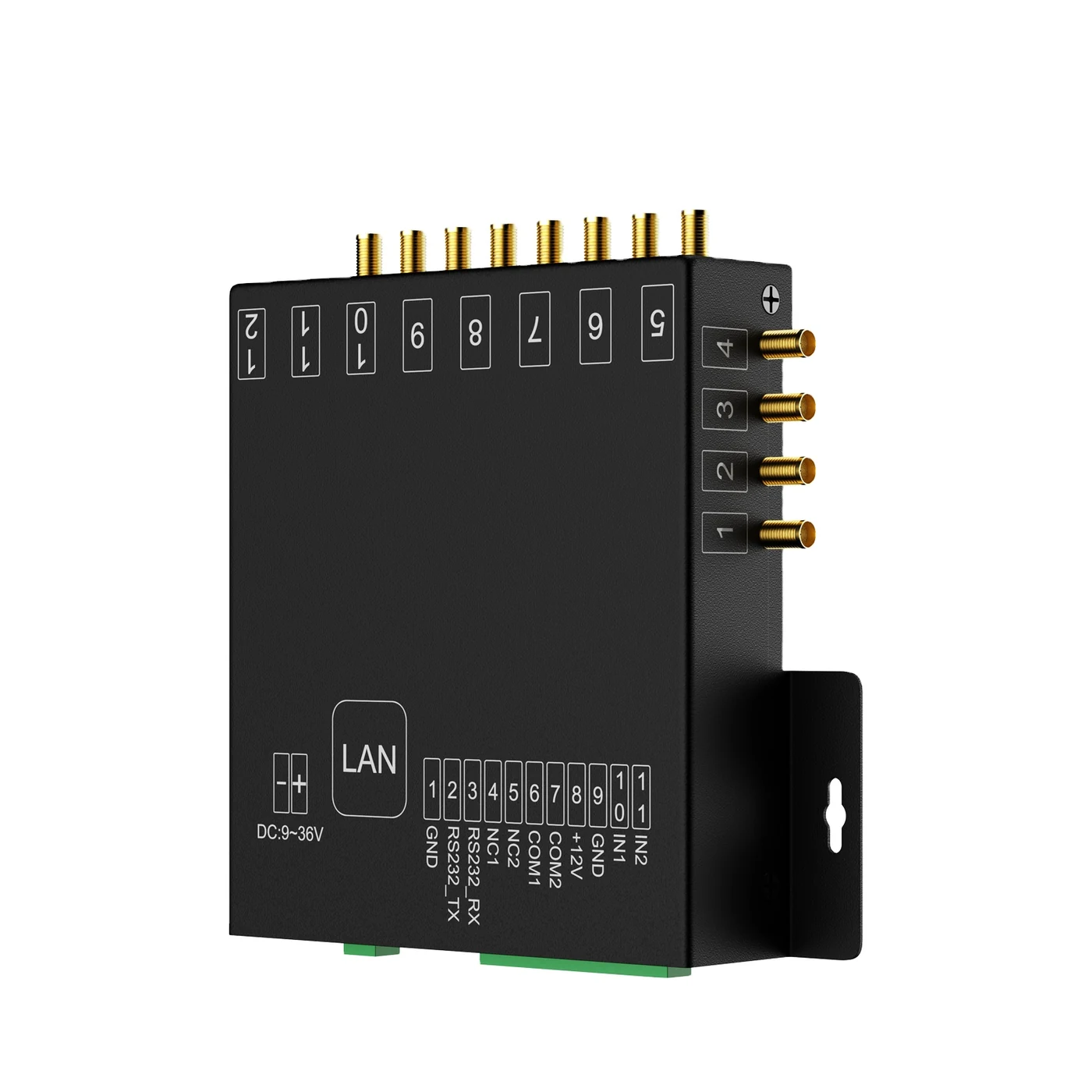
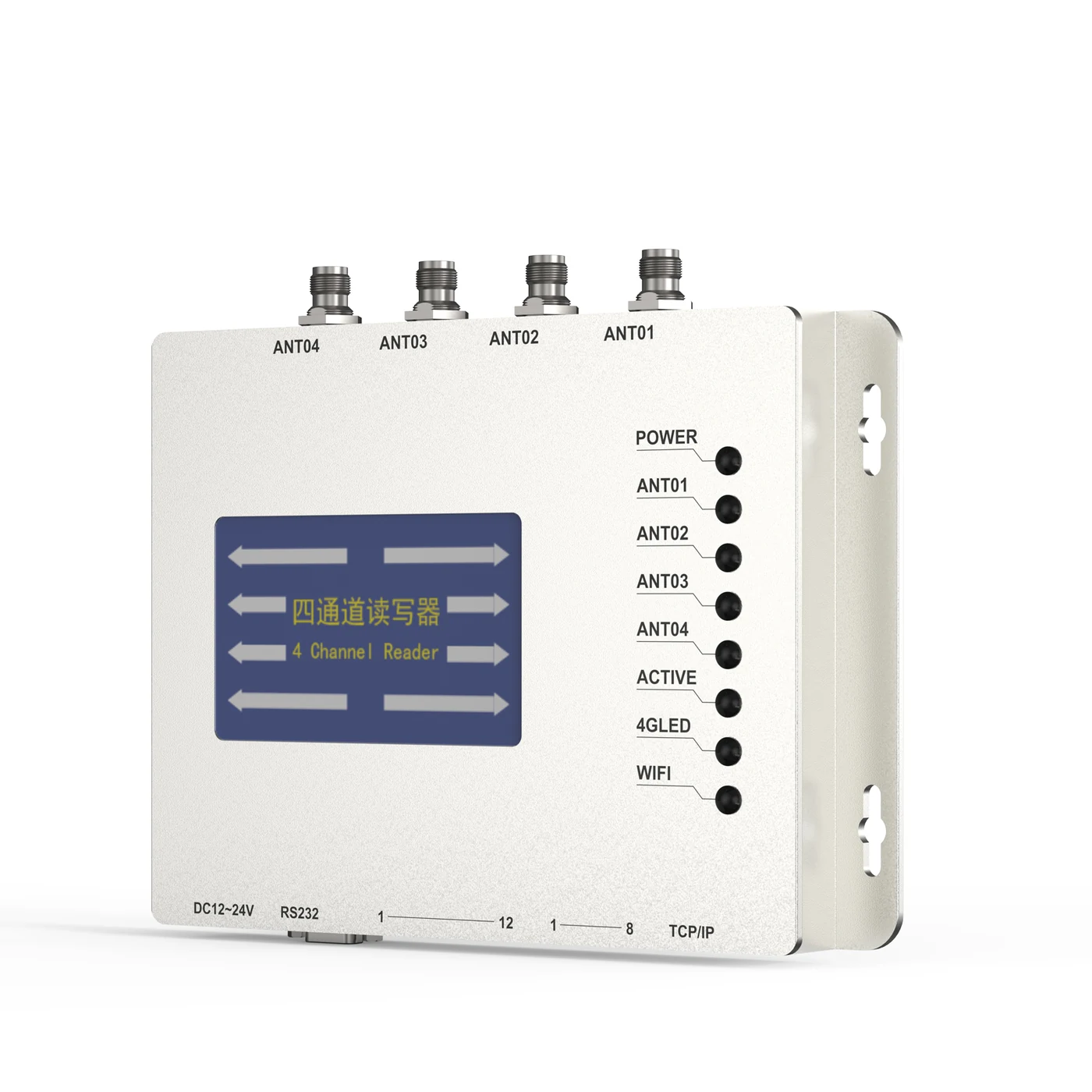
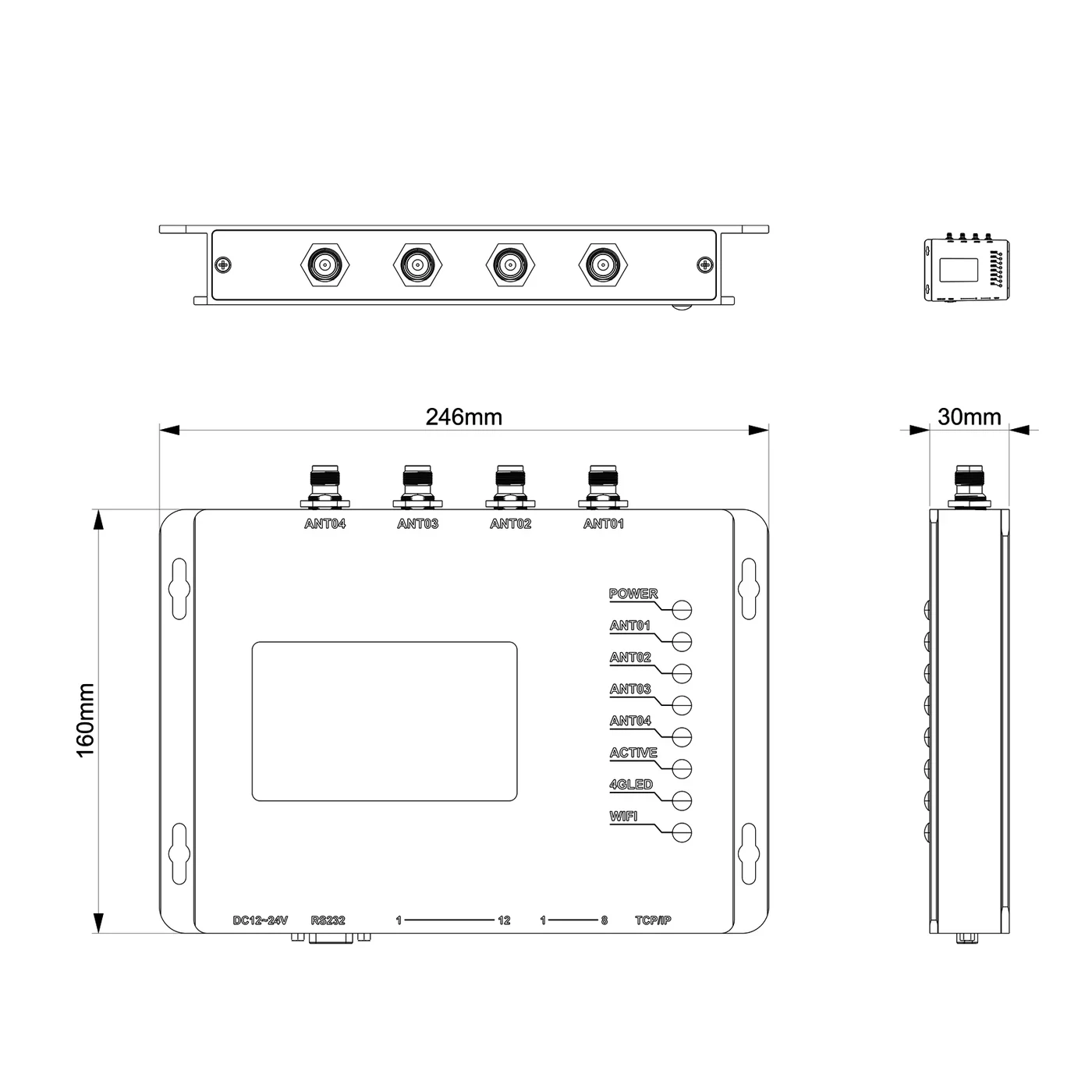
This is a fixed UHF reader with four antenna ports. It is the "brain" of a read point: it makes the signal, switches between up to four antennas around a doorway or a line, and sends the list of tags it hears to your computer. Key facts: 246×160×30mm · IP54; MOQ 50pcs.
Several antennas cover one doorway.
Typical setup4 antenna ports, Impinj E710.
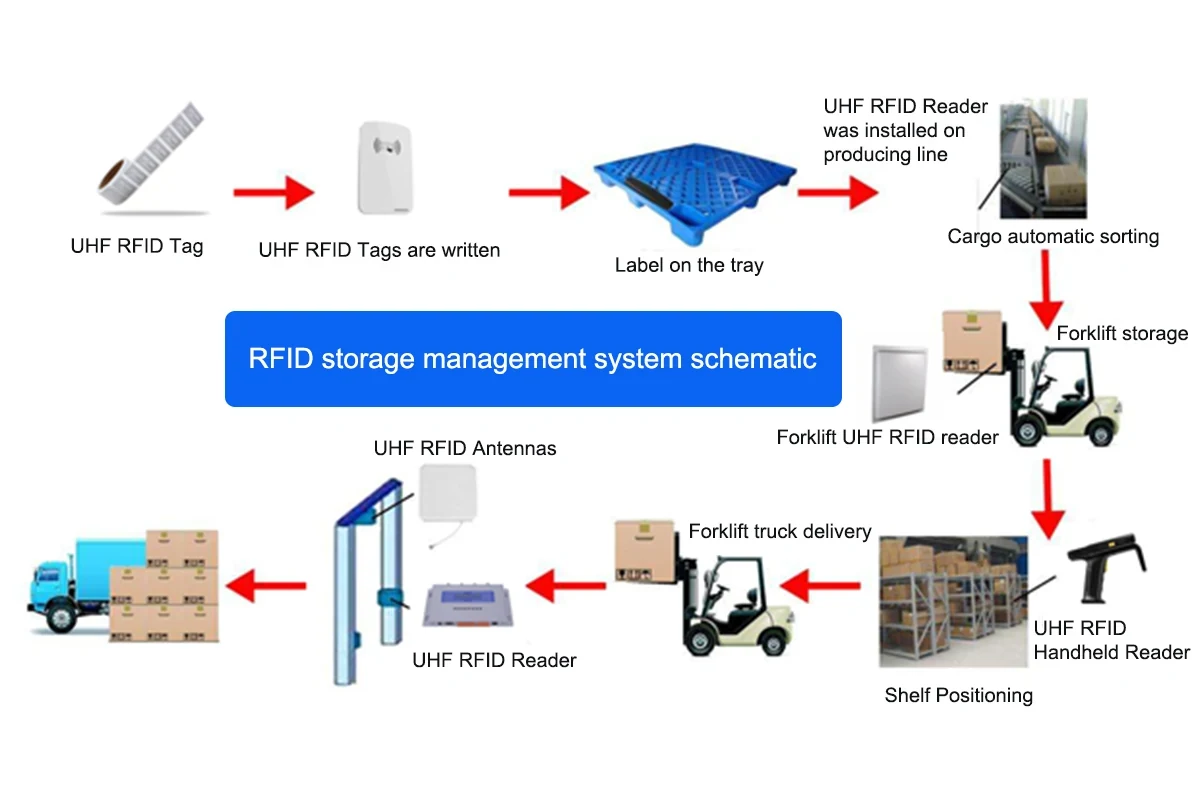
Items are read automatically at stations.
Typical setupRead range up to 20 m.
You build multi-antenna installations.
Typical setupOEM, ODM.
This is a fixed UHF reader with four antenna ports. It is the "brain" of a read point: it makes the signal, switches between up to four antennas around a doorway or a line, and sends the list of tags it hears to your computer. It reads up to 20 m (with suitable antennas) and covers the 860–960 MHz band.
How it works, in plain words
What you need to use it
What it looks like in your business
Today: one antenna on one wall misses tags inside a pallet or turned the wrong way, and staff scan barcodes by hand. With the antenna: plug four antennas into the reader, for example one on each side and two at different heights. The reader reads the pallet as it passes and tells your software which antenna heard each tag.
What you get: Pallets are read without anyone stopping to scan.
Today: items are checked by hand at a station, and some are missed. With the antenna: antennas around the conveyor read each item as it passes. The reader reports the tags and times to your system.
What you get: Item records without manual scanning.
Today: buyers pick a reader and antennas separately, and find that the connectors or bands do not match. With the antenna: this reader's antenna ports are TNC type. Choose antennas for the same band as the reader and your country, with the right connector (or adapter cables), and keep cables short and low-loss. Tell us the antennas you plan to use and we will check them with you.
What you get: A matched set that works at the first test.
Today: a reader at full power reads stock on racks near the door, and the system records movements that never happened. With the antenna: the reader's power is adjustable. Lower it until the zone just covers the opening, then test with real pallets.
What you get: No cross reads from neighbouring lanes.
Today: unusual hardware takes time to support. With the antenna: it follows the standard UHF protocol (EPC Gen2, ISO 18000-6C) and uses a widely known reader chip, so it is easier to connect to your software. OEM and ODM options are available.
What you get: Easy to integrate.
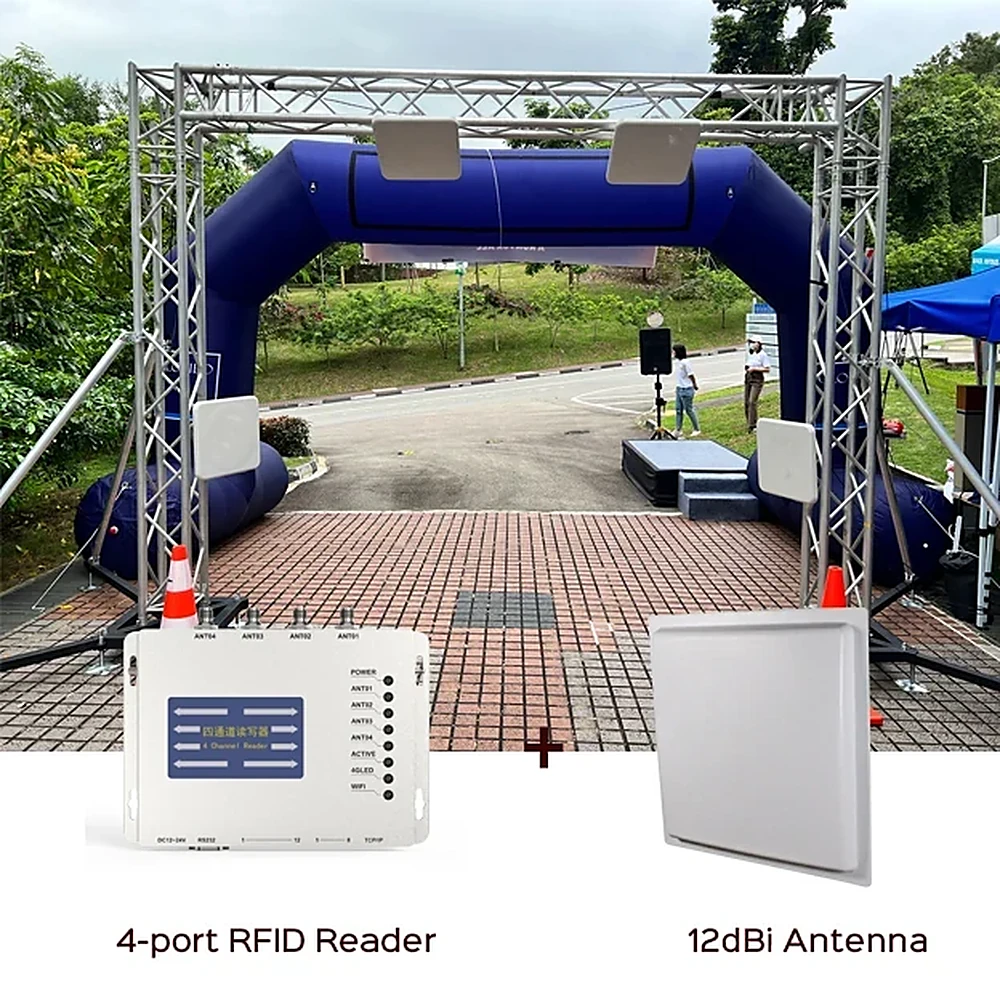
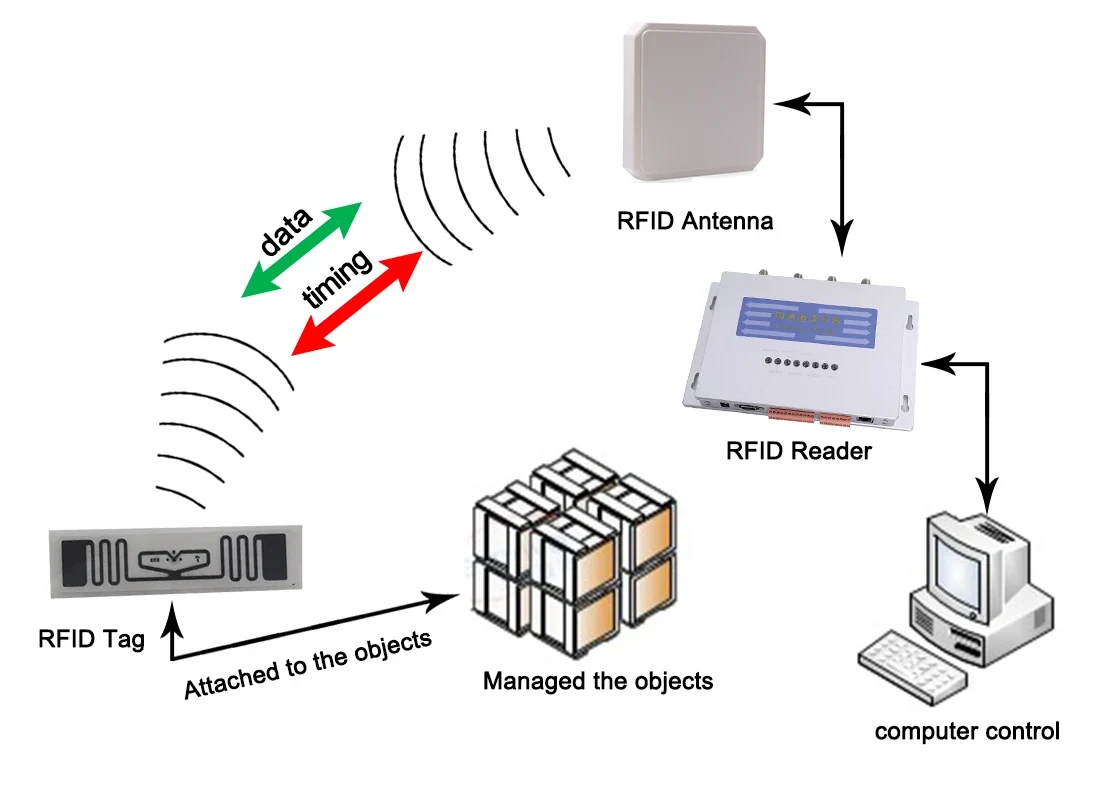
The hardware and software that work with the RFID Fixed Reader in a typical project.
Fixed on the goods, pallets or runners you want to read.
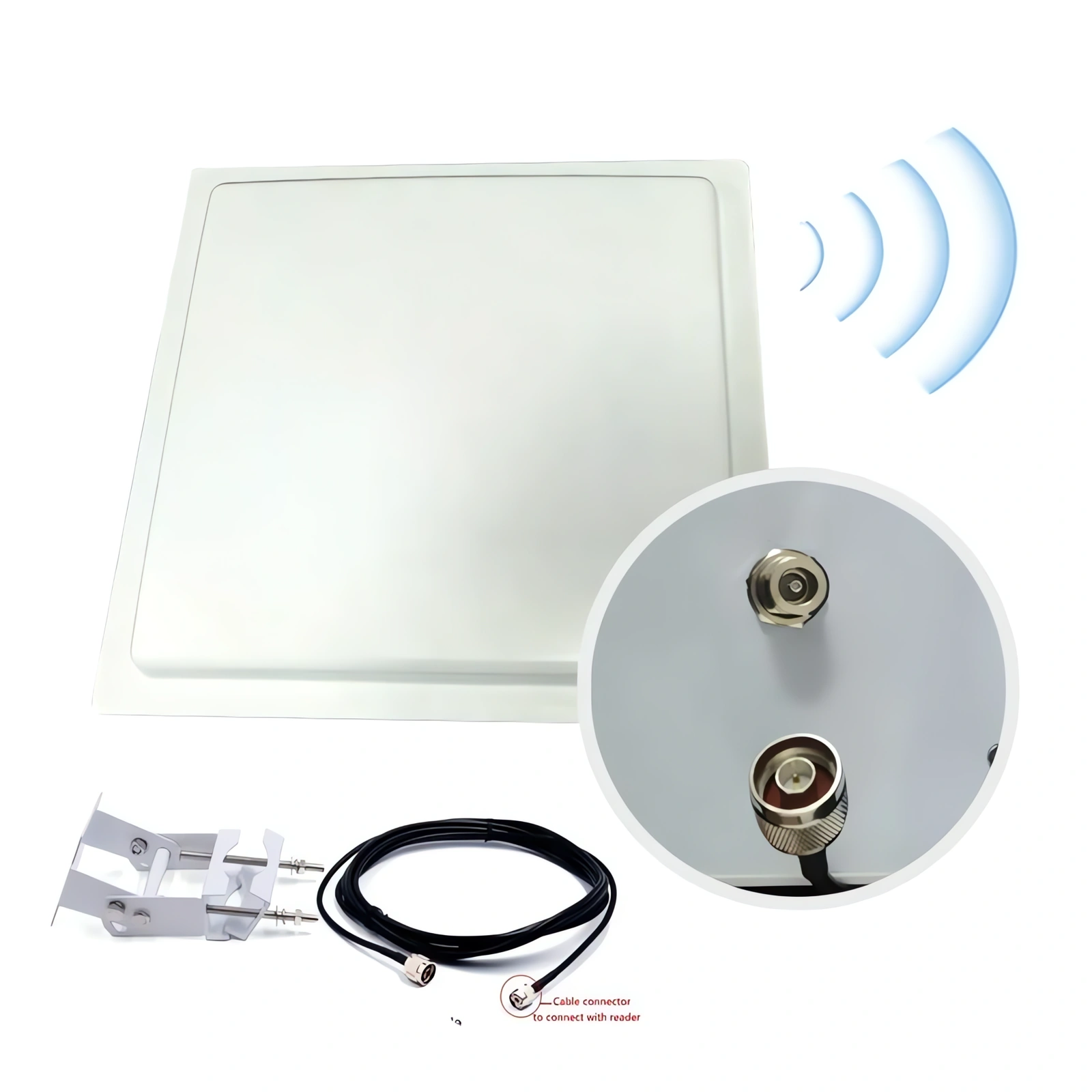
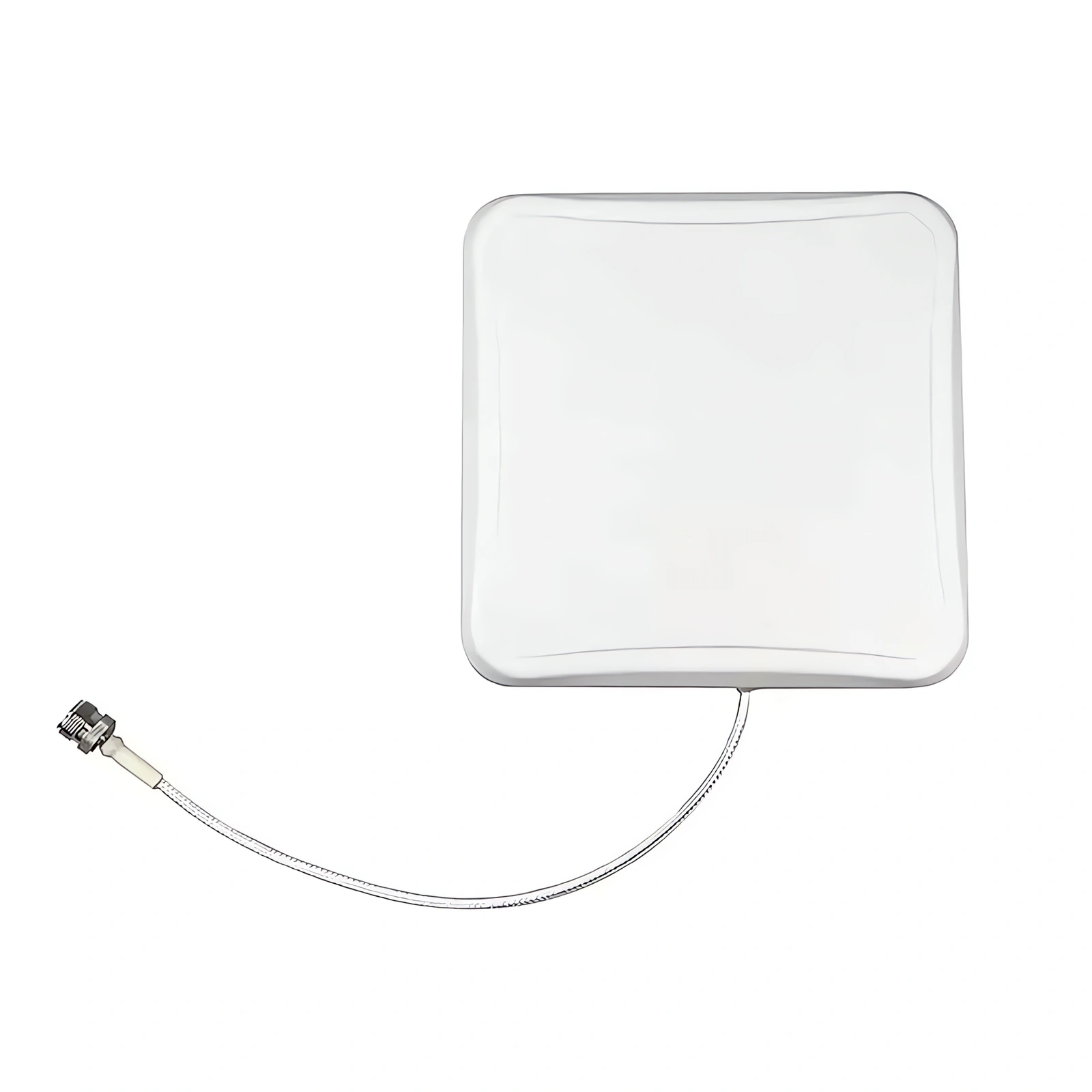
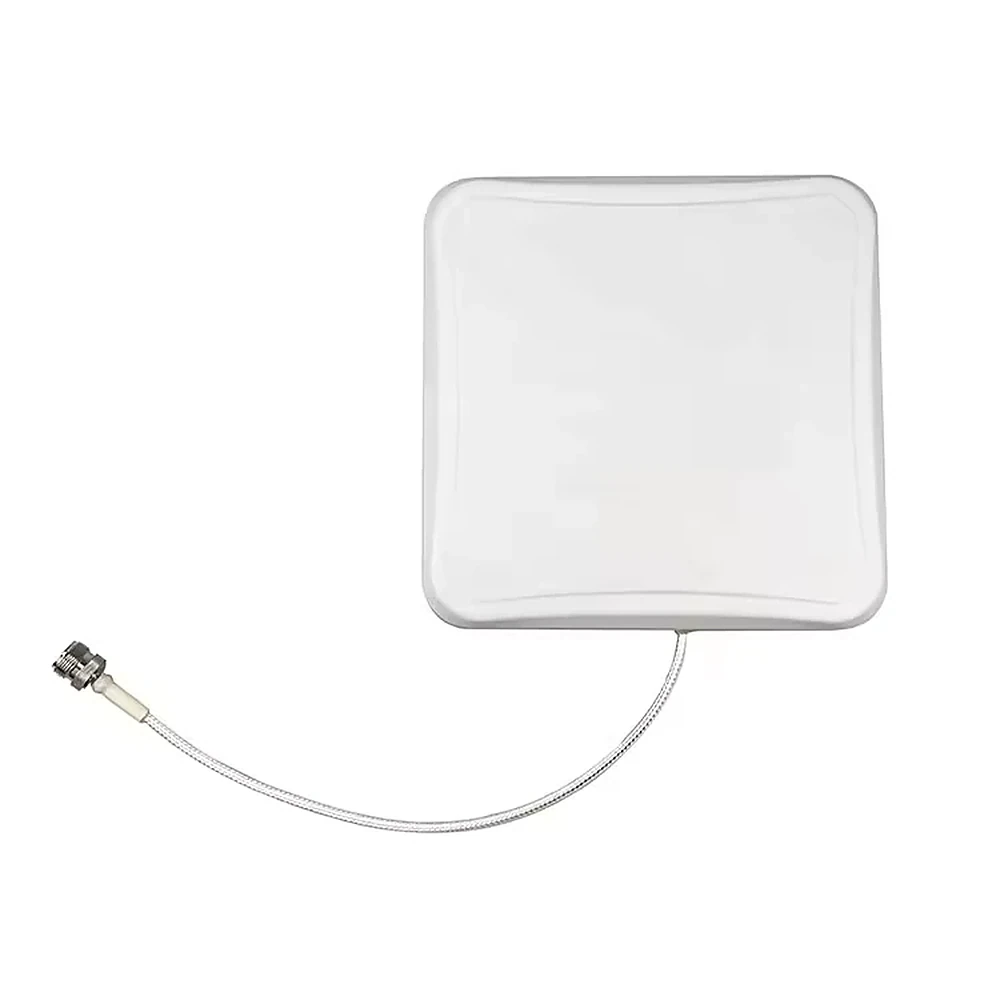
Beams the signal and listens for replies. Its position and angle define the read zone.
Carries the signal between the reader and the antenna. Long or poor cable weakens it.
Sets the power, controls up to several antennas and sends the tag list to your software.
Turns tag reads into events: "pallet 12 passed Door 3".
Decide where tags should be read, and just as important, where they should not (nearby shelves, other lanes).
The antenna and the reader must use the same band for your country (for example 865–868 MHz in Europe, 902–928 MHz in the US). The antenna connector must fit the reader port, directly or with the right cable.
Fix the antenna firmly with its face towards the tags. At a doorway, antennas on both sides, angled slightly inwards, cover the passage better than flat on the wall.
Connect the cable and set the reader's power. Use enough power to cover the opening, not the maximum by default.
Run real pallets or items through at normal speed, many times, and adjust angle and power until all target tags are read and neighbouring ones are not.
| Chip / IC | Impinj E710 |
|---|---|
| Frequency | 860-960MHz |
| Protocol / Standard | ISO18000-6C/EPC C1 Gen2 |
| Read range | 0-20m |
| Size | 246*160*30mm |
| Material | Aluminum alloy |
| Operating temp | -10 ~+50 °C (typ.) |
| Waterproof / IP | IP54 |
| Mounting | Paste and fix with screws |
| Certifications | RoHS, REACH; |
Need a value that is not listed? Ask in the form and our engineers will confirm it for your order.
| MOQ | 50pcs |
|---|---|
| Sample policy | Paid samples (no free samples for hardware) |
| Sample lead time | 7-14 days |
| Bulk lead time | 7-14 days |
| Packaging | 1 unit/carton |
| Pricing | Quoted per project and quantity. Send your quantity and requirements in the form. |
| Printing & branding | OEM, ODM |
|---|
Selected technical, installation and application media for this product.
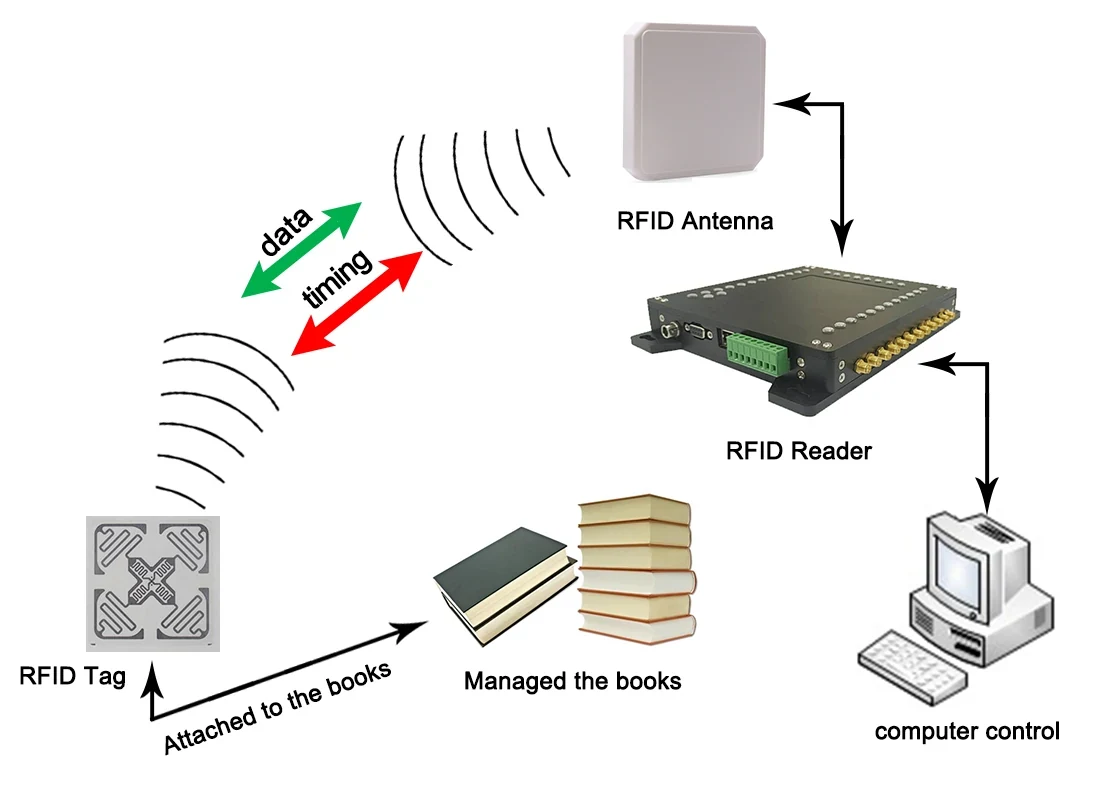
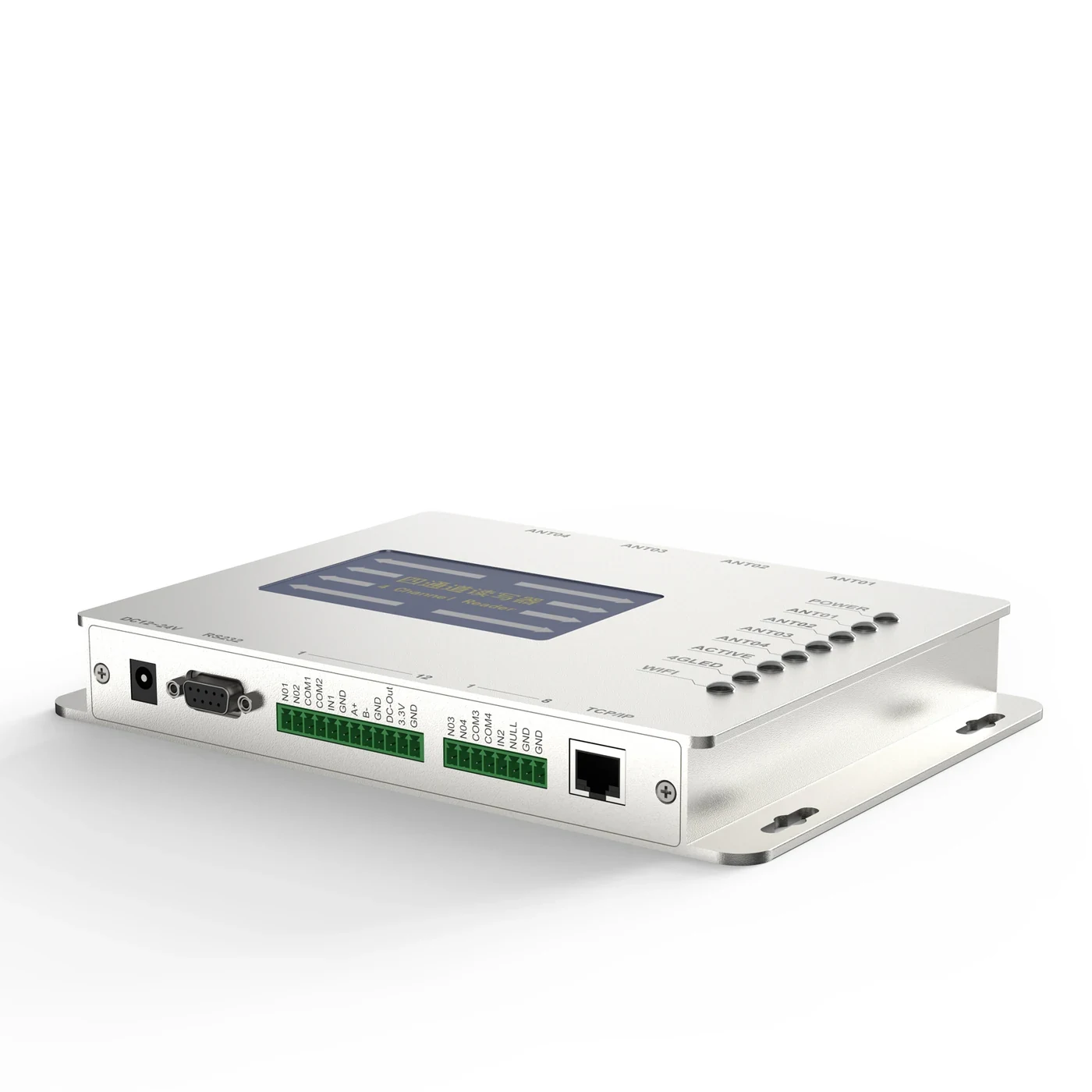
The reader has four antenna ports. Antennas and cables are chosen for your site, so tell us the door or line you plan and we will recommend a set.
No. The reader can use fewer. A small station may need one or two; a dock door commonly uses four. Plan the read zone first.
The antenna ports are TNC type. Check your antennas' connectors, or use adapter cables.
It follows the standard UHF protocol (EPC Gen2), so tags that follow the same standard can work. Test your own tags on a sample before you order.
Up to 20 m with suitable antennas and tags. The real distance depends on the antenna, the tag, the power setting and the environment.
The minimum order quantity is 50pcs.
Paid samples (no free samples for hardware). Samples are ready in 7-14 days.
Bulk lead time is 7-14 days, counted from sample or artwork approval.
Printing and customization: OEM, ODM.
Last updated:
Tell us your quantity, application and delivery country. We reply within 24 hours.