01
Recalls are too broad because traceability is coarse
When a problem is traced only to a day’s production, the recall covers every pallet from that day, not the affected cases.
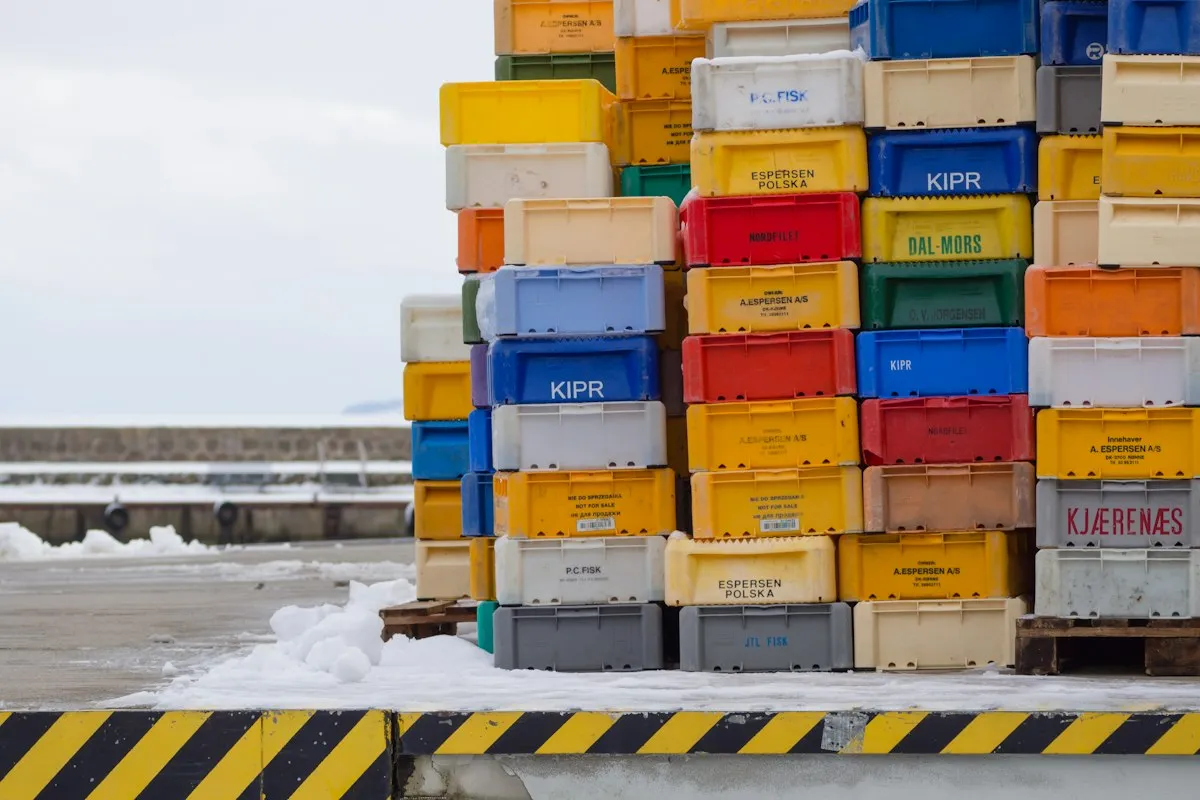
Fresh Food & Cold Chain · UHF and Sensors
A Recall Needs Batch Answers in Hours.
Crate, case and pallet identity read at every transfer, with temperature readings on the loads that need them, so a recall pulls only the batches affected.
Catalogue specifications. Read range drops with frost, ice and water-rich product between tag and reader.
Plan your projectPain points on site
Before the pilot, this is the starting point most operations recognise.
When a problem is traced only to a day’s production, the recall covers every pallet from that day, not the affected cases.
Adhesive that bonds on a warm bench releases from a frosted crate, and the label ends up on the floor with the trace inside it.
A temperature claim at delivery comes down to whose word is trusted, because nothing recorded the load on the way.
Returnable crates and pallets leave with deliveries and come back in smaller numbers, and nobody knows which customer has them.
Loads are checked against paper at a cold dock where nobody wants to stand for long, so the check is rushed.
Vaccines and biologics require a temperature record for each shipment, and a gap in the record can mean destroying the stock.
How the solution works
System rollout
Twelve steps in the order a food business goes through them, with who does each one and how long it usually takes. Testing tags in your own cold and the recall reporting move the date most.
You getRecall question, baseline and pass marks.
You getSurvey report with read points and temperatures.
You getTest report and final specifications.
Common mistakeTesting labels at room temperature only.
You getData design.
You getA working test system.
You getTags and hardware delivered.
You getInstalled read points.
You getA commissioning record for every read point.
You getTagged crate and pallet pool.
You getPilot report with the mock recall result.
You getThe chain live.
You getRecall-test reports and a maintenance plan.
Tags & hardware
One row for each thing you tag. Sizes and ranges are catalogue figures; frost, ice and water-rich product shorten the range, so test in your own cold.
Washed between trips
Chilled or frozen
Bottles, tubs, wet cases
Wood or plastic
Doors
Chilled, not deep frozen
Authentication
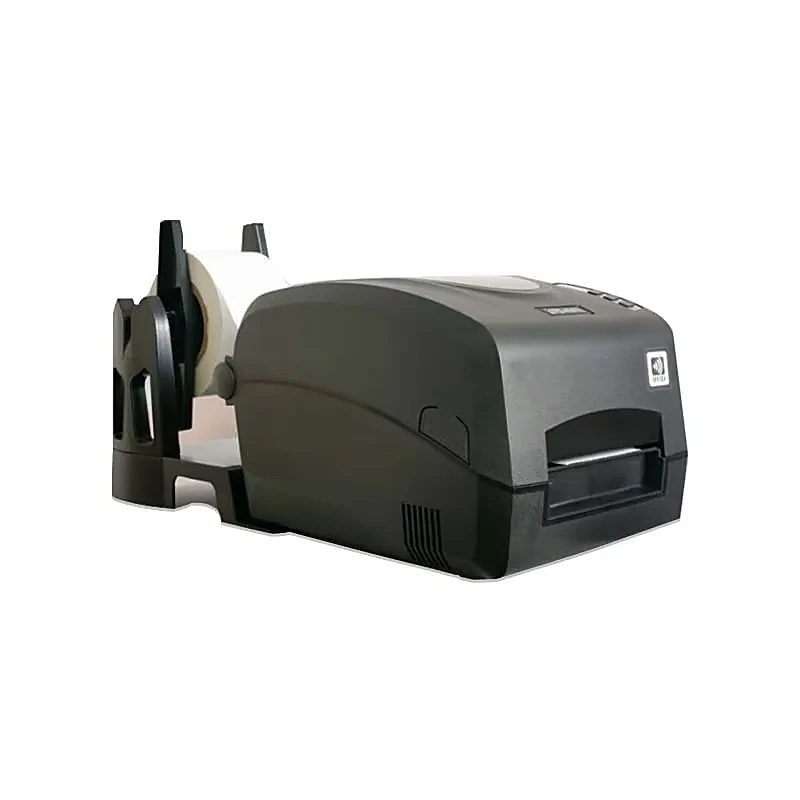
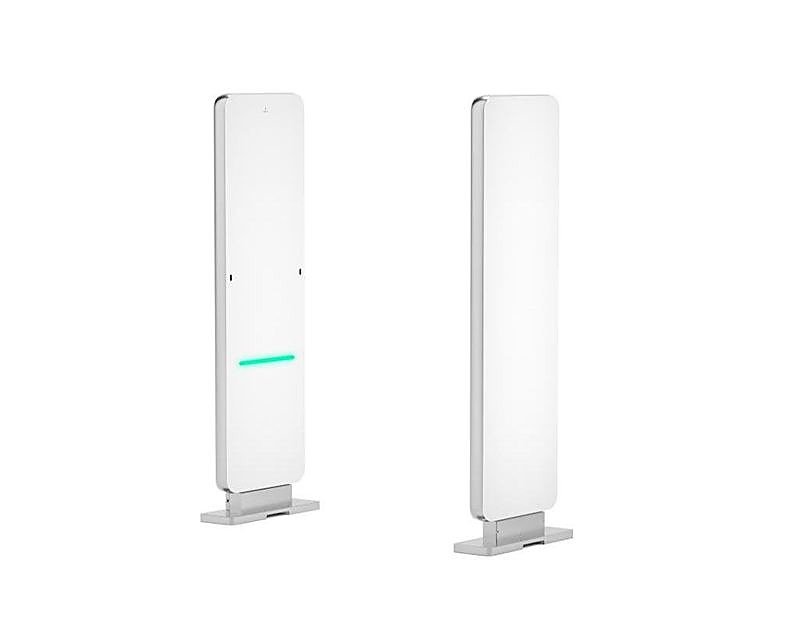
Dispatch and receiving docks
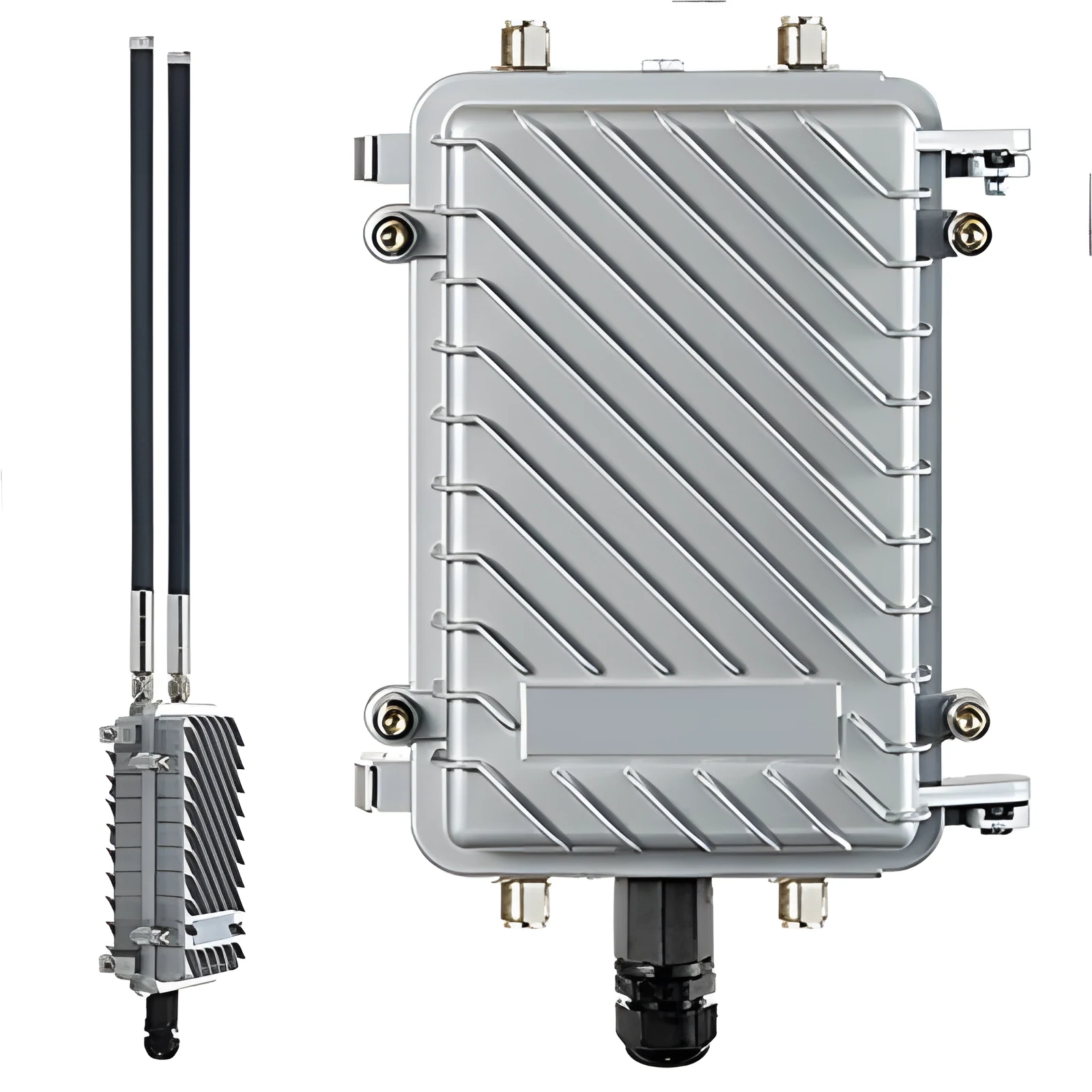
4-port UHF reader, 0-20 m; mounted outside the cold zone where needed.
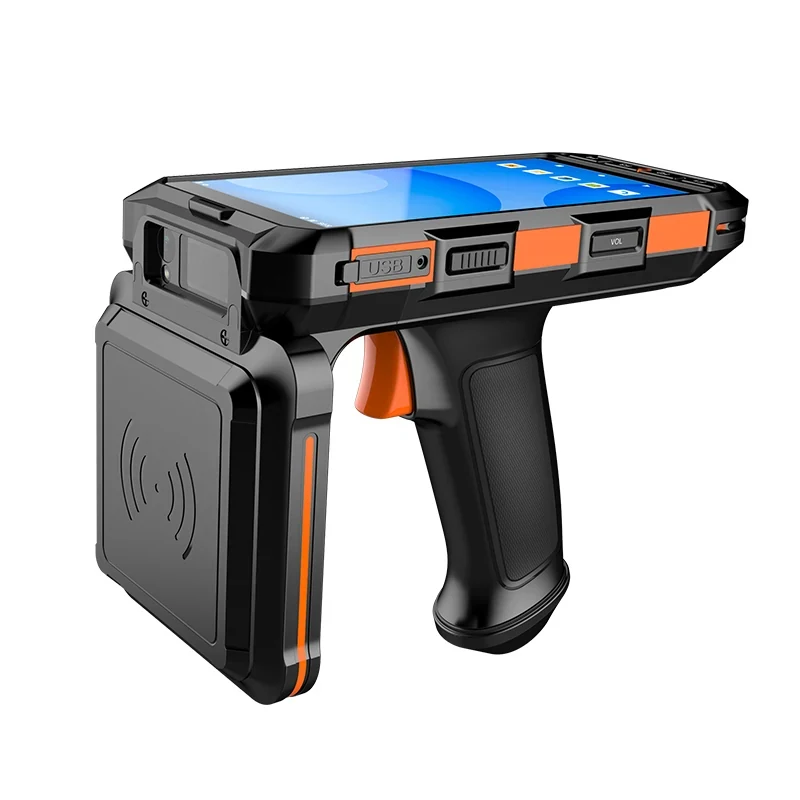
Yards and loading areas
Up to 200 m; collects temperature with every read.
Shops and inspections
Reads the NFC label and checks it against your verification service.
Before we quote
Pick what matches your operation. Each answer shows what it calls for, and the summary goes to our engineers with your enquiry.
Before a volume order
Each one is cheap to settle on a sample and expensive to fix once product is moving.
Adhesive that bonds on a warm bench releases from a frosted crate in the freezer, and the label ends up on the floor.
Hot washers and impact in handling destroy tags not built for them, and the crate pool loses its identity.
The temperature tag works from -20 to +60 °C. On deep-frozen loads below that, it is outside its range.
Without batch-to-crate links written at packing, the tags record movement but cannot answer which batch went where.
Running out of labels stops traceability at packing until the next batch arrives.
Related products
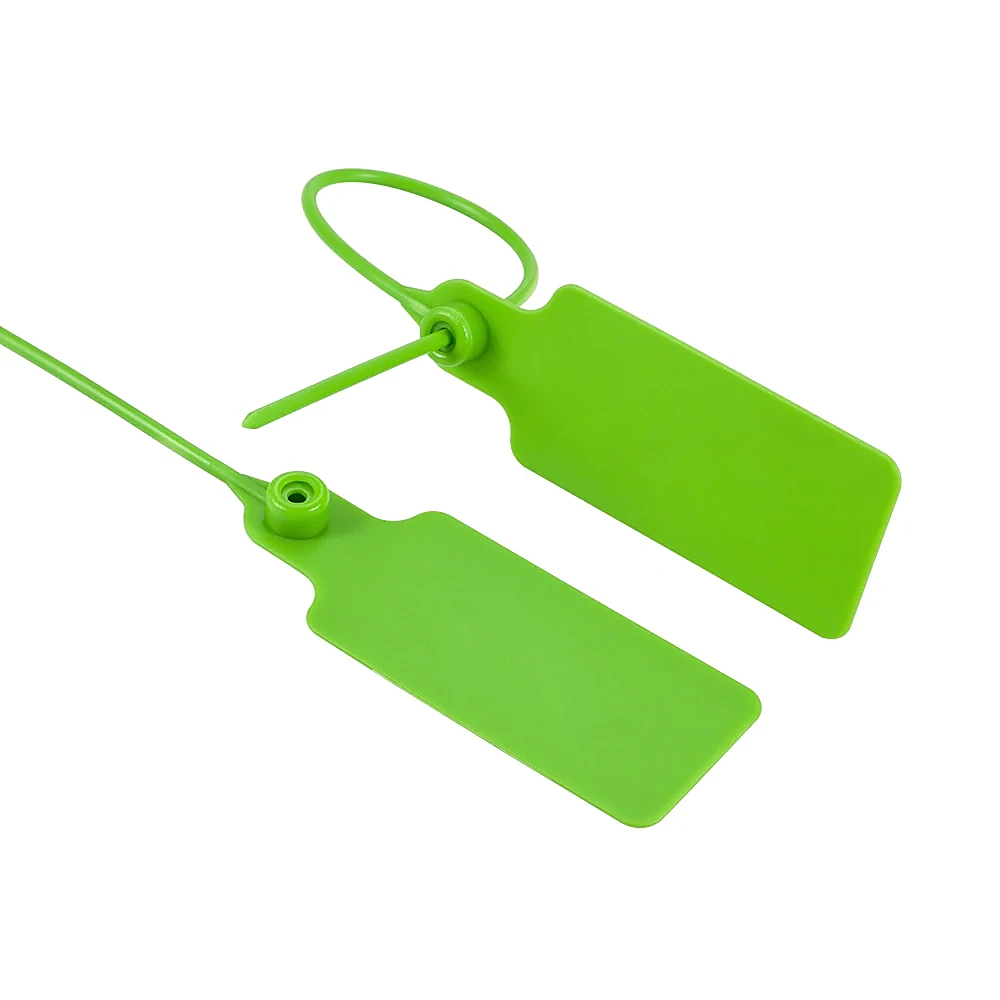
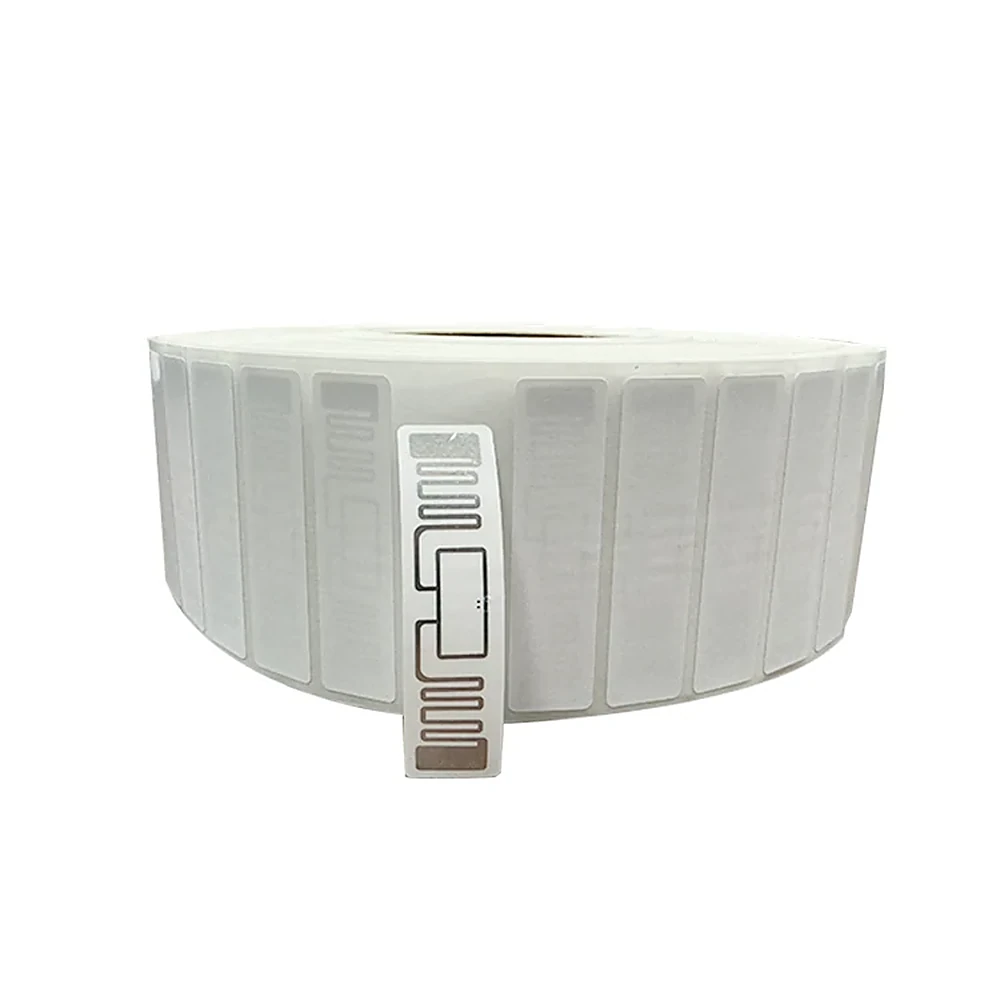
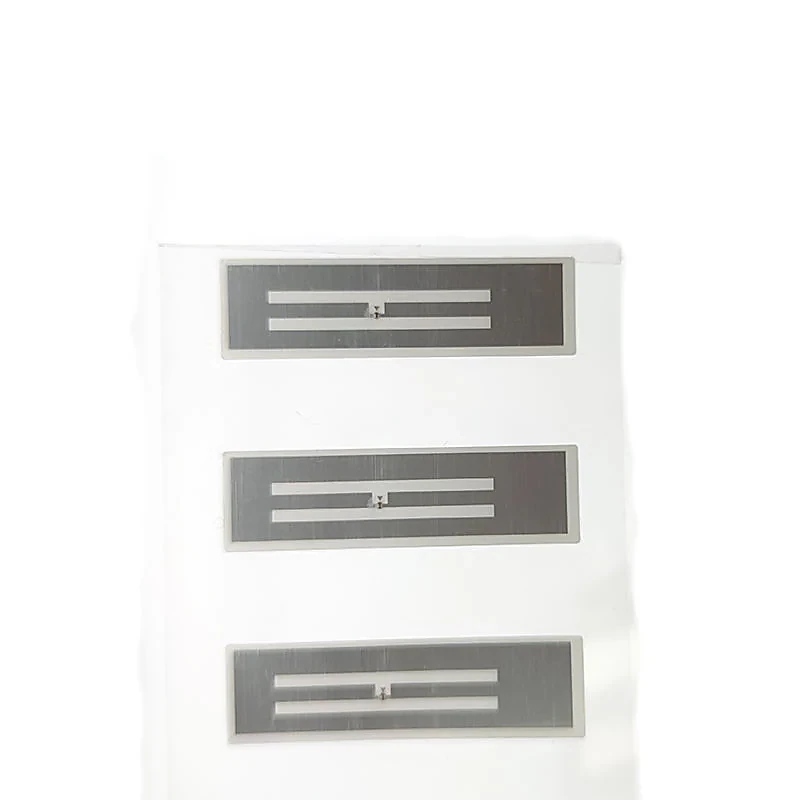
Hand-picked from the catalog for this use case, not an automatic industry match. Swipe or use the arrows to see all 11.


Water and ice absorb UHF strongly. Tag the outside of the crate rather than the item where possible, and test with your actual frozen product before committing.
Only with an adhesive rated for application at that temperature. Standard adhesive needs a warm surface to bond and will release later if applied cold.
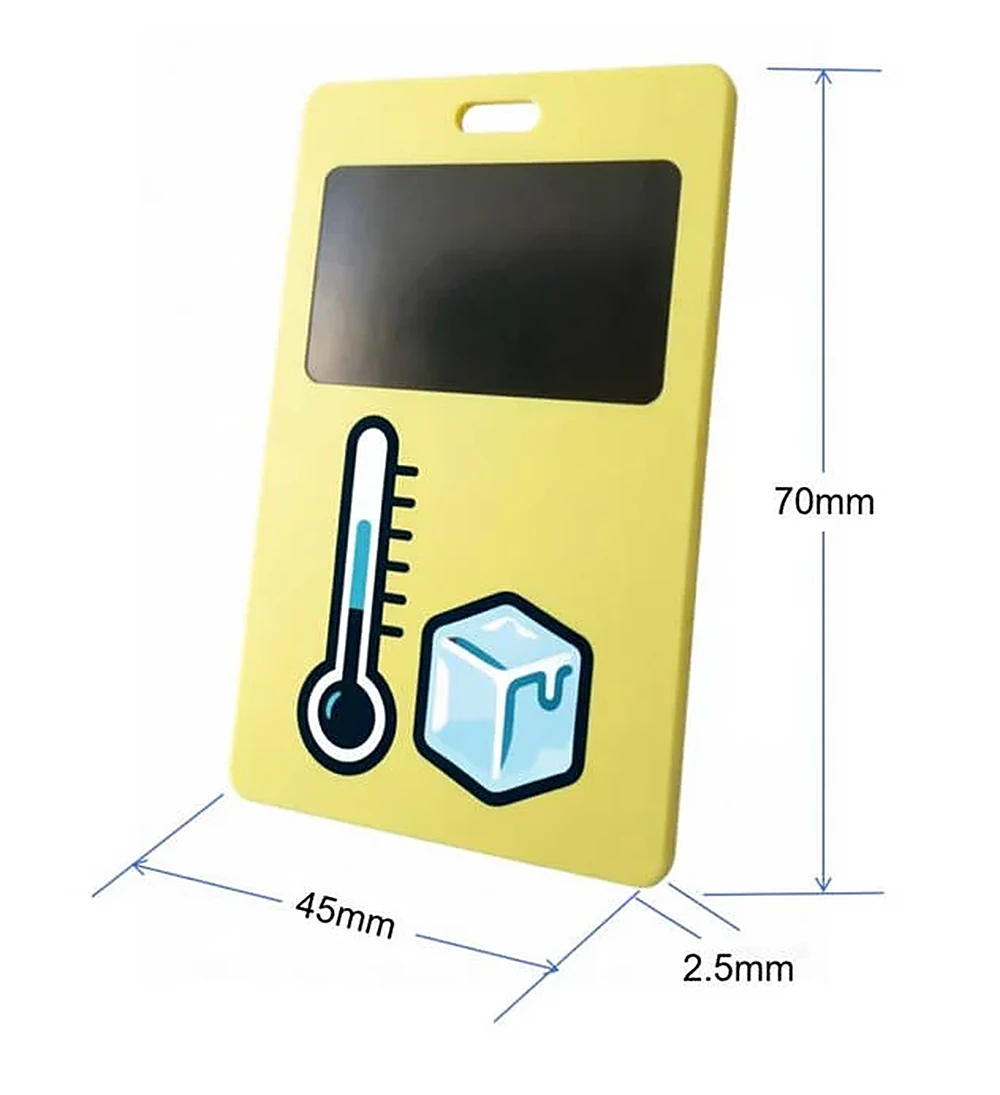
The temperature tag in our catalogue is an active 2.4 GHz tag powered by a solar cell and a storage battery, accurate to ±0.5 °C and working from -20 to +60 °C. It suits chilled loads; ask us about deep-frozen loads below -20 °C.
Tag the returnable crate permanently and link the batch to it on each trip; add case labels where customers need case-level proof. Items full of water are the hardest to read.
GS1 schemes: GRAI for crates, SSCC for pallets, SGTIN for cases. Link the batch to each at packing, so the recall query can follow it.
The industrial carrier tag is IP68 and rated -40 to +200 °C; test it through your own crate washer before ordering in volume.
Check each reader’s operating temperature. Where the cold store is colder than the rating, mount the reader outside and run the antennas in, and seal connectors against condensation.
Keep counts in short runs, keep spare batteries warm, and allow for condensation when the handheld comes back out.
Pick a batch, query where its crates and cases went, and compare the answer with the paper records. Run one in the pilot and then every quarter.
Tags facing inward on stacked crates, frost on labels, metal pallet frames and water-rich product between tag and antenna. Tag the same face of every crate and test with full loads.
Build a matched pilot
We will narrow the construction and sample set around your real operating conditions.
Get the latest news, case studies, and product updates from FYRFID delivered to your inbox. No spam — unsubscribe any time.
Thanks for subscribing — we’ll be in touch.
We couldn't subscribe you right now. Please try again.