Home
Products
About
Solutions
Resources Contact Get Your Quote
RFID Laundry & Linen Tracking System

Commercial Laundry & Textile Rental

Your Customer and Your Plant Count Different Numbers.

RFID Laundry & Linen Tracking System

Reliable handover counts depend on a tag construction that matches the real wash programme, attachment method and bulk-read point.

  • Disputes over what the customer returned
  • Linen disappears and nobody knows where
  • No idea how many cycles a garment has had
200-300+Wash cycles, catalogue laundry tags
-25 to +200 °CSilicone laundry tag
1-7 mSilicone tag read range

Catalogue specifications. Read range drops in dense, wet bags; design the read point for your worst case.

Plan your project

Pain points on site

Where the operation loses time, stock or control

Before the pilot, this is the starting point most operations recognise.

01

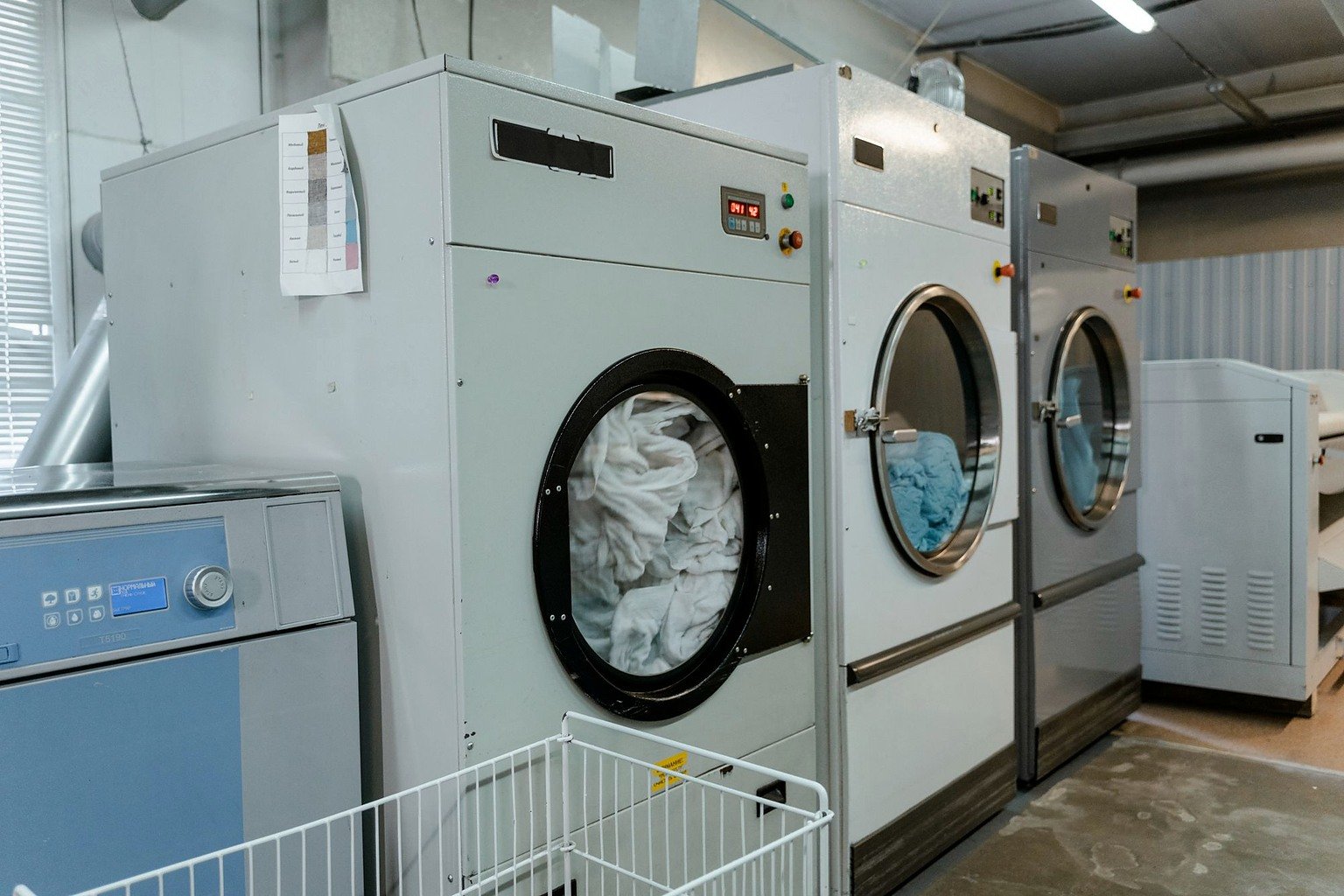
Disputes over what the customer returned

Manual counts on both sides never agree. Without an auditable record the laundry absorbs the loss.
02

Linen disappears and nobody knows where

Loss rates in hotel and hospital linen are a major cost line, and stock that is not tracked cannot be managed.

03

No idea how many cycles an item has had

Textiles are retired by guesswork instead of by wash count, so good stock is scrapped and worn stock stays in circulation.

04

Sorting by hand sends stock to the wrong account

Staff separate each customer’s linen by colour codes and labels. Every mistake becomes a shortage at one customer and a surplus at another.

05

Hospital linen leaves with the patient

Sheets, gowns and scrubs move between wards and departments, and nobody can say which ward is losing them.

06

Invoices are argued, not reported

Rental is billed on counts the customer cannot check, so every invoice starts a discussion instead of closing one.

How the solution works

From a tagged item to a traceable record

Laundry system ⇄ customer accounts Counts, wash cycles and losses per account
Count dispute Over wash limit Short pack

System rollout

From one customer account to the whole plant

Eleven steps in the order a laundry goes through them, with who does each one and how long it usually takes. Wash-testing tags through your own line and tagging stock in circulation move the date most.

6-10 weeksOne customer account through the plant
3-6 monthsAll accounts, cycle counts and customer reporting

Who does it:FYRFIDYour IT or laundry software providerYour plant and logistics team

Plan

01 Define the disputes and the baselineWhich counts are argued about, and what they cost. 1-2 weeksYour plant and logistics teamFYRFID
  • Customers and item types in scope
  • Measure today: losses per account, disputed counts, items retired early or late
  • The retirement rule you want: a wash count per item type

You getScope, baseline and retirement rules.

02 Survey the plant and the handoversEvery point where linen changes hands. 1-2 weeksFYRFIDYour plant and logistics teamYour IT or laundry software provider
  • Soiled sort, wash line, ironers, finishing and dispatch
  • Vehicles, cages and customer sites
  • Wash chemistry, temperatures and ironer settings

You getSurvey report with read points marked.

03 Wash-test samplesThrough your line, for real cycles. 3-6 weeksFYRFIDYour plant and logistics team
  • Tags on each item type, run through your wash and finishing line
  • Read range checked after the test cycles
  • Bulk reads on full cages and dense towel bags
  • Tag position per item type

You getWash-test report and approved tags.

Common mistakeAccepting a catalogue cycle rating without running your own line.

04 Design the counting rulesEvery read attributed to the right account. 1-2 weeksYour IT or laundry software providerFYRFID
  • Work orders selected before batch scans of mixed loads
  • Cycle count per item and the retirement rule
  • Customer reports for delivered, returned and missing

You getCounting rules and report design.

Build

05 Build the software and integrationFYRFID supplies reader SDKs; the laundry software side is built by your IT team or provider. 2-6 weeksYour IT or laundry software providerFYRFID
  • Handheld app for collection and delivery
  • Portal and station reads posted to the laundry system
  • Cycle counts and customer reports

You getA working test system.

06 Produce tags and order hardwareApproved tags, encoded with a data file. 2-4 weeks lead timeFYRFID
  • Laundry tags per item type
  • Handhelds, portal readers and station readers

You getTags and hardware delivered.

07 Install read pointsSort, dispatch and quality check. 1-2 weeksYour IT or laundry software providerYour plant and logistics team
  • Portal or cage readers at soiled sort and clean dispatch
  • Station readers at quality check and sorting
  • Handhelds for drivers

You getInstalled read points.

Go live

08 Tag stockNew stock at manufacture, existing stock in batches. Depends on stock in circulationYour plant and logistics team
  • New items tagged by the textile supplier or at receipt
  • Existing stock sewn or iron-on tagged in batches
  • Every tag bound to its item type and account

You getTagged stock.

09 Train and pilot one accountBoth counts automatic for one customer. 2-4 weeksYour plant and logistics teamYour IT or laundry software providerFYRFID
  • Drivers, sorters and dispatch staff trained
  • RFID counts compared with manual counts on both sides
  • Disputes settled from the read record

You getPilot report.

10 Roll out account by accountThe rest of the customers. Account by accountYour plant and logistics teamYour IT or laundry software provider
  • Tag each account’s stock the same way
  • Customer reports switched on per account

You getAll accounts live.

Run

11 Run and retire by the countRetirement becomes a rule. OngoingYour plant and logistics teamFYRFID
  • Retire items by wash count, not by eye
  • Replace lost tags at quality check
  • Monthly loss and dispute reports per account

You getReports and a maintenance plan.

Tags & hardware

Which tag for each textile, and what reads it

One row for each kind of textile. Wash ratings and ranges are catalogue figures; test samples through your own line, because chemistry varies more than temperature.

What you tagTag typeSizeRead rangeWhat it doesRead by

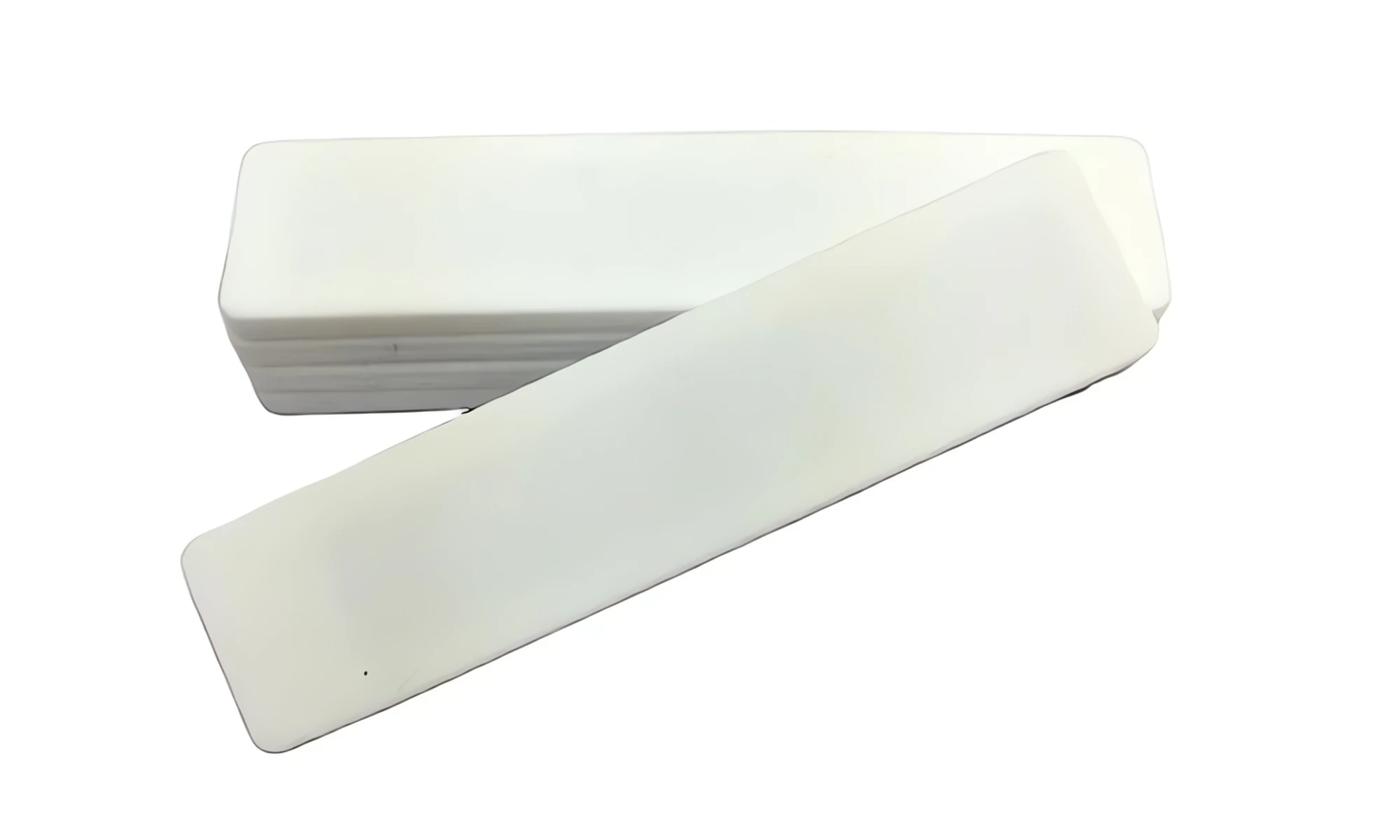
Flat linen

Sheets and duvet covers

55×12×2.5 mm or custom
1-10 m
Sewn or heat-sealed into the hem; IP68 silicone, -25 to +200 °C.

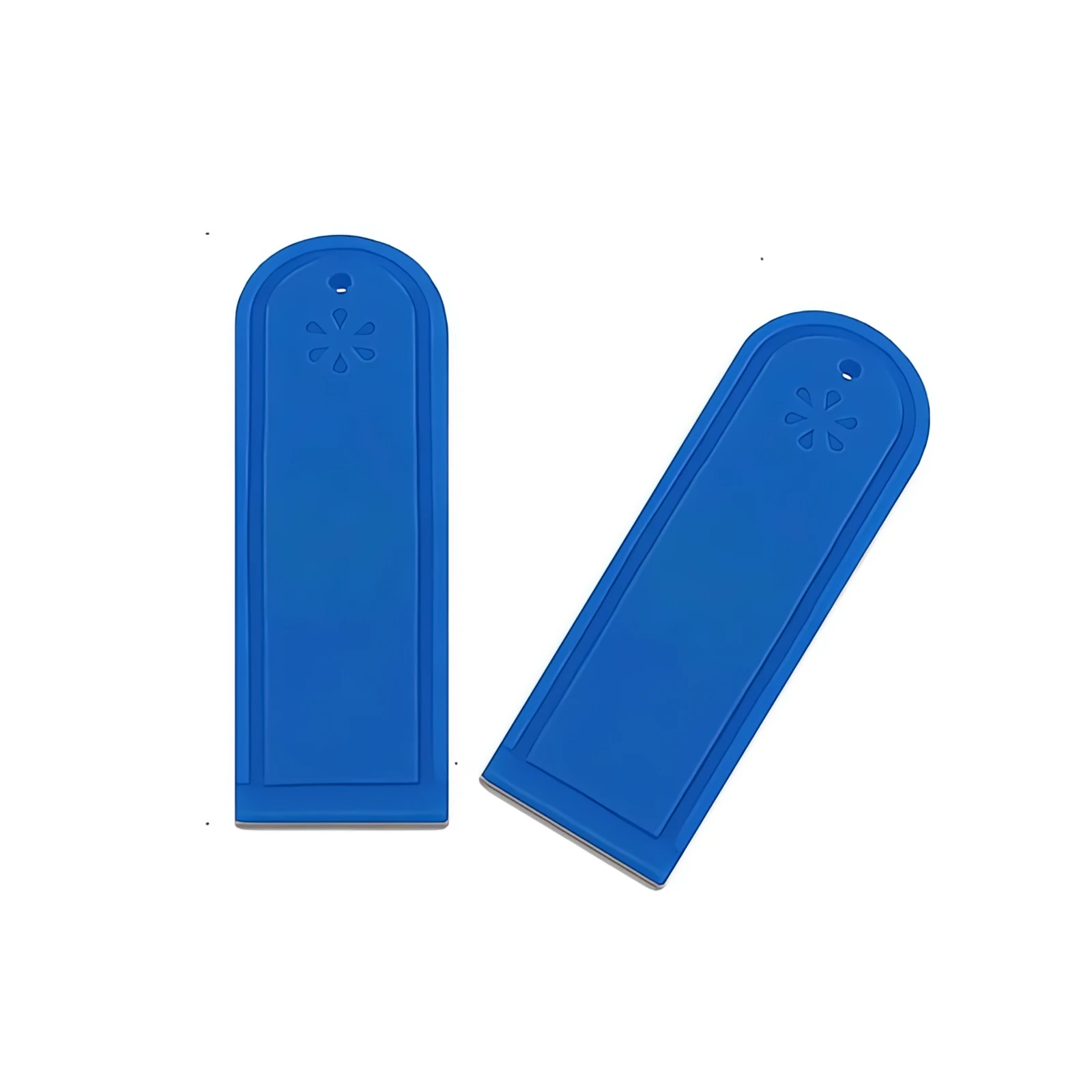
Towels and bathrobes

Dense, heavy bags

55×12, 56×20 or 85×27 mm
1-7 m
Longer-range silicone tag for the hardest case, dense bags of towels; 200 commercial cycles, -25 to +200 °C.

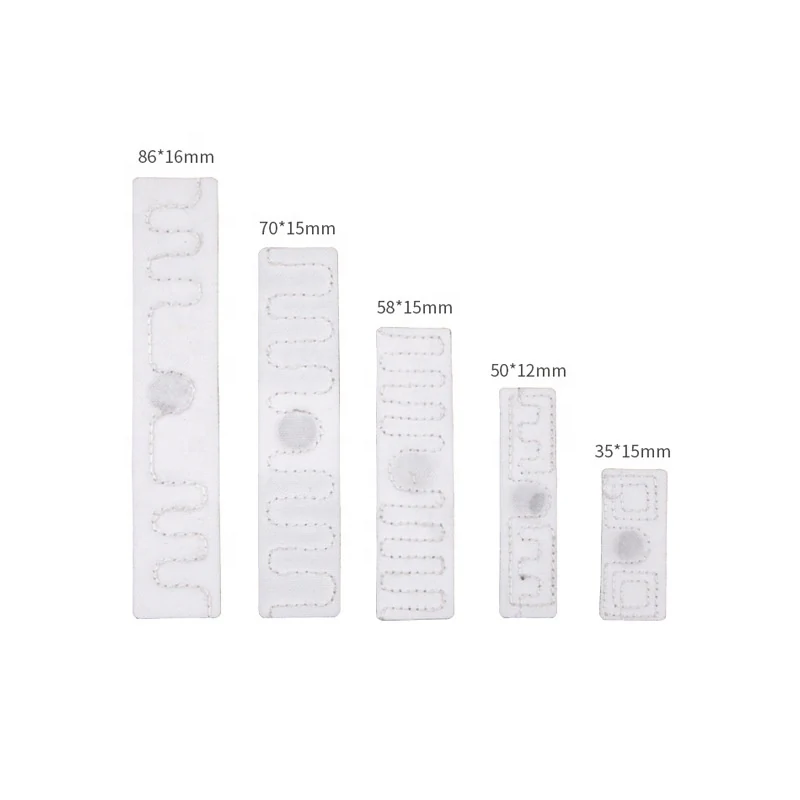
Uniforms and workwear

Sewn in or ironed on

60×20 to 70×15 mm, and others
Over 6 m fixed; 3 m handheld
Sew-in or iron-on label; the iron-on version suits retrofitting stock already in use.

Garments with button tags

Pocket or hem

Ø25×5 mm, Ø4 mm sewing hole
0.3-3 m
Small button tag sewn into a pocket or hem; rated 300+ wash cycles, -40 to +120 °C.

Mops, mats and heavy textiles

Frequent, harsh washing

Ø25×5 mm
0.3-3 m
Rugged button tag with a sewing hole; 300+ wash cycles, -40 to +120 °C.

The readers

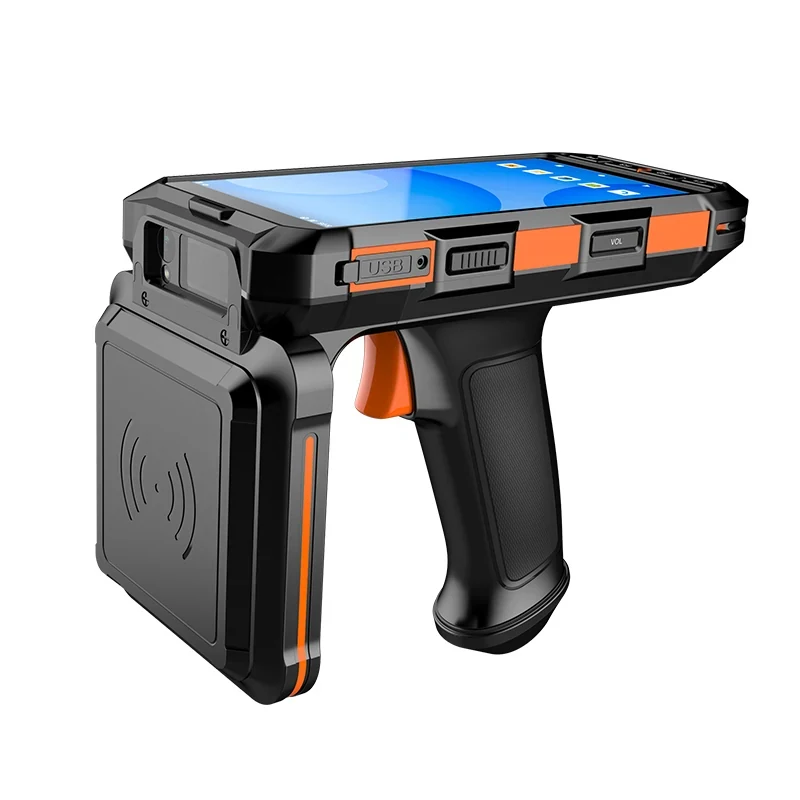
Handheld UHF reader

Collection and delivery

Android 13. Counts a bag at pickup and again on arrival, against the work order.

Fixed reader + antennas

Soiled sort and clean dispatch

4-port UHF reader, 0-20 m: reads cages and bags as they pass.
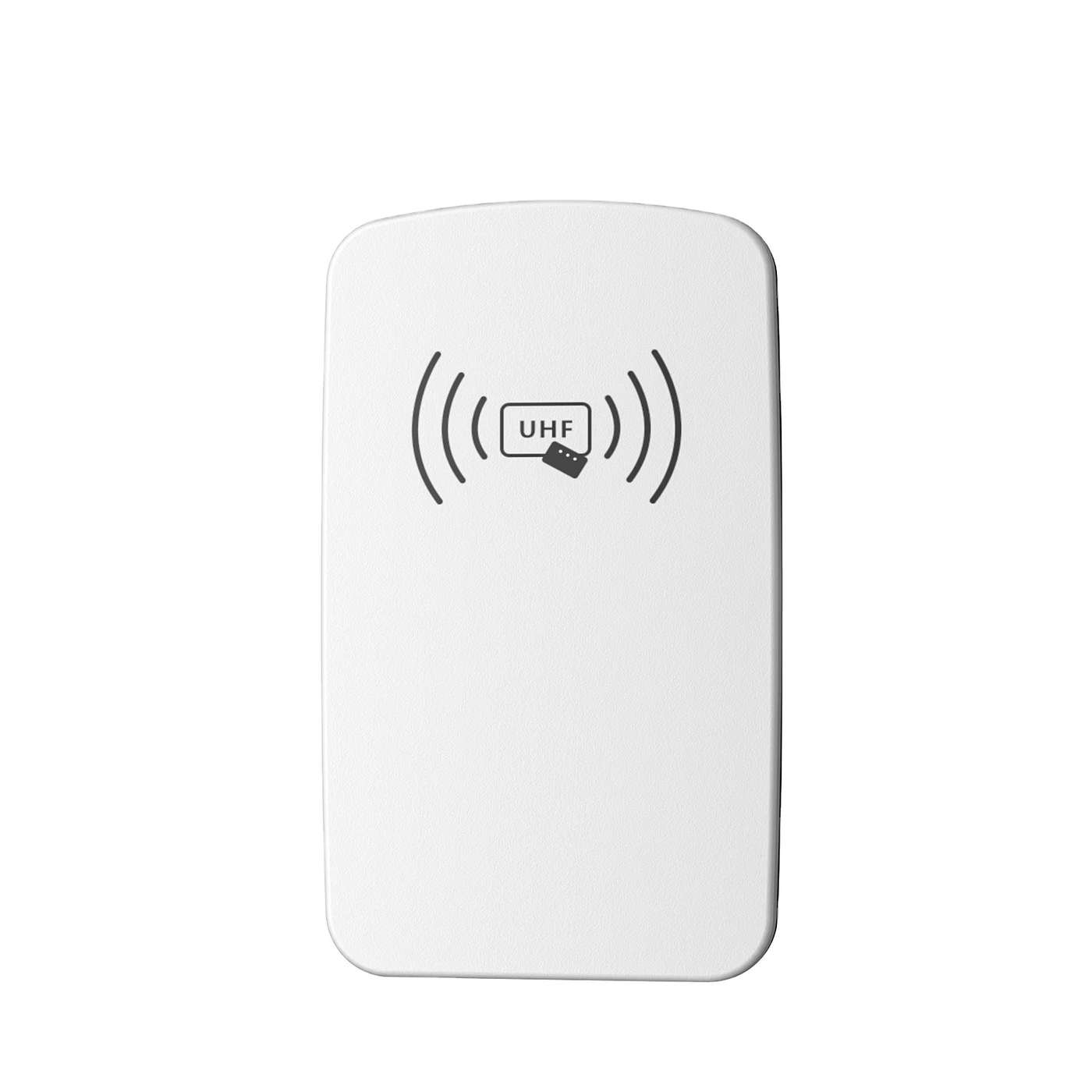
Desktop UHF reader

Quality-check and sorting stations

Reads one item at a time at 60-80 cm, without picking up the next bin.

Before we quote

Four answers decide the specification

Pick what matches your plant. Each answer shows what it calls for, and the summary goes to our engineers with your enquiry.

1What are you tagging?

2What is the wash programme?

3Where will it be read?

4How many items to tag?

Before a volume order

Three checks before you order laundry tags in volume

Each one is cheap to settle on samples and expensive to fix once the stock is tagged.

01Test tags through your own line

Wash Dry Iron Fold Read range check New tag After your wash cycles Accept only if the range still covers your read points.

What goes wrong

A tag rated for another plant’s line can fail early in yours, and the losses then look like customer theft.

Check before you order

  • Wash chemistry, temperatures and ironer settings
  • Samples run through your line for real cycles
  • Read range re-checked after the test cycles

02Design read points for your densest bags

Packed within centimetres Count test Test bag, loosely packed Your towel bags, packed tight Test at full density, with your own packs, before scaling.

What goes wrong

Tags packed tightly in a wet towel bag shield each other, so a read point that counts shirts perfectly misses towels.

Check before you order

  • Read tests on full, dense bags and cages
  • Several antennas and a slower pass for the worst case
  • Counts compared with manual counts on the same bags

03Sign off tag position per item type

Signed-off sample tag · position · stitching Batch 1 Batch 2 Batch 3 same construction, every order

What goes wrong

Tags sewn where the ironer presses or where folds stack them together fail early or read short.

Check before you order

  • Tag position for each item type
  • Sewing, iron-on or heat-seal attachment approved
  • The sample part number quoted on every repeat order

Tags and washing

Will the tag survive our tunnel washer and ironer?

The catalogue laundry tags are rated for 200 to 300+ wash cycles, and the silicone tag to +200 °C. Run samples through your actual line before committing, because chemistry varies more than temperature.

Can we retrofit stock that is already in circulation?

Yes, with iron-on or heat-seal labels, which need a press rather than a sewing line. It is slower than tagging at manufacture but avoids scrapping usable stock.

Where should the tag go on each item?

Away from the ironer’s press and from folds that stack tags together: usually a hem corner or a care-label position. We confirm the position per item type during the wash test.

Reading and counting

How well does bulk reading work on a full cage?

Well for shirts and flat linen, less well for tightly packed towels where tags shield each other. Design the read point around your worst case, usually with several antennas and a slower pass.

What if a vehicle carries more than one customer’s linen?

The tag does not prevent a mixed read; the fix is operational. Staff select the correct work order before batch-scanning a mixed load, so reads go to the right account.

How are wash cycles counted?

Each read at a fixed point in the plant, such as the soiled sort, adds a cycle to that item, so retirement becomes a rule instead of an opinion.

Running it

How do RFID counts settle disputes?

The handheld count at pickup and the portal count at the plant are both recorded against the work order, so the customer report shows what was delivered, returned and missing, item by item.

What happens when a tag fails?

Quality-check stations read items one at a time; an item with a dead tag is re-tagged and re-bound to its record before it goes back into circulation.

Build a matched pilot

Send the item, environment, read point and annual volume.

We will narrow the construction and sample set around your real operating conditions.

Stay Updated on RFID Industry Trends

Get the latest news, case studies, and product updates from FYRFID delivered to your inbox. No spam — unsubscribe any time.

Thanks for subscribing — we’ll be in touch.