01
Laundries with tunnel washers
Tags must handle heat and pressure.
Typical setupSilicone, −25 °C to +200 °C, IP68.
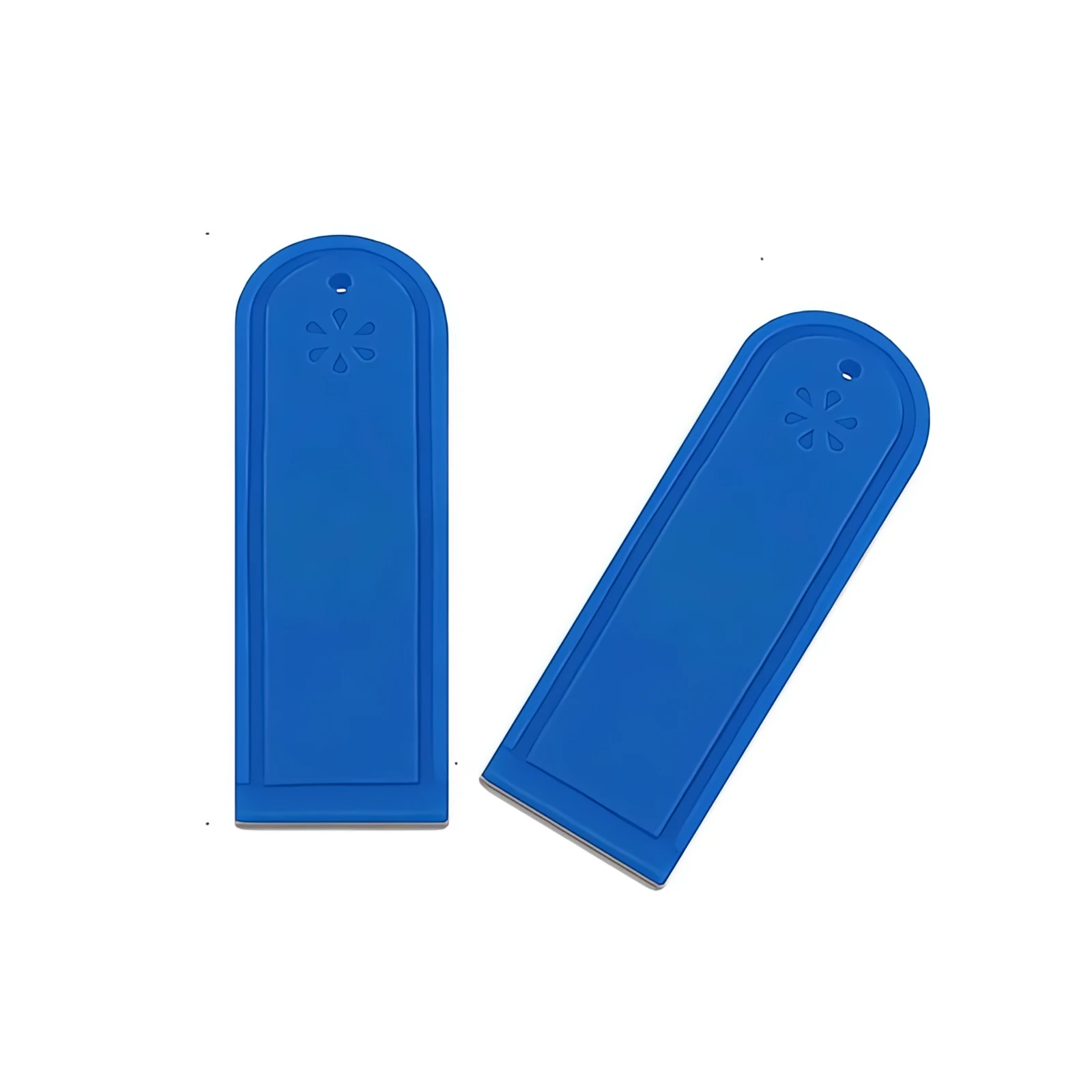
This is a soft silicone tag you sew into linen and uniforms, so each item has its own number. It survives very hot finishing (up to 200°C) and can be read from several metres away, so a whole cart is counted in seconds. Key facts: IP68 · reads UHF: 1-10m; MOQ 50pcs.

Tags must handle heat and pressure.
Typical setupSilicone, −25 °C to +200 °C, IP68.
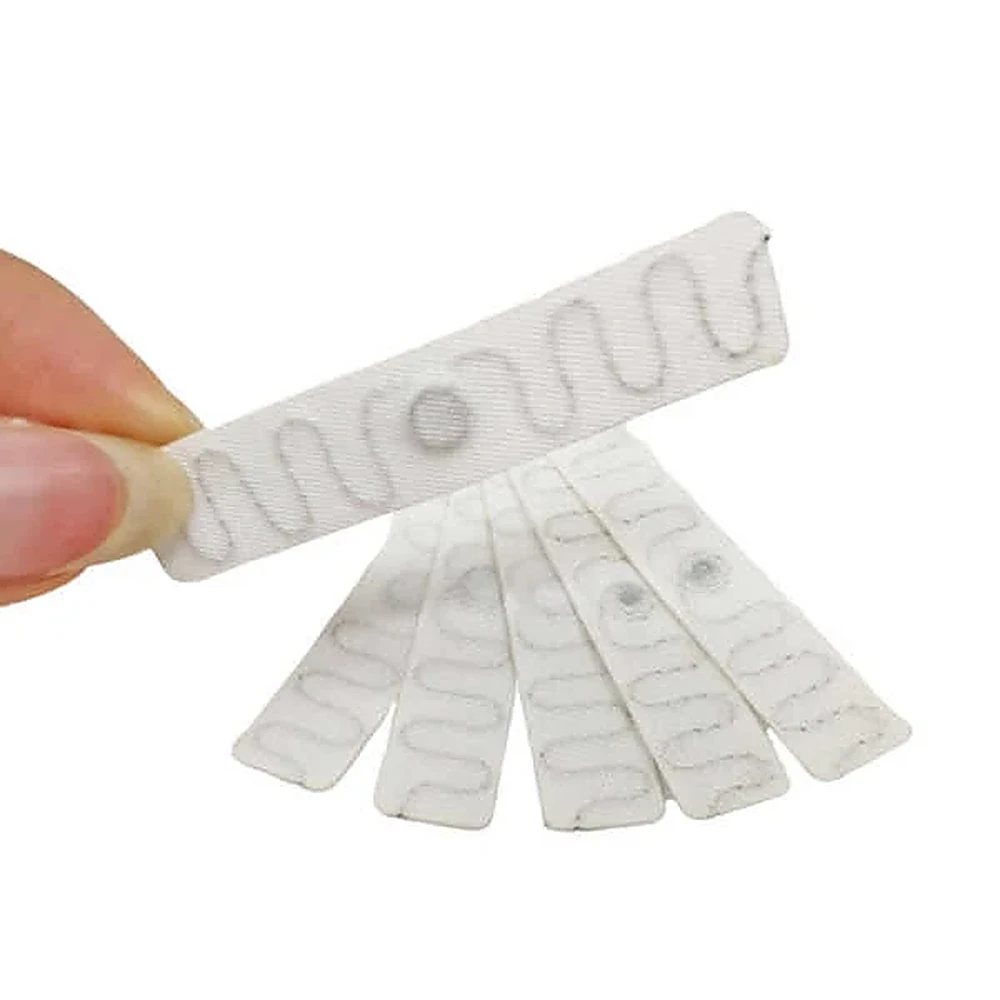
Garments are tagged by sewing or heat sealing.
Typical setupSewing, heat-sealing or inserting.
Bundles are read at a distance.
Typical setupRead range 1–10 m depending on reader and antenna.
Towels and sheets are counted per room.
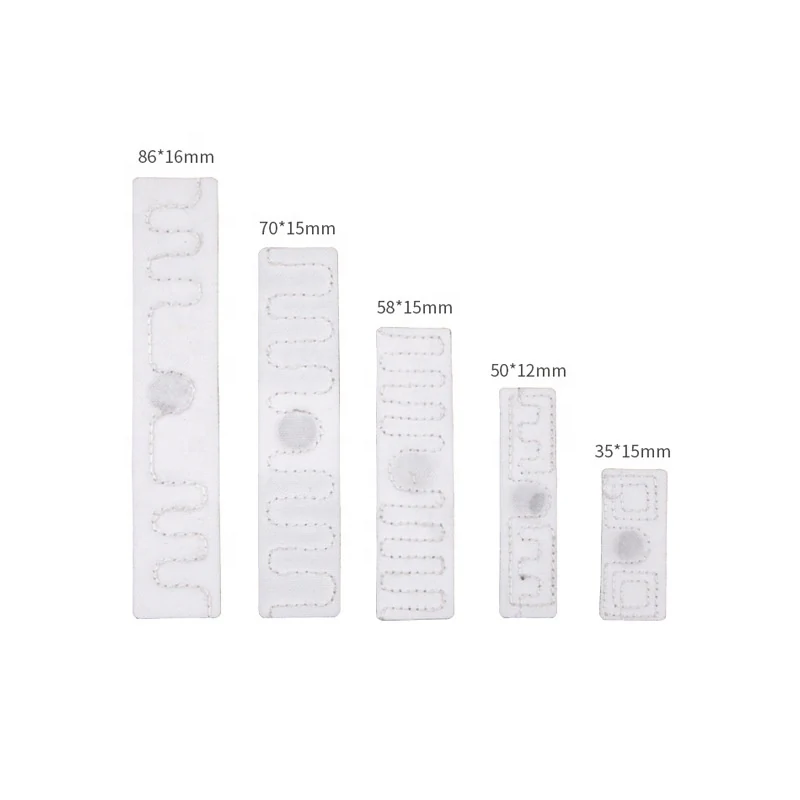
Typical setup55 × 12 × 2.5 mm, or customized.
This is a soft silicone tag you sew into linen and uniforms, so each item has its own number. It survives very hot finishing (up to 200°C) and can be read from several metres away, so a whole cart is counted in seconds.
How it works, in plain words
What you need to use it
What it looks like in your business
Today: someone counts bags of towels by hand when they arrive and again when they leave, and arguments start when the numbers differ. With the tag: you roll the cart past the reader and the screen shows the count for each item type. Do the same when the cart leaves. If 12 went out and 9 came back, you see which three are missing. For this product: material Silicone, operating temperature -25 °C / +200 °C, minimum order 50pcs.
What you get: No more hand counting, and no more arguments about missing items.
Today: linen goes missing between the ward and the laundry, and nobody knows where. With the tag: a reader at the ward door and one at the laundry show what left and what arrived. A gap points to the place where items go missing. For this product: material Silicone, operating temperature -25 °C / +200 °C, minimum order 50pcs.
What you get: Fewer losses, and you can show where they happen.
Each time an item passes the reader, the system adds one wash to its record. You see which items have been washed 150 times and which only 20, so you replace the oldest first, not by guessing. For this product: material Silicone, operating temperature -25 °C / +200 °C, minimum order 50pcs.
What you get: Buy replacements when needed, not too early or too late.
Today: many tags fail in the hot ironer or tunnel finisher. With the tag: it is made of silicone rated to 200°C, so it passes through hot processes with the textile.
What you get: No tag failures in the hot part of the process.
Today: a tag is chosen from a data sheet and then fails in your tunnel, press or chemicals. With the tag: order a small sample, sew it into real items and put them through your hottest programme and your finishing line. Check that the tags still read, then place the volume order. For this product: material Silicone, operating temperature -25 °C / +200 °C, minimum order 50pcs.
What you get: A tag proven in your wash.
The hardware and software that work with the UHF Silicone Laundry Tag in a typical project.
Sewn or attached to each item.
Portals at receiving, sorting, post-wash and delivery; handhelds for spot checks.
Filters repeated reads and passes clean data on (often part of the software).
Records every pass and counts washes.
List the points where items change hands: collection, receiving, sorting, washing, finishing, packing and delivery. Decide where readers go.
Choose by item type and wash conditions. Sew-in tags suit uniforms; patch or heat-seal tags suit sheets and towels.
Attach a tag to each item and read it once to link the number to the item and its owner.
Place portals or handheld stations at the chosen points, and adjust power so that only the cart in front of the reader is read.
Run a few hundred tagged items through a full cycle, compare the counts and fix what is missed before rolling out.
| Chip / IC | H3, H4, U8,U9, etc |
|---|---|
| Frequency | 860-960MHz |
| Protocol / Standard | EPC Global Class 1 Gen2 & ISO18000-6C |
| Memory | 128 bits |
| Read range | UHF: 1-10m (depends on the reader and antenna) |
| Size | 55x12x2.5mm,Or customized |
| Material | Silicone |
| Operating temp | -25 °C / +200 °C |
| Waterproof / IP | IP68 |
| Mounting | Sewing, heat-sealing, inserting |
| Certifications | ISO 18000-6C, EPC Gen2 |
Need a value that is not listed? Ask in the form and our engineers will confirm it for your order.
| MOQ | 50pcs |
|---|---|
| Sample policy | Free samples available |
| Sample quantity | 10-20 pcs |
| Sample lead time | 5-7 days |
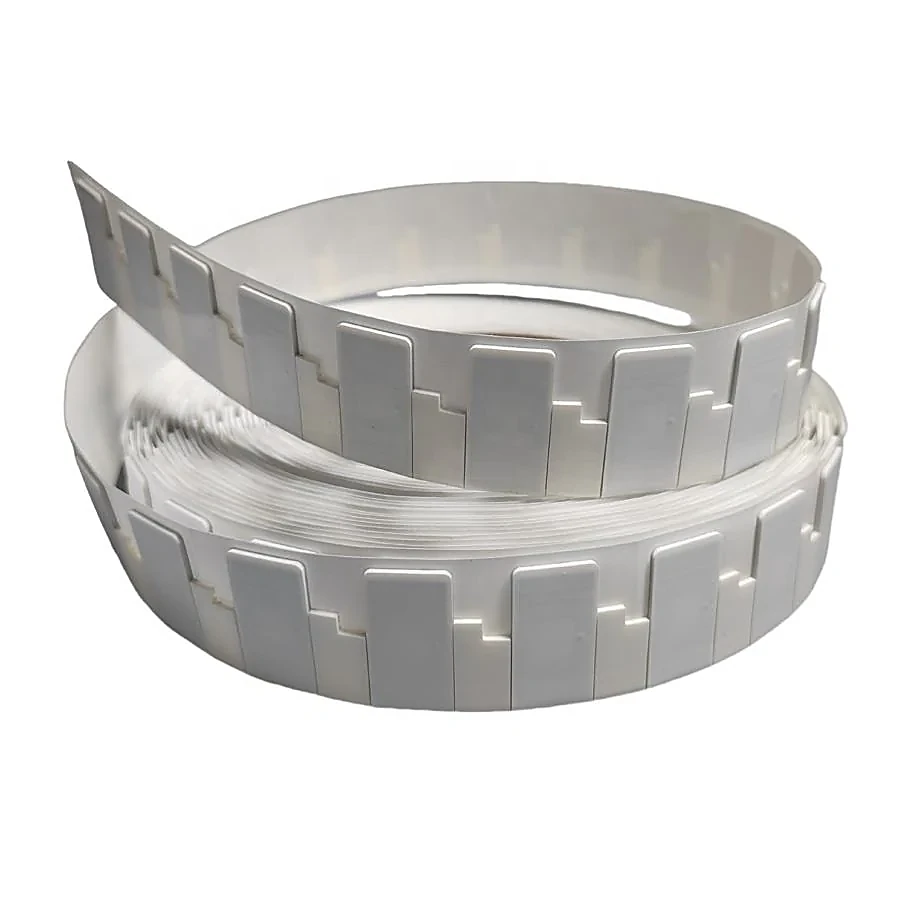
| Packaging | 5000pcs/carton |
| Pricing | Quoted per project and quantity. Send your quantity and requirements in the form. |
| Printing & branding | Logo or number printing are available |
|---|---|
| Chip encoding | Chip encoding available on request |
Selected technical, installation and application media for this product.
By sewing, heat-sealing or inserting.
H3, H4, U8, U9 and others.
1–10 m, depending on reader and antenna.
50 pcs; packed 5000 pcs per carton.
A handheld is enough to start and for spot checks. Fixed readers at the dock and at delivery read whole carts automatically, so they suit higher volumes.
The software counts each pass through the wash, so you can retire items by wash count instead of by guess.
Test samples through your own hottest wash and finishing before ordering volume. Tag life depends on temperature, chemicals and mechanical stress.
Yes. It compares what was read in at the dock with what is read out at delivery, per customer.
The price depends on the chip, size, material, printing and quantity, so we quote per project. Send us the quantity and the use, and we will reply with a quote. Samples are available for testing before a volume order.
The minimum order quantity is 50pcs. Before bulk production we can send 10-20 pcs for testing.
Free samples available. Sample quantity: 10-20 pcs. Samples are ready in 5-7 days.
Printing and customization: Logo or number printing are available. Encoding: Chip encoding available on request.
Last updated:
Tell us your quantity, application and delivery country. We reply within 24 hours.