01
Traceability compliance is mandatory and audited
National schemes require every animal to carry a unique, approved identifier. A gap in the record blocks movement and sale.
Livestock Management · ISO 11784/85
Traceability Compliance Starts at the Ear Tag.
Traceability starts with a readable animal ID matched to the country programme, species and field reader.
Catalogue specifications. Read range depends on the reader and how the animal passes it.
Plan your projectPain points on site
Before the pilot, this is the starting point most operations recognise.
National schemes require every animal to carry a unique, approved identifier. A gap in the record blocks movement and sale.
Brittle plastic cracks in continental cold. Every lost tag means re-tagging, a compliance gap and an animal whose history is in doubt.
Weights and treatments are noted on paper at the crush and typed in later. Numbers are misread, and some never reach the herd record.
Animals moving between pens, races and trucks are counted by a person watching. A miscount becomes a movement report that does not match the animals.
Schemes set short deadlines for births and moves. When the record is assembled by hand, the report is late or incomplete.
How the solution works
System rollout
Nine steps in the order a farm or feedlot goes through them, with who does each one and how long it usually takes. Confirming the national scheme comes first.
You getConfirmed tag specification for the scheme.
Common mistakeOrdering tags before the scheme requirements are confirmed.
You getRead point plan.
You getApproved tag and applicator.
You getTags delivered.
You getWorking records and reporting.
You getRace read points in place.
You getTagged herd.
You getFirst report accepted.
You getReorder plan.
Tags & hardware
One row for each kind of tag. Your national scheme decides the frequency, numbering and often the approved tag, so check the first row against it.
ISO 11784/11785
Read without handling
Scheme ID plus long range
Where the scheme asks for one
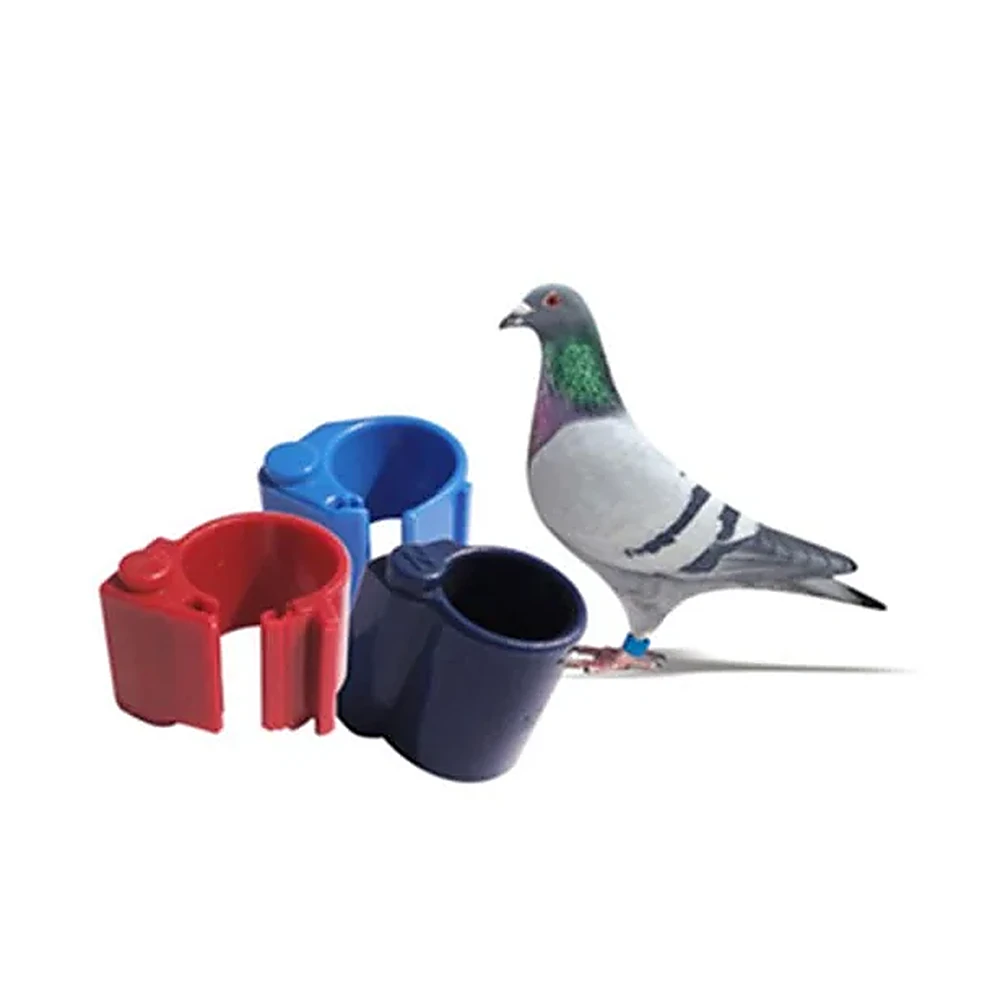
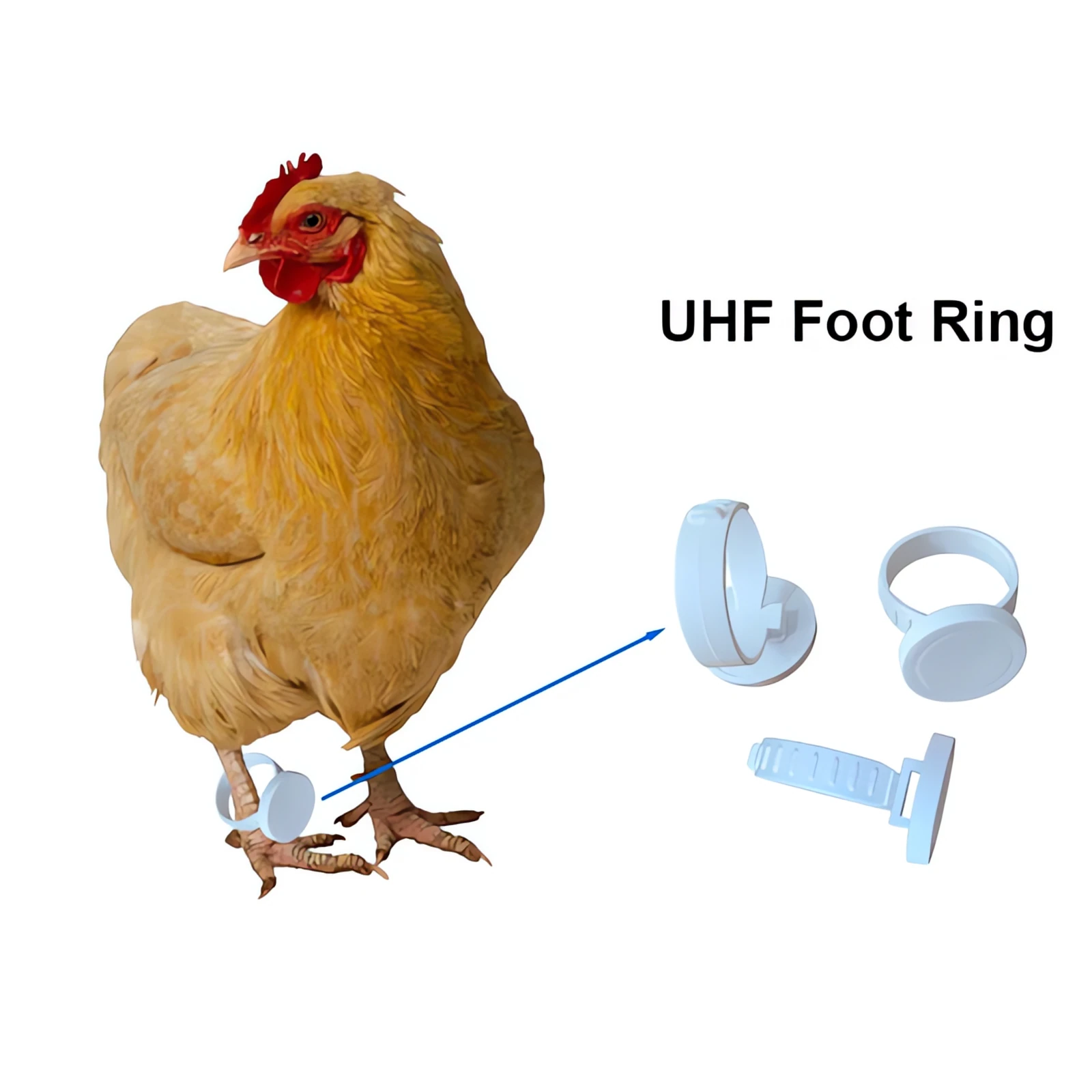
Leg rings
Location, not just ID
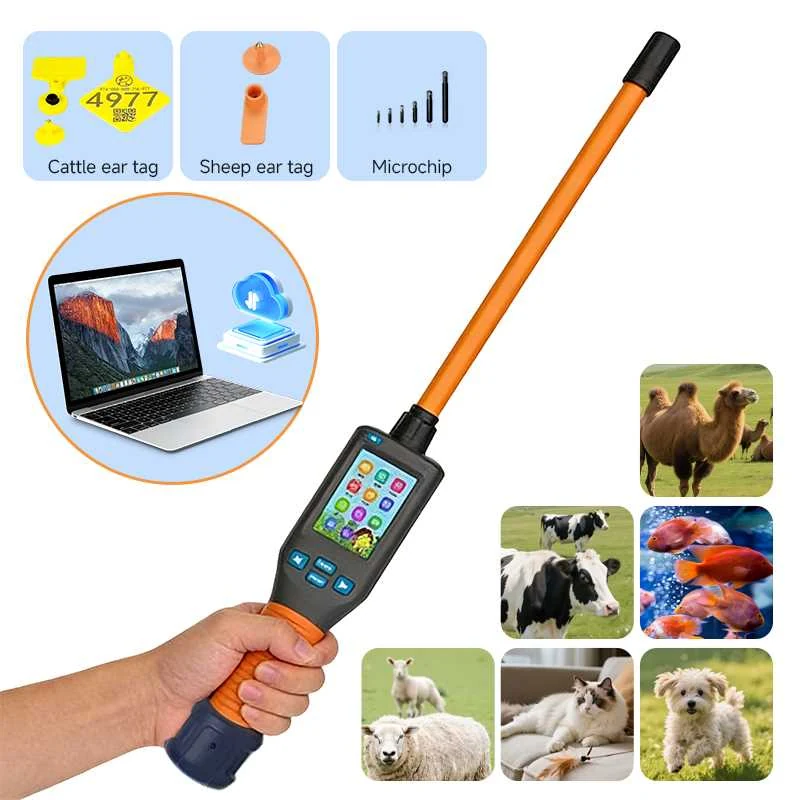
Crush, pens and sale yards
Reads ISO 11784/11785 tags at 1-25 cm in under 100 ms.
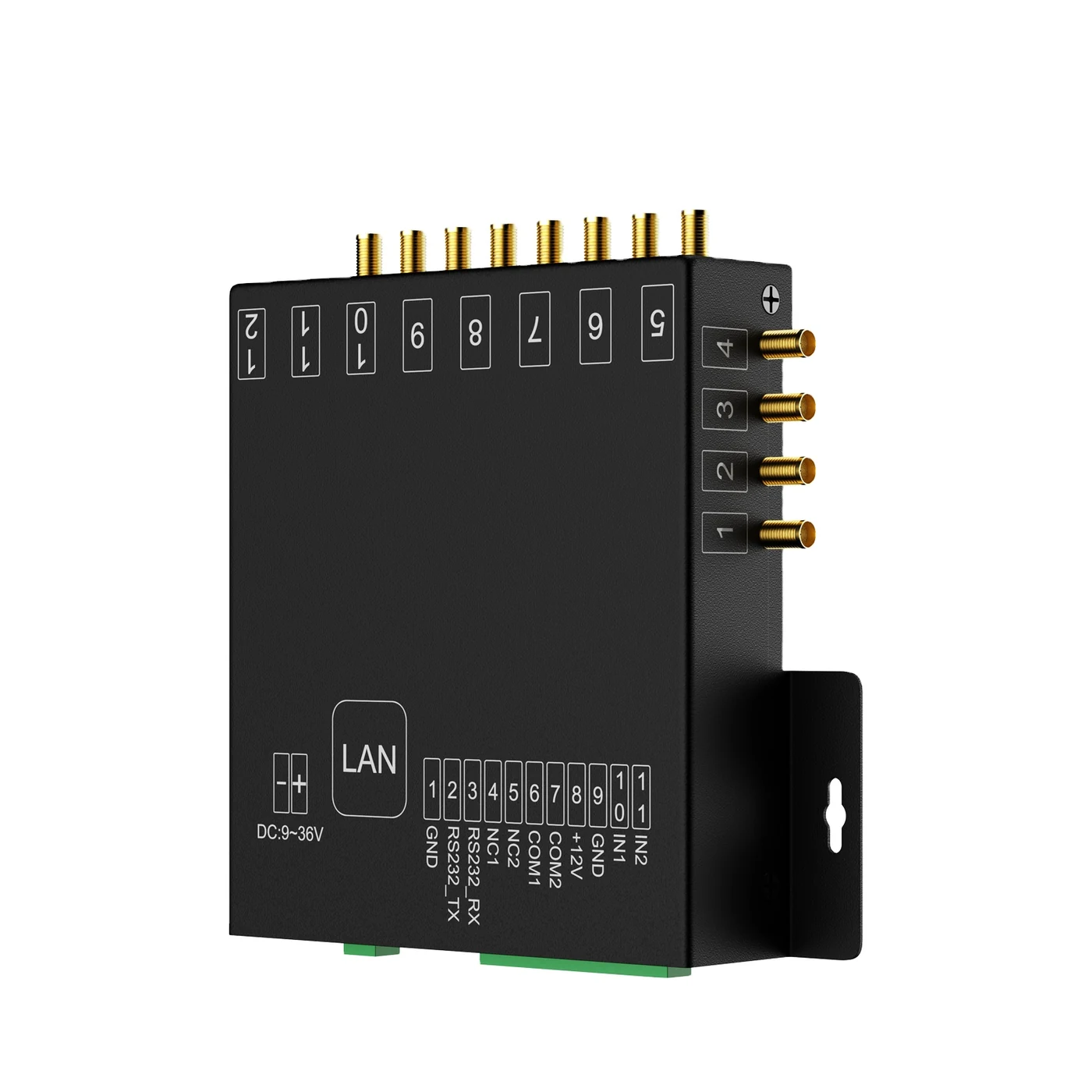
Races, gates and weighing points
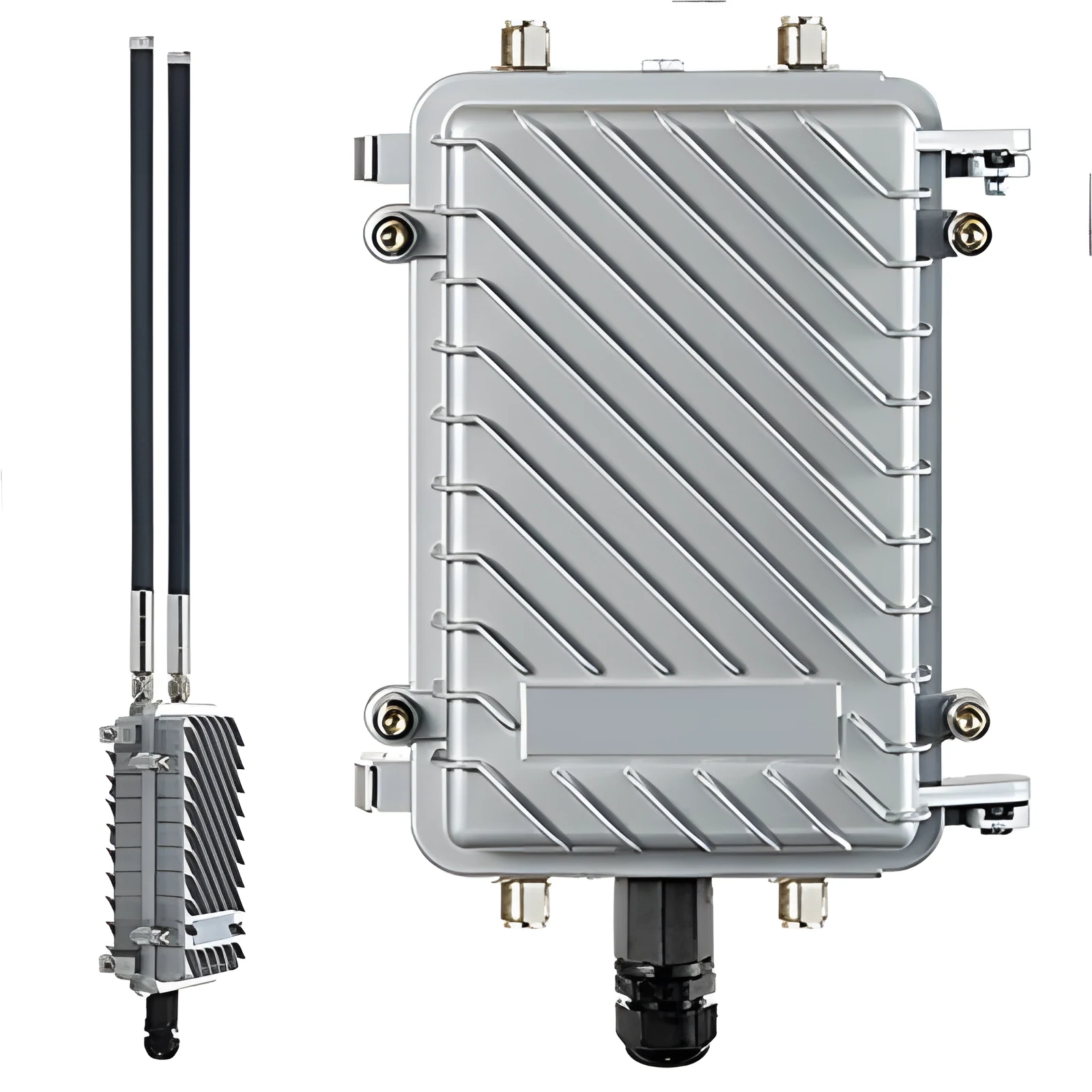
Long-range UHF reader that records animals as they pass.
Anywhere
The printed number is read by eye or photographed.
Before we quote
Pick what matches your herd. Each answer shows what it calls for, and the summary goes to our engineers with your enquiry.
Before a volume order
Each one is cheap to settle on a test group and expensive to fix once the herd is tagged.
A tag that is not on the approved list, or numbered outside the scheme’s ranges, blocks movement and sale.
A laser-marked number that does not match the encoded ID creates two identities for one animal.
Animals born without tags in stock miss the scheme’s registration deadline.
Related products
Hand-picked from the catalog for this use case, not an automatic industry match. Swipe or use the arrows to see all 10.




Most national cattle and small-ruminant schemes require ISO 11784/11785 FDX-B at 134.2 kHz. Tell us the country and programme and we confirm what we can supply against it.
Yes, with the country code and unique number matched to the encoded ID, and a data file with every order.
Only if your scheme allows it. Most schemes require the LF ISO tag; UHF is added for long-range reads at races, either as a separate tag or in a dual UHF + LF ear tag.
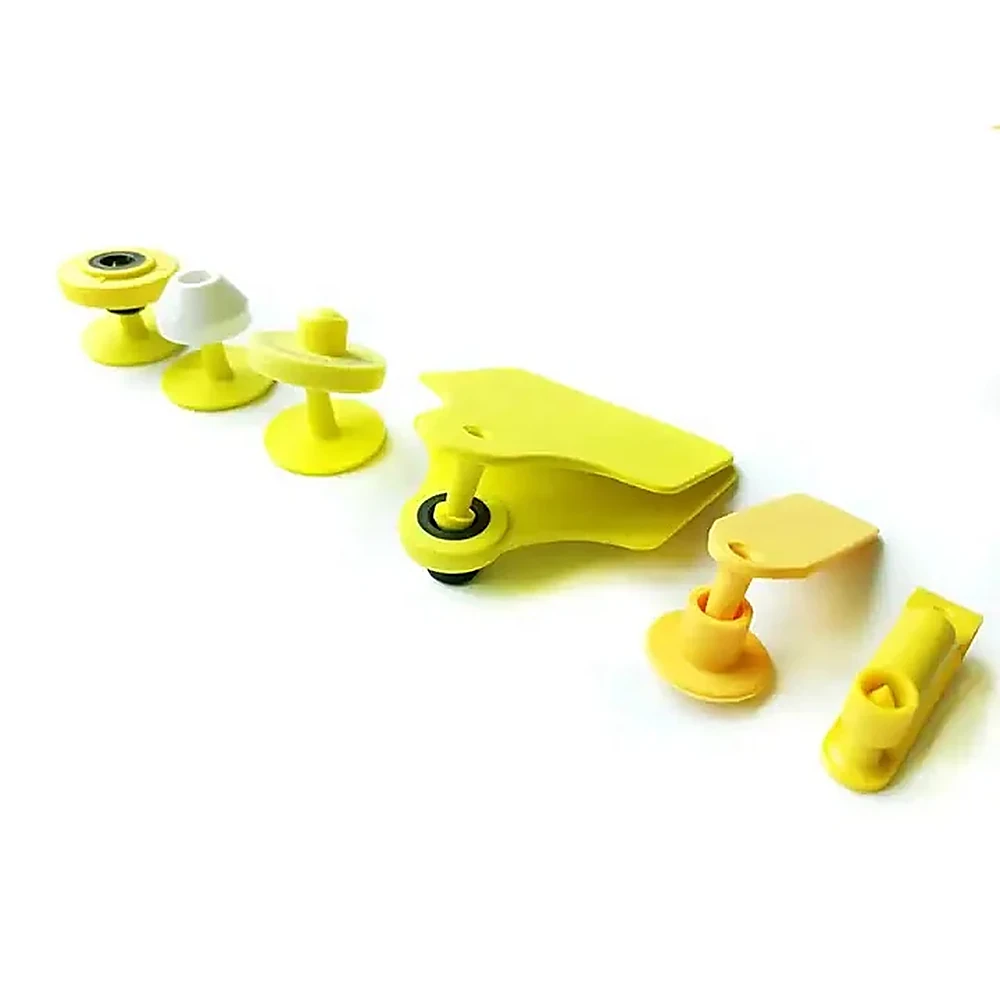
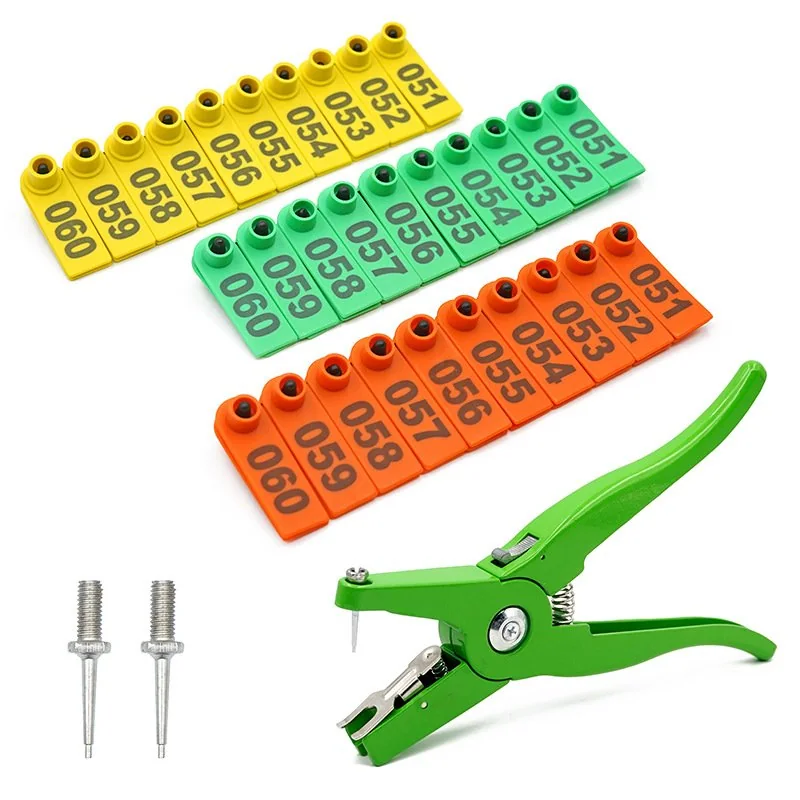
An ear tag with a chip inside, read by a stick or panel reader. For official schemes it is an ISO 11784/11785 tag at 134.2 kHz, FDX-B or HDX, carrying the animal’s 15-digit number. UHF ear tags read from metres away and suit races and feedlots, alongside the official tag.
With the matched applicator and correct placement in the middle third of the ear, losses stay low; applicator technique matters more than the tag. Track losses per batch so problems show early.
TPU ear tags stay flexible down to -40 °C, which is the main reason they hold where brittle plastic cracks in continental winters.
Yes. Our 2.45 GHz livestock tag reports the animal’s location and also its body temperature and activity to long-range readers, so a possible fever or unusual movement can be flagged early. It is worn alongside the official ID ear tag, not instead of it.
An FDX-B / HDX stick reader: it reads ISO tags at 1-25 cm in under 100 ms. Race readers suit animals passing without handling and work with UHF tags.
It can. Where the programme requires it, the animal’s ID hands off to a coded tag at slaughter, so one traceable code follows the batch through processing.
Reads go into your herd software against each animal; the software produces birth and movement reports in the scheme’s format.
Build a matched pilot
We will narrow the construction and sample set around your real operating conditions.
Get the latest news, case studies, and product updates from FYRFID delivered to your inbox. No spam — unsubscribe any time.
Thanks for subscribing — we’ll be in touch.
We couldn't subscribe you right now. Please try again.