01
Large farms & ranches
You know which animals are in which area.
Typical setupActive tag, over 150 m.
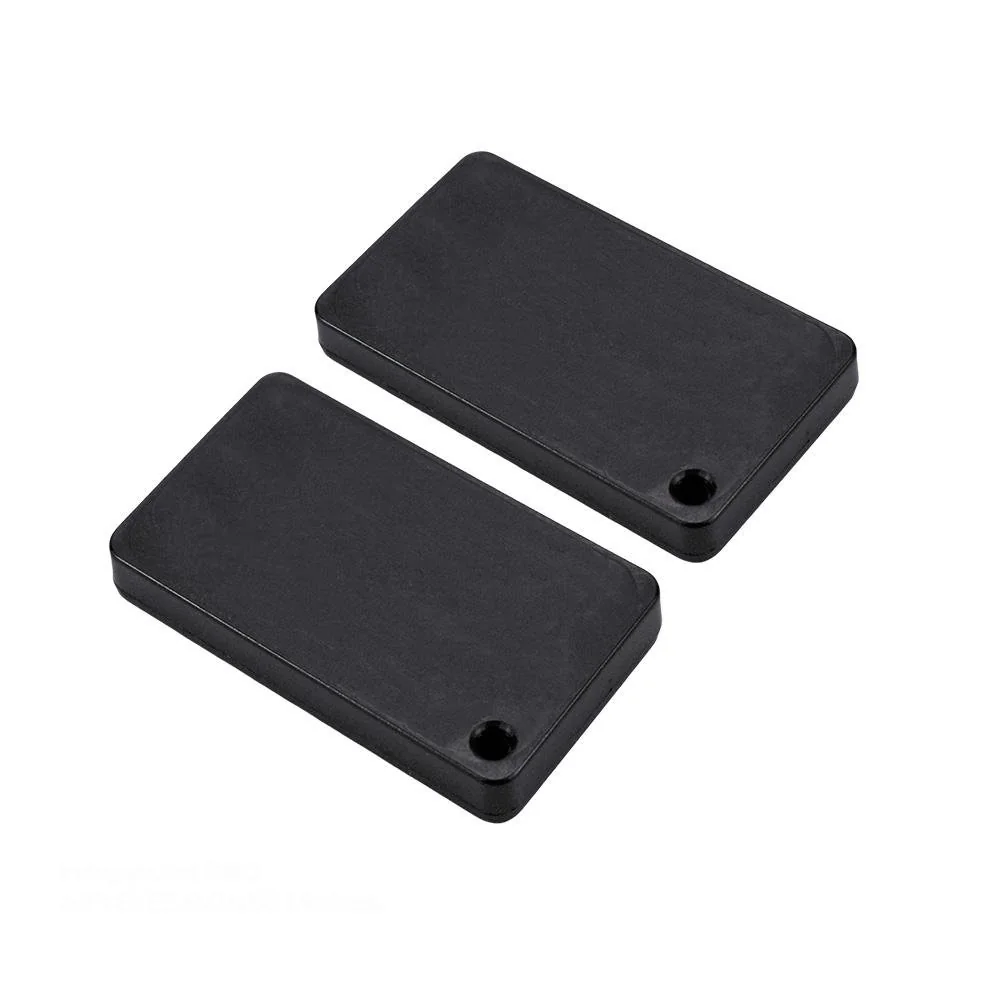
This is a battery-powered tag for animals that sends out its own signal. A matching reader up to 150 m away hears it, so a few readers cover a large ranch. Key facts: 47×36×9mm · IP67; MOQ 50pcs.

You know which animals are in which area.
Typical setupActive tag, over 150 m.
Presence is logged at feeders and water points.
Typical setup2.45 GHz proprietary protocol.
Tags stay on animals in all weather.
Typical setupIP67.
This is a battery-powered tag for animals that sends out its own signal. A matching reader up to 150 m away hears it, so a few readers cover a large ranch. You see which animals are near a reader, not just which animals passed a gate.
How it works, in plain words
What you need to use it
What it looks like in your business
Today: you drive round the paddocks to find animals, and a sick or lost one may go unnoticed for days. With the tag: readers at water points and gates log each tag as it comes into range. The screen shows where animals gather and which are missing.
What you get: Far fewer readers than a short-range system.
Today: a sick animal is noticed only when it is very ill. With the tag: each sighting is logged with the time. An animal that stops coming to water shows up in the data.
What you get: Early warning for a sick or lost animal.
Today: electronics fail in rain, dust and knocks. With the tag: it is waterproof (IP67) and works from −20°C to +60°C. It is 47 × 36 × 9 mm and fixed with paste and screws.
What you get: It survives the field.
Today: tags from one supplier often do not work with readers from another. With the tag: these tags use a private 2.4 GHz protocol, so buy tags and readers together.
What you get: No compatibility surprises.
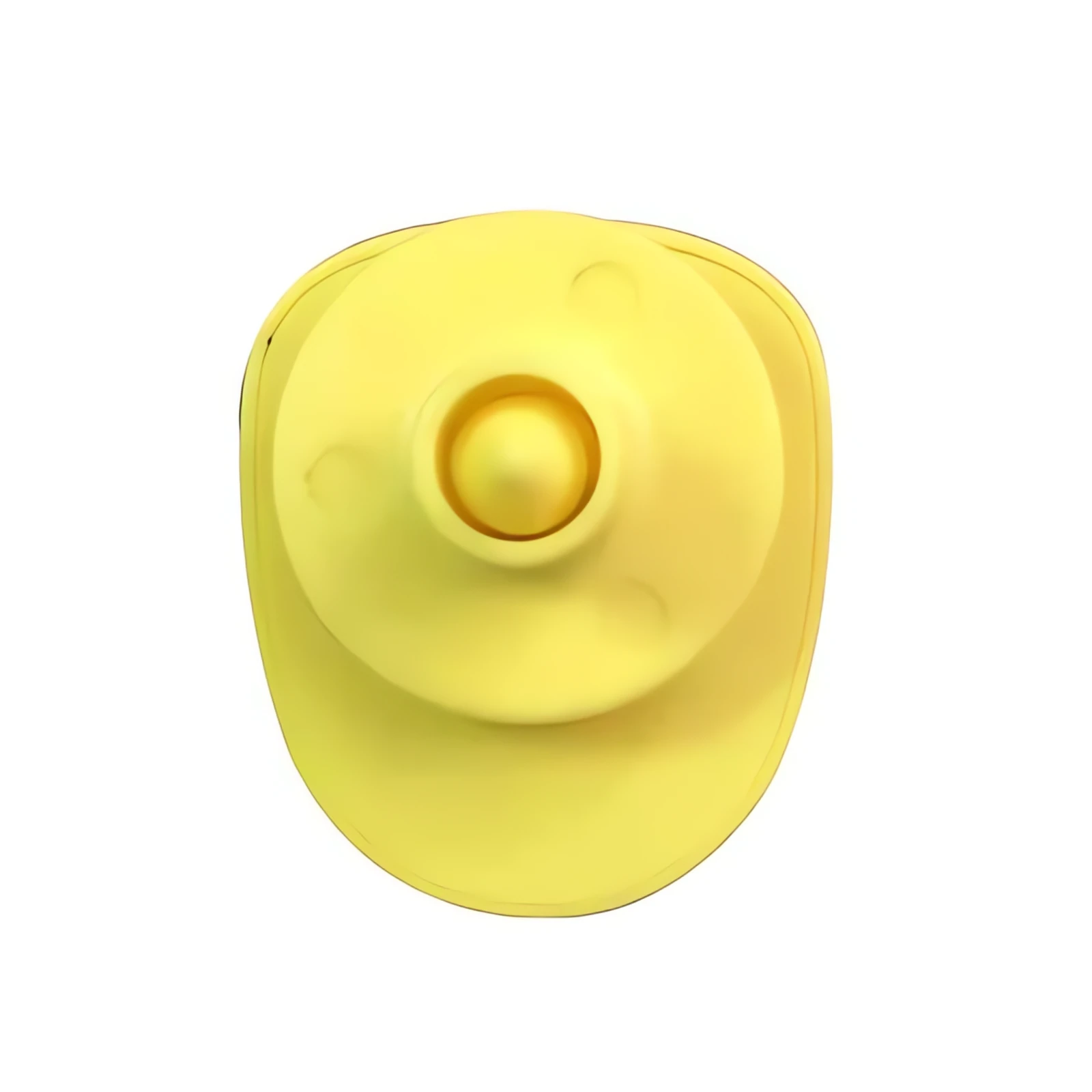

The hardware and software that work with the Livestock Location Management 2.45ghz RFID Tag Active Reader 2.4ghz Tag in a typical project.
Battery-powered; send their number at intervals.
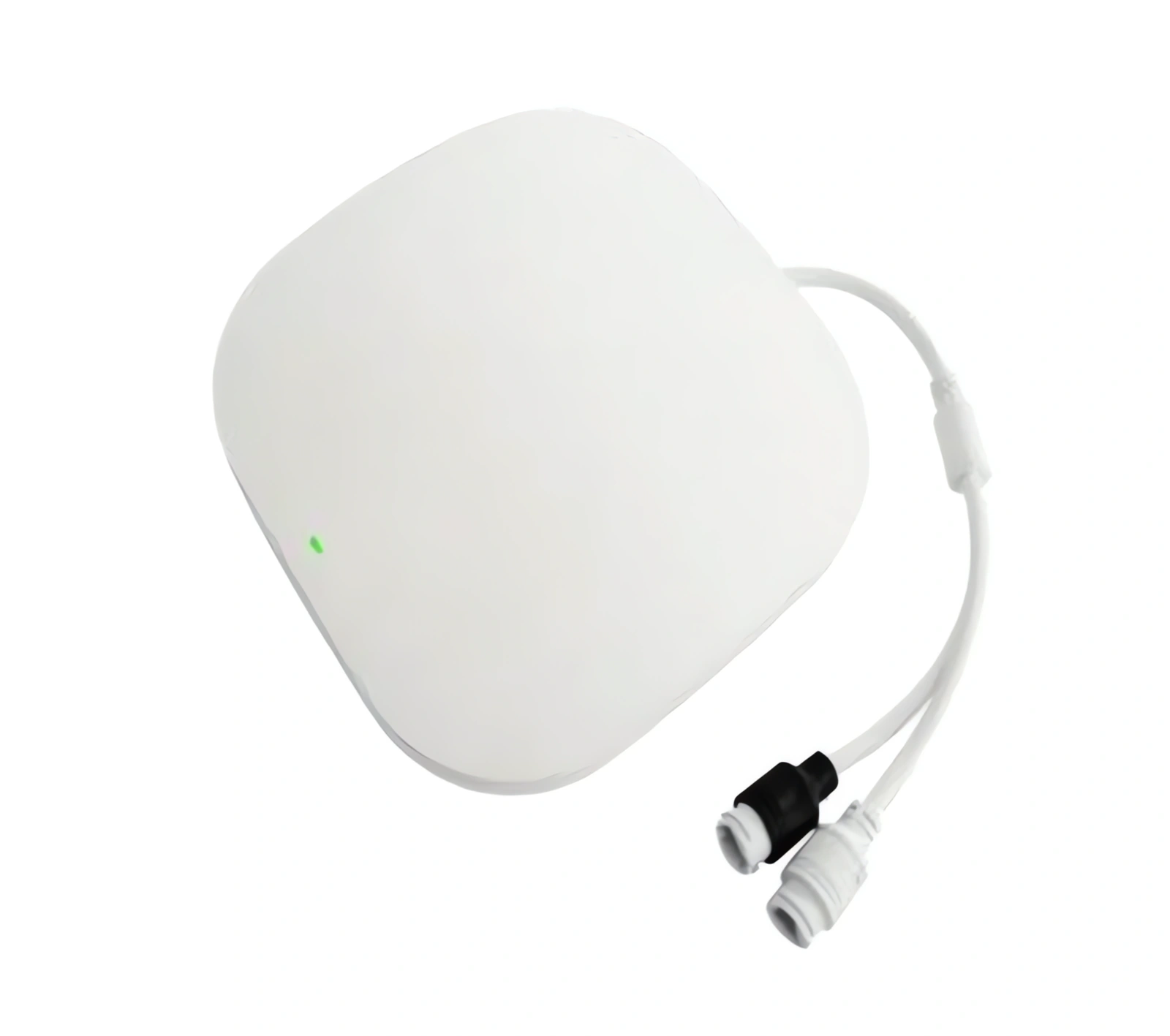
Matching 2.4 GHz readers around the site.
Shows which tags are in range.
Walk the site and choose where readers go (gates, water points, doorways). Fewer, well-placed readers can cover a large area.
A tag that transmits more often gives fresher locations but uses its battery faster. Ask us for the interval and battery life of this tag.
Fix each tag to the animal, asset or vehicle.
Link each tag number to the thing it is on.
Walk or drive a tag through the site and check what the readers hear.
| Chip / IC | Other |
|---|---|
| Frequency | 2.4GHz~2.5GHz |
| Protocol / Standard | Proprietary 2.4 GHz protocol |
| Read range | >150m |
| Size | 47*36*9mm |
| Material | ABS |
| Operating temp | -20°C to +60°C |
| Waterproof / IP | IP67 |
| Mounting | Paste and fix with screws |
| Certifications | RoHS, REACH; |
Need a value that is not listed? Ask in the form and our engineers will confirm it for your order.
| MOQ | 50pcs |
|---|---|
| Sample policy | Paid samples (no free samples for hardware) |
| Sample lead time | 7-14 days |
| Bulk lead time | 7-14 days |
| Packaging | 1 unit/carton |
| Pricing | Quoted per project and quantity. Send your quantity and requirements in the form. |
| Printing & branding | Printing and Encoding are available |
|---|
Selected technical, installation and application media for this product.

Yes. These tags use a private 2.4 GHz protocol, so they work only with matching readers. Buy them together.
It depends on how often the tag transmits and on the conditions. Active tags are commonly designed for years of life, but ask us for the figure for this tag.
Passive tags reach a few metres. Active tags reach tens of metres or more, so a few readers cover a large site. Passive tags are cheaper and need no battery. Many projects use both.
No. National programmes often require specific ear tags. This tag is for location and monitoring; check your rules.
A passive tag has no battery and is read from a few metres by a reader. An active tag has a battery and sends its own signal, so it can be heard from tens of metres or more, which suits locating large assets. Passive tags are cheaper and last longer; active tags cost more and need battery management. Many sites use both.
The minimum order quantity is 50pcs.
Paid samples (no free samples for hardware). Samples are ready in 7-14 days.
Bulk lead time is 7-14 days, counted from sample or artwork approval.
Printing and customization: Printing and Encoding are available.
Last updated:
Tell us your quantity, application and delivery country. We reply within 24 hours.