01
Factories & mines
You must know where workers are, and get alerts.
Typical setupUWB positioning with SOS button.
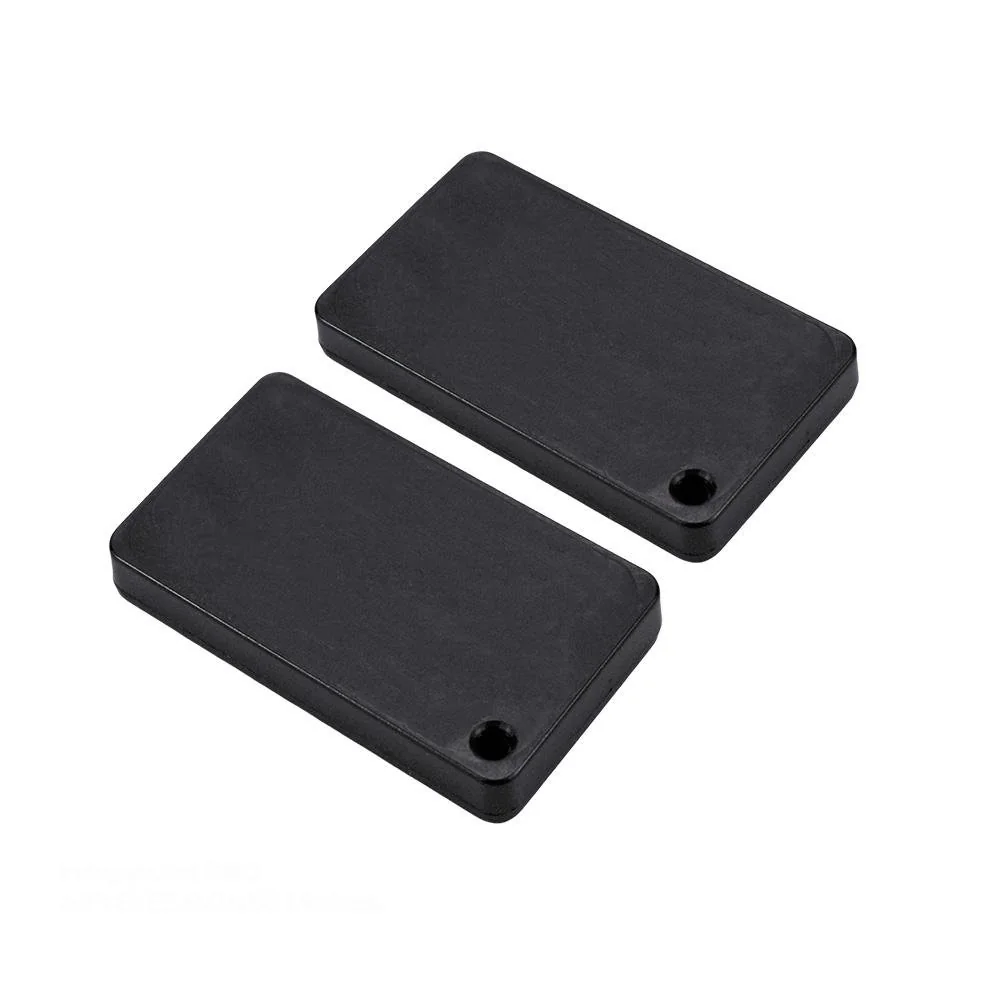
This is a slim worker badge that shows where the worker is on a map, with an SOS button. Fixed anchors on the walls measure the position, and a server shows each badge on a screen. Key facts: 5mm × 54mm × 7.5mm · reads 0 - 100 m; MOQ 50pcs.

You must know where workers are, and get alerts.
Typical setupUWB positioning with SOS button.
Staff locations are tracked indoors.
Typical setupDW1000, IEEE 802.15.4-2011.
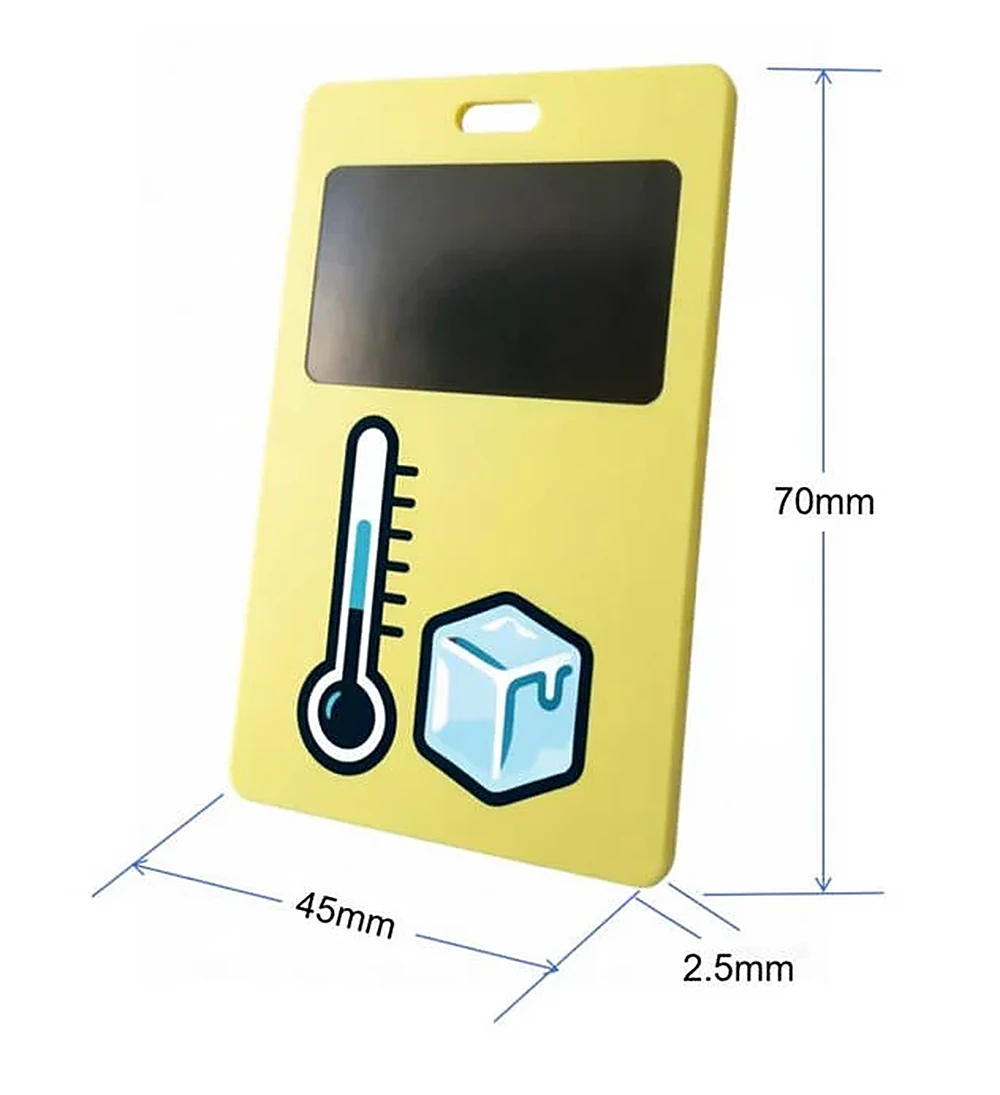
Workers carry a card-type badge.
Typical setupWorker card format; custom printing.
This is a slim worker badge that shows where the worker is on a map, with an SOS button. Fixed anchors on the walls measure the position, and a server shows each badge on a screen. UWB is known for centimetre-to-sub-metre accuracy, much better than Bluetooth, and it uses very little radio energy.
How it works, in plain words
What you need to use it
What it looks like in your business
Today: you only know who is on site, and which door they last passed. With the badge: the badge is located by the anchors, and the map shows each person's position in the plant.
What you get: A position on a map, not just a last-seen door.
Today: nobody notices when a worker enters a hazardous or restricted area. With the badge: zones are drawn on the map, and an alert shows when a badge enters one. UWB uses very low energy, which suits radio-sensitive places such as hospitals; confirm with your own facility rules.
What you get: Safer sites.
Today: a worker in trouble cannot easily call for help, and nobody knows where to go. With the badge: the worker presses the SOS button, and the system shows who and where, so help goes to the right place.
What you get: Faster response.
Today: a bulky device is left in a locker. With the badge: the badge is slim (5 × 54 mm, with a thickness of about 7.5 mm), so it wears on a lanyard or a clip.
What you get: Easy to wear all day.
Today: a data-sheet range is trusted, but walls, machines and metal change the result. With the badge: order a sample and a few anchors, walk the area and compare with the map. UWB works best with a clear line between the badge and the anchors.
What you get: A realistic plan for the number of anchors.
The hardware and software that work with the Personnel Positioning High Precision UWB Worker Card with SOS button for Indoor Positioning in a typical project.
Sends UWB pulses; has an SOS button.
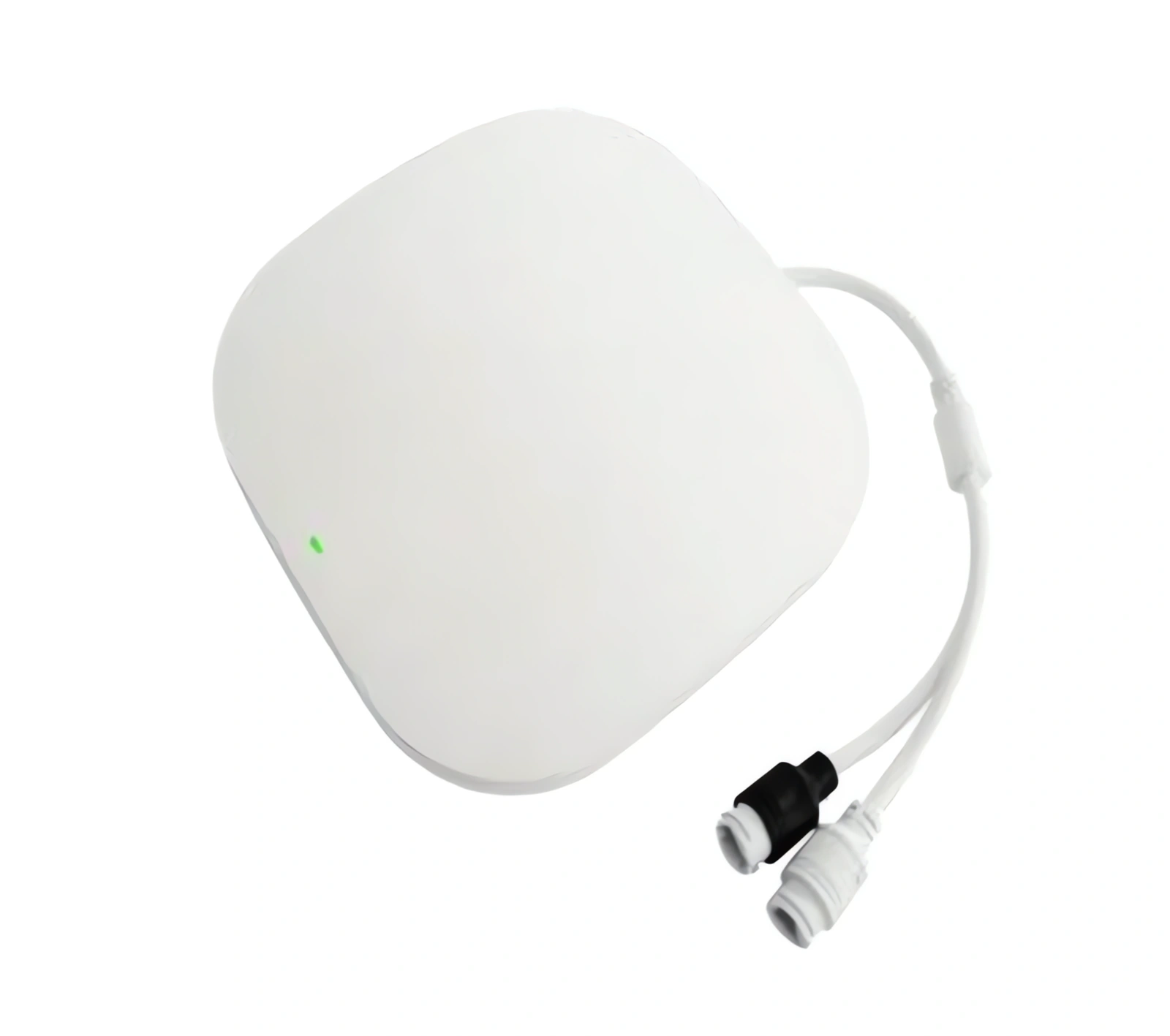
Fixed on walls and ceilings; receive the pulses.
Calculates positions and runs zones and alerts.
Shows the map; your team responds to alerts.
Where do you need positions, how accurate, and for which areas?
Check walls, machines and metal. Decide the anchor positions.
Power and network for each anchor.
Draw the zones and the alert rules in the software.
Test with a few workers, agree the SOS procedure, and then roll out.
| Chip / IC | DW1000 |
|---|---|
| Protocol / Standard | IEEE 802.15.4-2011 UWB |
| Read range | 0 - 100 m (depends on the application environment and reading device) |
| Size | 5mm * 54mm * 7.5mm |
| Material | ABS |
| Operating temp | -20~60℃ |
| Waterproof / IP | Waterproof, scratch-resistant, bend-resistant |
| Mounting | Paste and fix with screws |
| Certifications | RoHS, REACH; |
Need a value that is not listed? Ask in the form and our engineers will confirm it for your order.
| MOQ | 50pcs |
|---|---|
| Sample policy | Paid samples (no free samples) |
| Sample quantity | 10-20 pcs |
| Sample lead time | 5-7 days |
| Bulk lead time | 7-14 days |
| Packaging | standard shipping box |
| Pricing | Quoted per project and quantity. Send your quantity and requirements in the form. |
| Printing & branding | Custom printing available |
|---|---|
| Chip encoding | Chip encoding available on request |
Selected technical, installation and application media for this product.
UWB systems commonly reach tens of centimetres, much better than Bluetooth. The real accuracy depends on the number of anchors, their positions and the surroundings. We recommend a site survey.
It depends on the size of the area, the walls and the accuracy you need. A site survey gives the number.
It depends on how often the badge sends. Please ask us for the figure for this model before ordering.
UWB uses very low energy, which suits radio-sensitive places. Confirm with your own facility's rules.
Rules about tracking staff differ by country and company. Agree the purpose and the rules with your workers and your legal adviser before you start.
Your own team does. Decide in advance who sees the alert and what they do.
A passive tag has no battery and is read from a few metres by a reader. An active tag has a battery and sends its own signal, so it can be heard from tens of metres or more, which suits locating large assets. Passive tags are cheaper and last longer; active tags cost more and need battery management. Many sites use both.
The minimum order quantity is 50pcs. Before bulk production we can send 10-20 pcs for testing.
Paid samples (no free samples). Sample quantity: 10-20 pcs. Samples are ready in 5-7 days.
Bulk lead time is 7-14 days, counted from sample or artwork approval.
Printing and customization: Custom printing available. Encoding: Chip encoding available on request.
Last updated:
Tell us your quantity, application and delivery country. We reply within 24 hours.