Hotel & Resort Linen
Sheets, towels and pillowcases tracked piece-by-piece through wash, dry, fold and reissue cycles across a property or laundry group.
rfid laundry tag
A laundry tag is judged by one number: how many industrial wash and press cycles it survives. Water, 90 °C, caustic detergent, extraction at high G and a 180 °C ironer destroy an ordinary label in a single pass.
Selection guide
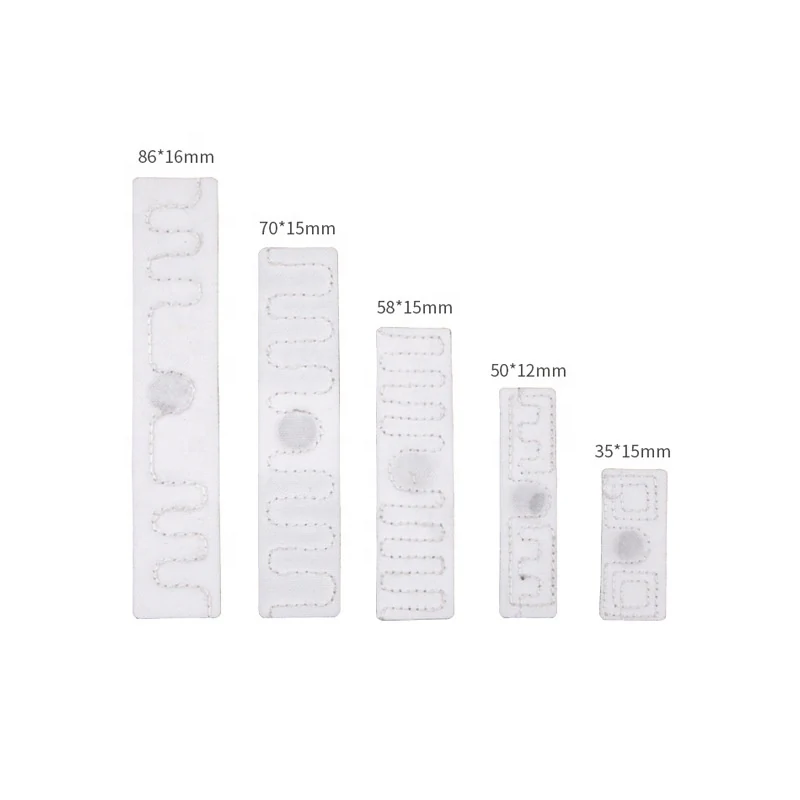
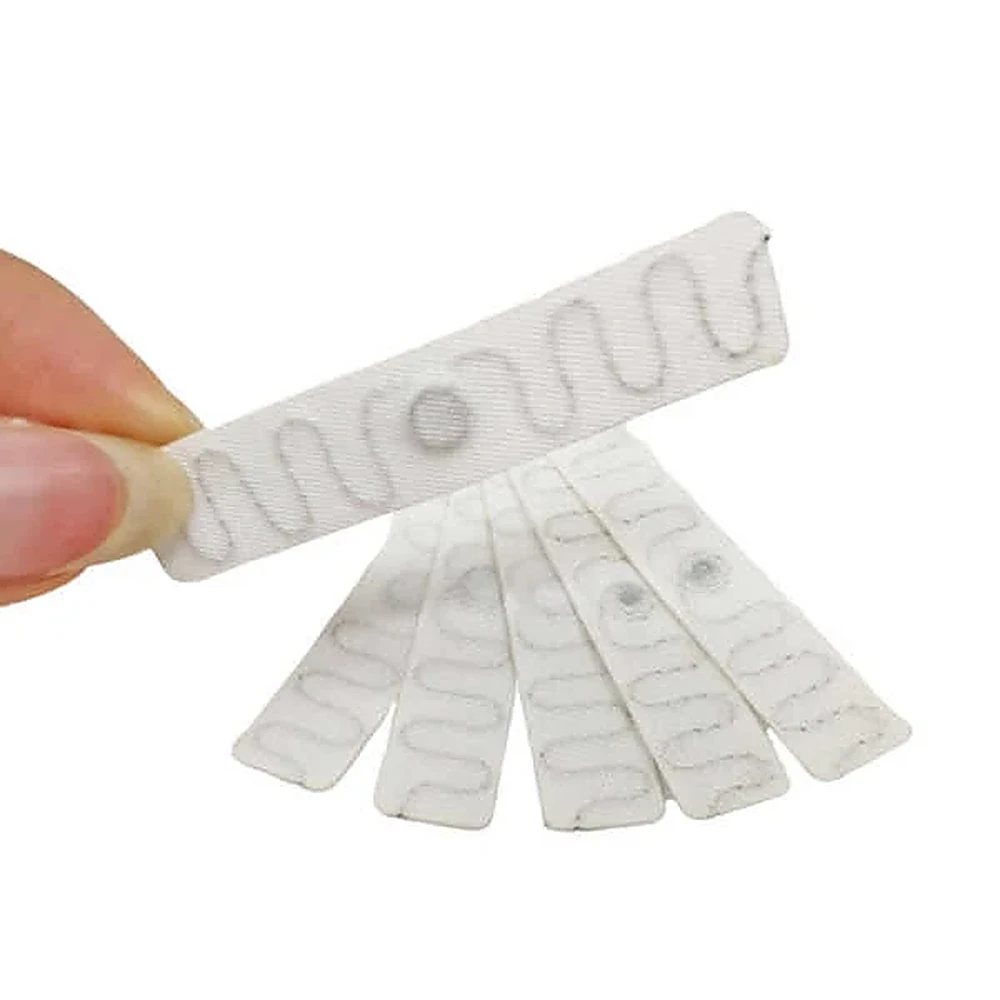
Match the tag to the wash programme and the attachment method the garment allows. Sewn-in woven tags disappear into the seam; silicone tags survive the harshest programmes; heat-seal tags are fastest to apply in bulk retrofit.
Sheets, towels and pillowcases tracked piece-by-piece through wash, dry, fold and reissue cycles across a property or laundry group.

Surgical gowns, scrubs and patient linen tracked for infection-control chain-of-custody and inventory accuracy.

Rented workwear identified per-employee and per-garment across pickup, wash and delivery cycles for industrial laundry services.

UHF garment tags for inventory accuracy, loss prevention and omnichannel fulfilment from factory to retail floor.

Entrance mats, cleanroom suits and other rented textile products tracked through commercial laundering cycles.

Club and team apparel identified for issue, laundering and inventory tracking across a season.
Product range
6 real, in-production SKUs in this range. Search by name or SKU, filter by product type or frequency below, or browse the full list and use the page numbers to see the rest.
30-second self-service finder
Pick surface, frequency or range below to see the top 2–3 sample matches and add them directly to your quote list.
Showing top sample picks for this category.
OEM & ODM capability
Every part of the build is open to customization, matched to your product, your system and your brand. Logo, artwork and packaging are part of the standard build, not an add-on.
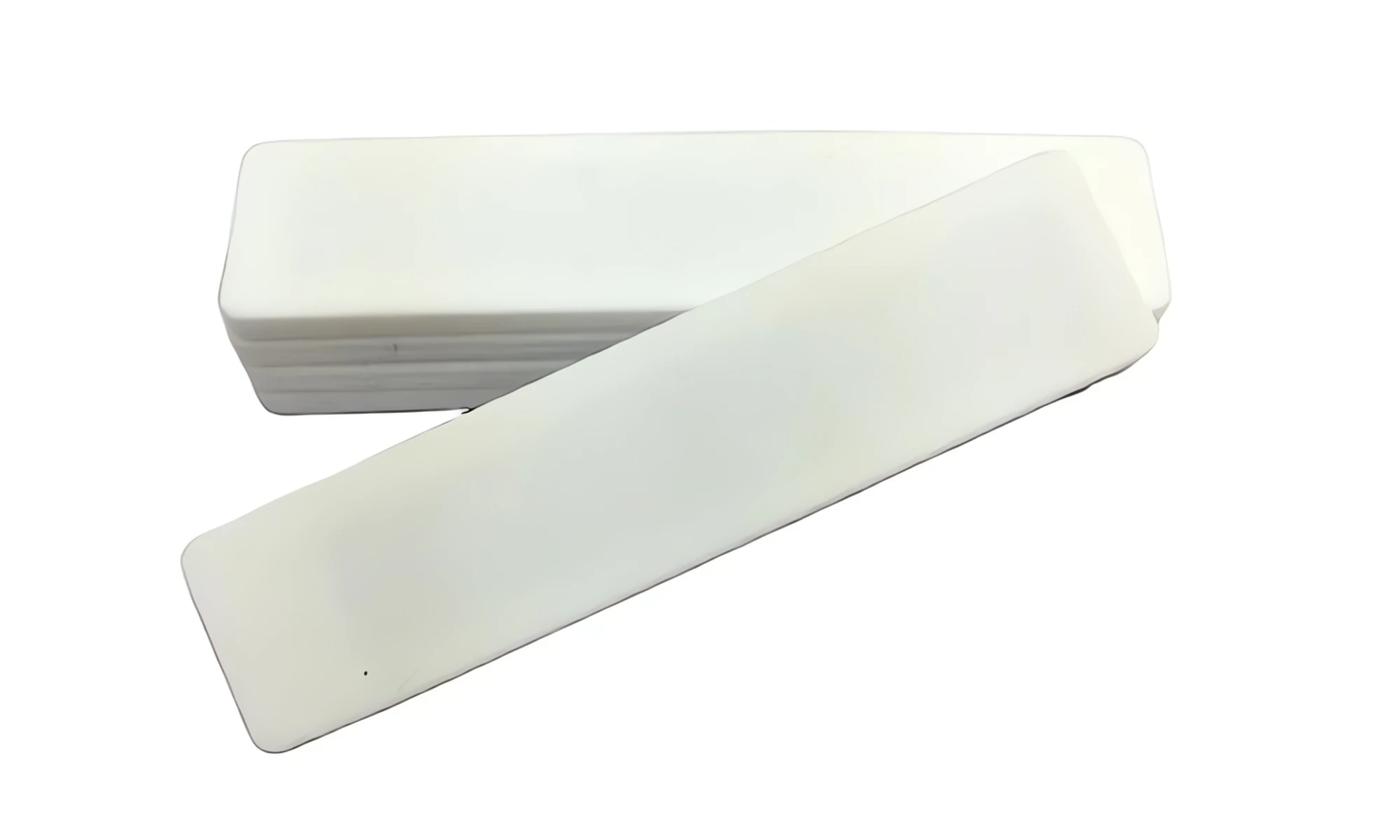
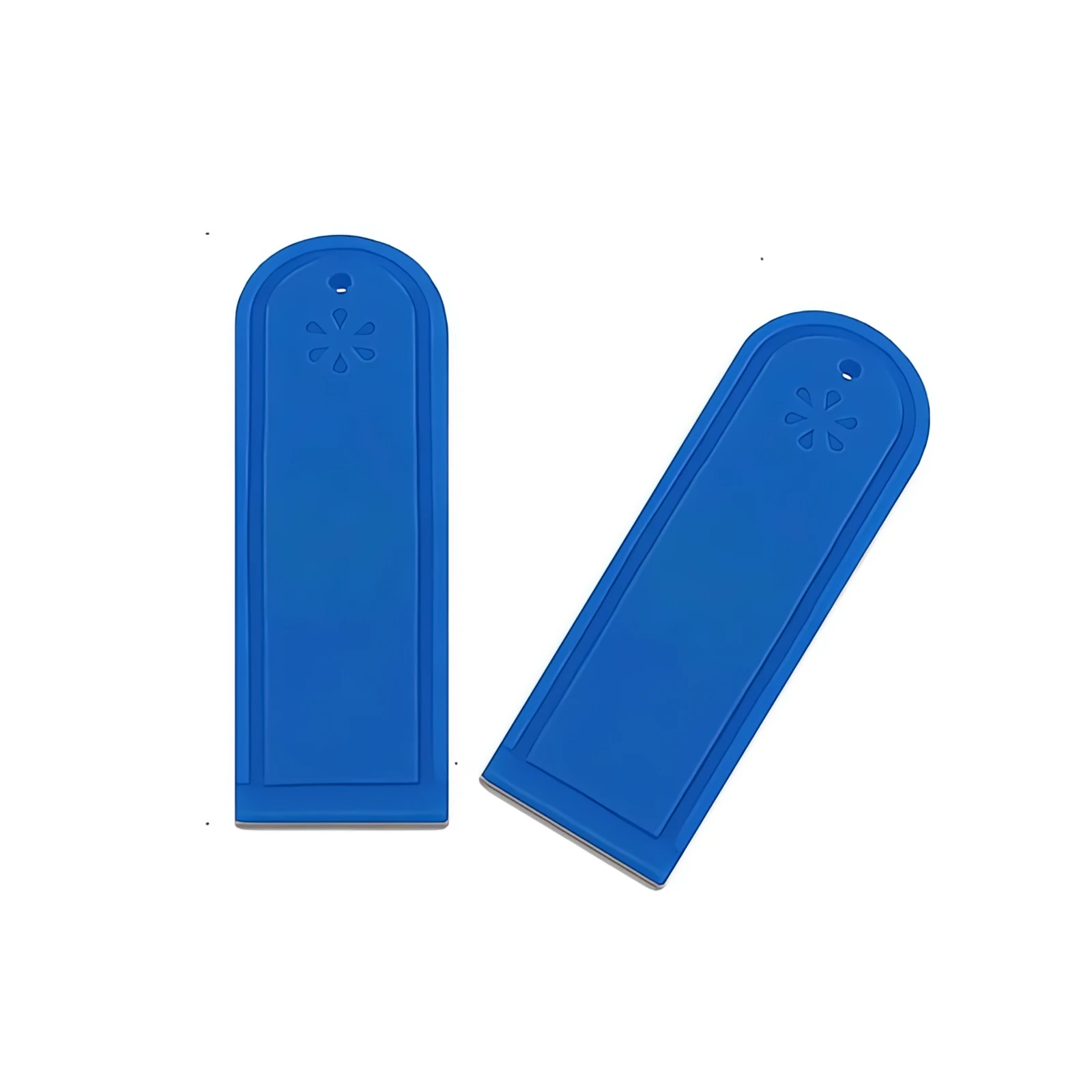
Silicone, PPS, woven fabric or heat-seal transfer -- matched to wash programme severity and attachment method.
Rated for a specific wash-cycle count and maximum temperature -- confirm both against your real laundry programme.
Sewn into a seam or seam pocket, or heat-sealed on -- decided by what the garment allows and your finishing line.
NXP UCODE or Alien Higgs UHF chips -- matched to your tunnel, portal or handheld reader system.
From compact round chips to wide-body rectangular tags -- sized for the garment and the read performance you need.
Unique ID per piece, pre-encoded before shipment and verified against your numbering scheme.
Boxed in encoded sequence, or bulk packed for high-volume industrial laundry programmes.
How to choose
A laundry tag is a UHF inlay encapsulated in a construction built to survive repeated industrial wash, extraction and press cycles rather than a single use.
Cycle count, temperature and chemistry your laundry or garment actually runs.
Silicone/PPS for the harshest programmes; woven for feel; heat-seal for retrofit.
UCODE or Higgs chip matched to your tunnel, portal or handheld reader.
Sewn seam pocket, label seam or heat-press -- matched to your finishing line.
Unique ID per piece, matched to your item or batch numbering scheme.
Run samples through your real wash and press programme before committing to volume.
Silicone, PPS or woven fabric shell -- the wash-resistant outer body.
The antenna and chip, sealed inside the encapsulation.
Sewn seam pocket, woven label edge, or heat-seal backing.
Care instructions or visual ID printed on the tag or an adjoining label.
Chip options
Chip selection is OEM/ODM too -- we integrate current-generation UHF chips as they release, not locked to one family. Tell us your reader/EPC needs and we will confirm the match.
One of the earliest UHF RFID chip makers. The Higgs family (Higgs-3 through Higgs-10) is widely used across retail and logistics inlays for broad compatibility and mature manufacturing.
| Model | Read sensitivity | TID prefix | EPC memory | User memory | Access PW | Kill PW |
|---|---|---|---|---|---|---|
| Higgs 3 | -18dbm | E2003412 | 96-496 | 512 | 32 | 32 |
| Higgs 4 | -18.5dBm | E2003414 | 128 | 128 | 32 | 32 |
| Higgs-EC | -22.5dBm | E2003811 / E2003812 | 128 | 128 | 32 | 32 |
| Higgs 9 | -22.5dBm | E2803821 | 96-496 | 688 | 32 | 32 |
| Higgs 10 | -23dBm | E2803813 | 96\128 | 32\0 | 32 | 32 |
A major global semiconductor company. Its UCODE family spans entry-level tags (UCODE 7/8/9) up to the DNA series, which adds authentication for brand-protection applications.
| Model | Read sensitivity | TID prefix | EPC memory | User memory | Access PW | Kill PW |
|---|---|---|---|---|---|---|
| Ucode 7 | -21dBm | E2806890 | 128 | 0 | 32 | 32 |
| Ucode 7m | -21dBm | E2806811 | 128 | 32 | 32 | 32 |
| Ucode 7xm | -19dBm | E2C06D12 | 448 | 1024 | 32 | 32 |
| Ucode 7xm+ | -19dBm | E2C06D92 | 448 | 2048 | 32 | 32 |
| Ucode 8 | -23dBm | E2806894 | 128 | 0 | 32 | 32 |
| Ucode 8m | -23dBm | E2806994 | 96 | 32 | 32 | 32 |
| Ucode 9 | -24dBm | E2806995 / E2806915 | 96 | 0 | 0 | 32 |
| Ucode 9xe | -24dBm | E2806A16 | 128 | 0 | 0 | 32 |
| Ucode 9xm | -24dBm | E2806897 | 128\256\496 | 752\624\384 | 32 | 32 |
| Ucode DNA | -19dBm | E2C06892 | 224 | 3072 | 32 | 32 |
| UCODE DNA Track | -19dBm | E2C06C12 | 448 | 256 | 32 | 32 |
| Ucode DNA City | -19dBm | E2C06B12 | 224 | 1024 | 32 | 32 |
| Ucode G2XM | -15dBm | E2006003 | 240 | 512 | 32 | 32 |
| Ucode G2XL | -15dBm | E2006004 | 240 | 0 | 32 | 32 |
| Ucode G2iL | -18dBm | E2006806 | 128 | 0 | 32 | 32 |
| Ucode G2iL+ | -18dBm | E2006807 | 128 | 0 | 32 | 32 |
| Ucode G2iM | -17.5dBm | E200680A | 256 | 512 | 32 | 32 |
| Ucode G2iM+ | -17.5dBm | E200680B | 448 | 640 | 32 | 32 |
| Ucode I2C | -18dBm | E200680D | 160 | 3328 | 32 | 32 |
The RAIN RFID market leader -- Impinj's Monza and M-series chips have shipped in the tens of billions. Newer M700/M800 chips add AutoTune and Integra diagnostics for retail use.
| Model | Read sensitivity | TID prefix | EPC memory | User memory | Access PW | Kill PW |
|---|---|---|---|---|---|---|
| Monza 4i | -22dBm | E2801114 | 256 | 480 | 32 | 32 |
| Monza 4D | -22dBm | E2801100 | 128 | 32 | 32 | 32 |
| Monza 4E | -22dBm | E280110C | 496 | 128 | 32 | 32 |
| Monza 4QT | -22dBm | E2801105 | 128 | 512 | 32 | 32 |
| Monza R6 | -22.1dBm | E2801160 | 96 | 0 | 0 | 0 |
| Monza R6-P | -22.1dBm | E2801170 | 128 | 32 | 32 | 32 |
| Monza R6-A | -22.1dBm | E2801171 | 96 | 0 | 32 | 32 |
| Monza R6-B | -22.1dBm | E2801171 | 96 | 0 | 32 | 32 |
| M730 | –24dBm | E2801191 | 128 | 0 | 32(共享) | — |
| M750 | –24dBm | E2801190 | 96 | 32 | 32(共享) | — |
| M770 | –24dBm | E28011A0 | 128 | 32 | 32(共享) | — |
| M780 | –23.5dBm | E28011C0 | 496 | 128 | 32(共享) | — |
| M781 | –23.5dBm | E28011C1 | 128 | 512 | 32(共享) | — |
| M830 | -25.5dBm | E28011B0 | 128 | 0 | 32(共享) | — |
| M850 | -25.5dBm | E28011B0 | 96 | 32 | 32(共享) | — |
A Chinese UHF chip line -- the KX2005X series targets cost-sensitive, high-volume tagging for the domestic and export label market.
| Model | Read sensitivity | TID prefix | EPC memory | User memory | Access PW | Kill PW |
|---|---|---|---|---|---|---|
| KX2005X-B | -23.5dBm | E281D011 | 96-240 | 1312 | 32 | 32 |
| KX2005X-S | -23.5dBm | E281D012 | 128 | 0 | 32 | 32 |
| KX2005X-544 | -23.5dBm | E281D013 | 96-240 | 544 | 32 | 32 |
| KX2005X-BL | -23.5dBm | E281D015 | 96-240 | 1312 | 32 | 32 |
| KX2005X-BT | -23.5dBm | E281D016 | 96-240 | 1312 | 32 | 32 |
| KX2005X-BR | -23.5dBm | E281D017 | 96-240 | 1312 | 32 | 32 |
| KX2005XG-B | -21.5dBm | E281D021 | 96-240 | 1312 | 32 | 32 |
| KX2005XG-S | -21.5dBm | E281D022 | 128 | 0 | 32 | 32 |
| KX2005XG-544 | -21.5dBm | E281D023 | 96-240 | 544 | 32 | 32 |
| KE2006 | -19.5dBm | E281D030 | 128 | 0 | 32 | 32 |
Known for ultra-low-power IC design. Its EM4xxx chips include dual read-sensitivity modes and expanded memory for sensor or logging use cases.
| Model | Read sensitivity | TID prefix | EPC memory | User memory | Access PW | Kill PW |
|---|---|---|---|---|---|---|
| EM4324 | -8dBm,-27dBm | E200B001/2 | 96 | 720 | 32 | 32 |
| EM4325 | -8dBm,-30dBm | E200BXXX | 352 | 3072 | 32 | 32 |
| EM4423 | -16dBm | E280B0A0/1 | 128\224 | 160\64 | 32 | 32 |
| EM4124 | -19dBm | E200B080 | 96 | 0 | 32 | 32 |
| EM4126 | -19dBm | E200B0C0 | 208 | 0 | 0 | 0 |
| EM4425 | -20dBm | E200B110 | 480 | 1056 | 32 | 32 |
A Chinese UHF chip brand -- the Qstar series covers general retail and logistics tagging across a range of memory configurations.
| Model | Read sensitivity | TID prefix | EPC memory | User memory | Access PW | Kill PW |
|---|---|---|---|---|---|---|
| Qstar-71GB-O | -21dBm | E280F337 | 496 | 128 | 32 | 32 |
| Qstar-73GB-O | -21dBm | E280F336 | 128 | 512 | 32 | 32 |
| Qstar-73GB-O-V | -21dBm | E280F338 | 64-512 | 128-528 | 32 | 32 |
| Qstar-7U | -24dBm | E280F302 | 128 | 128 | 32 | 32 |
A Chinese IC design company with a broad RFID portfolio spanning HF and UHF. Its FM13UF series serves domestic and export label production.
| Model | Read sensitivity | TID prefix | EPC memory | User memory | Access PW | Kill PW |
|---|---|---|---|---|---|---|
| FM13UF011E | -24.2dBm | E2827803 | 96-496 | 512-112 | 32 | 32 |
| FM13UF0051E | -24.2dBm | E2827802 | 128 | 32 | 32 | 32 |
A Chinese UHF chip supplier -- the SWP-U series covers standard retail and logistics tagging needs.
| Model | Read sensitivity | TID prefix | EPC memory | User memory | Access PW | Kill PW |
|---|---|---|---|---|---|---|
| SWP-U1 | -23dBm | E283B130 | 128 | 0 | 32 | 32 |
| SWP-U1M | -23dBm | E283B131 | 128 | 128 | 32 | 32 |
FAQ
Silicone and PPS constructions are specified at 200 cycles at 90 °C with industrial detergent plus press. We test to that figure; real life depends on your chemistry and ironer temperature. Ask for samples and run them through your own programme before committing to volume.
Yes for silicone and PPS. Confirm your ironer temperature — above 200 °C some constructions deform even though the chip survives.
Laundry operations typically read whole trolleys or bags through a UHF tunnel or portal. Read rate depends on packing density and tag orientation; a tunnel with multiple antenna polarisations is normal.
We supply the tags. Sewing is normally done by your garment supplier or in your own finishing line. Heat-seal versions exist specifically to avoid the sewing step.
200-500 pcs depending on the construction -- silicone and PPS tags typically start around 200 pcs, woven and heat-seal formats around 500 pcs.
Yes -- the same UHF chip family covers both. Garment tags for retail inventory and loss-prevention use a lighter woven or adhesive construction than industrial laundry tags, since they don't need to survive hundreds of wash cycles.
NXP UCODE 8/9 and Alien Higgs-3/Higgs-9 are the industry-standard chips behind most commercial laundry tags and read reliably through a multi-antenna tunnel or portal setup -- tell us your reader model and we will confirm the match.
Yes. Construction, chip, size, attachment and encoding are all engineered around your wash programme -- there is no fixed catalogue design. Send your requirement and we will confirm what we can build.
Yes -- request matched samples and run them through your own wash, press and reader setup before placing a bulk order.
Resources
Practical buying and technical guides for this product range.
Engineering support
Send us your cycle count, temperature and attachment method and we will confirm the construction, then get you a working sample.
Get the latest news, case studies, and product updates from FYRFID delivered to your inbox. No spam — unsubscribe any time.
Thanks for subscribing — we’ll be in touch.
We couldn't subscribe you right now. Please try again.