Windshield & Parking
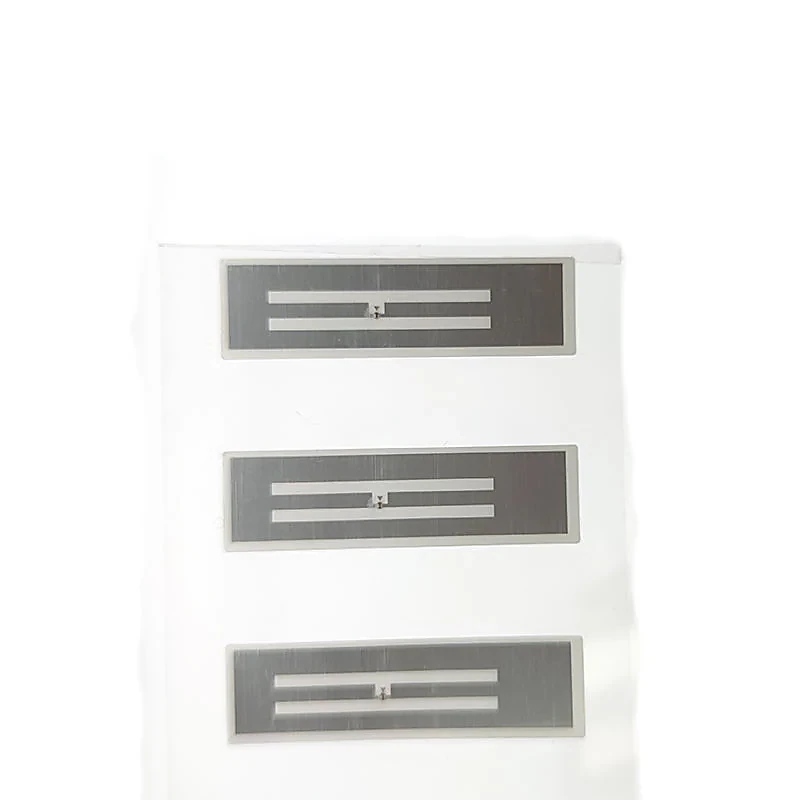
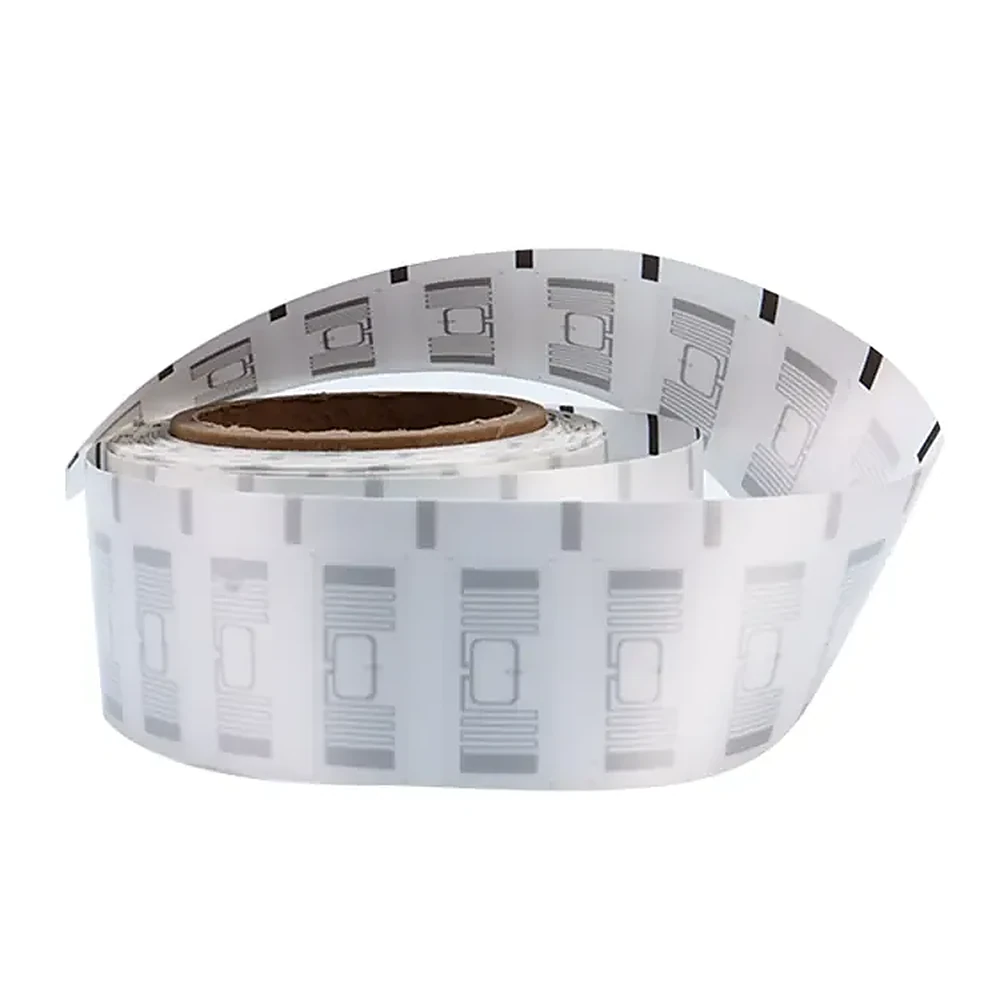
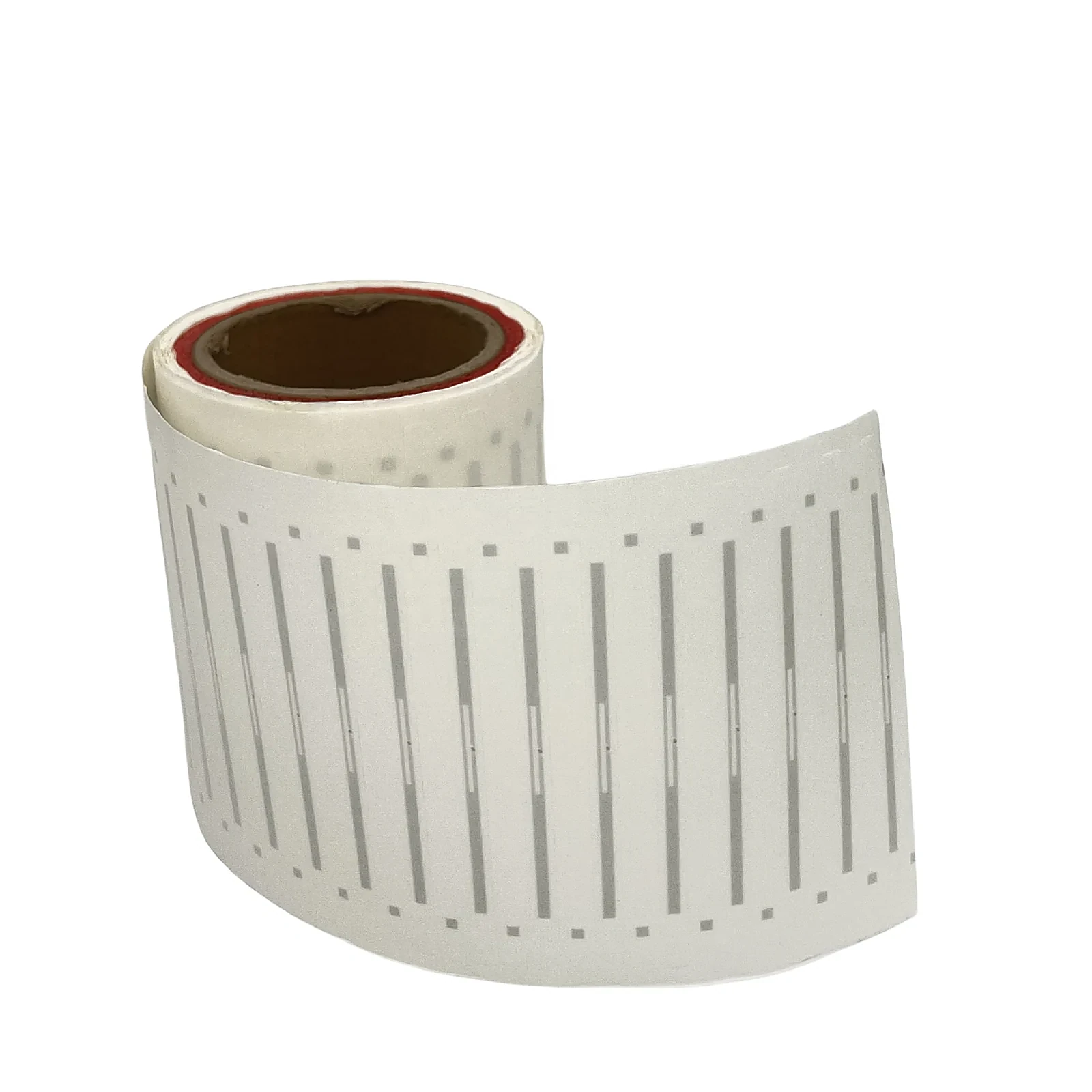
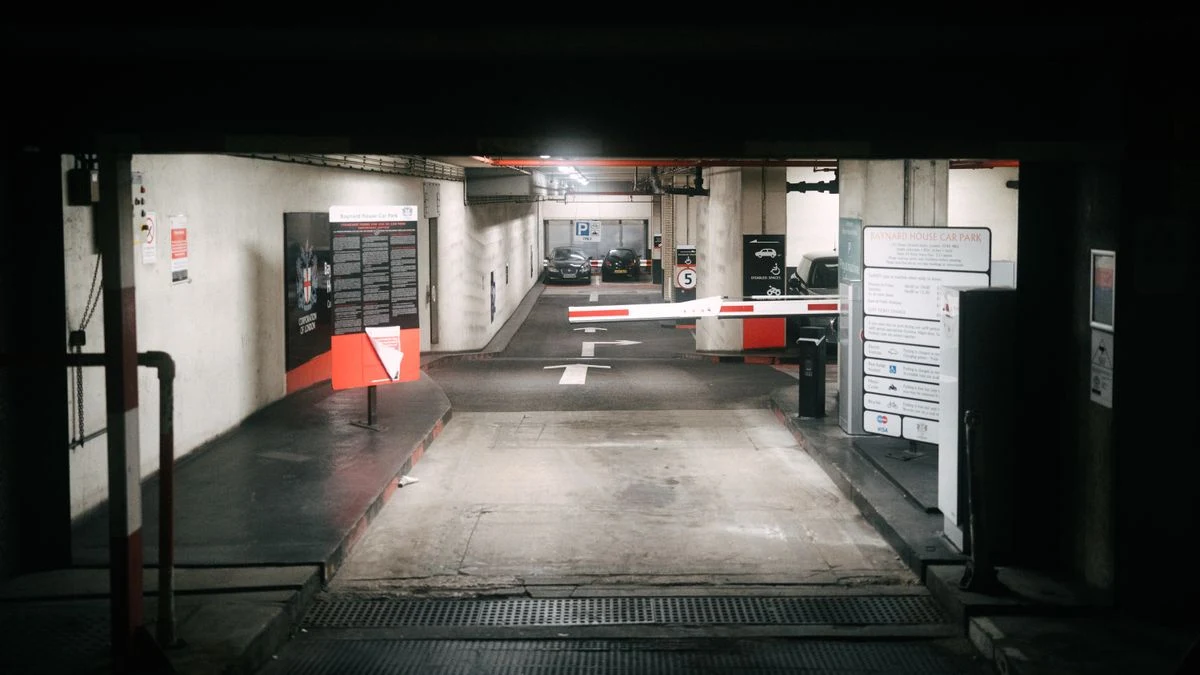
Long-range vehicle identification for gated parking and controlled vehicle access.
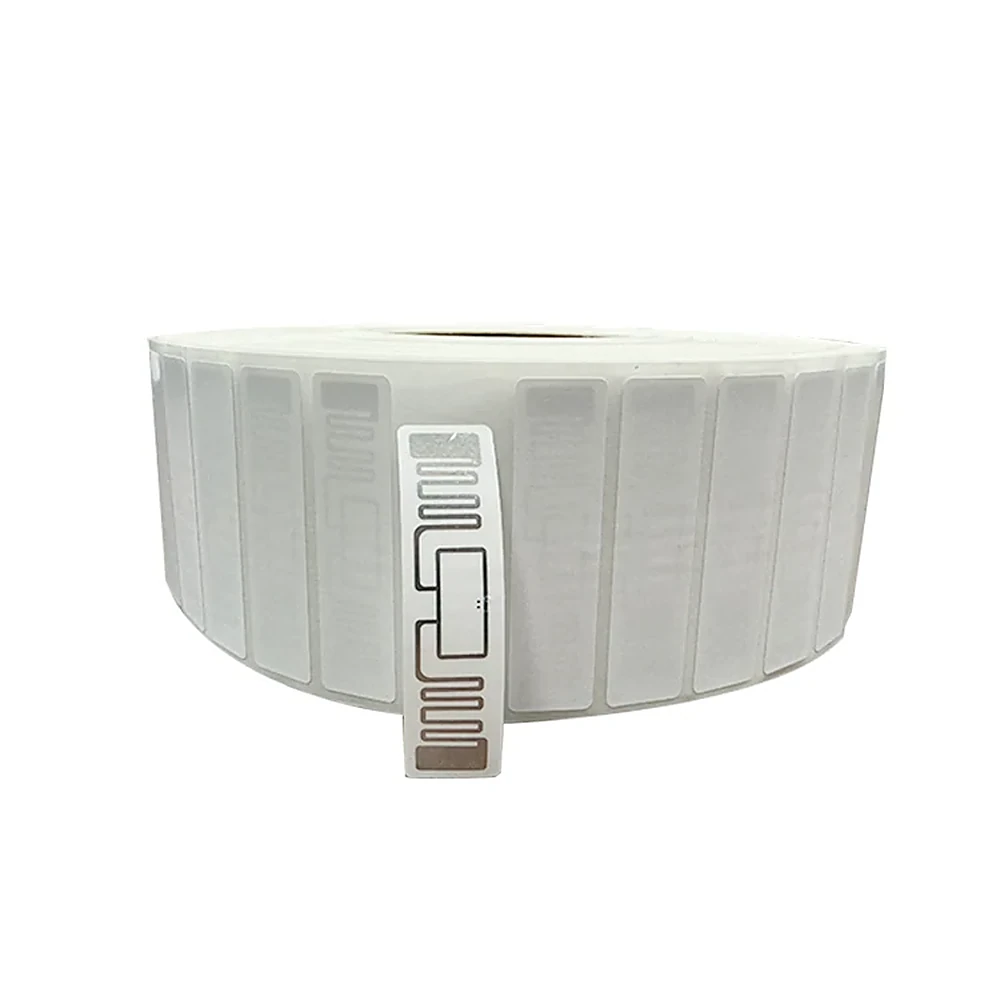
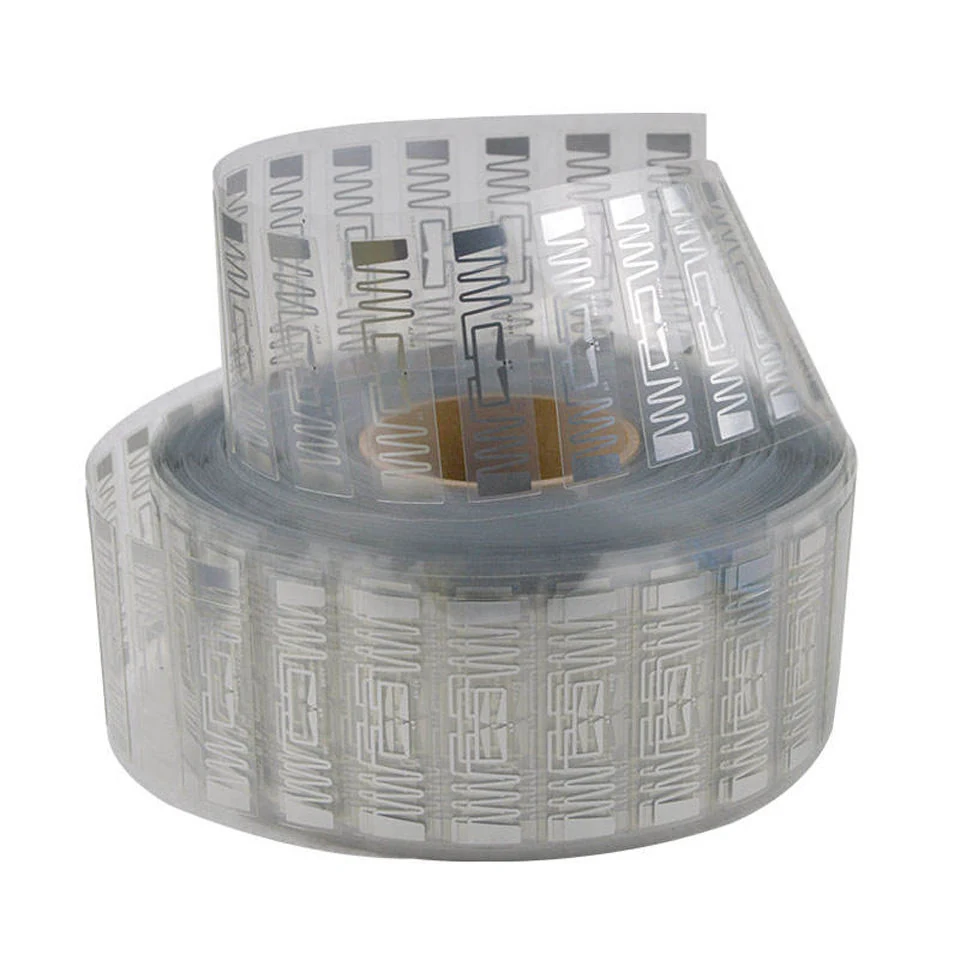
uhf rfid label
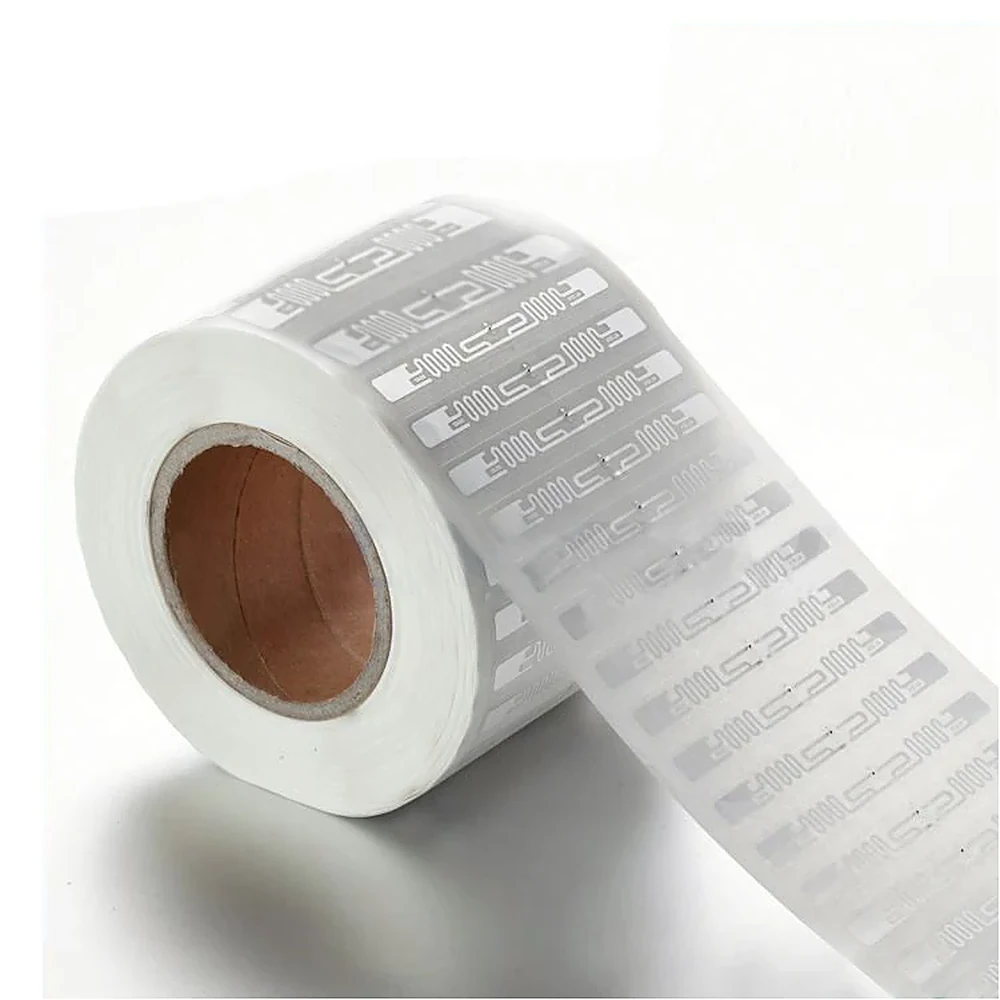
Passive UHF labels are the highest-volume RFID product we make: thin, printable and cheap enough to apply to every carton, garment or asset. The construction is what changes — face material, adhesive and antenna decide whether the label survives your surface.
Selection guide
Start from the surface and environment: paper suits dry cartons, PET handles moisture, and anti-liquid or on-metal builds are needed once the tag meets water, gel or steel.
Long-range vehicle identification for gated parking and controlled vehicle access.
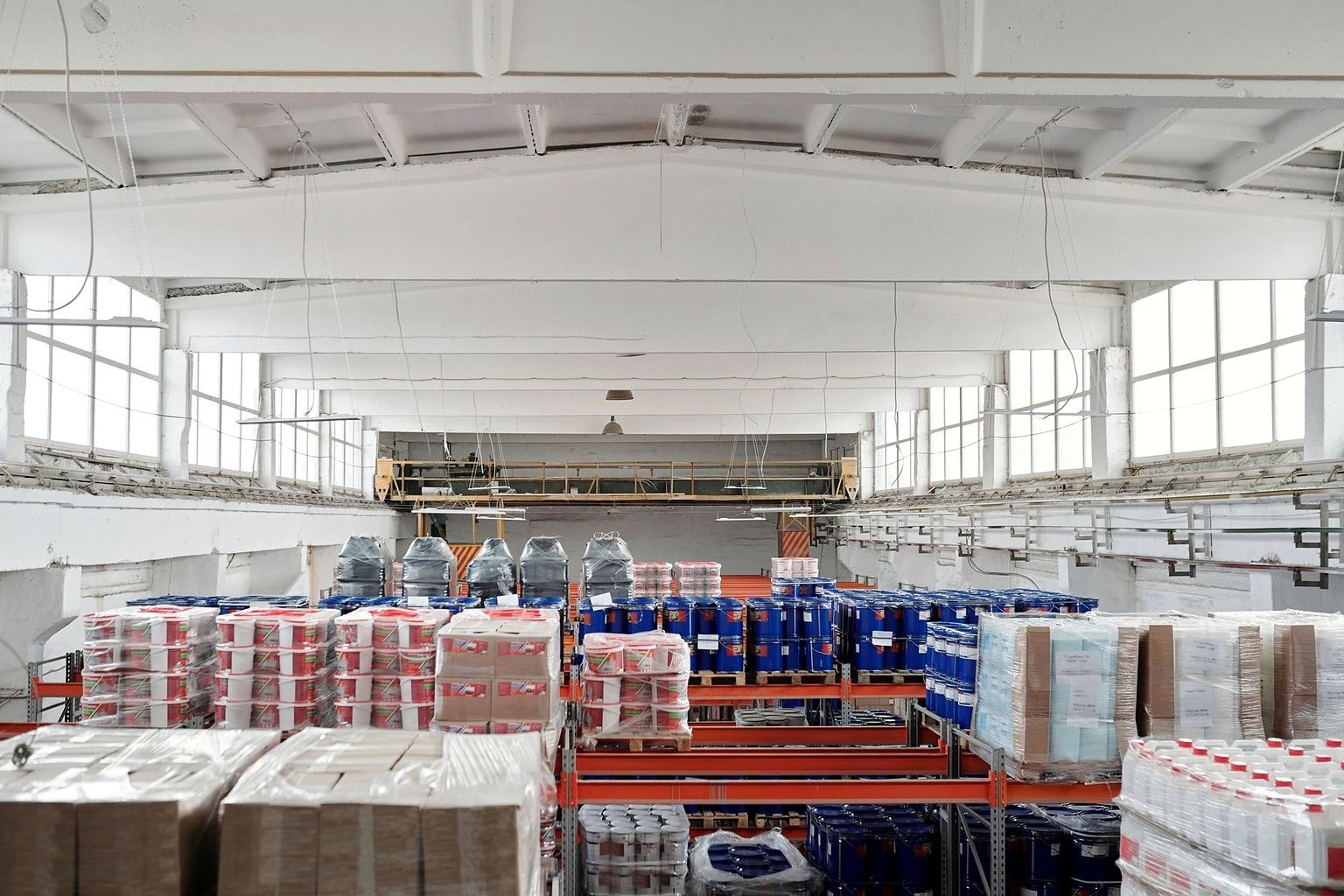
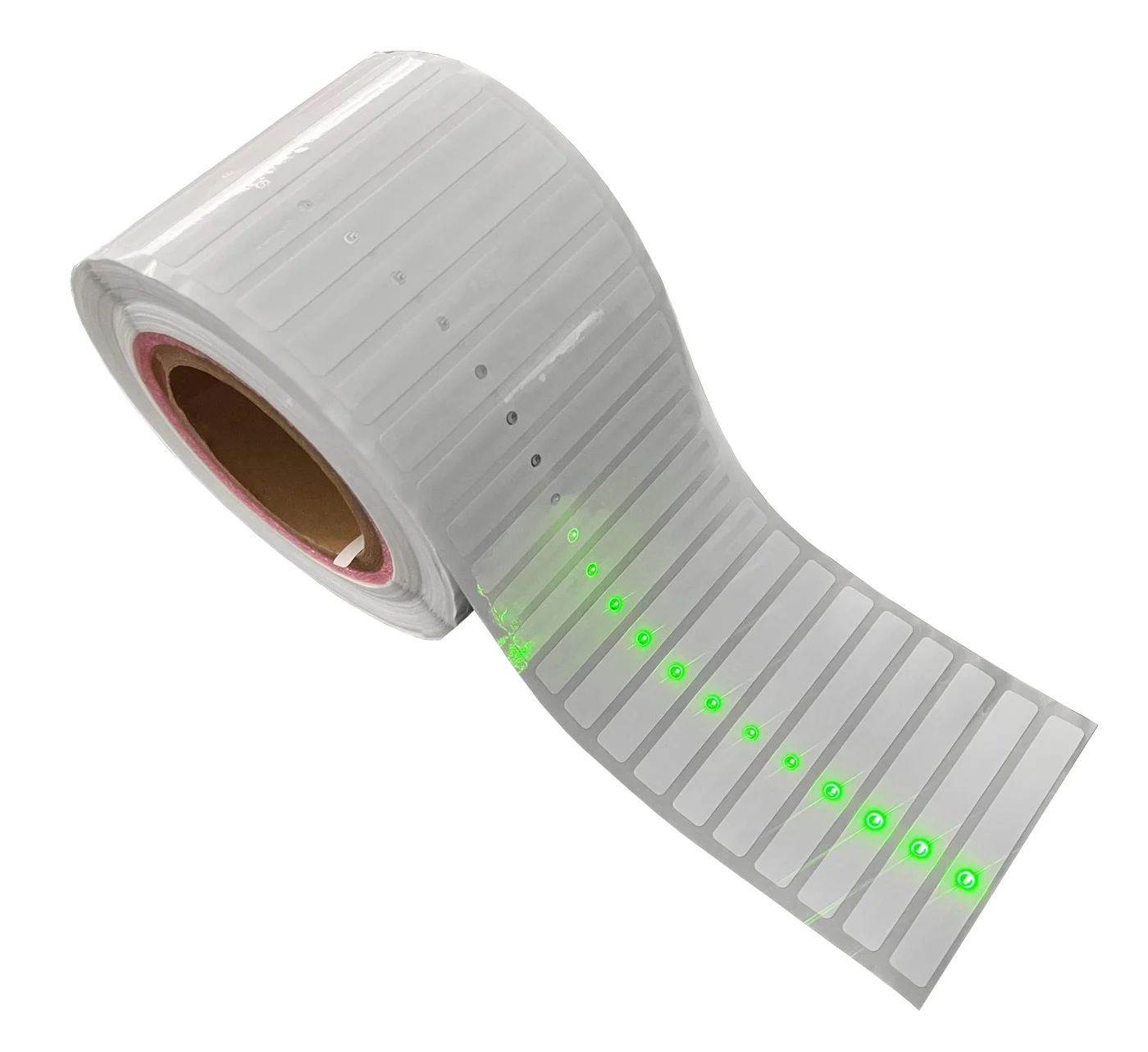
Printable labels for stock movement, carton handling and inventory counts.

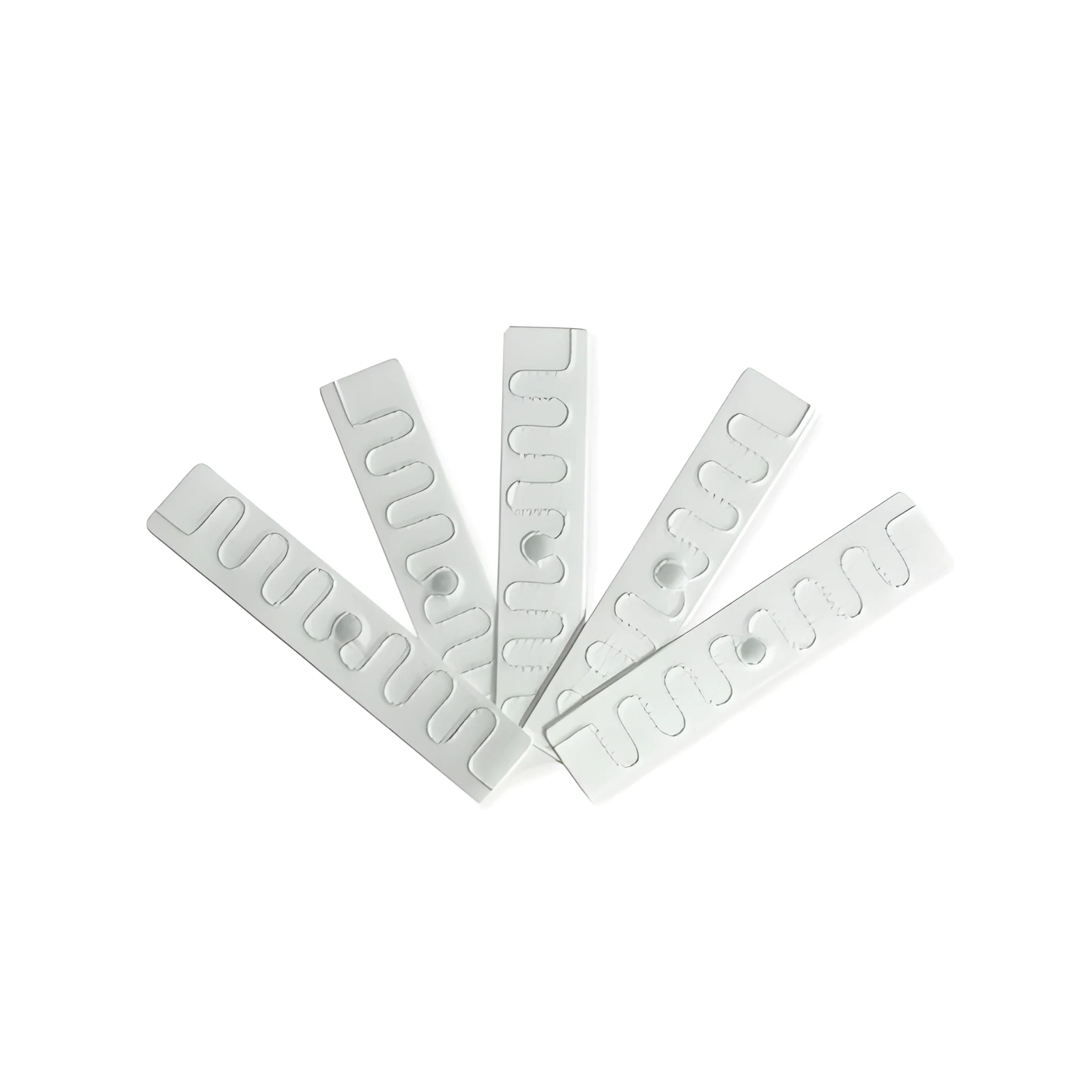
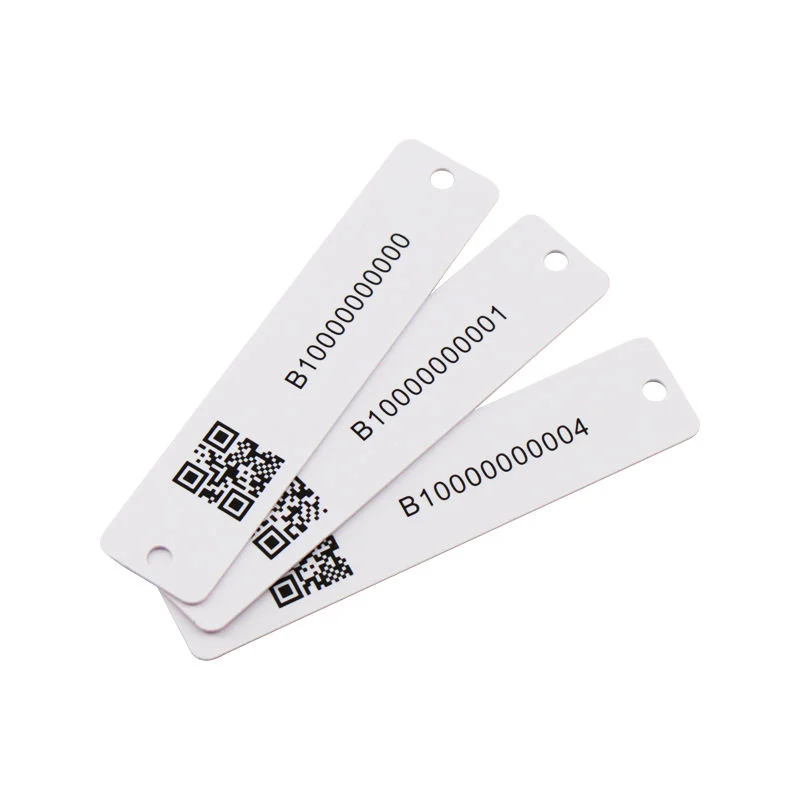
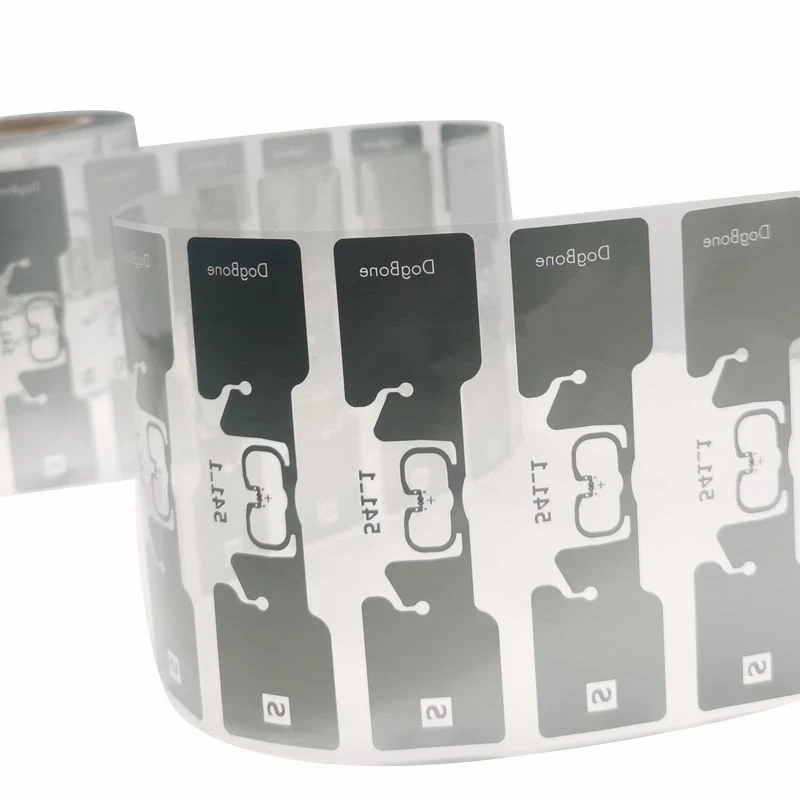
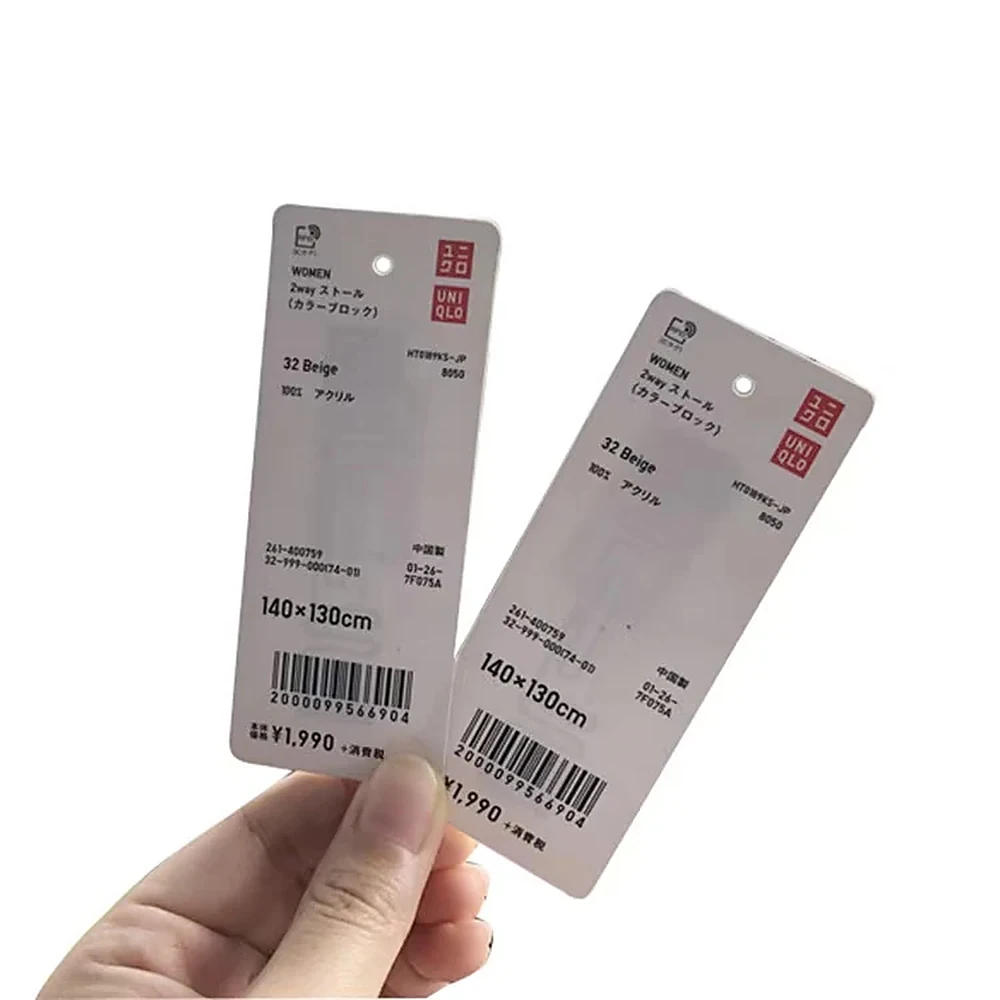
Hangtags and textile-label formats for item-level identification through retail workflows.

File and document tracking where visible identification and traceable issue matter.
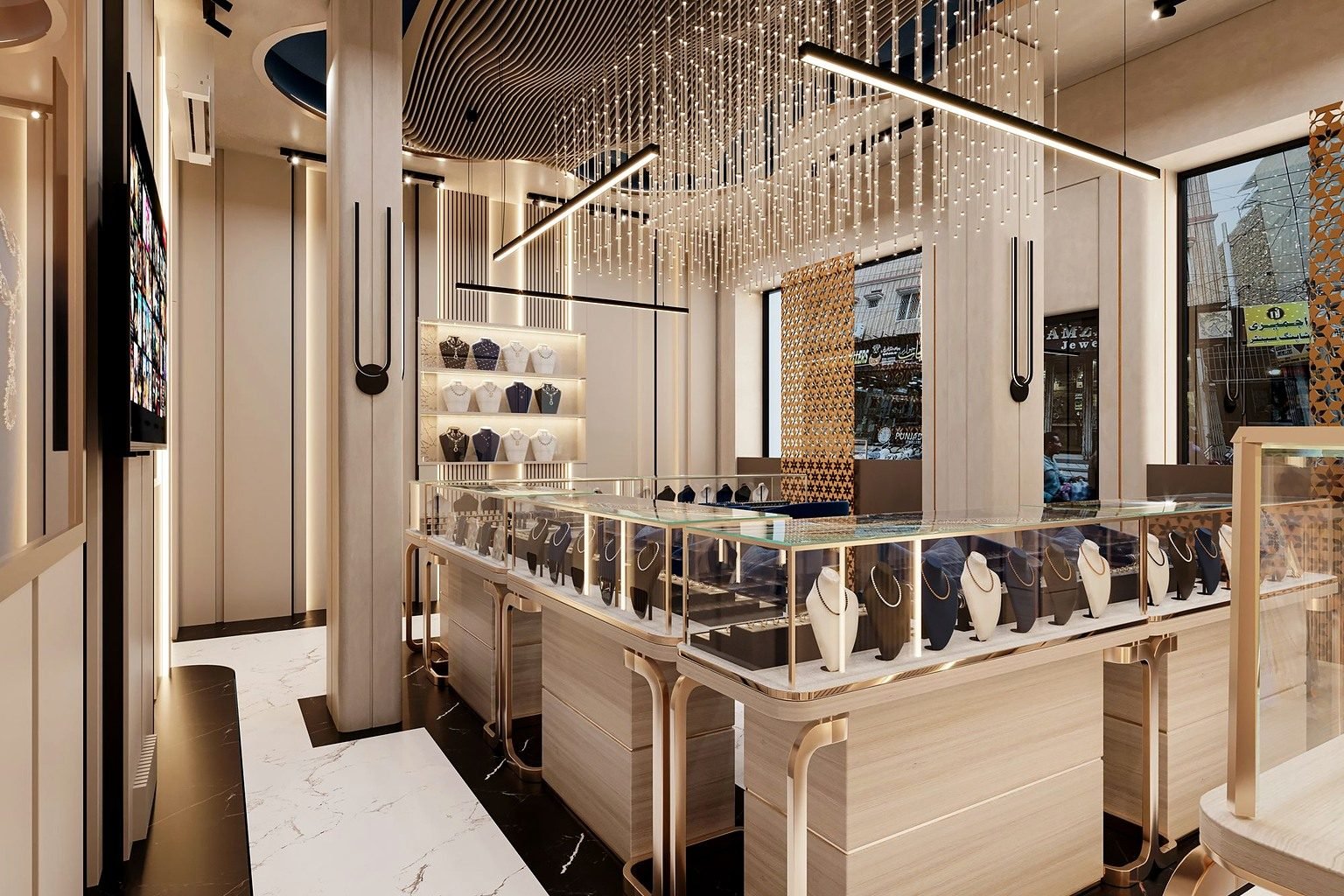
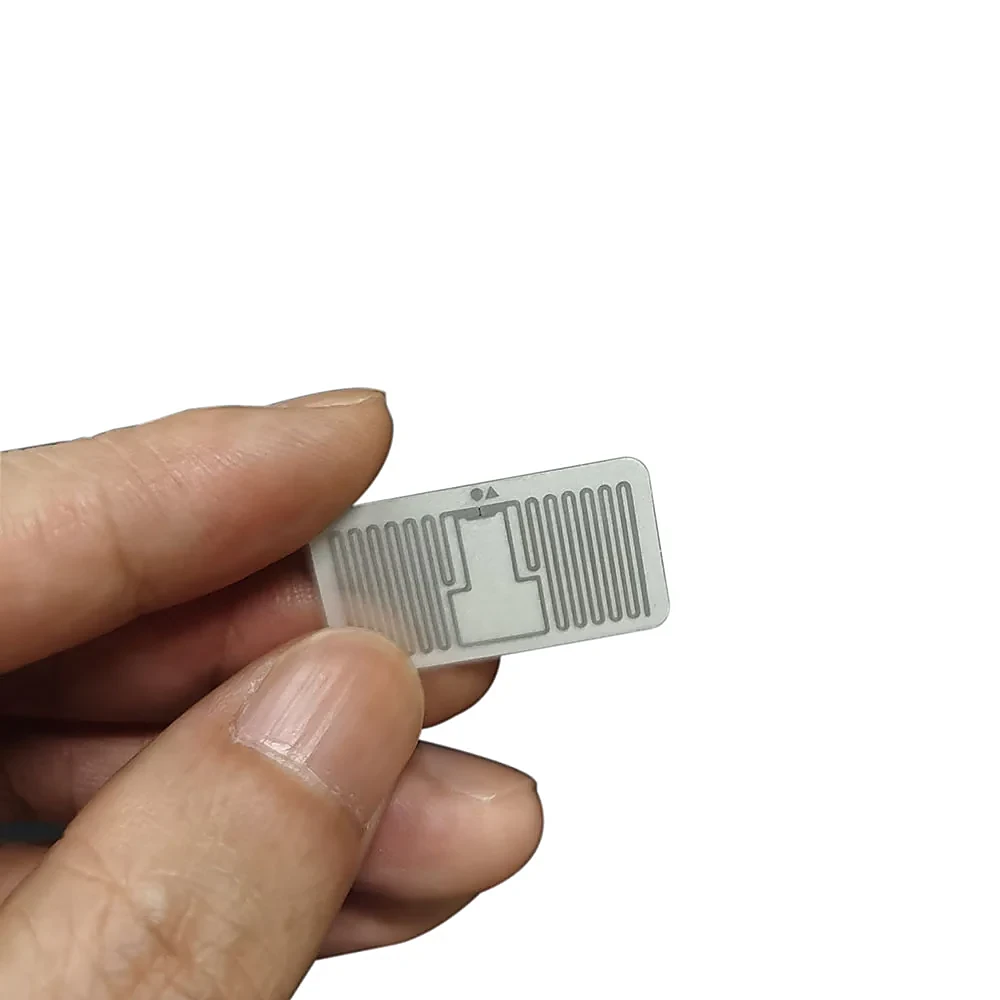
Compact label constructions for small, high-value retail items.
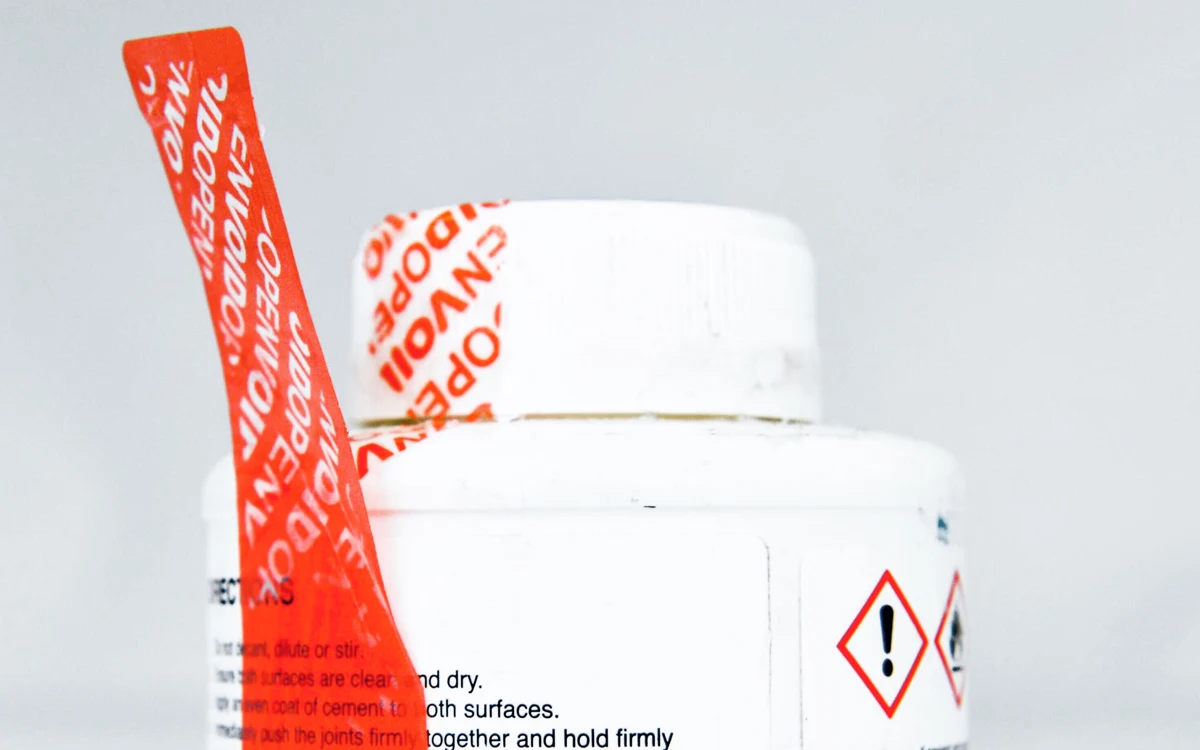
One-time-use label constructions that show evidence when removed.
Photo: TamperTechTeam · CC BY-SA 4.0 (cropped/resized)

Durable label constructions for manufacturing, tools and demanding handling conditions.

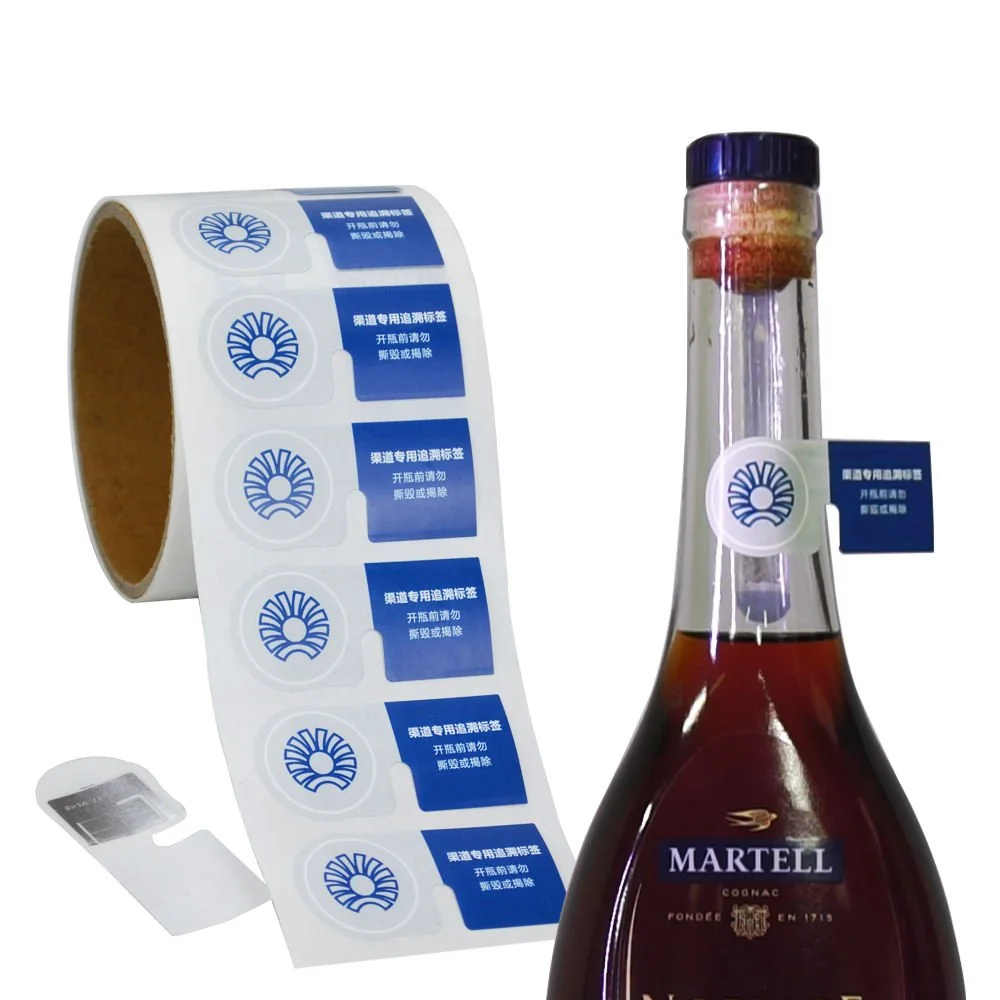
Label designs validated for bottles, curved packs and liquid-content products.
Product range
36 real, in-production SKUs in this range. Search by name or SKU, filter by product type or frequency below, or browse the full list and use the page numbers to see the rest.
30-second self-service finder
Pick surface, frequency or range below to see the top 2–3 sample matches and add them directly to your quote list.
Showing top sample picks for this category.
OEM & ODM capability
Every layer -- chip, face material, adhesive, size, antenna, printing and packaging -- is open to customization, matched to your product and brand. Logo, artwork and packaging are part of the standard build, not an add-on.
EPC Gen2 / ISO 18000-6C, 860-960 MHz -- tunable to your region's allocation (FCC 902-928 MHz, ETSI 865-868 MHz, or other local bands).
Coated paper, direct thermal paper, PET, PP, polyimide (PI) or a tamper-evident destructible stock -- chosen for environment, service life, printer and cost. A thin face stock has only a marginal effect on read range.
| Material | Pros | Cons | Best for |
|---|---|---|---|
| Coated paper (art paper) -- paper with a smooth mineral coating for sharp print; typically 80 g/m2 | Sharp colour, text and barcode print; good price-performance; the universal label face | Not waterproof; scuffs and tears; indoor use only | Retail and apparel labels, cartons, general inventory |
| Direct thermal paperpaper with a heat-sensitive coating that darkens under the printhead, so no ribbon is needed | Lowest running cost; no ribbon; fast on-demand printing with desktop or portable printers | Print fades with heat, sunlight, moisture, chemicals and friction; short service life | Shipping, courier and warehouse labels used for days to months |
| PET (polyethylene terephthalate -- a polyester film), glossy or matte | Waterproof; resists oil, many chemicals, scratches and sunlight; dimensionally stable, so barcodes stay sharp for years | Costs more than paper; not for direct thermal printing; stiffer on tight curves | Asset tags, outdoor and industrial labels, reusable totes, humid stores |
| PP (polypropylene -- a flexible plastic film; also made as PP synthetic paper with a paper-like matte surface) | Water- and tear-resistant; bends with curved and squeezable surfaces; stays flexible in the cold; usually cheaper than PET | Softens in heat; less scratch- and sun-resistant than PET | Bottles and cosmetics, cold-chain and frozen goods, wet packaging, durable hang tags |
| PI (polyimide -- an amber high-temperature film used in electronics manufacturing) | Survives reflow soldering, autoclave and paint-line heat -- our PI constructions are rated up to 200 C; chemical resistant | Highest cost; amber tint lowers print contrast; must be paired with a high-temperature adhesive | PCB, electronics, automotive and industrial process traceability |
| Destructible stock (fragile paper or brittle PET) -- face stock designed to break apart when someone peels it | Shows tampering; cannot be moved to another item intact | Cannot be repositioned once applied; one-time use only | Anti-counterfeit seals, warranty labels, high-value and sealed goods |
Permanent acrylic for general use, removable for reusable assets, and high-temperature silicone for autoclave or paint-line exposure -- matched to your surface and environment.
Any current-generation UHF chip.
Custom die-cut sizes, with antenna designs matched to your target read range.
Thermal transfer for durable, long-life printing, or direct thermal for lower-cost, shorter-lived print -- plus logo, barcode and human-readable numbering before shipment.
EPC or user memory encoded to your numbering scheme, verified label-by-label before packing -- send us the encoding rule with your order.
Roll, sheet or fanfold, wound in or out to match your applicator, on standard 76mm (3in) or 152mm (6in) cores.
Production & quality control
From validated sample to finished tag -- the real production stages behind every order.
Confirm the selected inlay, face stock and adhesive against the intended surface before production.
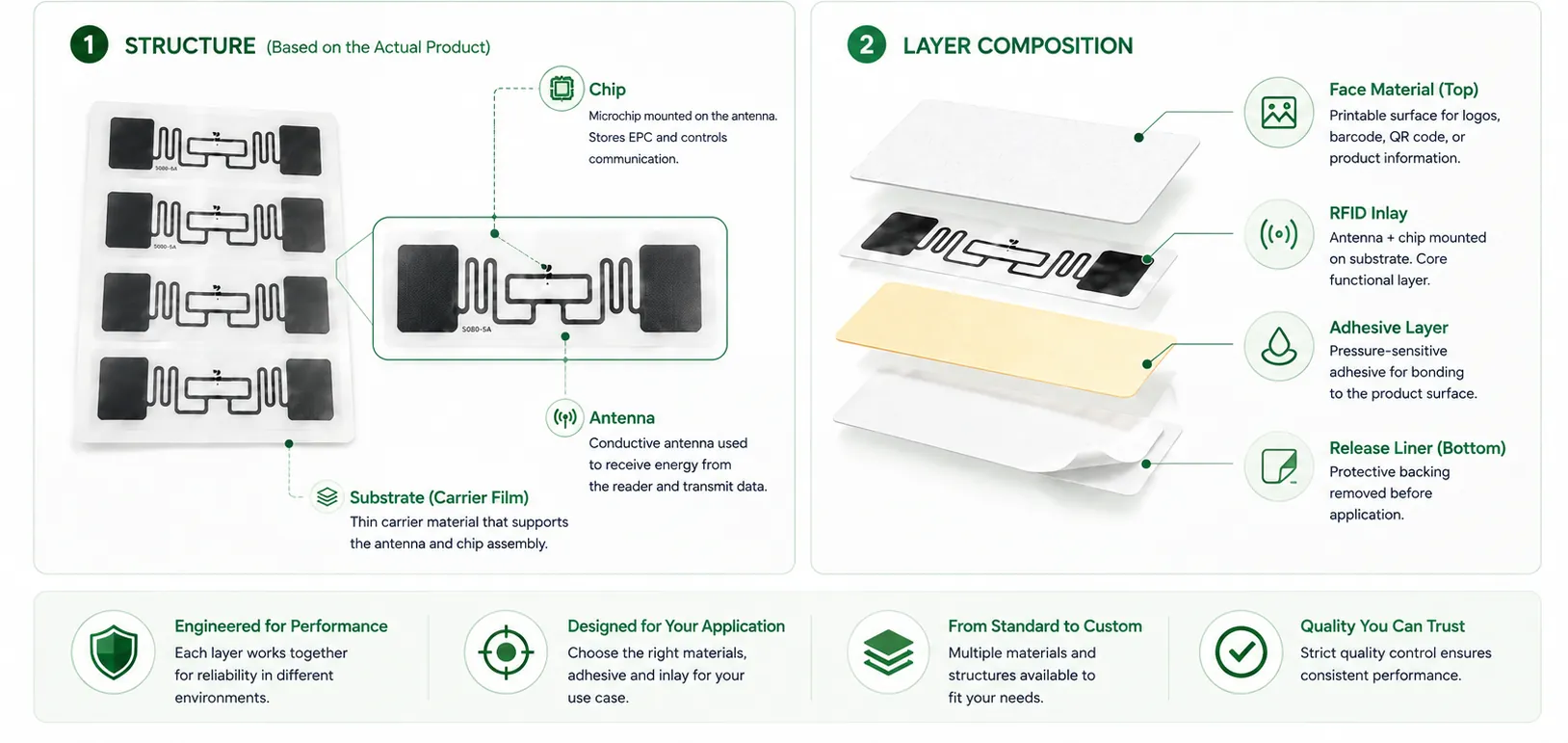
Bond the RFID chip to the antenna substrate to create the inlay.
Combine the inlay with the selected face material, adhesive and liner.
Apply approved artwork, variable text, barcodes or QR codes.
Encode the agreed data and inspect the encoded labels.
Check finished labels before packing against the approved production requirements.
Pack finished labels in the agreed roll and shipment format.
How to choose
Every RFID label is a layered assembly. The inlay, face material, adhesive, and liner are selected around your surface, print requirements, and operating environment.
Carton, fabric, bottle, glass or metal.
Dry indoor, humid, autoclave or outdoor.
Paper / PET / PI / anti-liquid / windshield.
Match your reader/antenna setup.
Size, print, encoding scheme.
Validate on your real product before order.
Chip options
Chip selection is OEM/ODM too -- we integrate current-generation UHF chips as they release, not locked to one family. Tell us your reader/EPC needs and we will confirm the match.
Baseline, regardless of chip
One of the earliest UHF RFID chip makers. The Higgs family (Higgs-3 through Higgs-10) is widely used across retail and logistics inlays for broad compatibility and mature manufacturing.
| Model | Read sensitivity | TID prefix | EPC memory | User memory | Access PW | Kill PW |
|---|---|---|---|---|---|---|
| Higgs 3 | -18dbm | E2003412 | 96-496 | 512 | 32 | 32 |
| Higgs 4 | -18.5dBm | E2003414 | 128 | 128 | 32 | 32 |
| Higgs-EC | -22.5dBm | E2003811 / E2003812 | 128 | 128 | 32 | 32 |
| Higgs 9 | -22.5dBm | E2803821 | 96-496 | 688 | 32 | 32 |
| Higgs 10 | -23dBm | E2803813 | 96\128 | 32\0 | 32 | 32 |
A major global semiconductor company. Its UCODE family spans entry-level tags (UCODE 7/8/9) up to the DNA series, which adds authentication for brand-protection applications.
| Model | Read sensitivity | TID prefix | EPC memory | User memory | Access PW | Kill PW |
|---|---|---|---|---|---|---|
| Ucode 7 | -21dBm | E2806890 | 128 | 0 | 32 | 32 |
| Ucode 7m | -21dBm | E2806811 | 128 | 32 | 32 | 32 |
| Ucode 7xm | -19dBm | E2C06D12 | 448 | 1024 | 32 | 32 |
| Ucode 7xm+ | -19dBm | E2C06D92 | 448 | 2048 | 32 | 32 |
| Ucode 8 | -23dBm | E2806894 | 128 | 0 | 32 | 32 |
| Ucode 8m | -23dBm | E2806994 | 96 | 32 | 32 | 32 |
| Ucode 9 | -24dBm | E2806995 / E2806915 | 96 | 0 | 0 | 32 |
| Ucode 9xe | -24dBm | E2806A16 | 128 | 0 | 0 | 32 |
| Ucode 9xm | -24dBm | E2806897 | 128\256\496 | 752\624\384 | 32 | 32 |
| Ucode DNA | -19dBm | E2C06892 | 224 | 3072 | 32 | 32 |
| UCODE DNA Track | -19dBm | E2C06C12 | 448 | 256 | 32 | 32 |
| Ucode DNA City | -19dBm | E2C06B12 | 224 | 1024 | 32 | 32 |
| Ucode G2XM | -15dBm | E2006003 | 240 | 512 | 32 | 32 |
| Ucode G2XL | -15dBm | E2006004 | 240 | 0 | 32 | 32 |
| Ucode G2iL | -18dBm | E2006806 | 128 | 0 | 32 | 32 |
| Ucode G2iL+ | -18dBm | E2006807 | 128 | 0 | 32 | 32 |
| Ucode G2iM | -17.5dBm | E200680A | 256 | 512 | 32 | 32 |
| Ucode G2iM+ | -17.5dBm | E200680B | 448 | 640 | 32 | 32 |
| Ucode I2C | -18dBm | E200680D | 160 | 3328 | 32 | 32 |
The RAIN RFID market leader -- Impinj's Monza and M-series chips have shipped in the tens of billions. Newer M700/M800 chips add AutoTune and Integra diagnostics for retail use.
| Model | Read sensitivity | TID prefix | EPC memory | User memory | Access PW | Kill PW |
|---|---|---|---|---|---|---|
| Monza 4i | -22dBm | E2801114 | 256 | 480 | 32 | 32 |
| Monza 4D | -22dBm | E2801100 | 128 | 32 | 32 | 32 |
| Monza 4E | -22dBm | E280110C | 496 | 128 | 32 | 32 |
| Monza 4QT | -22dBm | E2801105 | 128 | 512 | 32 | 32 |
| Monza R6 | -22.1dBm | E2801160 | 96 | 0 | 0 | 0 |
| Monza R6-P | -22.1dBm | E2801170 | 128 | 32 | 32 | 32 |
| Monza R6-A | -22.1dBm | E2801171 | 96 | 0 | 32 | 32 |
| Monza R6-B | -22.1dBm | E2801171 | 96 | 0 | 32 | 32 |
| M730 | –24dBm | E2801191 | 128 | 0 | 32(共享) | — |
| M750 | –24dBm | E2801190 | 96 | 32 | 32(共享) | — |
| M770 | –24dBm | E28011A0 | 128 | 32 | 32(共享) | — |
| M780 | –23.5dBm | E28011C0 | 496 | 128 | 32(共享) | — |
| M781 | –23.5dBm | E28011C1 | 128 | 512 | 32(共享) | — |
| M830 | -25.5dBm | E28011B0 | 128 | 0 | 32(共享) | — |
| M850 | -25.5dBm | E28011B0 | 96 | 32 | 32(共享) | — |
A Chinese UHF chip line -- the KX2005X series targets cost-sensitive, high-volume tagging for the domestic and export label market.
| Model | Read sensitivity | TID prefix | EPC memory | User memory | Access PW | Kill PW |
|---|---|---|---|---|---|---|
| KX2005X-B | -23.5dBm | E281D011 | 96-240 | 1312 | 32 | 32 |
| KX2005X-S | -23.5dBm | E281D012 | 128 | 0 | 32 | 32 |
| KX2005X-544 | -23.5dBm | E281D013 | 96-240 | 544 | 32 | 32 |
| KX2005X-BL | -23.5dBm | E281D015 | 96-240 | 1312 | 32 | 32 |
| KX2005X-BT | -23.5dBm | E281D016 | 96-240 | 1312 | 32 | 32 |
| KX2005X-BR | -23.5dBm | E281D017 | 96-240 | 1312 | 32 | 32 |
| KX2005XG-B | -21.5dBm | E281D021 | 96-240 | 1312 | 32 | 32 |
| KX2005XG-S | -21.5dBm | E281D022 | 128 | 0 | 32 | 32 |
| KX2005XG-544 | -21.5dBm | E281D023 | 96-240 | 544 | 32 | 32 |
| KE2006 | -19.5dBm | E281D030 | 128 | 0 | 32 | 32 |
Known for ultra-low-power IC design. Its EM4xxx chips include dual read-sensitivity modes and expanded memory for sensor or logging use cases.
| Model | Read sensitivity | TID prefix | EPC memory | User memory | Access PW | Kill PW |
|---|---|---|---|---|---|---|
| EM4324 | -8dBm,-27dBm | E200B001/2 | 96 | 720 | 32 | 32 |
| EM4325 | -8dBm,-30dBm | E200BXXX | 352 | 3072 | 32 | 32 |
| EM4423 | -16dBm | E280B0A0/1 | 128\224 | 160\64 | 32 | 32 |
| EM4124 | -19dBm | E200B080 | 96 | 0 | 32 | 32 |
| EM4126 | -19dBm | E200B0C0 | 208 | 0 | 0 | 0 |
| EM4425 | -20dBm | E200B110 | 480 | 1056 | 32 | 32 |
A Chinese UHF chip brand -- the Qstar series covers general retail and logistics tagging across a range of memory configurations.
| Model | Read sensitivity | TID prefix | EPC memory | User memory | Access PW | Kill PW |
|---|---|---|---|---|---|---|
| Qstar-71GB-O | -21dBm | E280F337 | 496 | 128 | 32 | 32 |
| Qstar-73GB-O | -21dBm | E280F336 | 128 | 512 | 32 | 32 |
| Qstar-73GB-O-V | -21dBm | E280F338 | 64-512 | 128-528 | 32 | 32 |
| Qstar-7U | -24dBm | E280F302 | 128 | 128 | 32 | 32 |
A Chinese IC design company with a broad RFID portfolio spanning HF and UHF. Its FM13UF series serves domestic and export label production.
| Model | Read sensitivity | TID prefix | EPC memory | User memory | Access PW | Kill PW |
|---|---|---|---|---|---|---|
| FM13UF011E | -24.2dBm | E2827803 | 96-496 | 512-112 | 32 | 32 |
| FM13UF0051E | -24.2dBm | E2827802 | 128 | 32 | 32 | 32 |
A Chinese UHF chip supplier -- the SWP-U series covers standard retail and logistics tagging needs.
| Model | Read sensitivity | TID prefix | EPC memory | User memory | Access PW | Kill PW |
|---|---|---|---|---|---|---|
| SWP-U1 | -23dBm | E283B130 | 128 | 0 | 32 | 32 |
| SWP-U1M | -23dBm | E283B131 | 128 | 128 | 32 | 32 |
FAQ
An inlay is the bare antenna plus chip on a carrier film. A label adds a printable face material and adhesive. In practice buyers use "RFID sticker" and "RFID label" interchangeably for the finished, self-adhesive product -- that is what most of this page covers. Converters who laminate their own face stock should order inlays.
We are a factory -- Shenzhen Fuyuan Technology Co., Ltd. (FYRFID) manufactures UHF RFID labels, stickers and inlays in-house, from chip bonding through printing and packing. You are buying direct from the manufacturer, not through a trading intermediary.
Yes. Chip, face material, adhesive, size, antenna, printing and packaging are all open to customization, and your logo, artwork and packaging format are part of the standard build. Send your spec or target application and we will confirm what we can build.
Range depends on the reader, antenna, surface and orientation as much as on the tag. Figures are measured with a 30 dBm fixed reader on a dielectric surface -- metal and liquid will cut range sharply unless you use an on-metal or anti-liquid construction.
Yes. We print variable barcodes, logos and human-readable numbering, and encode EPC or user memory to your numbering scheme. Send the encoding rule with your order.
MOQ starts at 200-500 pcs for standard sizes and stock chips. Custom antenna designs need higher volume -- ask for a quote with your size and chip requirement.
Unit price depends on construction, chip and order volume -- paper labels are the cheapest starting point, anti-liquid and high-temperature constructions cost more. Send your size, chip and quantity for an exact quote rather than a generic per-piece number.
Not a fixed list -- we integrate current-generation UHF chips as they release, from any market vendor. Tell us your reader/EPC requirement and we will confirm the match.
Yes -- request matched samples so you can validate read range and durability on your own product before placing a bulk order.
Large-core roll for industrial applicators, small-core roll sized for desktop label printers, or sheet/fanfold for manual application.
Resources
Practical buying and technical guides for this product range.
Engineering support
Whichever stage you're at -- ready to order, still comparing, or want a second opinion -- our team can help you land on the right UHF label.
Get the latest news, case studies, and product updates from FYRFID delivered to your inbox. No spam — unsubscribe any time.
Thanks for subscribing — we’ll be in touch.
We couldn't subscribe you right now. Please try again.