01
Label converters
You add your own face.
Typical setupSeven sizes.
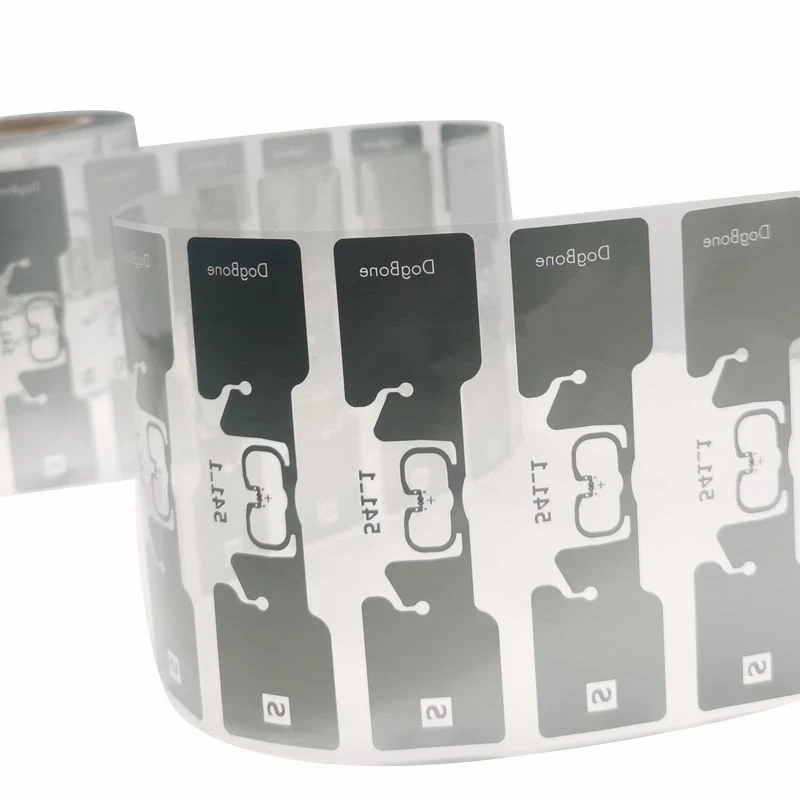
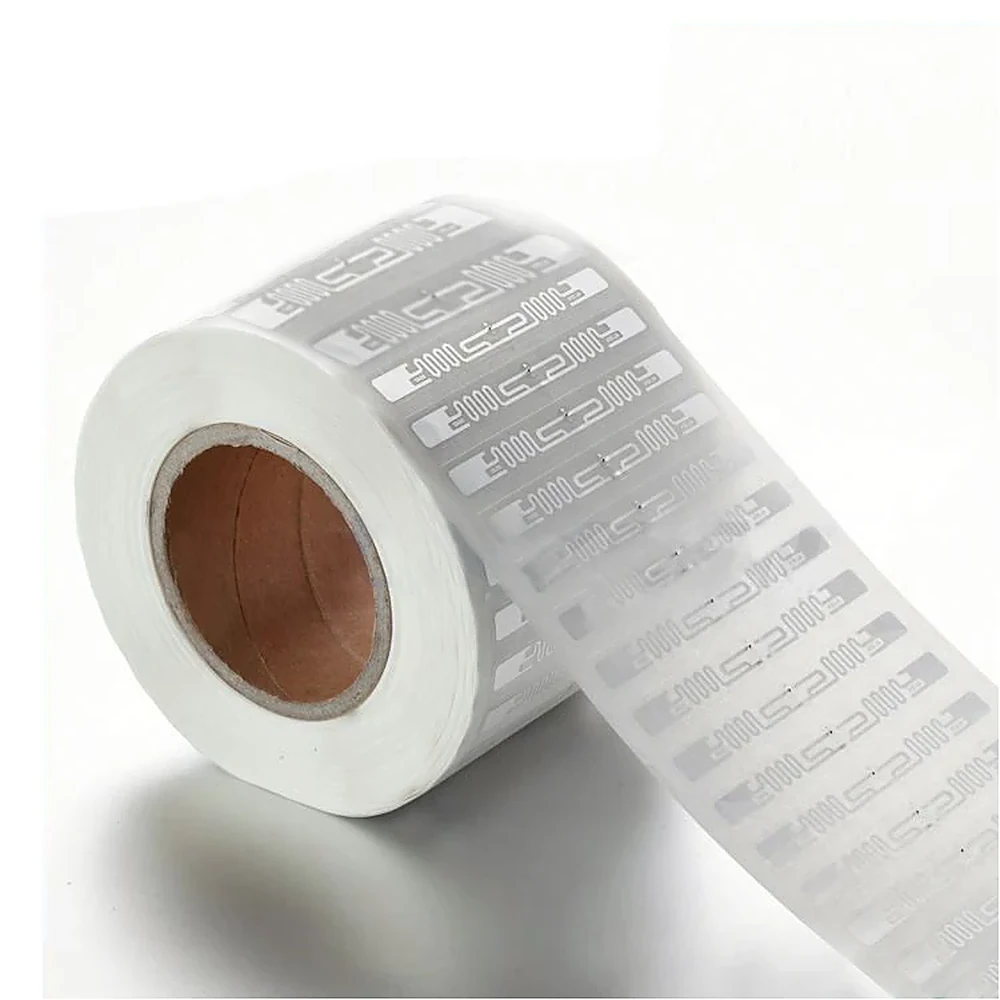
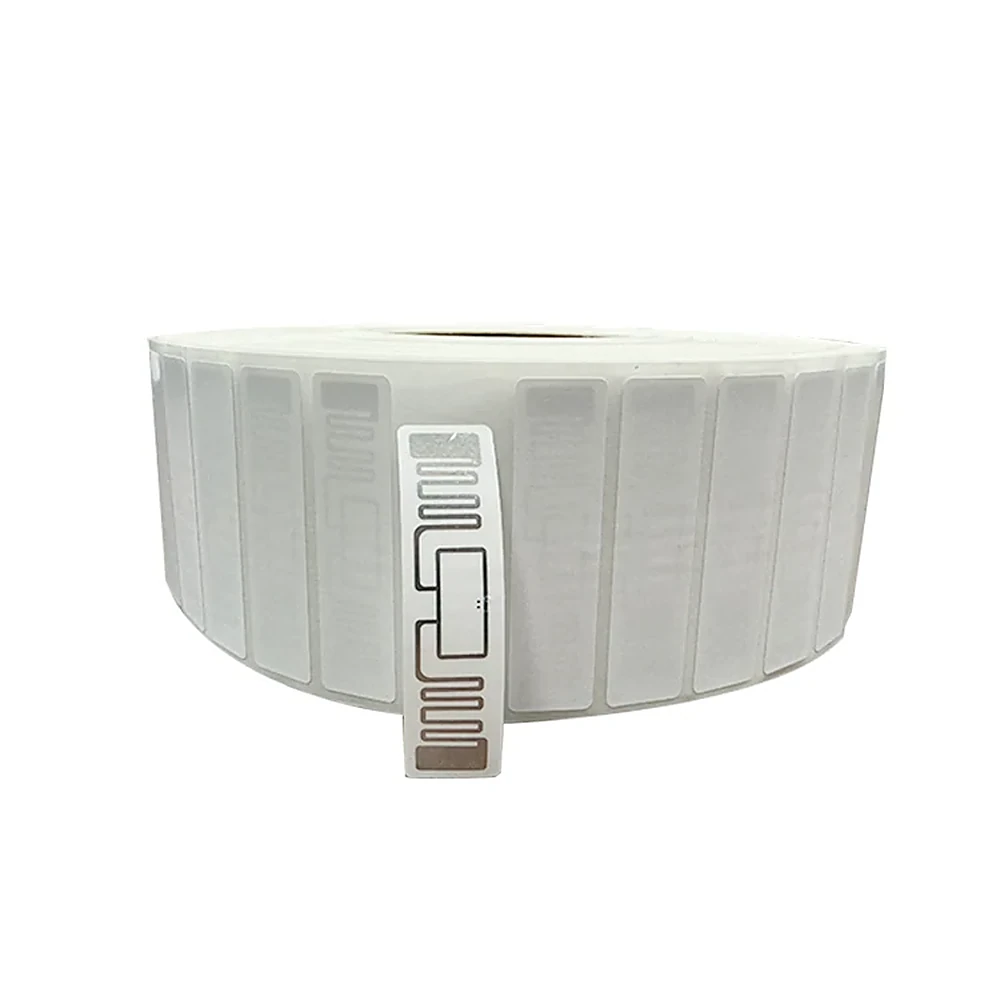
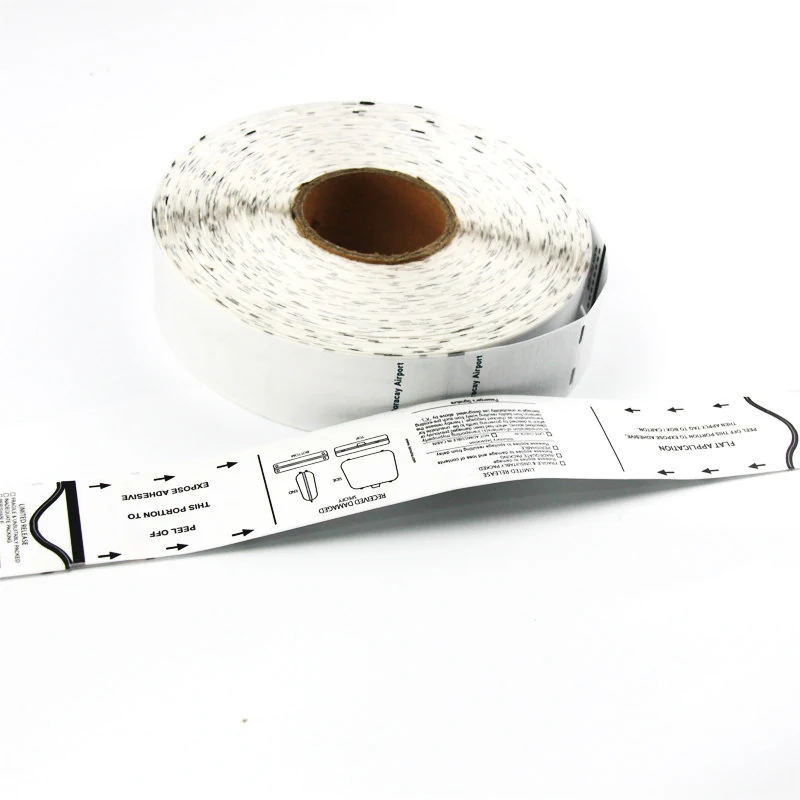
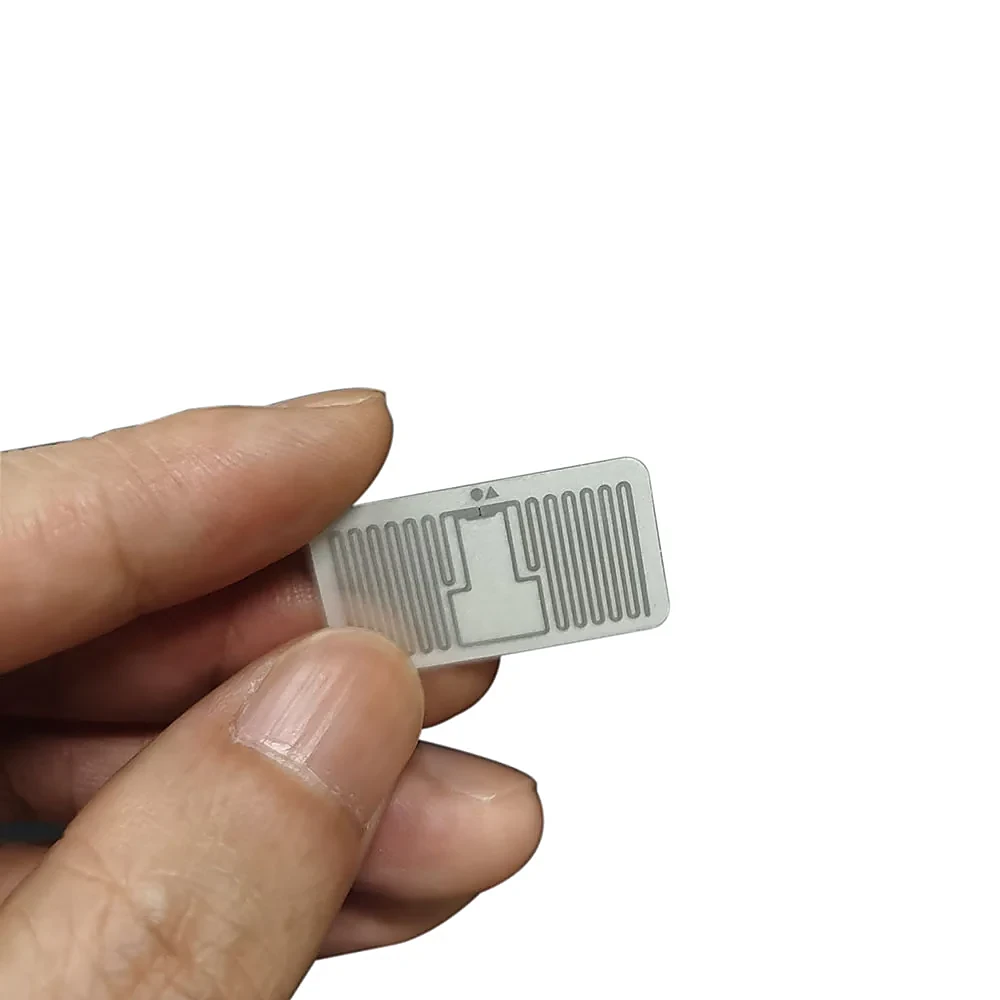
This is a heat-resistant inlay (up to 200°C) with adhesive for label makers. Cover it with your own material and you get a label that survives hot processes, then is read from several metres away. Key facts: IP54 · reads 1m-8m; MOQ 200pcs.
You add your own face.
Typical setupSeven sizes.
Parts go through ovens.
Typical setup−40°C to +200°C.
Labels go through hot finishing.
Typical setupTextile base.
Part labels survive heat.
Typical setupMOQ 200 pcs.
This is a heat-resistant inlay (up to 200°C) with adhesive for label makers. Cover it with your own material and you get a label that survives hot processes, then is read from several metres away.
How it works, in plain words
What you need to use it
What it looks like in your business
Today: you design the antenna and the chip placement yourself. With the inlay: choose from seven standard sizes or a custom size, add your face material and print.
What you get: You start from a tuned inlay.
Today: labels fail in ovens or hot washing. With the inlay: the textile base is rated up to 200°C, so the label survives.
What you get: Survives heat that kills paper inlays.
Today: printed numbers and stored numbers get out of step. With the inlay: numbers can be set to your list.
What you get: Printed and stored numbers match.
Today: an unsealed inlay will fail if washed. With the inlay: seal it inside your label if it will be washed. Minimum 200 pcs.
What you get: Plan sealing into the label.
Today: labels are bought on a data sheet, and then do not read well on your cartons. With the label: order a sample, apply it to real goods, and read them at your dock or with your handheld. Tell us the result and we will advise on the right version before you order volume. For this product: material Textile, operating temperature -40℃--200℃, minimum order 200pcs.
What you get: Labels that read on your goods.
The hardware and software that work with the UHF RFID Wet Inlay in a typical project.
On pallets, cartons or items.
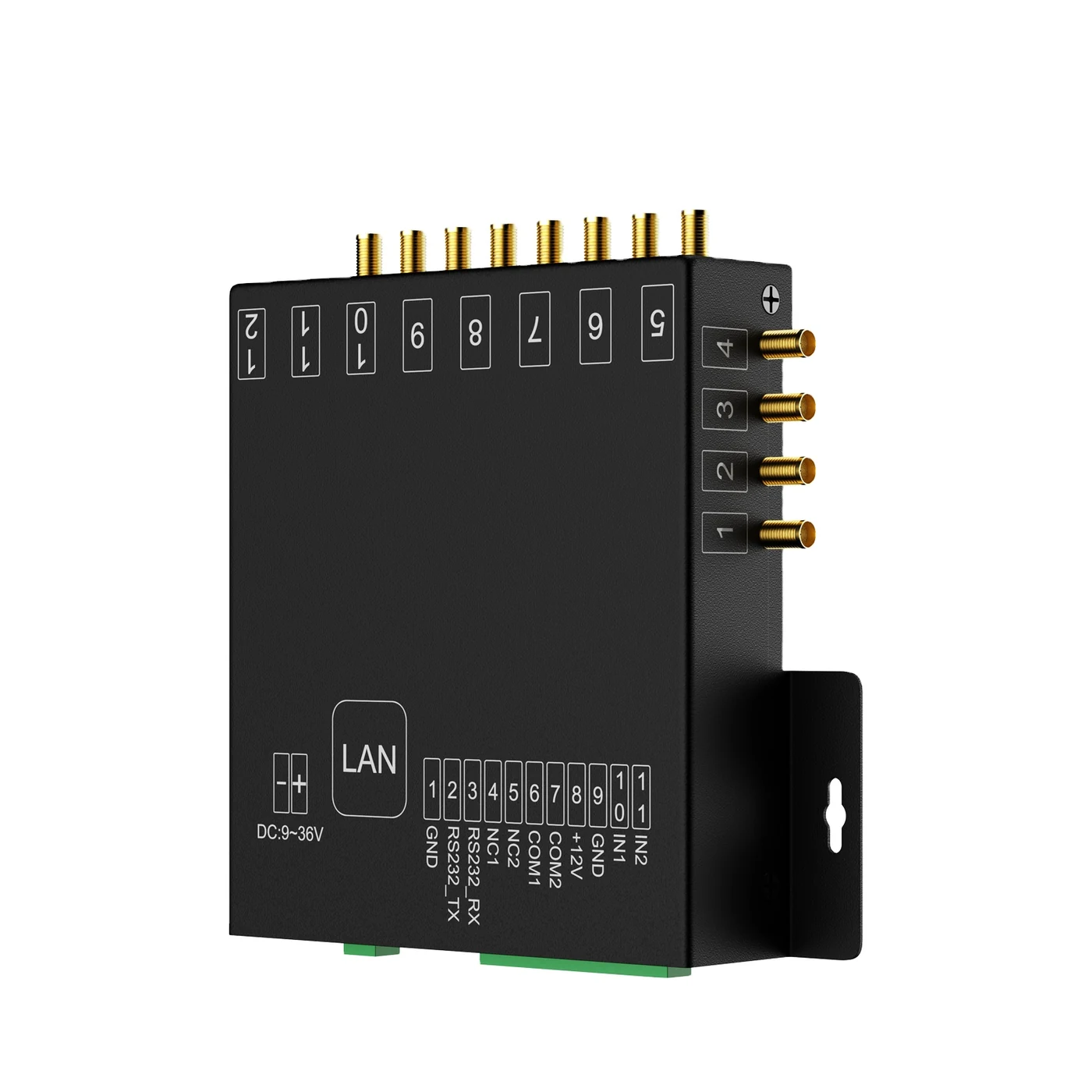
At dock doors, conveyors or in handhelds.
Filters reads and links numbers to goods and orders.
Can read the same numbers if you use a standard.
Item, carton or pallet. Choose a numbering scheme, for example GS1 SSCC for pallets.
Test on your real goods and your reader before you order volume.
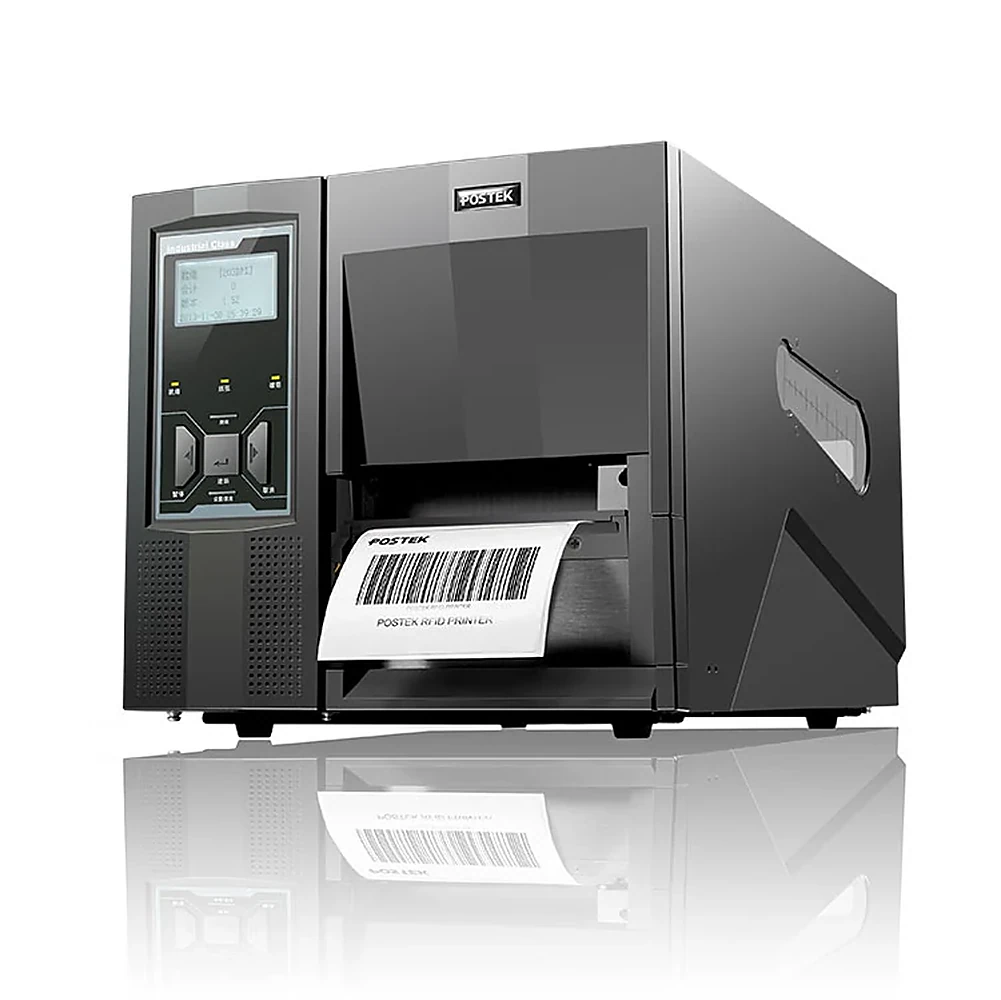
We can print and encode on request, or you encode on your own printer.
Put them in the same position on every item and keep them flat and clear of metal and liquids.
Read at the points you chose and compare the list with your system.
| Chip / IC | U9 |
|---|---|
| Frequency | 860-960 MHz |
| Memory | 128bit |
| Read range | 1m-8m (depends on using condition) |
| Size | 70*15mm/75*15mm/70*10mm/35*15mm/88*18mm/56*11mm/50*12mm or customized size |
| Material | Textile |
| Operating temp | -40℃--200℃ |
| Waterproof / IP | IP54 |
| Mounting | Self-adhesive sticker |
| Certifications | ISO 18000-6C, EPC Gen2 |
Need a value that is not listed? Ask in the form and our engineers will confirm it for your order.
| MOQ | 200pcs |
|---|---|
| Sample policy | Free samples available |
| Sample quantity | 3–5 pcs (Free) |
| Sample lead time | 5-7 days |
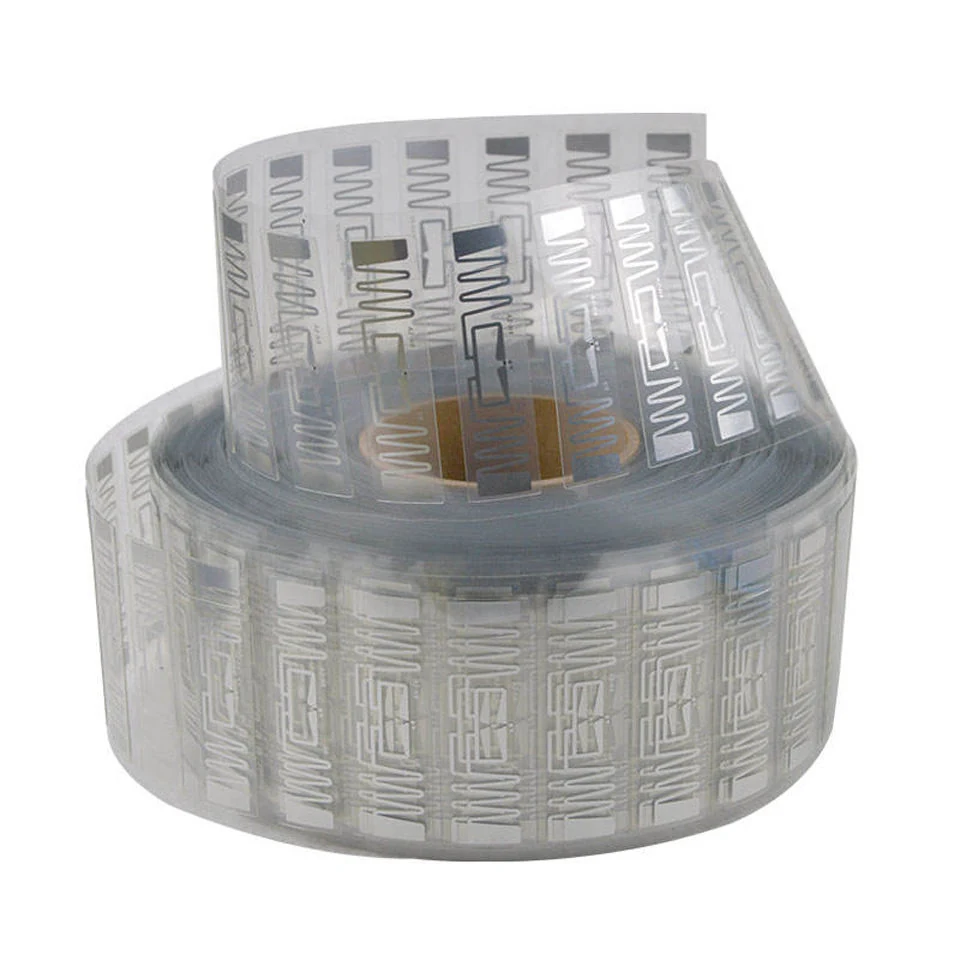
| Packaging | Pack in roll, or punch to separate single pcs |
| Pricing | Quoted per project and quantity. Send your quantity and requirements in the form. |
| Printing & branding | Printing and encoding are available |
|---|---|
| Chip encoding | Chip encoding available on request |
−40°C to +200°C.
70 × 15, 75 × 15, 70 × 10, 35 × 15, 88 × 18, 56 × 11, 50 × 12 mm, or custom.
200 pcs.
You need UHF readers for the tags you use. Handheld readers are the easiest start; dock-door readers read pallets as they pass.
Yes. You can print the barcode and QR code on the same label, so existing scanners keep working while you introduce readers.
Numbers can be encoded by us before delivery, or by your printer. Standard numbering such as GS1 SSCC helps when partners read your labels.
What is inside a carton (metal, liquids) and how tightly it is packed change how well labels read. Run a pilot on your real goods.
The minimum order quantity is 200pcs. Before bulk production we can send 3–5 pcs (Free) for testing.
Free samples available. Sample quantity: 3–5 pcs (Free). Samples are ready in 5-7 days.
Last updated:
Tell us your quantity, application and delivery country. We reply within 24 hours.