01
Key cards fail at the door
A card with the wrong chip or a weak encode fails on the guest’s first night, and the front desk queue grows while it is re-made.

Hospitality & Hotel · Dual-Frequency
Key Cards That Fail Cost You Guest Reviews.
Guest credentials need verified lock compatibility, appropriate chip security and a body that survives the guest environment.
Catalogue specifications. Tap range depends on the lock or reader.
Plan your projectLive operational path
Pain points on site
Before the pilot, this is the starting point most operations recognise.
A card with the wrong chip or a weak encode fails on the guest’s first night, and the front desk queue grows while it is re-made.
Guests want doors, lifts, lockers and charges to work with one tap, without being asked to show a card at every turn.
Towels, robes and linen go missing between floors and the laundry, and nobody can say how many left or where.
A card that is lost and not cancelled keeps working until it expires. Nobody can say which doors it opened in the meantime.
Cards encoded one at a time on an old encoder hold up every arrival when the coaches come in.
Back-of-house doors still use metal keys or shared cards, so there is no record of who entered the store rooms or the cash office.
How the solution works
System rollout
Ten steps in the order a hotel goes through them, with who does each one and how long it usually takes. Confirming the lock chip comes first; lockers, payments and linen add integration time.
You getConfirmed chip and card specification.
Common mistakeOrdering cards before the chip is confirmed.
You getOrder specification per item.
You getSigned-off artwork and samples.
You getRead points and tag positions for linen and assets.
You getCredentials and tags delivered.
You getWorking integrations.
You getLinen read points in place.
You getTagged linen and assets.
You getPilot report.
You getA reorder plan and monthly reports.
Tags & hardware
One row for each thing you tag or issue. The lock or reader decides the chip, so the chip is listed with its tap or read range.
Most lock systems
Where cloning is a concern
A sustainability promise
Legacy LF systems
No pockets
Carried on a key ring
Commercial laundry
Button-style tag
Metal surfaces
Guest rooms and staff doors
Your lock supplier’s encoder writes the card at check-in. We match the chip to your locks; no lock change needed.
Spa lockers, pool gates and outlets
Supplied by your locker or POS provider. We match the band or fob chip to their readers.
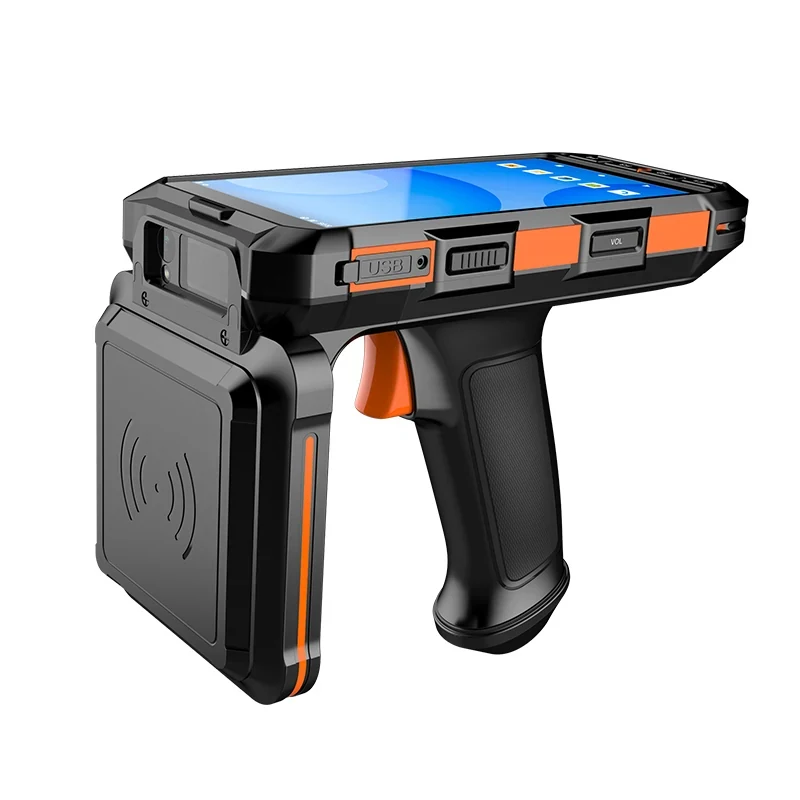
Housekeeping, stores and laundry
Android 13. Counts linen and equipment, and checks cards and wristbands.

Laundry room door and linen trolleys
4-port UHF reader, 0-20 m: counts linen out and back.
Before we quote
Pick what matches your hotel. Each answer shows what it calls for, and the summary goes to our engineers with your enquiry.
Before a volume order
Each one is cheap to settle on a sample and expensive to fix once cards are printed.
Cards with the wrong chip family, or encoded for the wrong memory layout, fail at every door on the first night.
125 kHz cards carry a fixed ID that is easy to copy; a copied card opens the same door.
Tunnel washers, high heat and ironers destroy tags not built for them, and the losses then look like theft.
Guests keep or lose cards. Running short means re-using worn cards or paying rush prices for a reprint.
Related products
Hand-picked from the catalog for this use case, not an automatic industry match. Swipe or use the arrows to see all 12.





If we can identify the chip, yes. Send a photo of a current working card, both sides, or the lock brand and model. We confirm the chip family before you order.
No, if the lock reads the same chip family. A wristband with the same chip as your key cards is encoded on the same encoder. Test a sample on your doors first.
Match the lock first. Where the lock supports more than one, MIFARE Classic 1K suits most hotels, DESFire EV2 adds AES encryption where cloning is a concern, and 125 kHz cards are for older locks only.
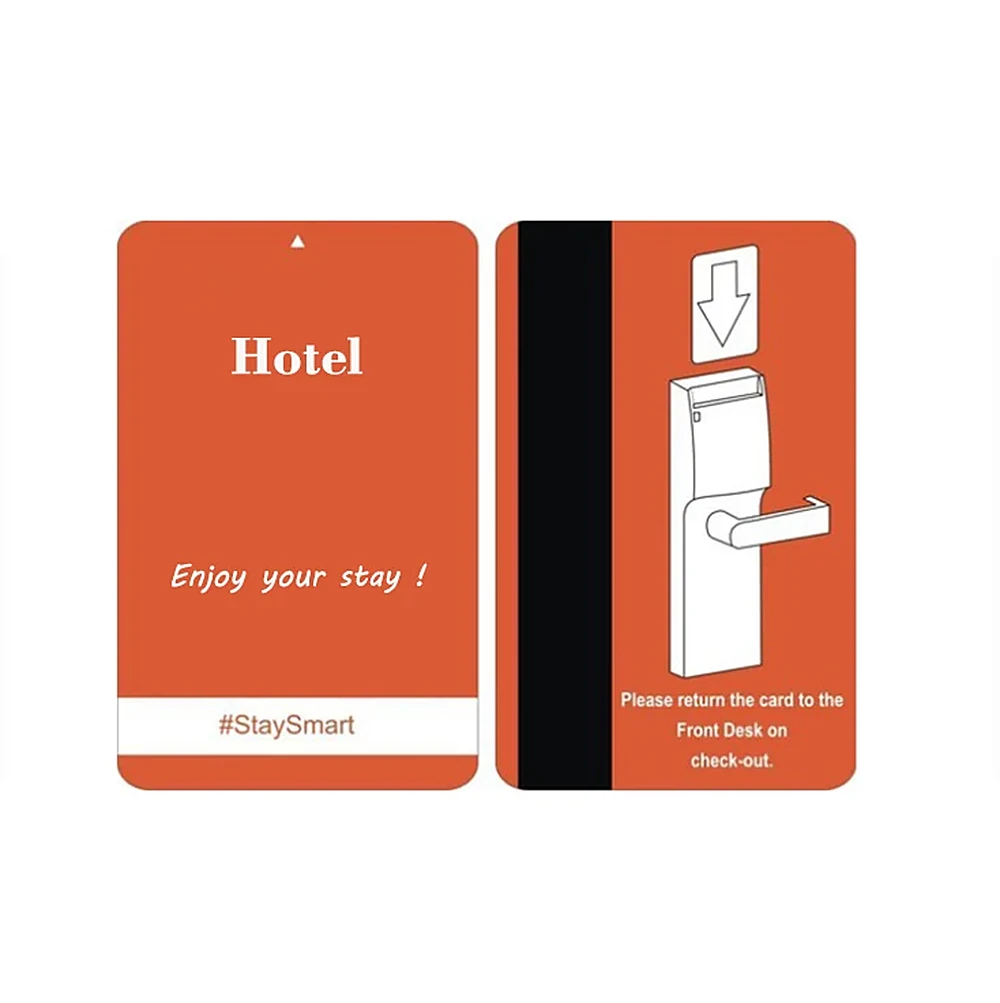
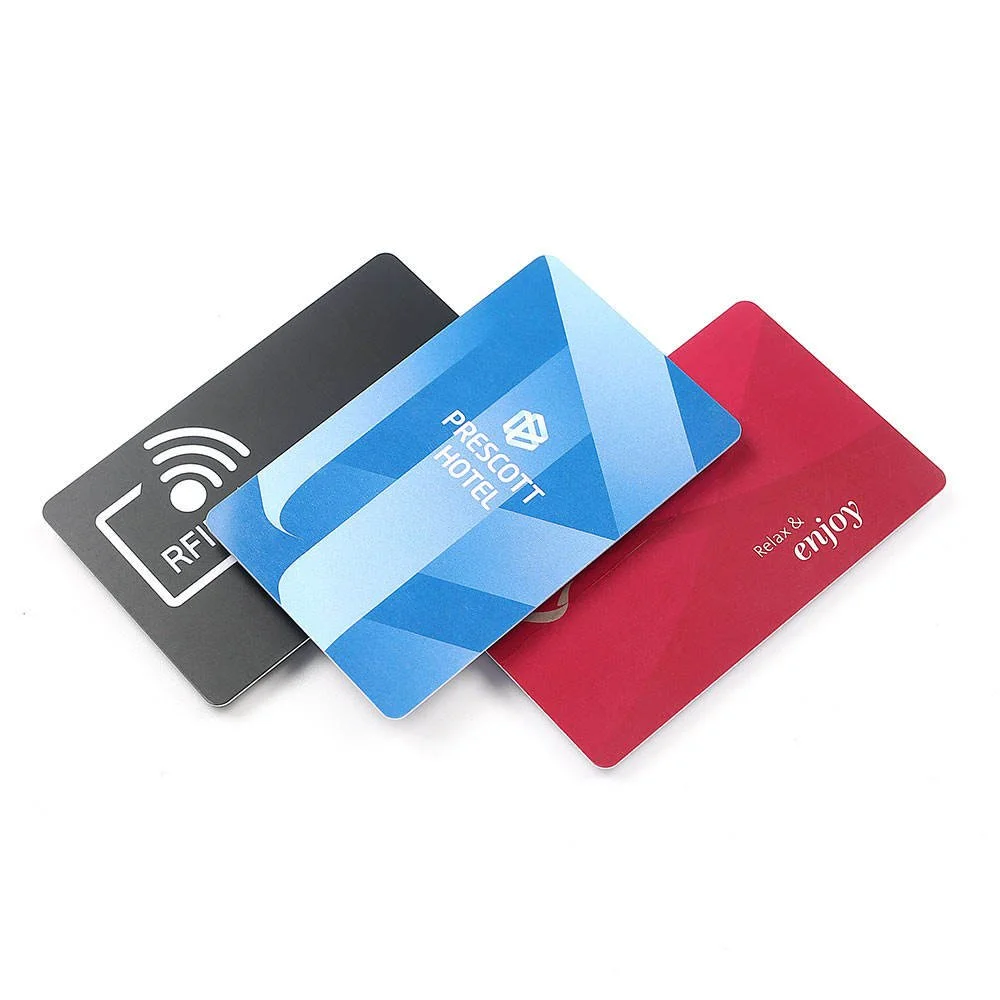
Most hotel key cards are 13.56 MHz RFID, usually MIFARE Classic or DESFire, which is the same family NFC phones use. Older locks use 125 kHz cards, which phones cannot read. Send us a card that works on your locks and we match the chip.
Yes: full colour on both sides, with optional sequential numbering and encoding to match. Minimum order quantities are listed on each card’s product page.
For pools, spas and all-inclusive resorts, yes. Guests have nowhere to keep a card, and a waterproof band removes that failure entirely.
HF (13.56 MHz) bands support MIFARE-class security against copying and can carry locker access and cashless spend on one credential. LF (125 kHz) bands are cheaper but single-function and easier to copy.
They carry the same chips and read the same way; only the body changes. Test a sample on your locks like any other card.
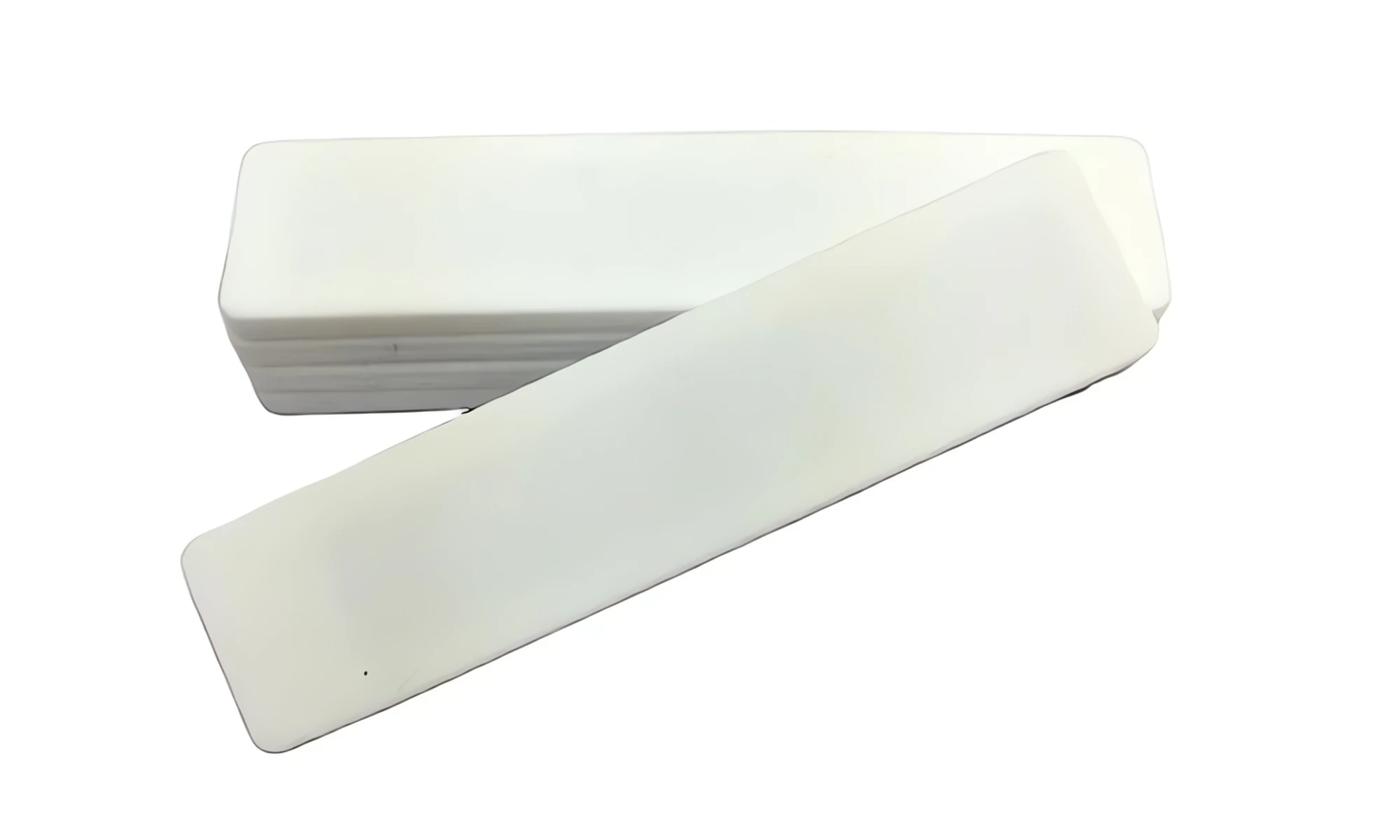
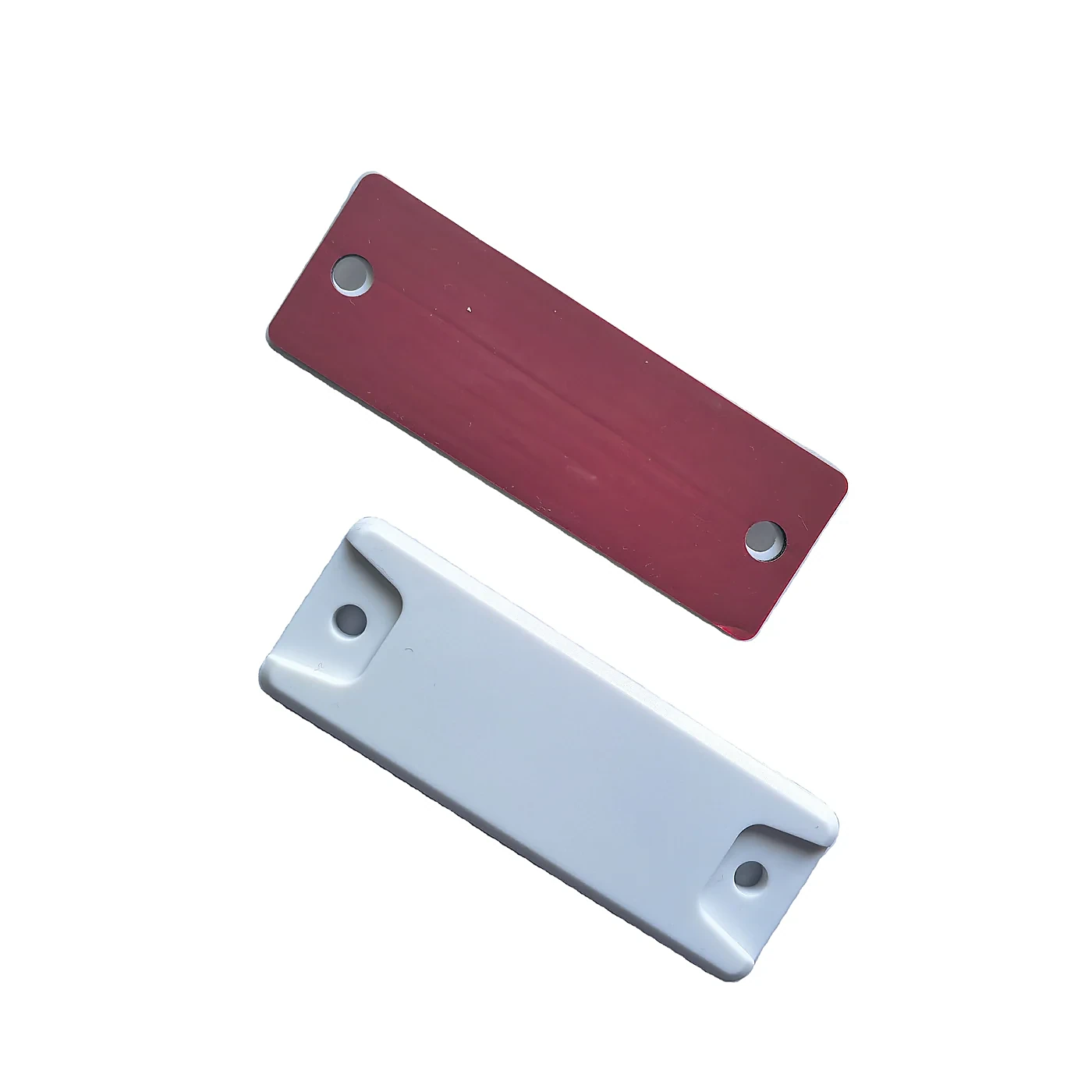
UHF laundry tags are built for commercial washing, and the catalogue tags are rated for 200 or more wash cycles. Confirm your wash temperature, chemicals and ironer settings, and test samples through your own laundry first.
A UHF reader at the laundry room door, or a handheld, counts tagged linen by the bag or trolley, so outgoing and returning quantities are compared per floor or per laundry provider.
That depends on the cashless platform. Secure set-ups use the chip’s security features and post transactions to your POS or PMS through a standard interface; ask your platform which chip features it uses, and we supply bands to match.
Plan from occupancy, because cards walk out with guests. Keep a reorder point and a safety stock, and allow for print lead time, typically 2-4 weeks plus shipping.
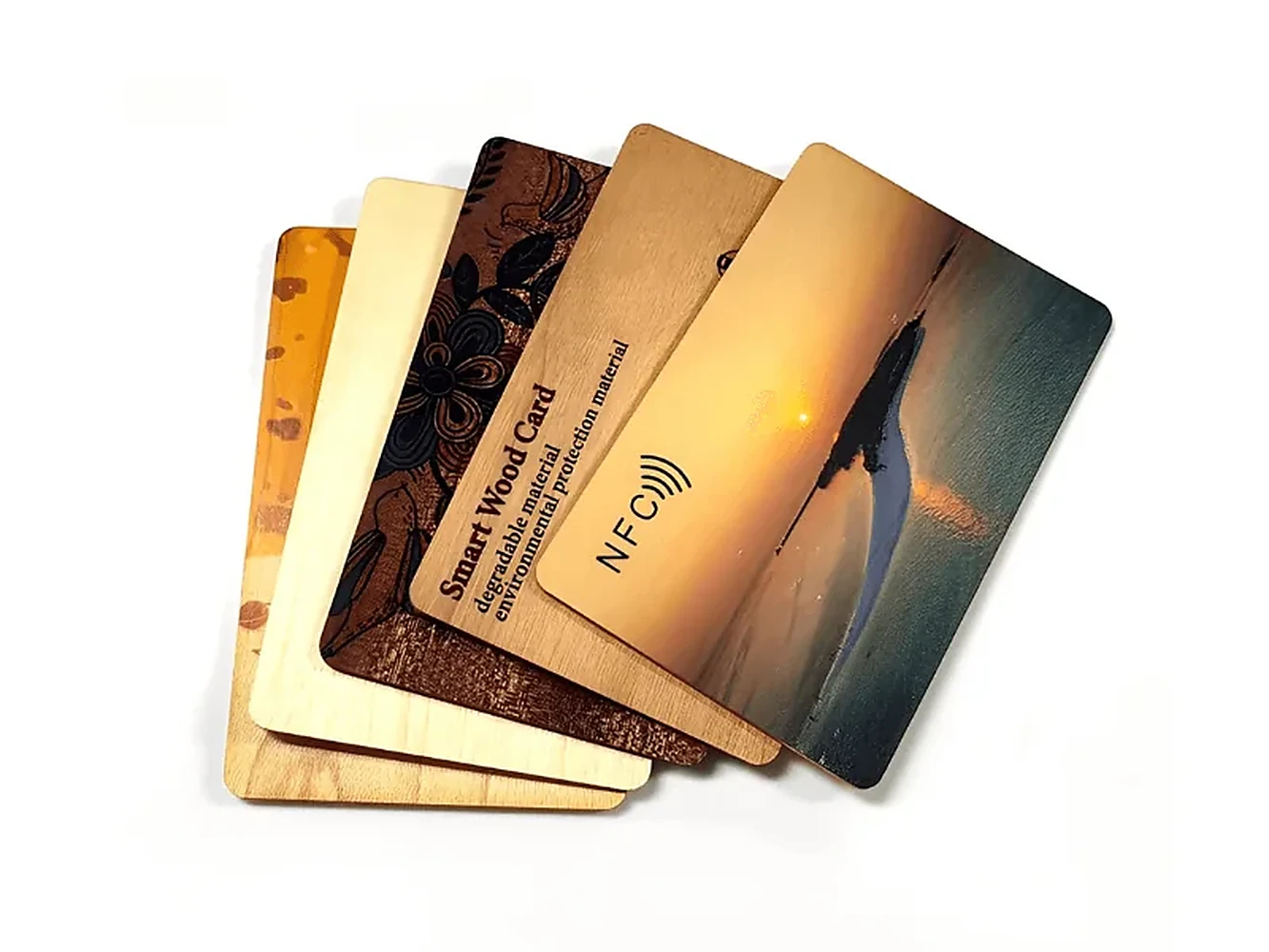
Returning cards saves stock, but it is not a security need: the lock system cancels the card at check-out, so a kept card no longer opens the room. Many hotels let guests keep printed or wooden cards as part of the brand.
Build a matched pilot
We will narrow the construction and sample set around your real operating conditions.
Get the latest news, case studies, and product updates from FYRFID delivered to your inbox. No spam — unsubscribe any time.
Thanks for subscribing — we’ll be in touch.
We couldn't subscribe you right now. Please try again.