Home
Products
About
Solutions
Resources Contact Get Your Quote
RFID Asset Tracking for Oil, Gas & Utilities

Oil, Gas & Utilities · Rugged On-Metal Tags

An Inspection Record Should Live on the Asset.

RFID Asset Tracking for Oil, Gas & Utilities

Rugged on-metal tags carry each valve, cylinder and pipe section’s ID through weather and chemicals, so every inspection is a read at the asset, not a signature in an office.

  • Records drift from the assets
  • Labels lost to weather and solvents
  • Rounds signed off without a visit
-40 to +200 °CFlexible FPC tag, IP67
1-5 mOn-metal read range, ABS tag
Ø5 mmSmallest on-metal micro tag

Catalogue specifications. Read range depends on the reader, the metal surface and its curvature.

Plan your project
Project case UHF on-metal tags on crane rigging gear Site test: shackles, chains and lifting gear read with a handheld reader.

Pain points on site

Where the operation loses time, stock or control

Before the pilot, this is the starting point most operations recognise.

01

Certification records and assets drift apart

Paper records and painted numbers do not survive the field, so proving when a valve was last inspected becomes archaeology.

02

Labels do not survive the environment

Solvent, UV, abrasion and temperature cycling remove printed identification within a season.

03

Inspection rounds are recorded on trust

Without a read at the asset, a completed round is a signature on a form, not evidence that anyone was there.

04

Pipe history is lost between jobs

Drill pipe and tubulars move between sites and contractors, and their inspection and usage history stays in someone else’s spreadsheet.

05

Tools and fittings walk off

Small tools and fittings move between crews and vans, and missing items are found only when a job is held up.

06

Calibration dates sit in a spreadsheet

Gauges and torque tools past their calibration date stay in use because nothing on the tool says so.

How the solution works

From a tagged item to a traceable record

Maintenance system ⇄ asset register Inspections and certificates by asset ID
Overdue inspection Test date passed Seal broken

System rollout

From one plant area to the whole site

Ten steps in the order an operator goes through them, with who does each one and how long it usually takes. Exposure testing on real assets and the number of assets move the date most.

6-10 weeksOne plant area tagged and inspected by handheld
3-6 monthsSite-wide tagging with inspection records integrated

Who does it:FYRFIDYour IT or maintenance system providerYour operations and inspection team

Plan

01 Define asset classes and the inspection regimeWhat must carry an ID, and what each inspection must prove. 1-2 weeksYour operations and inspection teamFYRFID
  • Asset classes and counts: valves, cylinders, pipe sections, equipment
  • Inspection intervals and the records regulators ask for
  • Measure today: time per round, missing or unverifiable records
  • Agree the pass marks for the pilot

You getAsset list, inspection regime and baseline.

02 Survey a representative areaSurfaces, temperatures, chemicals and zones. 1-2 weeksFYRFIDYour operations and inspection team
  • Surfaces and curvature of each asset class
  • Continuous and peak temperatures
  • Chemicals, UV and abrasion
  • Classified hazardous zones

You getSurvey report per asset class.

03 Expose samples on real assetsLeave samples where they will live, then read them. 3-6 weeksFYRFIDYour operations and inspection team
  • Mount samples on real valves, cylinders, pipe and frames
  • Leave them through weather, cleaning and process cycles
  • Read-test with the handheld after exposure
  • Confirm a zone-certified reader with your safety authority

You getExposure report and approved constructions.

Common mistakeApproving a tag on a bench instead of on the asset.

04 Design the ID scheme and recordsEvery certificate keyed to the electronic ID. 1-2 weeksYour IT or maintenance system providerFYRFID
  • Asset numbering, printed and encoded
  • Certification, test and maintenance history linked to the ID
  • Inspection rounds: which assets, which checks, how often

You getRecords design.

Build

05 Configure the inspection app and recordsDone by your IT team or maintenance system provider. 2-6 weeksYour IT or maintenance system provider
  • Inspection forms on the handheld, keyed to the tag
  • Records posted to the maintenance or asset system
  • Round compliance reports

You getA working test system.

06 Produce tags and order readersApproved constructions, laser-marked. 2-4 weeks lead timeFYRFID
  • Tags laser-marked and encoded with a data file
  • Handhelds, and zone-certified readers where required
  • Mounting hardware: screws, rivets, straps

You getTags and readers delivered.

Go live

07 Tag assets area by areaMounted the way the exposure test approved. Depends on the asset countYour operations and inspection team
  • Mount tags by screw, rivet, strap or embedding as approved
  • Bind each tag to its asset record
  • Photograph each mounting

You getTagged area.

08 Train inspectors and pilot one areaRounds with handhelds, compared with paper. 2-4 weeksYour operations and inspection teamYour IT or maintenance system providerFYRFID
  • Inspectors trained on reads and exceptions
  • Rounds run alongside the paper process
  • Every difference given a cause

You getPilot report.

09 Roll out area by areaThe rest of the site. Area by areaYour operations and inspection teamYour IT or maintenance system provider
  • Tag and bind each area the same way
  • Retire the paper records area by area

You getThe site live.

Run

10 Inspect and maintainDamaged tags are replaced at inspection. OngoingYour operations and inspection teamFYRFID
  • Replace damaged tags at the next inspection
  • Round compliance reviewed monthly
  • New assets tagged at installation

You getMaintenance plan.

Tags & hardware

Which tag for each asset, and what reads it

One row for each kind of asset. Sizes and ranges are catalogue figures; curvature, coatings and the mounting change the range, so test on your own assets.

What you tagTag typeSizeRead rangeWhat it doesRead by

Valves, flanges and pipework

Metal, outdoors, heat

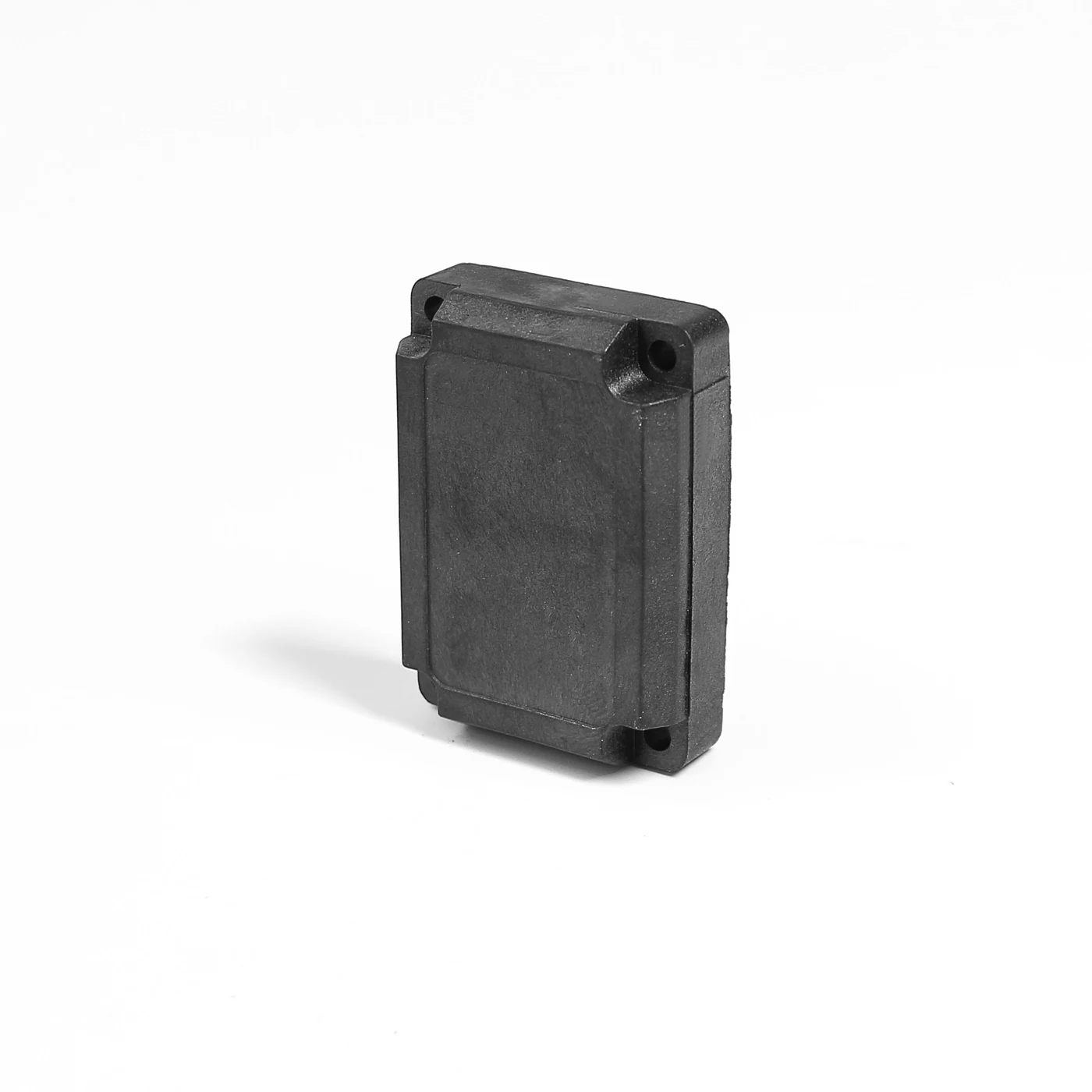
41×29×11.8 mm
4.9-5.6 m
Screw-mounted PEEK tag for valves, flanges and pipework; IP68/IP69K, -60 to +250 °C.

Hot equipment and harsh chemicals

Near heat sources

49.5×39.5×8 mm
0-3 m
Screwed or riveted ceramic tag for hot surfaces and aggressive chemicals.

Gas cylinders and bottles

Curved, handled daily

70×50 mm; 60×40 to 80×60 mm
1-3 m on metal
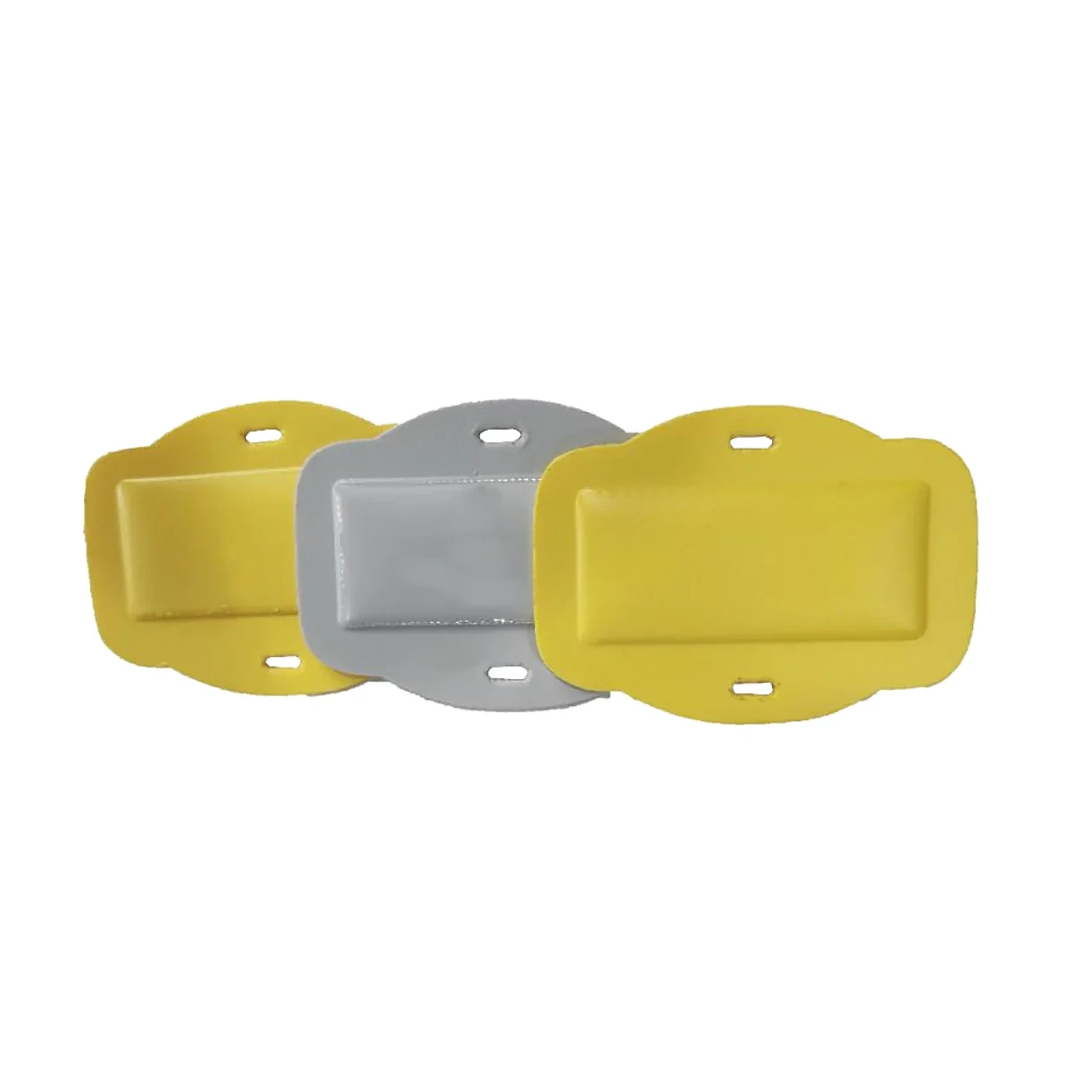
Wraps the cylinder shoulder so refill and test history follow the cylinder; -40 to +100 °C.

Equipment frames and enclosures

Flat metal

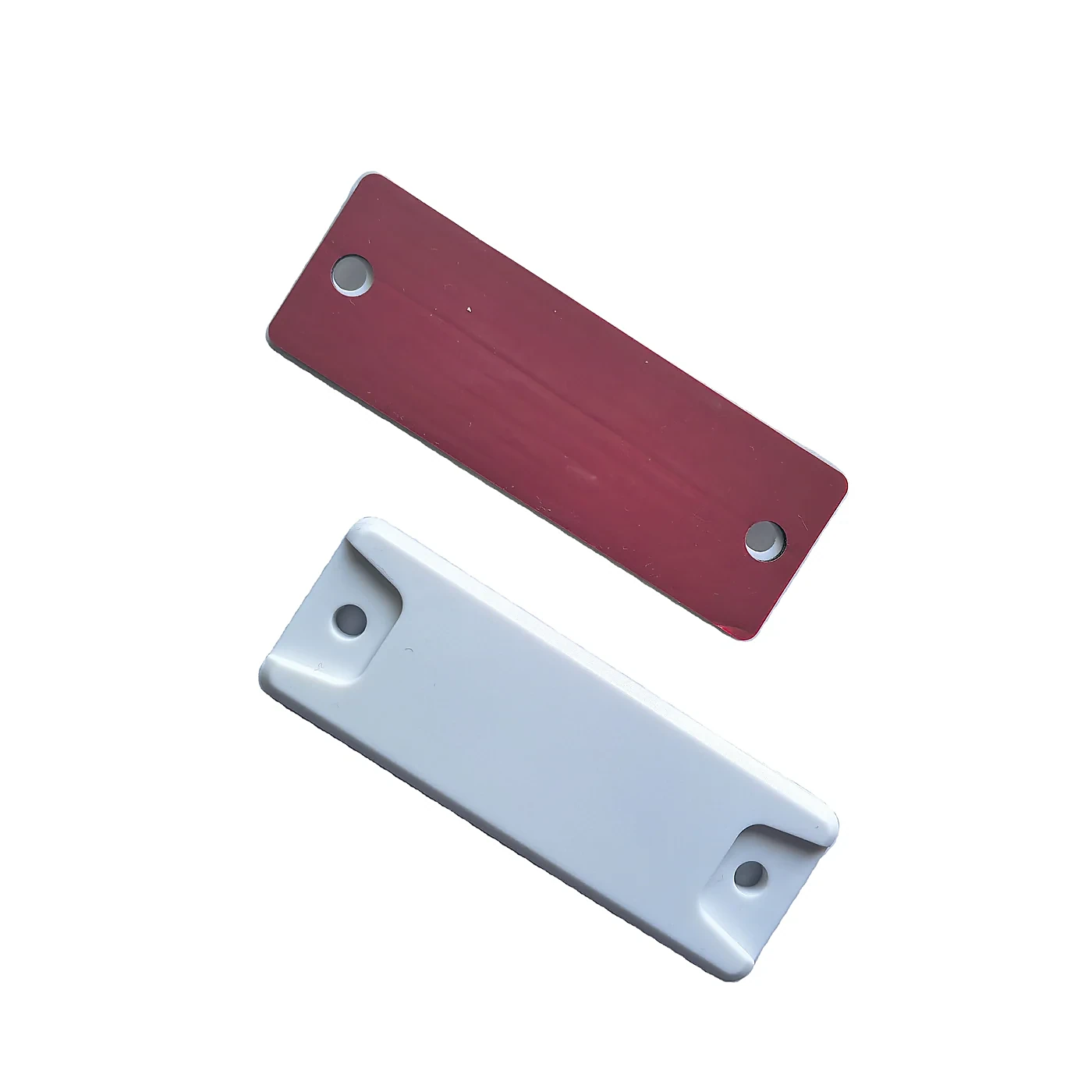
70×25×6.3 mm
1-3 m on metal
General on-metal asset tag, screwed or riveted in place.

Small tools and fittings

Little room for a tag

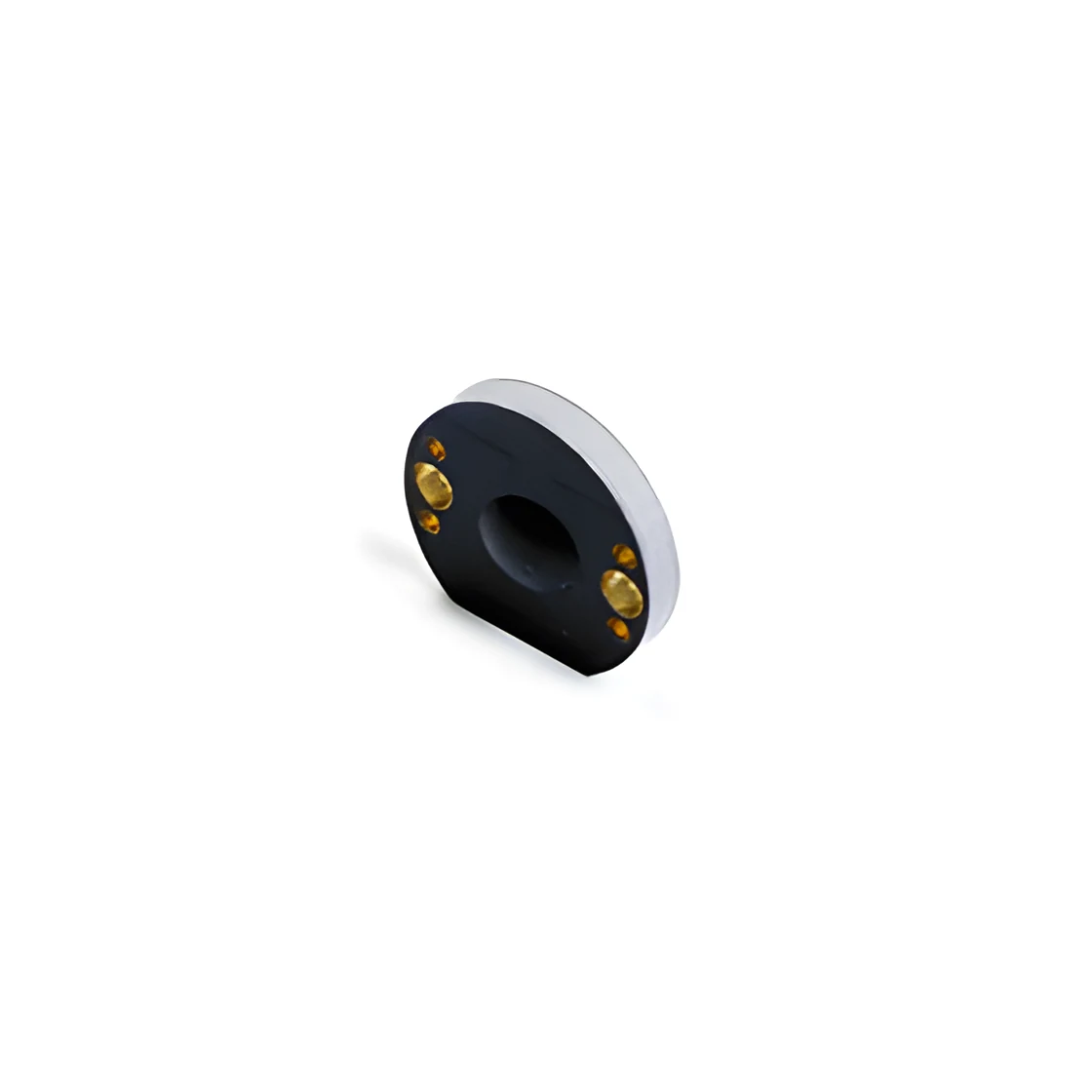
Ø13×2.8 mm
1-7 m
Tiny screw or adhesive tag for tools, hoses and fittings; IP68, -40 to +150 °C.

Valves and covers that must stay closed

Tamper evidence

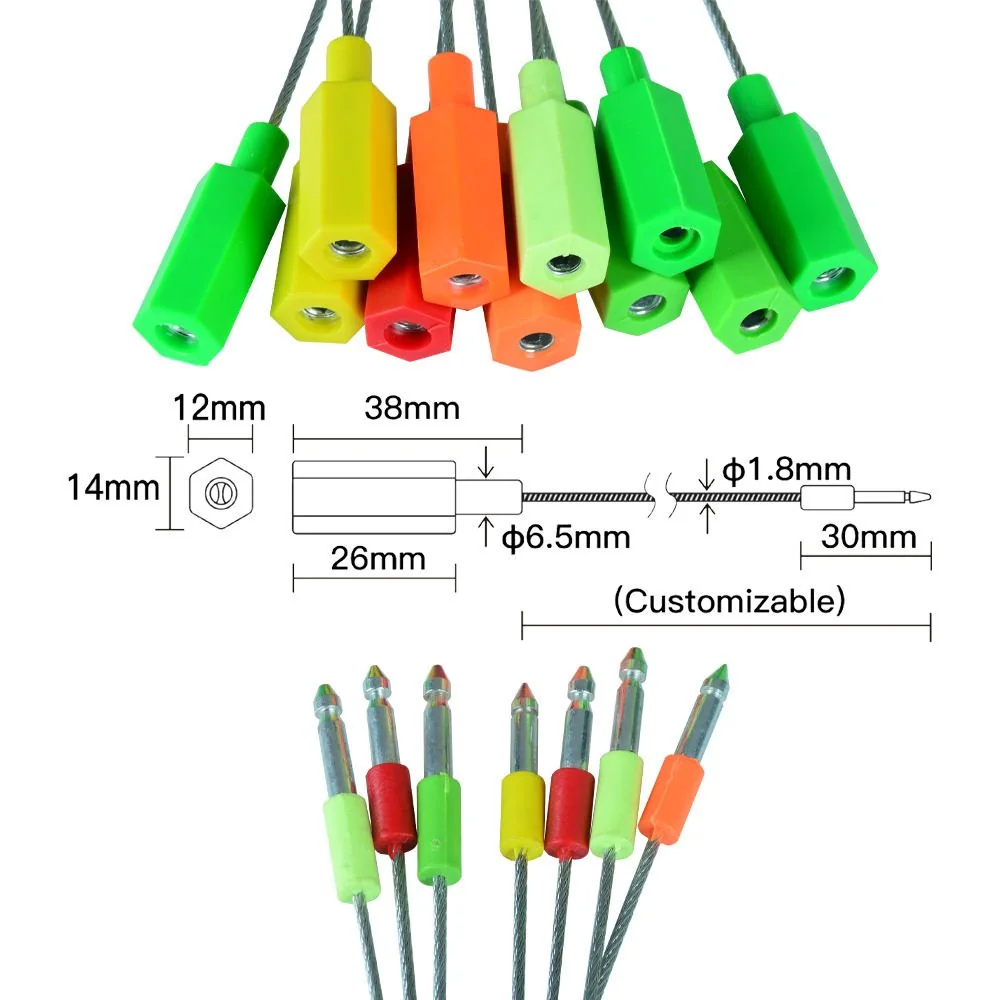
Ø2 mm cable, 150-300 mm
UHF 2-5 m; NFC 0-5 cm
Seal on valves, covers and meters; a cut seal shows up as a new ID or no read.

The readers

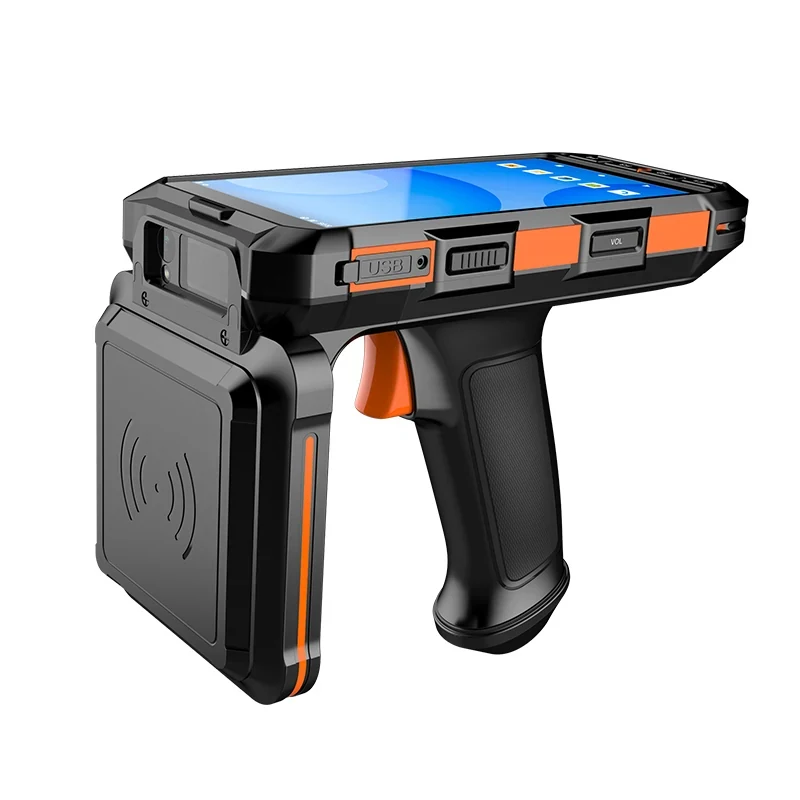
Handheld UHF + NFC reader

Inspection rounds in non-classified areas

Android 13. Reads the asset, timestamps the inspection and records it against the ID.

Reader certified for your zone

Classified hazardous areas

FYRFID does not supply certified readers. Buy a reader certified for your zone from a specialist supplier; we supply the tag construction details for that assessment.

Fixed reader + antennas

Cylinder stores and yard gates

4-port UHF reader, 0-20 m: logs cylinders in and out.

Before we quote

Four answers decide the specification

Pick what matches your assets. Each answer shows what it calls for, and the summary goes to our engineers with your enquiry.

1What are you tagging?

2What is the worst exposure?

3How will it be mounted?

4How many assets?

Before a volume order

Three checks before you order rugged tags in volume

Each one is cheap to settle with a few samples on real assets and expensive to fix once a site is tagged.

01Expose samples on your real assets

Signed-off sample chip · housing · mounting Batch 1 Batch 2 Batch 3 same construction, every order

What goes wrong

A tag approved on a bench meets solvent, UV and cleaning for the first time on the plant, and the failures show up a season later.

Check before you order

  • Samples mounted on real assets for several weeks
  • Read-tested after exposure
  • The sample part number quoted on every repeat order

02Specify for the peak temperature

Surface temperature Tag rating: above the peak Continuous Peak Time

What goes wrong

A tag rated for the continuous temperature fails during steam cleaning or a process upset.

Check before you order

  • Continuous and peak temperatures stated separately
  • Cleaning and steam-out temperatures included
  • Construction rated above the peak

03Choose the mounting, not just the tag

How long it stays on outdoors Adhesive UV and heat weaken the bond Screw or rivet lasts longer outdoors Strap or tie curved pipe and cylinders Embedded wood and concrete

What goes wrong

Adhesive weakens in UV and temperature cycling, and the tag falls off with its history still inside it.

Check before you order

  • Screw or rivet wherever the asset allows
  • Straps matched to pipe and cylinder diameters
  • Cable seals sized for the valve handles and covers they close

Safety and planning

Are passive RFID tags safe in a hazardous area?

Passive tags contain no power source and are widely used in classified areas, but the reader is the item that needs the certification. FYRFID does not supply zone-certified readers: source one from a specialist supplier and confirm it with your safety authority. We supply the tag construction details for that assessment.

Where should we start?

Start with one asset class that inspections depend on, often pressure equipment or cylinders, in one plant area. Measure today’s round times and missing records first, so the pilot can be compared.

Tags and mounting

How do I tag a curved gas cylinder?

Use a cylinder wrap tag, or a rugged on-metal tag on a strap, chosen for the cylinder diameter. Send us the diameter and we confirm which tags keep their read range at that curvature.

Which tag survives hydrocarbons and solvents?

Ceramic and chemical-resistant FPC constructions; most plastics are ruled out for the worst cases. Test samples against your actual chemicals and cleaning agents.

How long will a tag last outdoors?

Rugged constructions are specified for years of outdoor exposure. The failure is usually the mounting, not the tag: screw mounting outlasts adhesive in UV and temperature cycling.

Can tags be read through paint or coatings?

Thin paint over a tag usually still reads, but metallic or very thick coatings can block it. Mount tags after painting where possible, or test a painted sample.

Running it

How does an inspection become evidence?

The inspector reads the tag at the asset; the handheld timestamps the read and records the inspection against that asset’s ID, so a round is proven by reads, not by a signature.

Where does the inspection record go?

Into your maintenance or asset system, keyed to the asset ID: certificates, pressure tests and maintenance history all follow the electronic ID instead of a painted number.

What happens when a tag is damaged?

The handheld records an unreadable or missing tag as an exception; the inspector re-tags the asset on the spot or at the next visit and re-binds the new tag to the same record.

Build a matched pilot

Send the item, environment, read point and annual volume.

We will narrow the construction and sample set around your real operating conditions.

Stay Updated on RFID Industry Trends

Get the latest news, case studies, and product updates from FYRFID delivered to your inbox. No spam — unsubscribe any time.

Thanks for subscribing — we’ll be in touch.