Home Products About Solutions Resources Contact Get Your Quote
RFID Race & Sports Timing Systems

Race & Sports Timing · UHF and 2.4 GHz

Every Runner Needs a Time at Every Line.

RFID Race & Sports Timing Systems

Chips on the bib, ankle, helmet or windscreen, mats and side-post antennas at every timing point, and results per participant within minutes: for road races, triathlons, trail runs, obstacle races, school fitness tests and rallies.

  • Manual timing is slow and disputed
  • A mass finish overwhelms the line
  • Short cuts and bib swaps go unnoticed
3.2 mStable read range, foam bib tag, runner at pace
8 mmTiming mat: waterproof, anti-slip, takes pressure
20 hPortable timer on its built-in battery

Read range from an outdoor run-through test with an Impinj E710 reader; your range depends on the reader, the antenna layout and where the tag sits on the bib.

Plan your project

Pain points on site

Where the operation loses time, stock or control

Before the pilot, this is the starting point most operations recognise.

01

Manual timing is slow and disputed

Finish times written down or keyed in by hand take hours to publish, and every disputed split comes down to someone’s memory.
02

A mass finish overwhelms the line

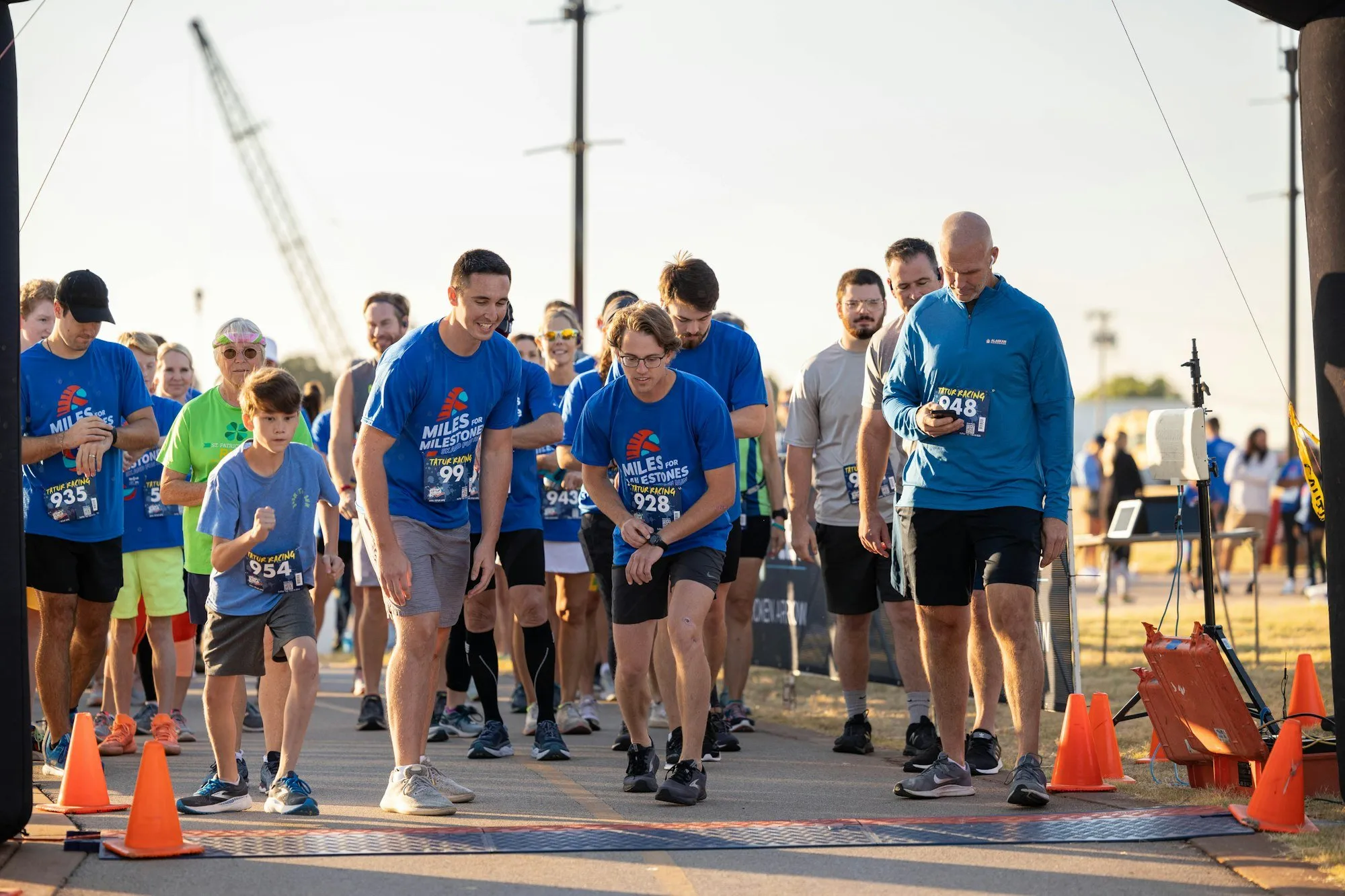
Hundreds of runners cross the line in a minute. Officials reading bibs by eye miss some, and the order of a sprint finish is argued.

03

Results are posted on paper, hours late

Results sheets taped to a fence after the race, with errors that take days to correct, while runners and media wait.

04

Short cuts go unnoticed

On trail and long courses nobody can prove a runner passed every checkpoint, so a short cut can win a category.

05

Bibs are swapped and resold

A bib passed to another runner puts the wrong person in the results and the wrong name on the medal list.

How the solution works

From registration to published results

Timing & results software Every crossing, per participant, on one clock
Unassigned chip Missed split No finish read

System rollout

From the entry list to race day

Nine steps in the order a race organiser goes through them, with who does each one and how long it usually takes. The kit-packing date moves the plan most.

3-6 weeksChips and bib kits for an existing timing setup
6-10 weeksFull timing service in mainland China: chips, timers, software and staff

Who does it:FYRFIDTiming software (FYRFID in mainland China, or your timing company)Your race organisation

Plan

01 Map the course and timing pointsWhere times are needed. 1-2 weeksYour race organisationFYRFID
  • Start, splits, finish, transitions and lap points
  • Expected field size and finish peak
  • Power and cable runs at each point

You getTiming point plan.

02 Confirm tag and encodingThe timing system decides the tag. About 1 weekTiming software (FYRFID in mainland China, or your timing company)FYRFID
  • UHF band for the country
  • Chip type per event: bib, ankle, helmet, wristband, vest or windscreen
  • EPC format and the bib-number mapping

You getTag specification.

Common mistakeOrdering tags before the timing system’s format is confirmed.

03 Test at race speedSamples on real bibs, at running pace. 1-2 weeksFYRFIDYour race organisation
  • Runners crossing the mat in a group at race pace
  • Several chips on one bib, read together
  • Tag position on bib, helmet and bike

You getTest report.

Build

04 Produce chips and bib kitsMatched to the bib list. 2-4 weeks lead timeFYRFID
  • Chips encoded from the entry list, with a data file
  • Bibs printed, kits sorted and packed with a check log
  • A small top-up batch for late entries

You getTags delivered.

05 Prepare timers and softwareTiming points and results. 1-2 weeksFYRFIDTiming software (FYRFID in mainland China, or your timing company)
  • Timers charged and tested before shipping
  • Event set up in the results software (FYRFID in mainland China)
  • Results text messages and certificate links tested

You getA working timing system.

Go live

06 Kit pick-upBib read against the participant. 1-3 days beforeYour race organisation
  • Handheld check at pick-up
  • Replacement bibs bound on the spot

You getAll kits issued.

07 On-site setupCourse walked, every line tested. FYRFID staff in mainland China; your timing team elsewhere. 3 days beforeFYRFIDYour race organisationTiming software (FYRFID in mainland China, or your timing company)
  • Timing points confirmed with the organiser
  • Mats and antennas laid and line-checked
  • Checkpoint volunteers trained

You getEvery timing point tested.

08 Race dayTiming points staffed. Race dayFYRFIDYour race organisationTiming software (FYRFID in mainland China, or your timing company)
  • Staff at each timing point (FYRFID in mainland China)
  • Readers checked before the start
  • Live results and finish-clock display

You getResults published.

Run

09 Close out and plan the next raceReads reviewed. After the raceYour race organisationTiming software (FYRFID in mainland China, or your timing company)FYRFID
  • Missed reads analysed per point
  • Tag order for the next race

You getLessons and reorder.

Tags & hardware

Which chip for each kind of event, and what reads it

One row for each kind of event. Sizes and ranges are catalogue or test figures; the range you get depends on the reader, the antenna layout and where the chip is worn.

What you tagTag typeSizeRead rangeWhat it doesRead by

Road running and marathons

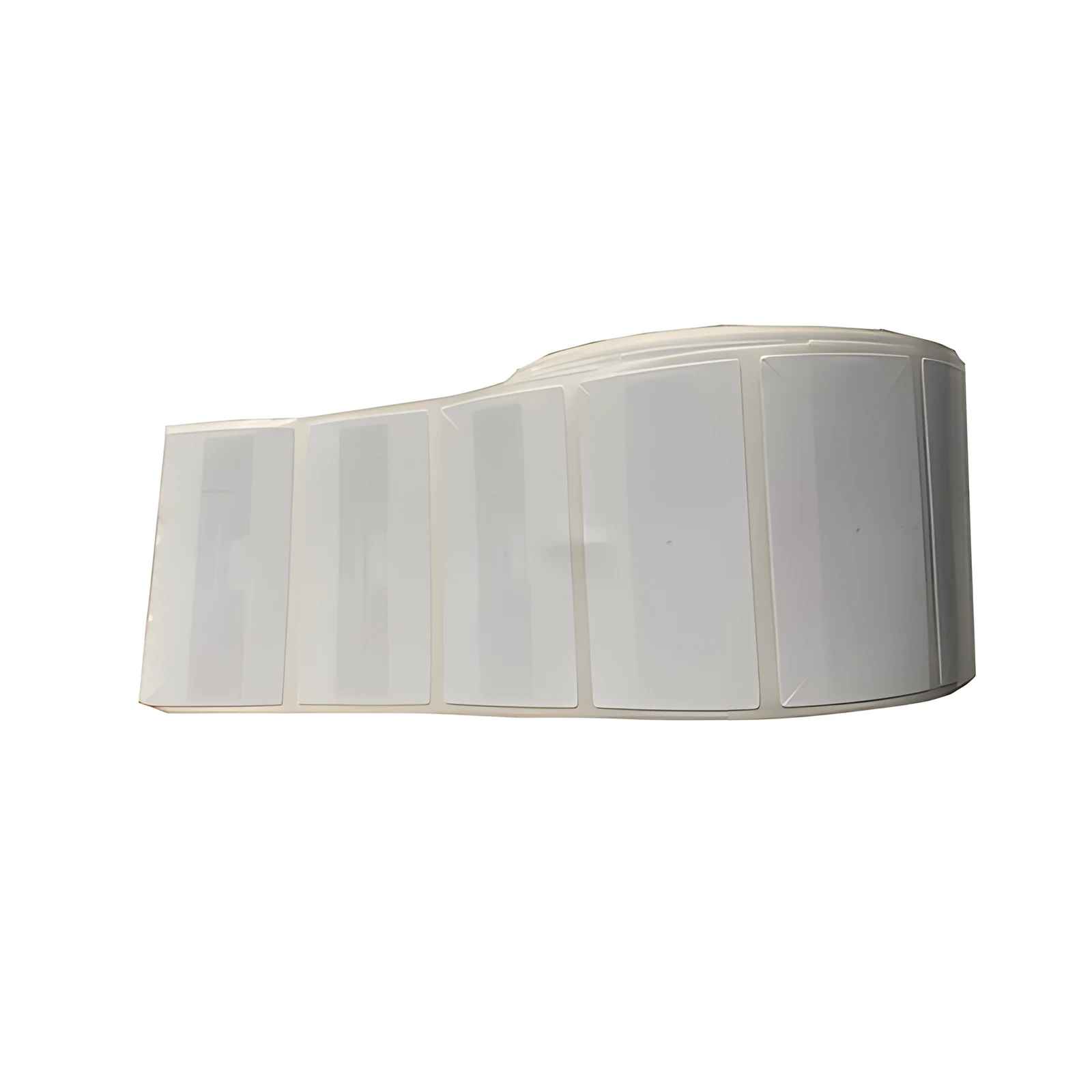
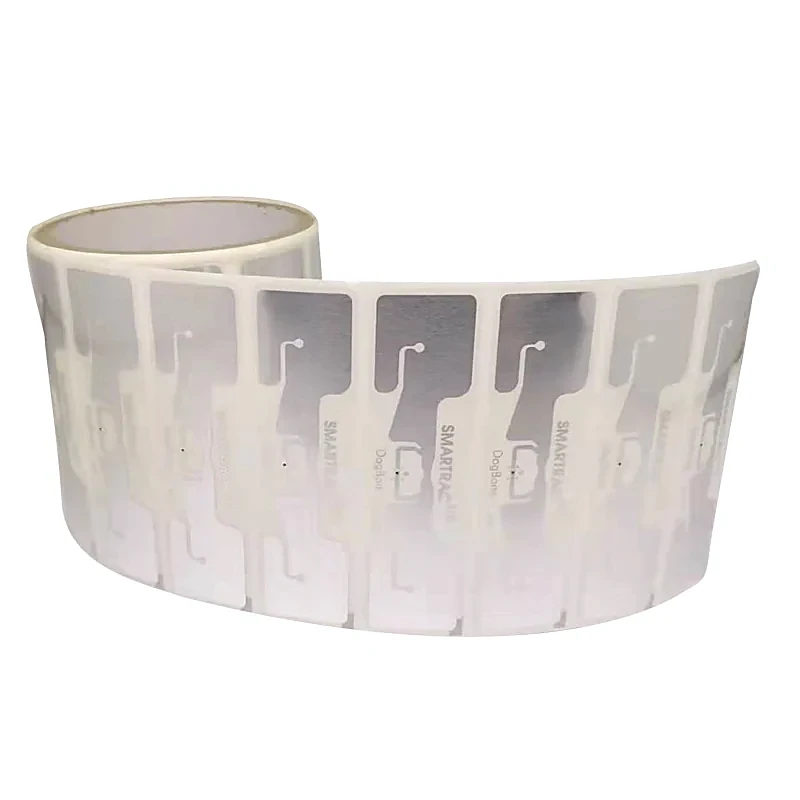
Tag on the back of the bib

97×27 mm die-cut; Impinj M830 or NXP UCODE 8, 128-bit EPC
2.8-3.2 m stable, runner at pace
The foam keeps the antenna off the body. In our outdoor test, six tags on one bib read as well as two, with no loss of range.

Race kits

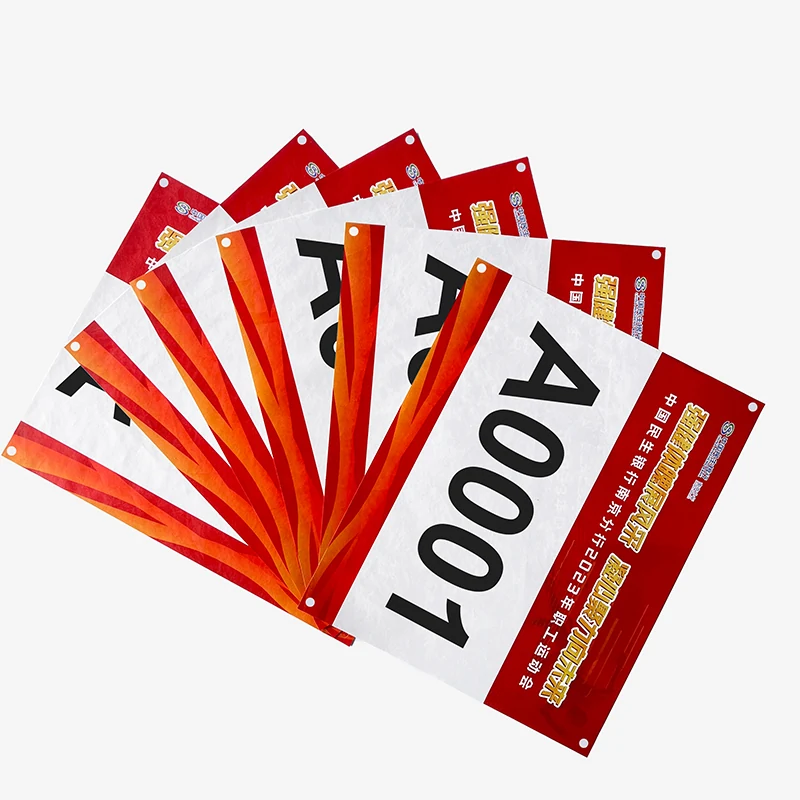
Bib, chip, pins and bag card

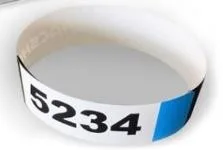
Tyvek bib set, sorted and packed
Bib 240×160 mm, four-colour print, waterproof and tear-resistant
4 pins; bag-drop card with bib number
Each bib is printed with the runner’s data, the chip encoded to match, and the kit packed and checked against the entry list, with a packing log kept per batch.

Triathlon

Swim, bike and run

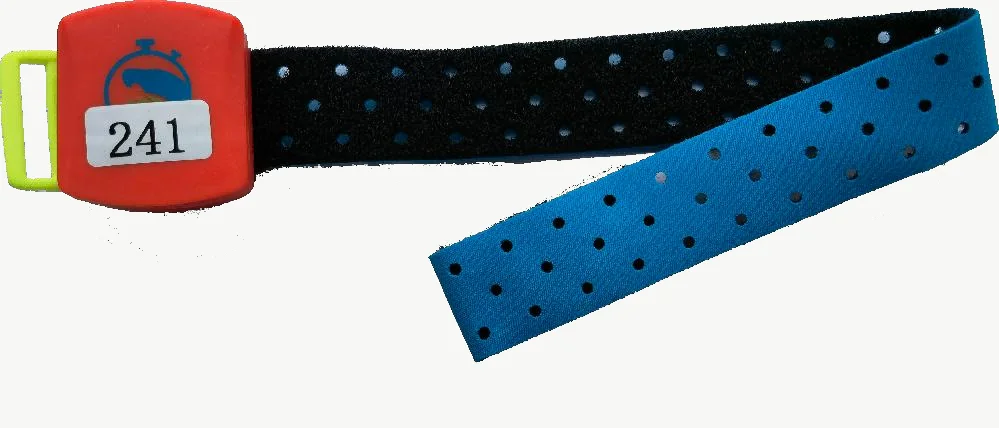
Ankle strap chip
Reusable chip on a soft perforated strap
Worn through swim, transitions, bike and run
Athletes swim without a bib, so the chip goes on the ankle. Light and skin-friendly; collected after the finish and reused.

Cycling and MTB

Helmet or number plate

Sticker tag on the helmet number or frame plate
Read by side-post antennas at speed
Away from the rider’s body, so it reads at riding speed. Side-post antennas mean no cutting into the road.

Obstacle races

Mud and water

Waterproof wristband chip
Printed band, custom design
Start and finish on the same mat
Survives water and mud where a paper bib tears. Net time per participant; marshals record penalties at the obstacles.

School and military fitness tests

Repeated runs, same vests

Vest with a sewn-in chip
Washable chip sewn into the vest, 200 washes
About 3,000 participants a day
Vests are handed out per heat and reused. A stand-alone timing program on a laptop, cabled to the timer, keeps the data on site.

Trail, ultra and remote checkpoints

No mats in the forest

Compact housing, replaceable battery
Up to 50 m to the timing reader
For checkpoints far from power and roads. Most trail events use the bib tag with side-post antennas or a handheld at checkpoints, and add active tags only where those cannot reach.

Car and motorcycle rallies

Two tags per vehicle

Sticker tag, long read range
Two tags per vehicle as a backup
Read by side-post antennas at start, stage and finish points, and at lap-counting points on circuit events.

The readers

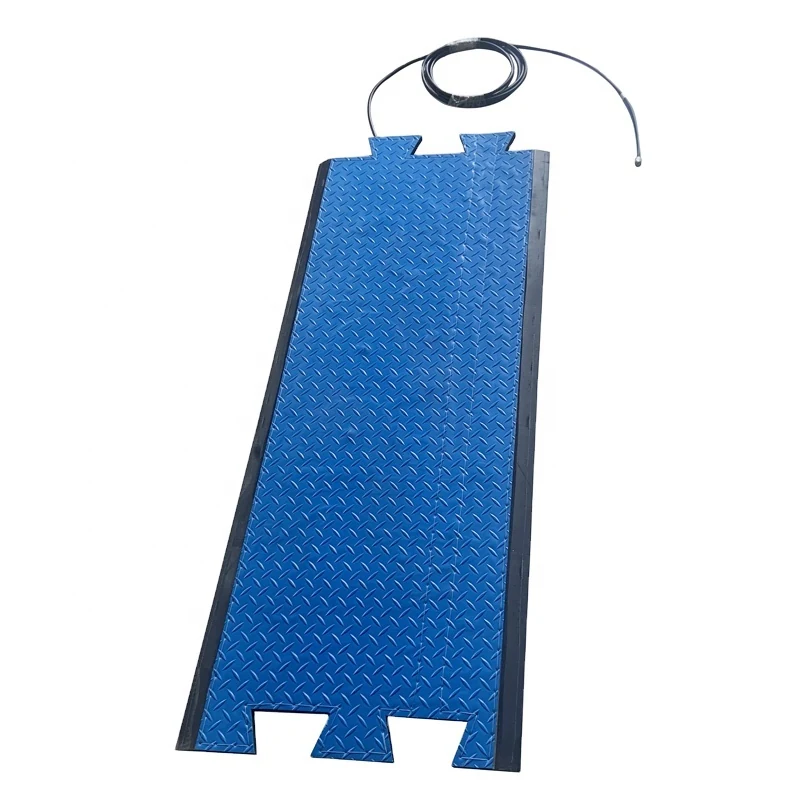
Timing mat and portable timer

Start, finish, transitions and track lines

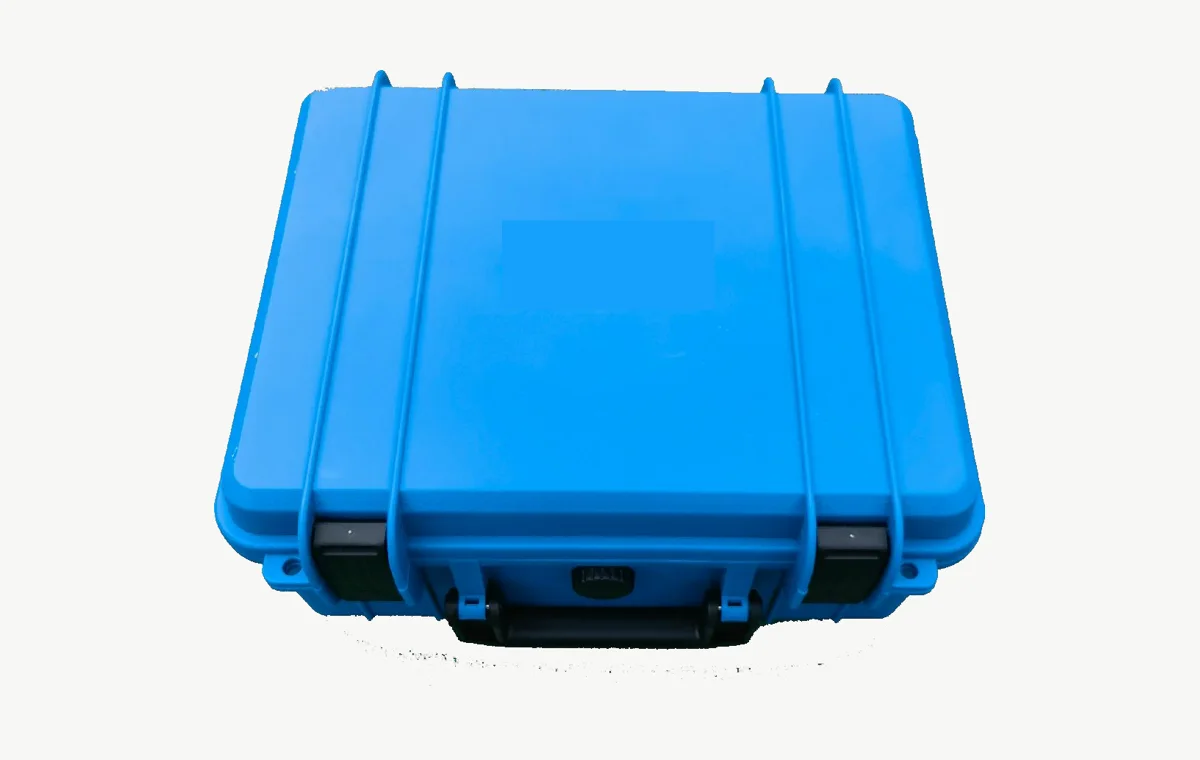
Mat 8 mm thick, waterproof, anti-slip and pressure-resistant. Timer in a rugged case, built-in battery for 20 hours, set up in minutes.

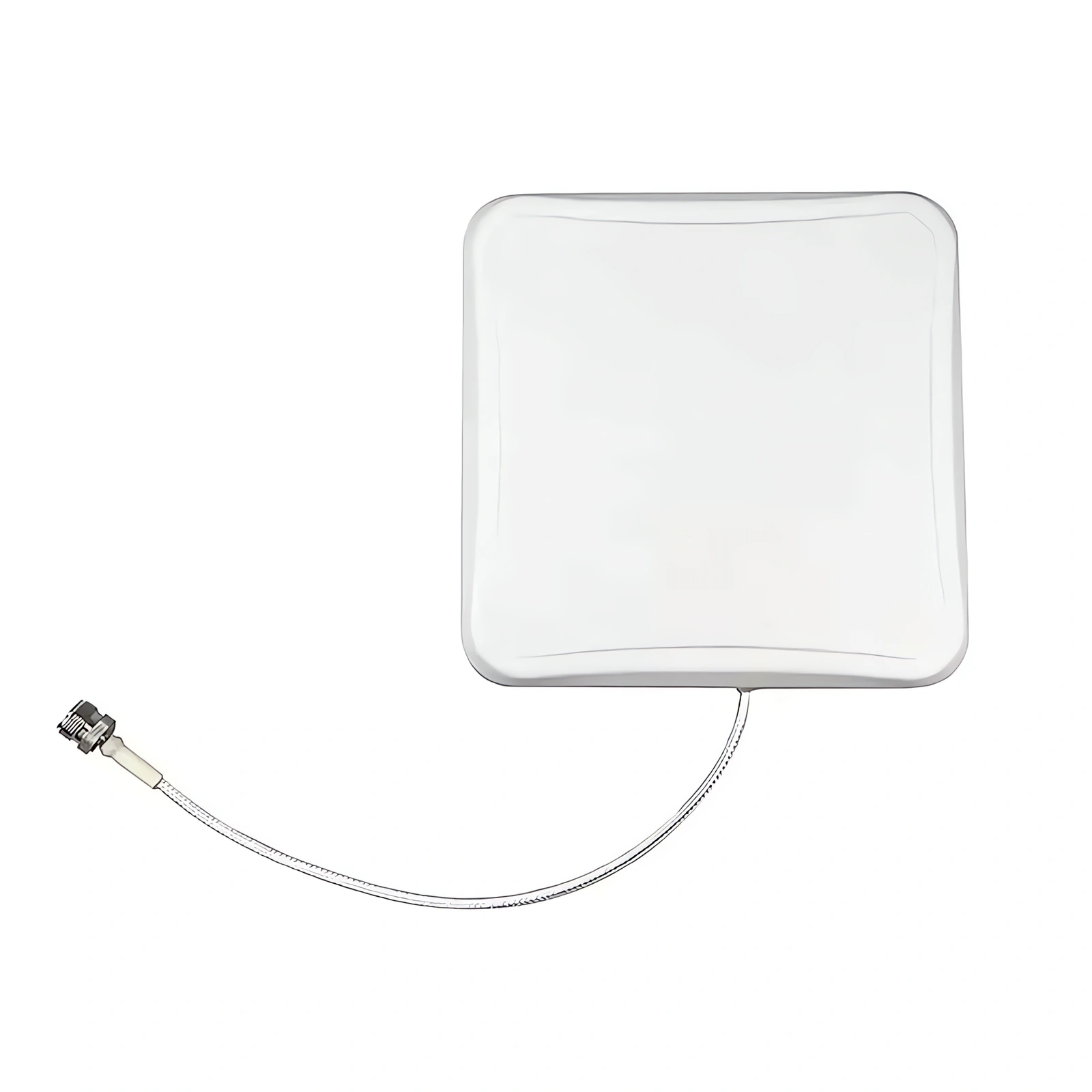
Side-post panel antenna

Cycling legs, splits, rally stages, trail checkpoints

Panel antenna on a pole or tripod beside the course, cabled to the timer: no road works, safe at riding speed.
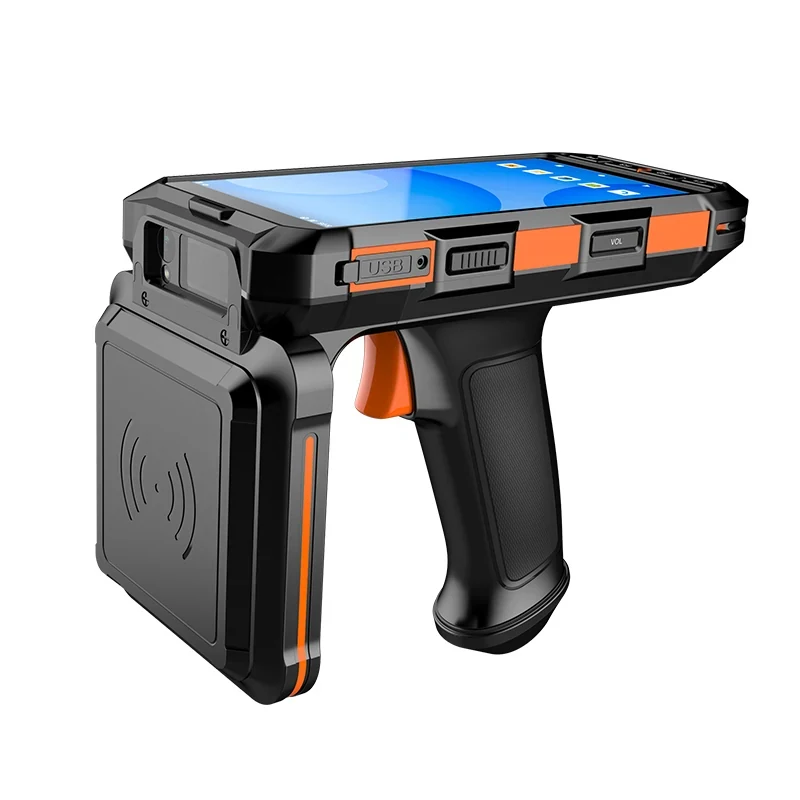
Handheld UHF reader

Kit pick-up and manned checkpoints

Android 13. Checks bibs at pick-up, checks runners in at remote points, sweeps for tags after the race.

2.4 GHz active timing reader

Remote checkpoints

Integrated 2.45 GHz reader for active tags, read from tens of metres.

Before we quote

Four answers decide the specification

Pick what matches your race. Each answer shows what it calls for, and the summary goes to our engineers with your enquiry.

1What kind of race?

2How many participants?

3Which timing points?

4How many tags?

Before a volume order

Three checks before you order timing tags

Each one is cheap to settle on a sample and impossible to fix on race day.

01Test the tag at race speed

Signed-off sample tag · bib · position Batch 1 Batch 2 Batch 3 same construction, every order

What goes wrong

A tag that reads on a desk can miss when a pack of runners crosses together and bodies shield it.

Check before you order

  • Group crossings at running pace, on your mats
  • Several chips on one bib, read together
  • Tag position on bib, helmet and bike

02Size the finish for the peak

Arrivals per minute 2 lanes 6 lanes Queue Doors open Time

What goes wrong

At the finish peak hundreds of runners cross a few metres of road; too few antennas means missed reads.

Check before you order

  • Expected finishers per minute
  • Antennas and lanes for the peak
  • A backup reader on the line

03Order by the kit-packing deadline

Artwork approved Samples tested on gates Production typically 2-4 weeks Shipping Event day Count back from the event day; production starts once samples pass.

What goes wrong

Tags that arrive after the bibs are printed and kits packed cannot be attached in time.

Check before you order

  • Bib printing and kit-packing dates
  • Production lead time plus shipping
  • Spare tags for late entries

Tags

Which tag suits a marathon?

A foam UHF tag on the back of the bib. The foam keeps the antenna off the body; in our outdoor run-through test it read reliably at 2.8 to 3.2 m. It is single-use and comes encoded to your bib list.

Where should the tag go?

On the front of the bib for running; on the bike number or helmet for cycling. Avoid folding the bib over the tag and test the position at race speed.

What do triathletes wear?

A reusable chip on an ankle strap, worn through swim, transitions, bike and run, because athletes swim without a bib. The chips are collected after the finish and reused at the next race.

When should we use active tags?

On trail, ultra and remote courses where you cannot lay mats or gantries. A 2.45 GHz active tag is read from tens of metres at a checkpoint reader.

Does putting several chips on one bib hurt the read?

Not in our test. With two foam tags on a bib and with six, the stable read range stayed the same (3.2 m for one design, 2.8 m for the other) as the runner crossed the line. Most races use one or two.

Timing

What accuracy does RFID timing achieve?

Each crossing is time-stamped by the reader; accuracy depends on the antenna layout and the software, typically within a fraction of a second for chip timing. Photo finish is still used for podium places.

How do we avoid missed reads at the finish?

Use several antennas per line, a backup reader, and enough width for the finish peak. Test with a group at race speed before the event.

Can it detect short cuts?

Yes. A runner without a read at a split point is flagged; the timing software can exclude or review them before results are final.

What is the difference between chip time and gun time?

Gun time runs from the start signal for everyone. Chip time runs from the moment each runner crosses the start mat to the moment they cross the finish, so a runner who starts at the back is not penalised. Both come from the same tag reads.

Where do the timing points go in a triathlon?

A typical layout:

  • Swim: entry and exit
  • Transition area: in and out
  • Bike: out, lap counting and in
  • Run: start and finish

Mats work at the swim exit, transitions and finish; side-post antennas on the bike course avoid cutting into the road.

Can you time obstacle races, fitness tests and rallies?

Yes, with a different chip for each:

  • Obstacle races: waterproof wristband chips, one mat for start and finish, penalties recorded by marshals
  • School and military fitness tests: vests with sewn-in chips, a stand-alone program on a laptop, about 3,000 people a day
  • Car and motorcycle rallies: two sticker tags per vehicle, side-post antennas, lap counting on circuits

Running it

Do you supply the timing software and staff?

For events in mainland China, yes: chips, mats, timers, results software with text messages and certificate links, and technicians at the timing points. For events elsewhere we supply the chips, mats, timers and antennas, encoded with a data file for your timing company’s software, and your local team runs the race.

Can the event also use wristbands?

Yes. Access, VIP and cashless at the event village use RFID wristbands; see the events and festivals page.

Do you pack the race kits?

Yes. We print the Tyvek bibs, encode the chips to match, and pack each kit with pins and a bag-drop card. Every kit is checked against the entry list and the packing log is kept, so a query can be traced. Late entries can be printed in small batches.

What happens on race day?

For events in mainland China, our technicians arrive about three days early to walk the course with you, lay and test every timing line and train checkpoint volunteers; on the day, staff stay at each timing point and the finish clock shows times as runners cross. For events elsewhere, your timing team does this, and we help plan the layout remotely.

Build a matched pilot

Send the item, environment, read point and annual volume.

We will narrow the construction and sample set around your real operating conditions.

Stay Updated on RFID Industry Trends

Get the latest news, case studies, and product updates from FYRFID delivered to your inbox. No spam — unsubscribe any time.

Thanks for subscribing — we’ll be in touch.