Home
Products
About
Solutions
Resources Contact Get Your Quote
RFID Airport & Baggage Tracking

Airport & Transport · UHF and NFC

Every Handover Is Where Identity Gets Lost.

RFID Airport & Baggage Tracking

Long-range reads at the belt, the make-up chute, the belt loader and the vehicle gate record each handover without anyone stopping: bags, carts, vehicles and ground equipment.

  • Failed barcode reads on the belt
  • Bags loaded on the wrong flight
  • Vehicle gates run on a logbook
4 pointsIATA 753 tracking: acceptance, loading, transfer, arrival
1-8 mBag tag inlay read range, UHF
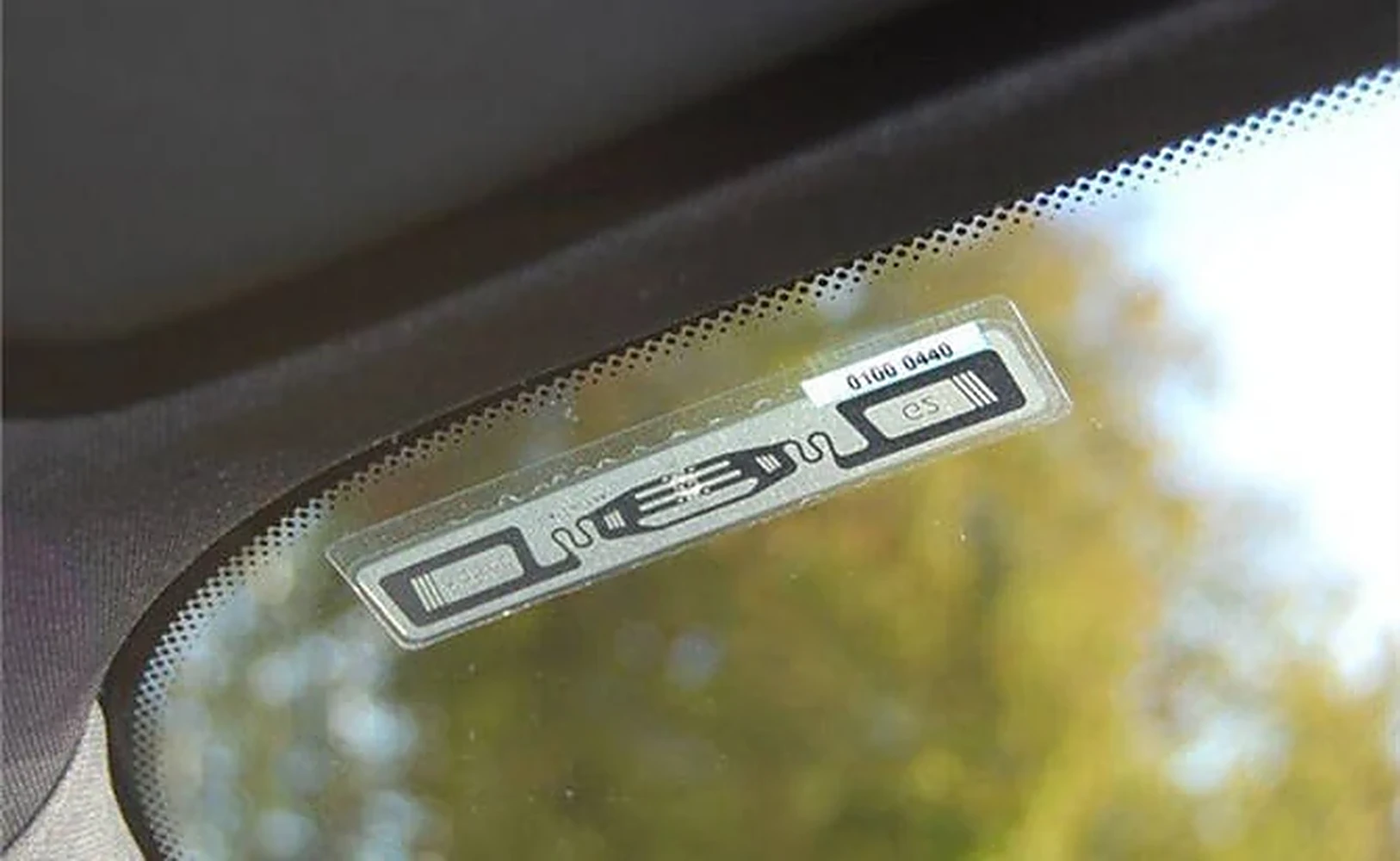
0.5-8 mTamper-proof windshield label, UHF

Catalogue specifications. Read range depends on the reader, the antenna, belt speed and the windscreen.

Plan your project

Pain points on site

Where the operation loses time, stock or control

Before the pilot, this is the starting point most operations recognise.

01

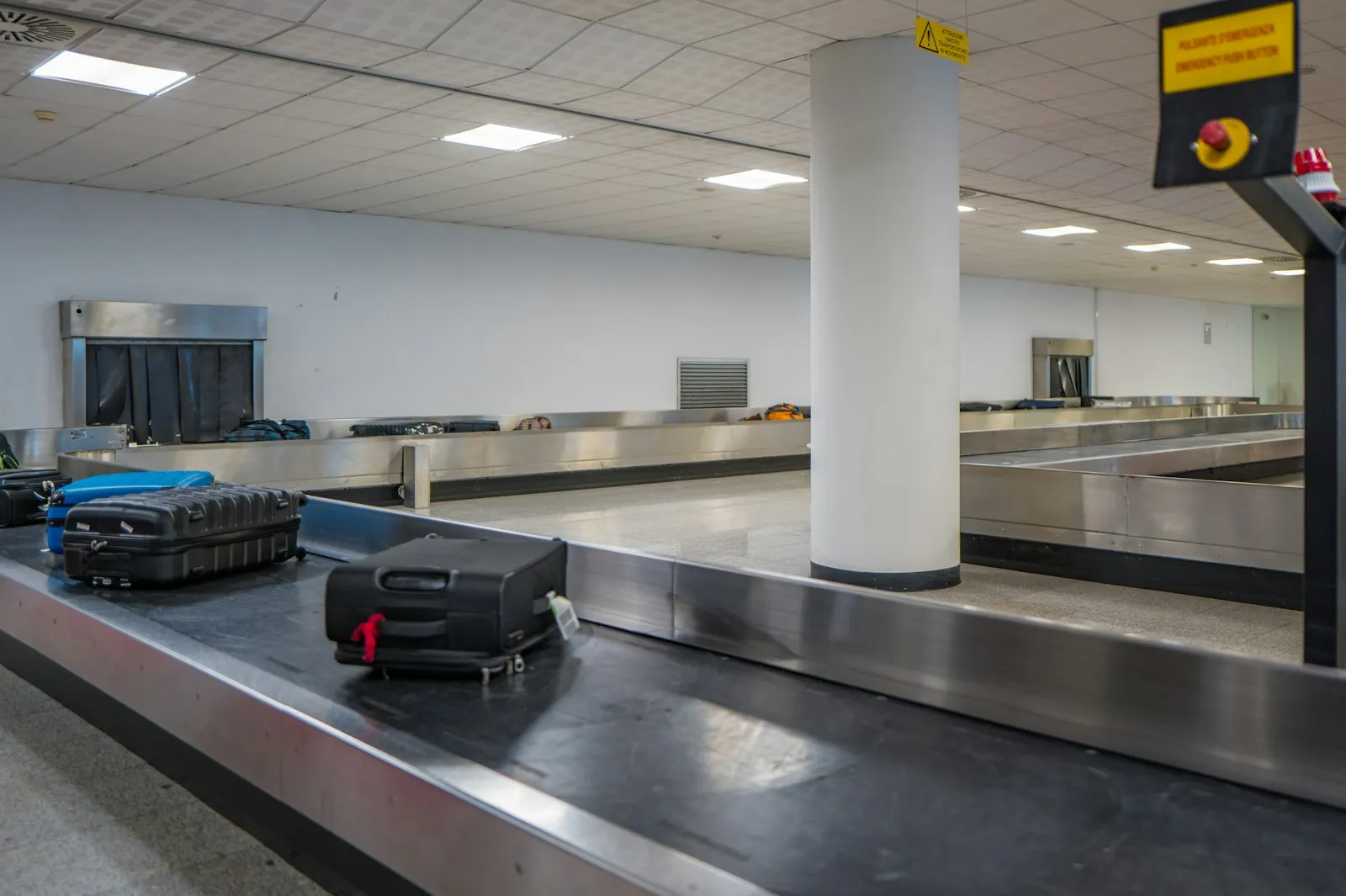
Mishandled baggage

A bag that missed its flight goes round the carousel with no owner, and the last scan only says where it was checked in.
02

Barcode tags misread on the belt

A crumpled or turned-over barcode tag is not read at the scanner, so the bag drops to manual coding and waits for a person.

03

Offloading means searching the hold

When a passenger does not board, handlers search containers and the hold by hand to find their bag, and the flight waits.

04

Vehicle gates need someone to stop

Airside and staff car park gates rely on a guard checking a pass, so lanes queue and the record is a logbook.

05

Ground equipment history lives on paper

Tugs, dollies and their tyres are serviced from binders, so overdue units are found at inspection, not before.

How the solution works

One bag, four tracking points, one record

Baggage handling & tracing systems Every bag read as an event: acceptance, loading, transfer, arrival
Wrong-flight bag Bag not loaded Missed connection

System rollout

From one belt or gate to the whole site

Twelve steps in the order an airport or transport operator goes through them, with who does each one and how long it usually takes. Integration with the baggage and parking systems moves the date most.

6-10 weeksVehicle gates, or one baggage belt pilot
4-6 monthsBaggage journey and vehicle gates integrated

Who does it:FYRFIDYour IT or systems integratorYour operations team

Plan

01 Map the handovers and measure the baselineFind where identity is lost today. 1-2 weeksYour operations teamFYRFID
  • Bag drop, sortation, make-up, belt loaders, transfer and reclaim; vehicle gates
  • Measure today: bags sent to manual coding, mishandled bags per 1,000, offload search time, barrier queue time
  • Agree the pass marks for the pilot

You getHandover map, baseline and pass marks.

02 Survey the read pointsBelts, belt loaders and lanes, at real speed. 1-2 weeksFYRFIDYour operations teamYour IT or systems integrator
  • Belt widths, speeds, junctions, make-up chutes and reclaim infeeds
  • Gate lane widths, approach speeds and barrier controls
  • Windscreen types in the fleet
  • The regional UHF band: 865-868 MHz in Europe, 902-928 MHz in North America

You getSurvey report with read points marked.

03 Test samples at real speedBags on the belt, vehicles at the barrier. 2-3 weeksFYRFIDYour operations team
  • Bag tags on the belt at full speed and in every orientation
  • Windshield tags on each vehicle type
  • Tyre and equipment tags on real units
  • Tags on ULDs and carts, and reads on the belt loader

You getTest report and final specifications.

Common mistakeTesting bags by hand at the desk instead of on the moving belt.

04 Design the data flowRFID supplies identity and time; the operational system decides. 1-2 weeksYour IT or systems integratorFYRFID
  • Bag events at each tracking point for the baggage system; vehicle events for parking or fleet
  • What happens when a read is missing
  • Numbering for vehicles, equipment, carts and ULDs

You getInterface specification.

Build

05 Integrate with operational systemsBuilt by your IT team or systems integrator. 4-8 weeksYour IT or systems integrator
  • Baggage handling, baggage tracing and parking interfaces
  • Barrier control from the gate reader
  • Dashboards for read rates per belt and gate

You getA working test system.

06 Produce tags and order hardwareTuned for your regional band. 2-4 weeks lead timeFYRFID
  • Inlays for bag tag stock, windshield, ULD, equipment and tyre tags
  • Readers, antennas, handhelds and tap readers

You getTags and hardware delivered.

07 Install read pointsBelts, belt loaders and vehicle gates. 1-3 weeksYour IT or systems integratorYour operations team
  • Antennas on belts, junctions, chutes and reclaim infeeds; readers on belt loaders
  • Gate readers with barrier triggers
  • Power and network to every read point

You getInstalled read points.

08 Commission and tuneReal bags at belt speed, real vehicles at approach speed. 1-2 weeksYour IT or systems integratorFYRFID
  • Power and antenna angles per read point
  • Cross-lane and cross-belt reads checked
  • Every final setting written down

You getA commissioning record for every read point.

Go live

09 Tag vehicles and equipmentEvery unit bound to its record. Depends on fleet sizeYour operations team
  • Windshield tags fitted in the clear area of each windscreen
  • Equipment and tyre tags fitted and bound

You getTagged fleet and equipment.

10 Train and pilotOne belt or one gate first. 2-4 weeksYour operations teamYour IT or systems integratorFYRFID
  • Make-up, ramp and gate staff trained on exceptions
  • Read rates compared with the baseline every day

You getPilot report.

11 Roll outThe rest of the site. Belt by belt, gate by gateYour operations teamYour IT or systems integrator
  • Add belts, stands and gates in waves
  • Commission each new read point the same way

You getThe site live.

Run

12 Run and maintainWatch read rates per read point. OngoingYour operations teamFYRFID
  • Read-rate reports per belt and gate
  • Replace damaged windshield tags
  • Reorder bag tag inlays on a schedule

You getMaintenance plan.

Tags & hardware

Which tag for each thing you track, and what reads it

One row for each thing that changes hands. Sizes and read ranges are catalogue figures; the range you get depends on the reader, the surface and the speed at the read point.

What you tagTag typeSizeRead rangeWhat it doesRead by

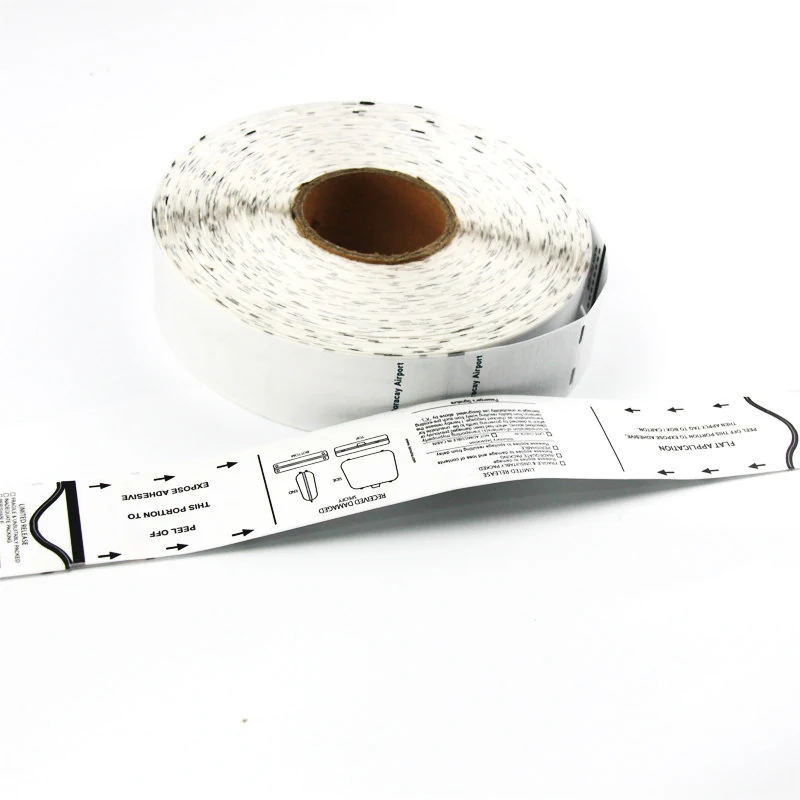
Checked baggage

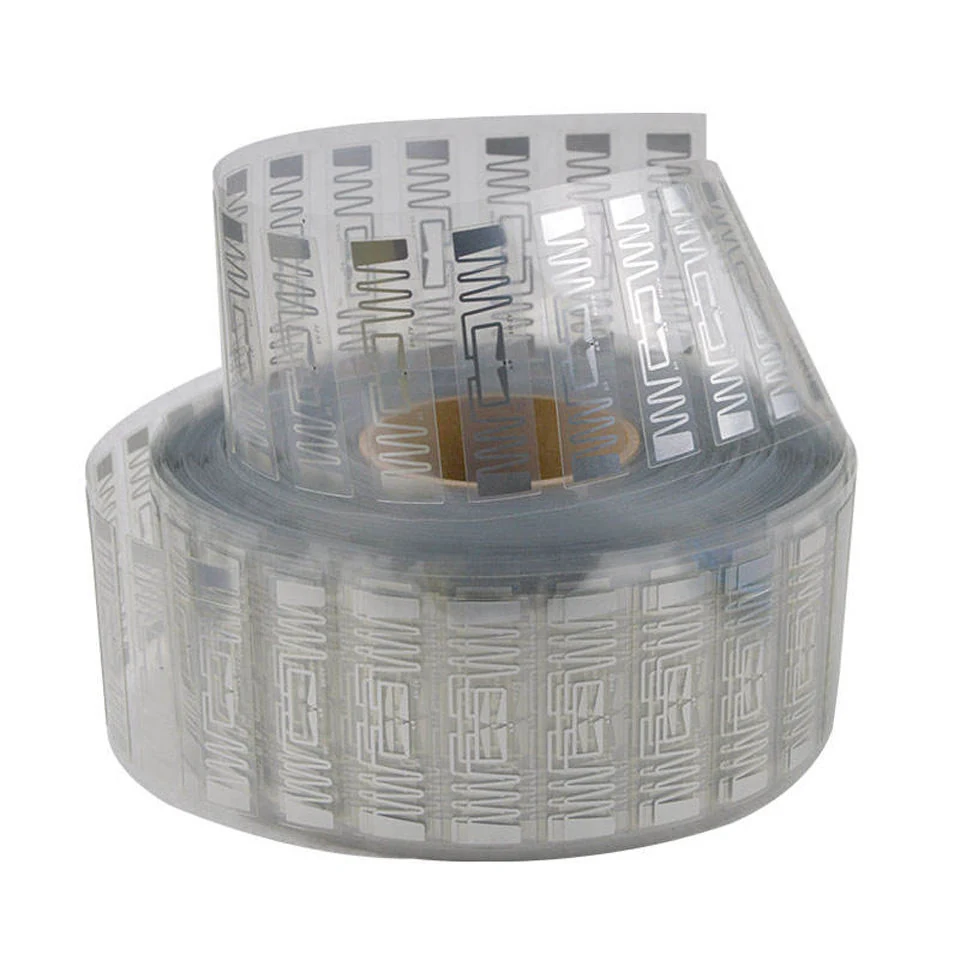
Inlays for bag tag stock

70×15, 75×15 or 88×18 mm, or custom
1-8 m
Your bag tag supplier converts the inlays into bag tag stock; the bag number is written at the printer, and the tag reads on the belt without lining it up.

Airside and staff vehicles

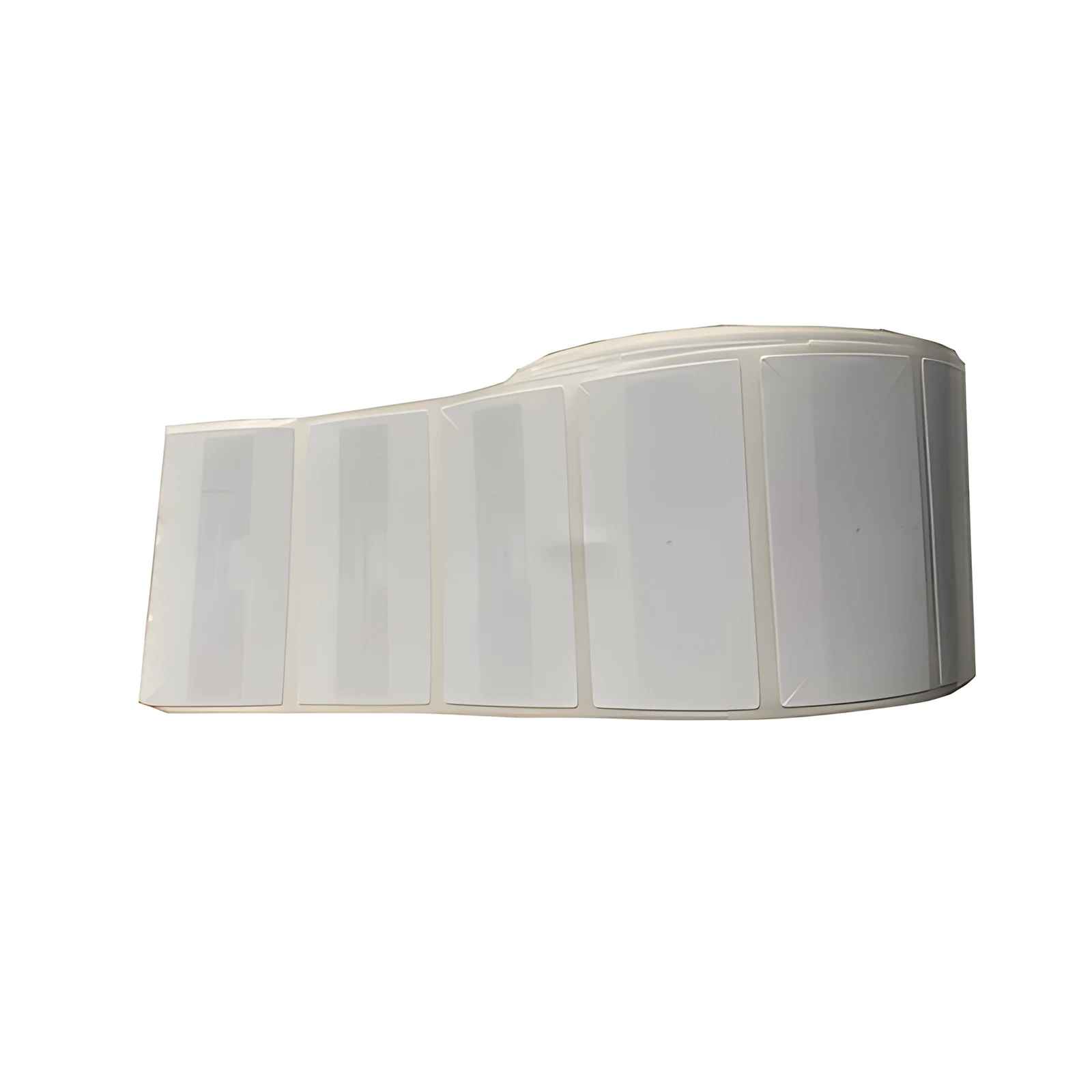
Windscreen

102×76, 100×50, 99×24 or 73×23 mm
0.5-8 m
Vehicle ID at the barrier; breaks if peeled, so it cannot move to another vehicle.

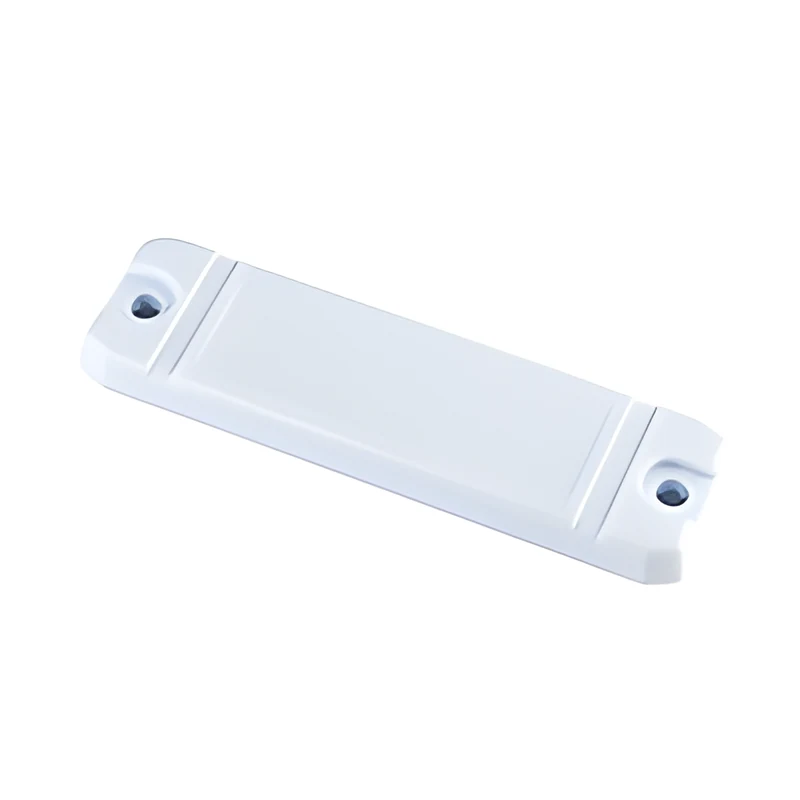
Ground support equipment

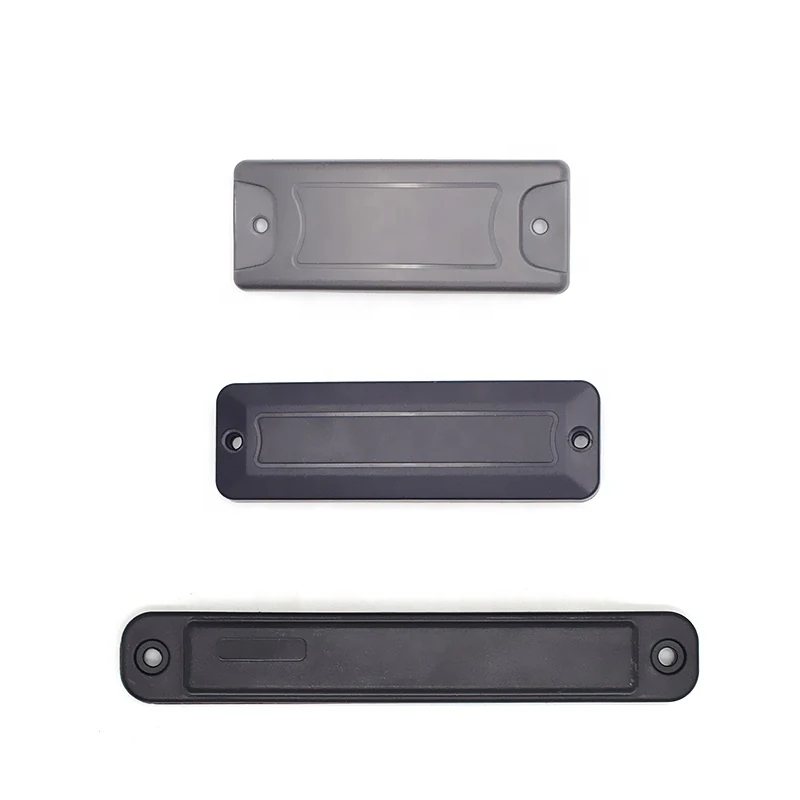
Metal frames

105×30×7.5 mm
Up to 10 m on metal
Equipment ID for tugs, dollies and loaders, read at gates or on rounds.

Fleet tyres

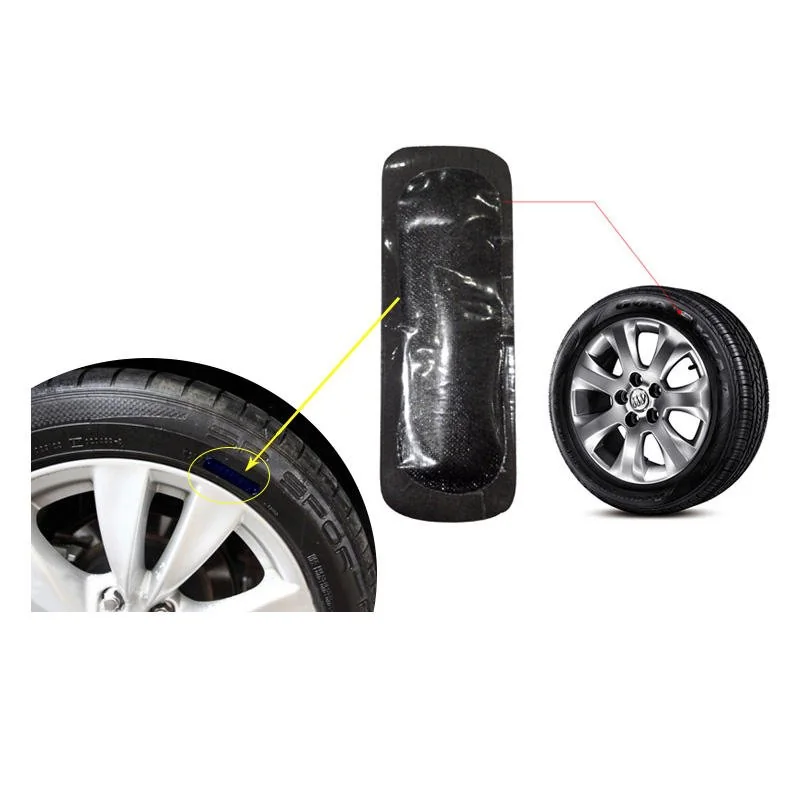
Maintenance records

Confirm final label dimensions and mounting method
Validate read range on the actual tire
Tire ID for rotation, retreads and mileage. Confirm the final construction and operating conditions with FYRFID before ordering.

ULDs and baggage carts

Aluminium containers, cart frames

62×32 to 200×30 mm
0-10 m on metal (fixed reader)
Gives each cart or ULD an ID, so bags are read into it at make-up and found by container when one must be offloaded.

Shuttle, parking and transit tickets

Low-cost, disposable

85.5×54×0.5 mm
0-10 cm tap
Low-cost ticket for shuttles, staff parking or transit.

The readers

Fixed reader + belt antennas

Take-away belts, sortation junctions, make-up chutes and reclaim infeeds

4-port UHF reader, 0-20 m, with antennas around the belt.
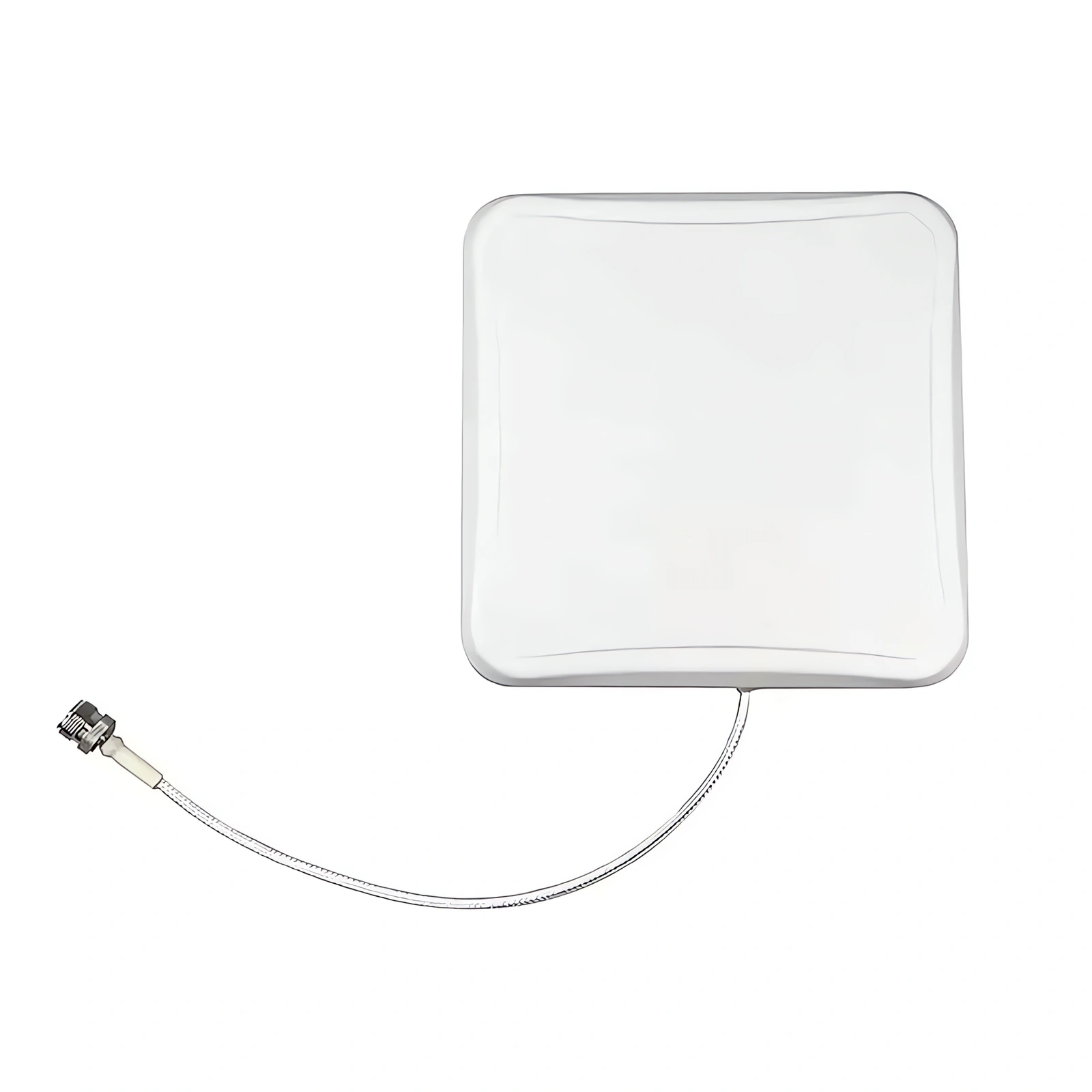
Fixed reader + lane antenna

Airside gates, vehicle barriers and staff car parks

Circular-polarised panel antenna aimed at the lane, read triggered by the barrier.
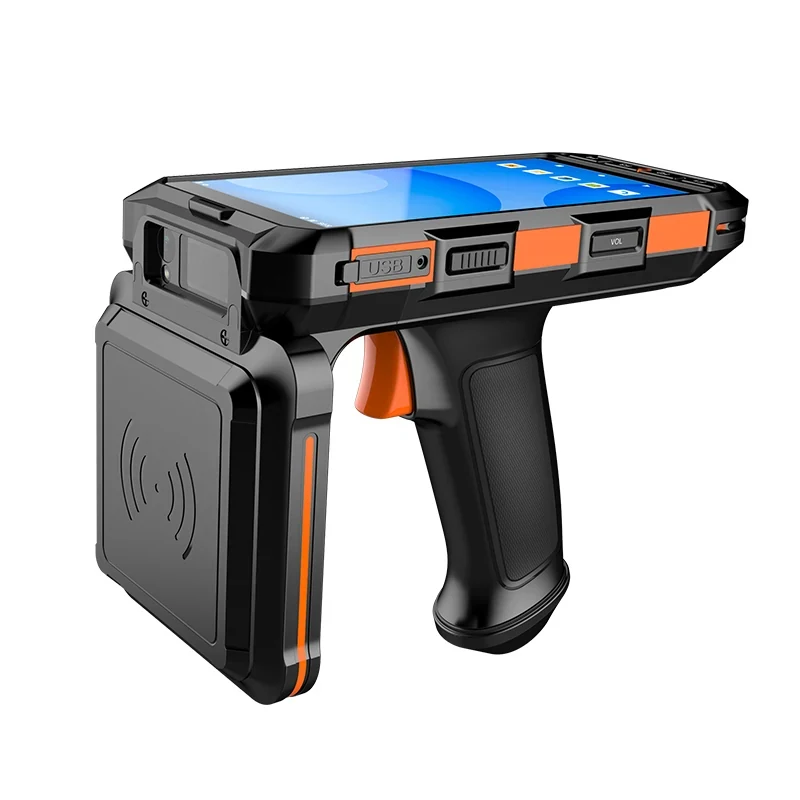
Handheld UHF + NFC reader

Make-up, belt loaders, transfer, ramp and workshops

Android 13. Reads bags into carts and ULDs, confirms loading, checks equipment and tyres.

Shuttle and car park ticket readers

Shuttle, car park and transit gates

Supplied by your fare or parking system. We match the ticket chip to their readers.

Before we quote

Four answers decide the specification

Pick what matches your operation. Each answer shows what it calls for, and the summary goes to our engineers with your enquiry.

1What are you tracking?

2Where is it read?

3What does the tag go on?

4How many a year?

Before a volume order

Four checks before you order tags in volume

Each one is cheap to settle on a sample and expensive to fix once tags are on bags and vehicles.

01Test tags at real belt and vehicle speed

Signed-off sample chip · tag · position · speed Batch 1 Batch 2 Batch 3 same construction, every order

What goes wrong

A tag that reads in the hand can miss at full belt speed or when a vehicle passes at approach speed.

Check before you order

  • Bag tags on the belt at full speed, in every orientation, and on the belt loader
  • Windshield tags on every vehicle type
  • The sample part number quoted on every repeat order

02Order for the regional UHF band

UHF RFID band by region 860 MHz 960 MHz Europe 865-868 MHz North America 902-928 MHz China 920-925 MHz Order tags and readers tuned for the band where they will be used.

What goes wrong

Tags and readers set for the wrong band read short or not at all, and readers may not be legal to run.

Check before you order

  • Country of use for every site
  • Readers set to the local band
  • Tags rated for the band, or for the full 860-960 MHz range

03Mount windshield tags where the glass lets UHF through

Clear area behind the mirror Metallised or heated coating blocks UHF Test on each vehicle type in the fleet before a full rollout.

What goes wrong

Metallised tint and heated windscreens block UHF, so tags in the wrong place never read at the barrier.

Check before you order

  • Windscreen types across the fleet
  • The clear area behind the mirror on each type
  • A test read on every vehicle type before full fitting

04Plan bag tag inlay supply against lead time

Labels in stock Lead time Reorder point Safety stock Order Weeks

What goes wrong

Inlays run out at peak season, and bags go back to barcode only.

Check before you order

  • Monthly use from passenger and bag volumes
  • Converter lead time plus inlay production (typically 2-4 weeks)
  • A reorder point and safety stock

Planning

Do RFID baggage tags follow a standard?

Yes. IATA Resolution 753 drives bag tracking at key points, and RFID bag tags follow the industry UHF specification so they work across airports and handlers.

Which points must a bag be tracked at?

IATA Resolution 753 asks airlines to record a bag at four points: acceptance at check-in, loading onto the aircraft, delivery to the transfer area and return to the passenger at arrival. RFID reads at those points, plus sortation and make-up, give the full journey.

Do you supply finished bag tags?

Today we supply UHF inlays for bag tag stock; your bag tag supplier converts them into the airline or airport format, and the bag number is written at the check-in printer. Ask us if you need finished tags.

Which UHF band do we need?

The band of the country of use: 865-868 MHz in Europe, 902-928 MHz in North America, 920-925 MHz in China. Tags can be rated for the full 860-960 MHz range, but readers must be set to the local band.

Why do airlines switch bag tags to RFID?

Barcode scanners need to see the label, so creased or turned-over tags drop to manual handling. A UHF inlay reads in any orientation on a moving belt, which is how airlines record the IATA 753 points without adding staff.

Vehicles

Will a windshield tag work through athermal or metallised glass?

Often not. Metallised and heated windscreens block UHF. Many vehicles have a clear area behind the mirror; mount the tag there, and test on each vehicle type.

Can one tag serve both parking and fleet management?

Yes, if the same reader infrastructure covers both. It is a database question more than a hardware one.

How fast can vehicles pass the gate?

The reader needs the tag in its field long enough to read it. With a lane antenna aimed at the approach and a barrier trigger, vehicles do not need to stop; test with your vehicles at their real approach speed during commissioning.

Equipment and ULDs

How do we tag ground equipment and tyres?

On-metal hard tags go on equipment frames; tyre hard tags are IP68 and rated -40 to +150 °C, screwed or riveted in place. Both are read on handheld rounds or at gates.

How are ULDs and baggage carts tagged?

A large on-metal tag goes on each ULD or cart frame. Bags are read into it at make-up, so when a bag must be offloaded the system already knows which container holds it. For trucks and road containers, see the logistics solution.

Running it

Where does the RFID data go?

RFID supplies identity and time to your baggage handling, parking or fleet system. The decisions stay in that system.

What happens when a bag tag does not read?

The bag falls back to barcode reading and manual handling as today. Read rates are reported per belt, so problem points can be found and tuned.

Build a matched pilot

Send the item, environment, read point and annual volume.

We will narrow the construction and sample set around your real operating conditions.

Stay Updated on RFID Industry Trends

Get the latest news, case studies, and product updates from FYRFID delivered to your inbox. No spam — unsubscribe any time.

Thanks for subscribing — we’ll be in touch.