01
Warehouses
Cases are received by dock door portal.
Typical setup4–8 m.
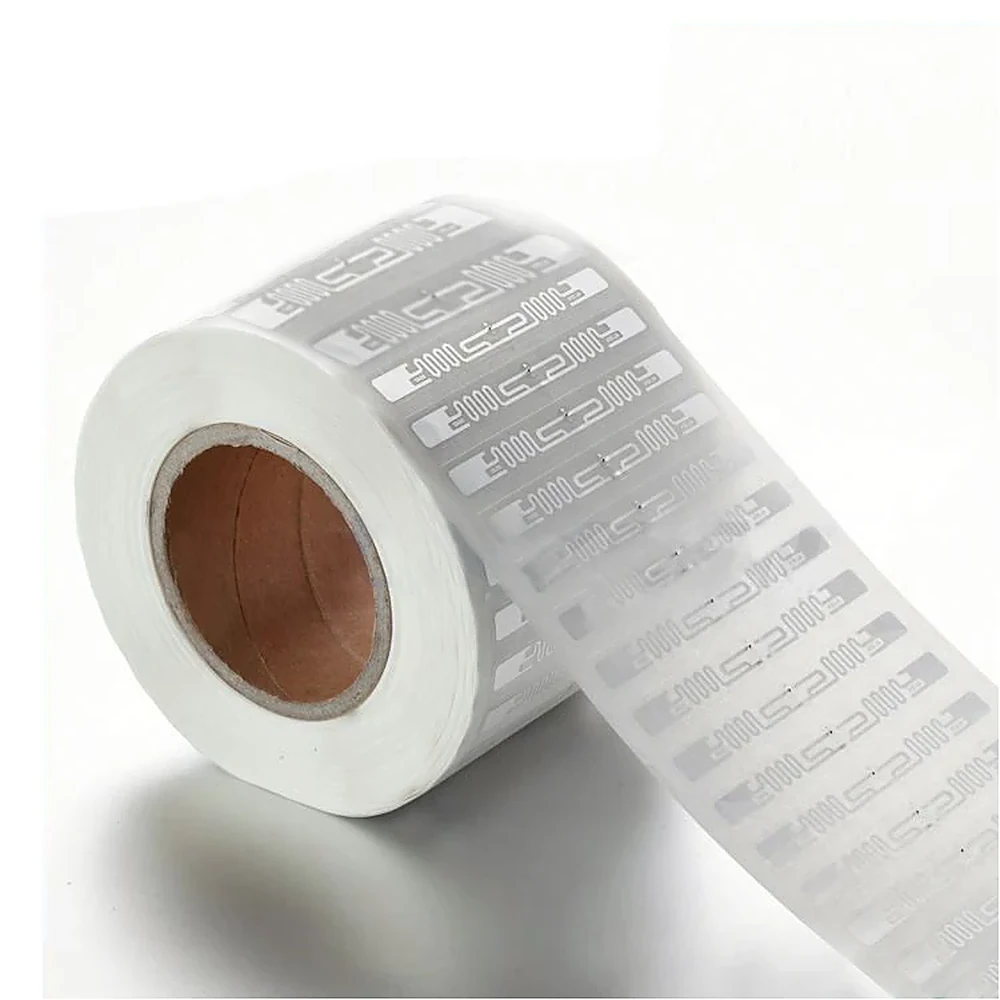
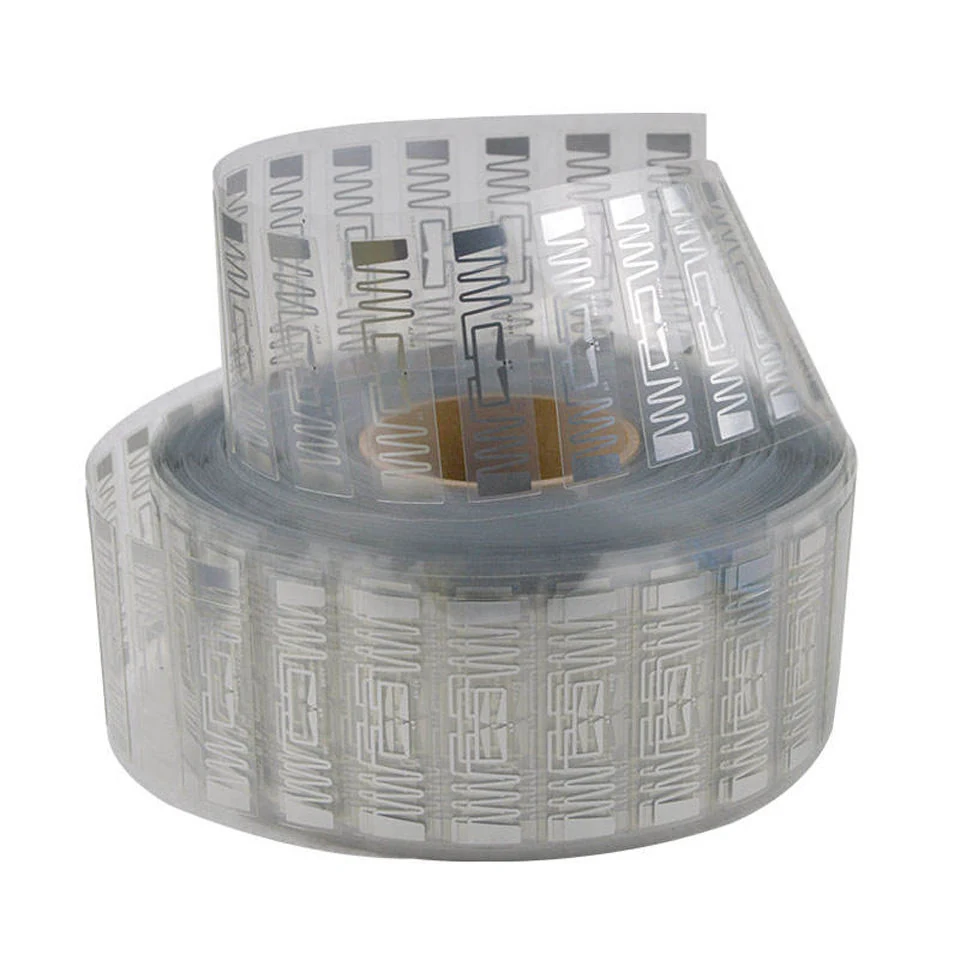
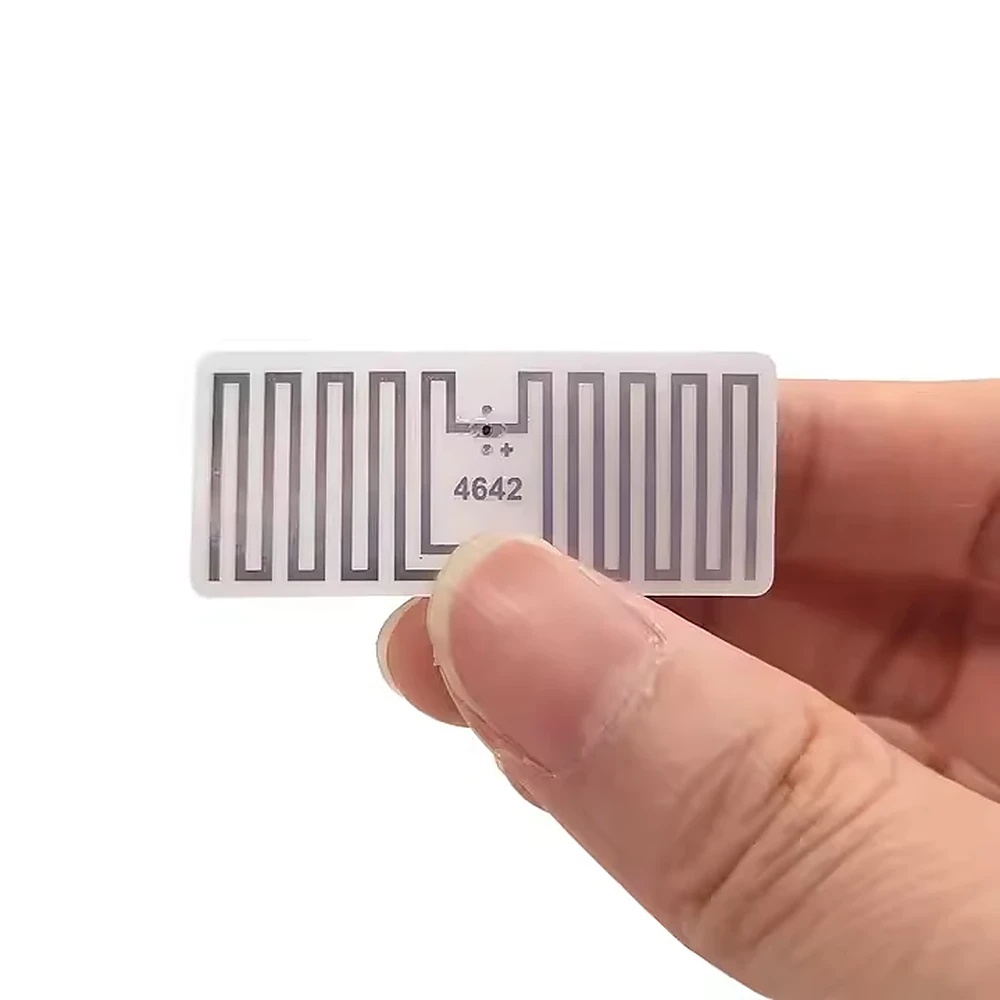
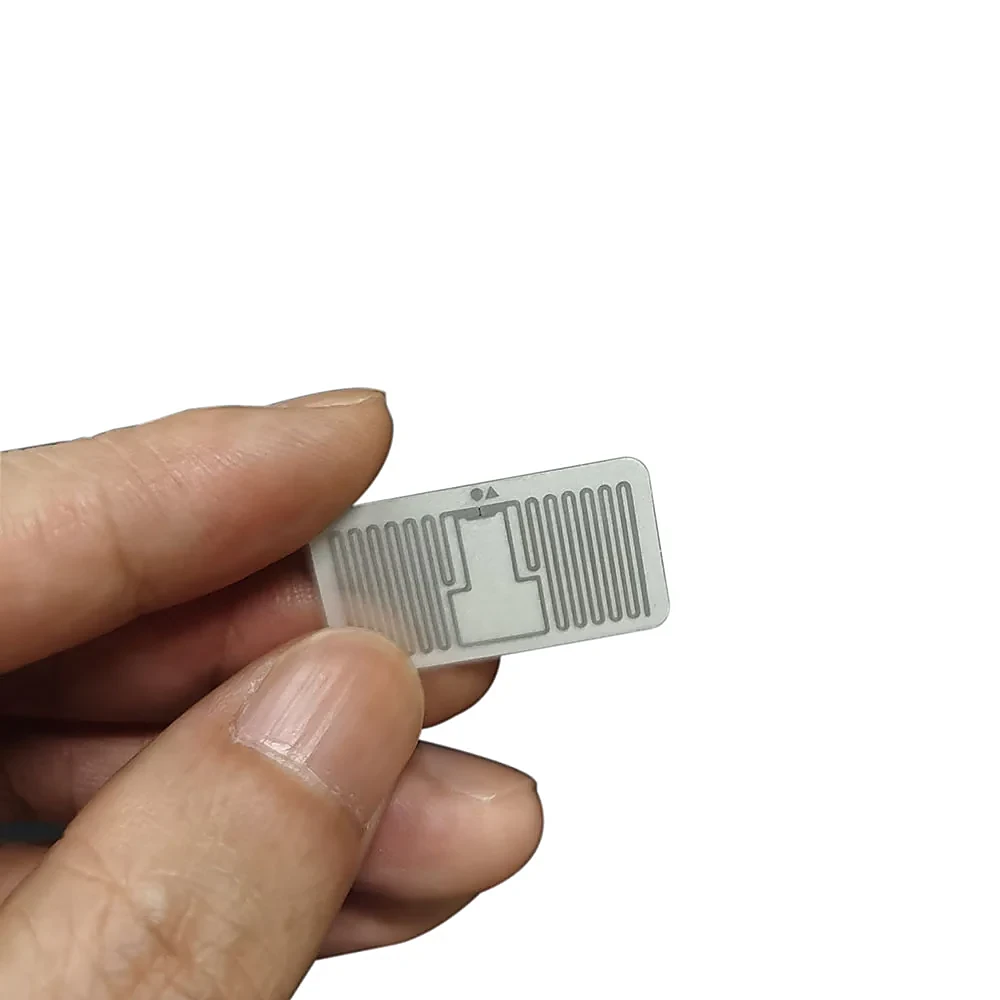
This is a ready-to-use inlay with adhesive that you stick on cartons and totes. A reader several metres away picks up the label's number, so you can count and track boxes without scanning each one. Key facts: 94×24mm · IP54; MOQ 50pcs.

Cases are received by dock door portal.
Typical setup4–8 m.
Cartons are labelled and read.
Typical setupU8 or U9, 128-bit EPC.
Tags are put on tote bins.
Typical setup94 × 24 mm.
You print on top.
Typical setupMOQ 50 pcs.
This is a ready-to-use inlay with adhesive that you stick on cartons and totes. A reader several metres away picks up the label's number, so you can count and track boxes without scanning each one.
How it works, in plain words
What you need to use it
What it looks like in your business
Today: someone opens cartons and ticks the delivery note, and errors are found days later. With the inlay: the reader at the door reads all the cartons as they pass and compares them with the order. Missing or extra boxes are shown before unloading.
What you get: Fewer receiving errors and fewer disputes with suppliers.
Today: staff scan or count each box by hand, which takes hours and still has mistakes. With the inlay: a person walks past the shelves with a handheld reader and the screen lists every labelled item. Differences against your stock list show at once.
What you get: Counts take minutes, not hours.
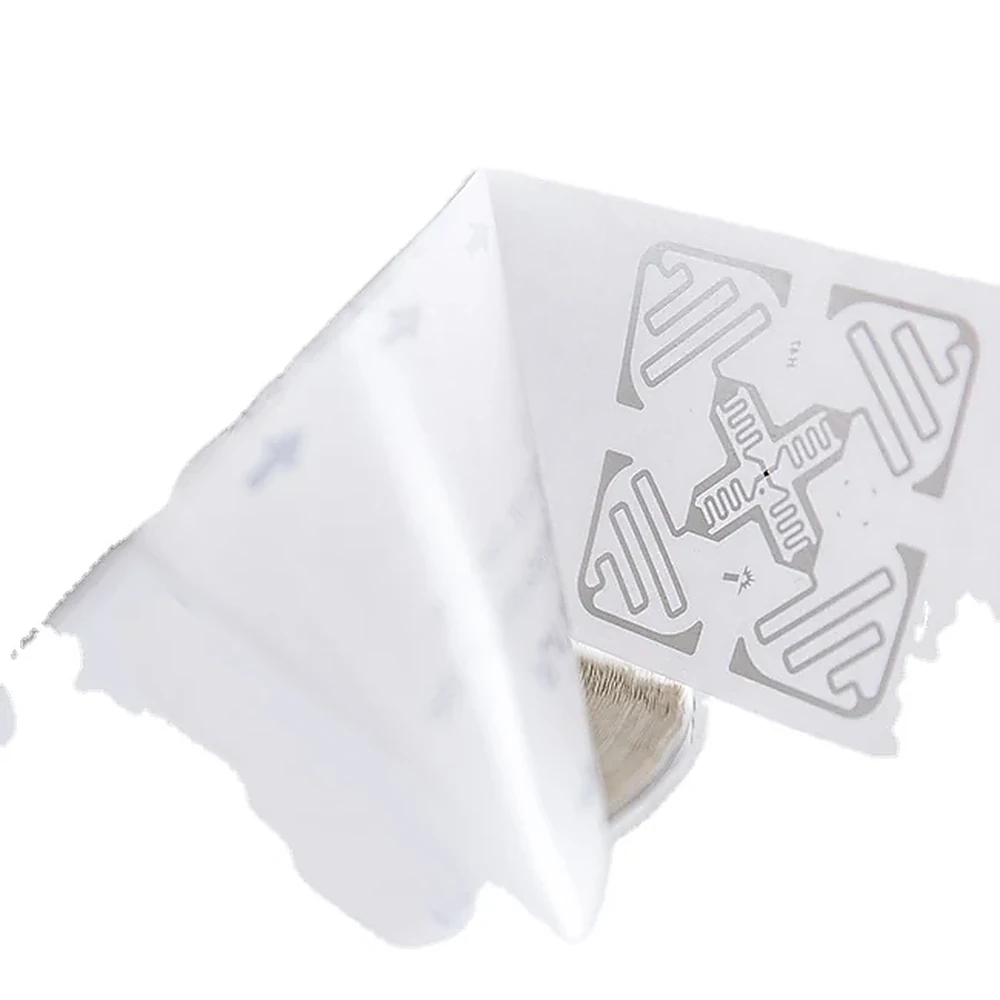
Today: a bare inlay cannot be used until it is converted into a label. With the inlay: the inlay has an adhesive back; put your own paper over it, print, and supply it as a label.
What you get: A fast route from inlay to label.
Today: tags stuck on metal or full liquid containers are read badly. With the inlay: use it on cartons and plain surfaces, not on metal or liquid-filled containers.
What you get: Know where it works best.
Today: labels are bought on a data sheet, and then do not read well on your cartons. With the label: order a sample, apply it to real goods, and read them at your dock or with your handheld. Tell us the result and we will advise on the right version before you order volume. For this product: size 94×24mm, read range 4-8M, minimum order 50pcs.
What you get: Labels that read on your goods.
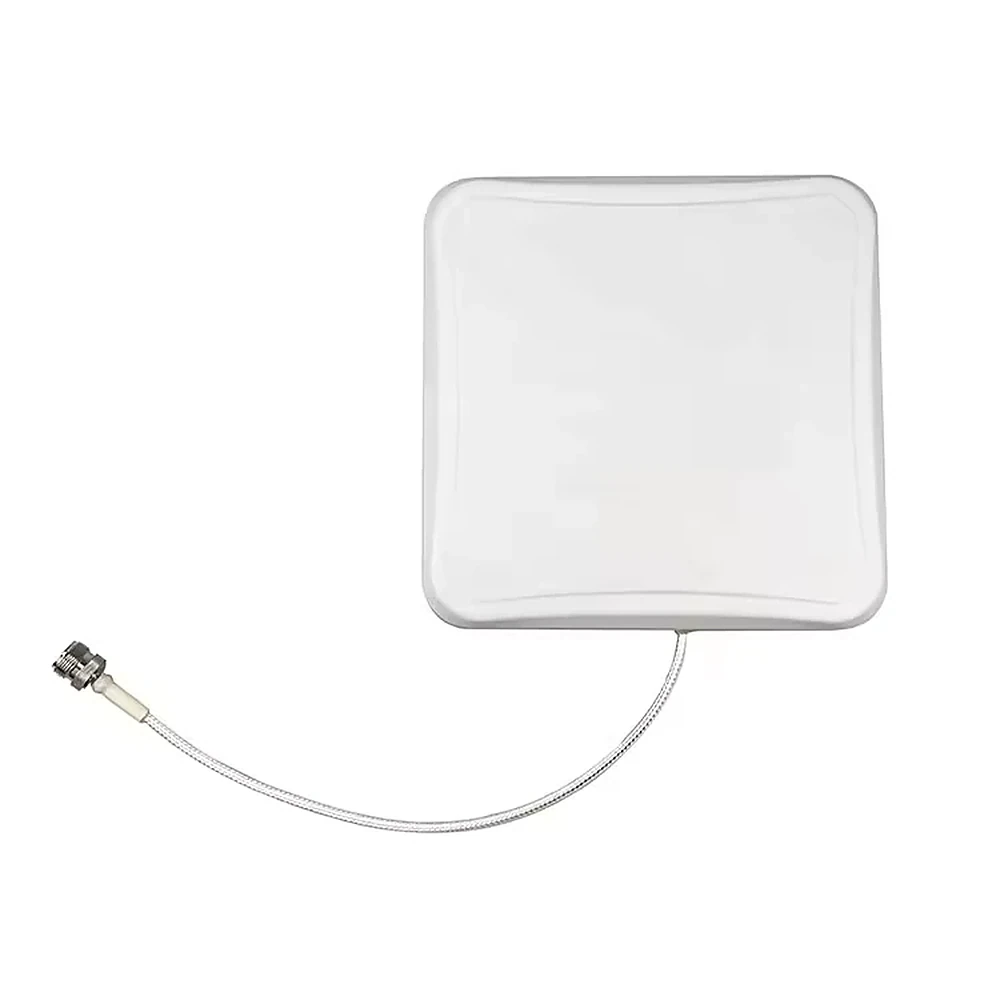
The hardware and software that work with the UHF RFID Dry Inlay in a typical project.
On pallets, cartons or items.
At dock doors, conveyors or in handhelds.
Filters reads and links numbers to goods and orders.
Can read the same numbers if you use a standard.
Item, carton or pallet. Choose a numbering scheme, for example GS1 SSCC for pallets.
Test on your real goods and your reader before you order volume.
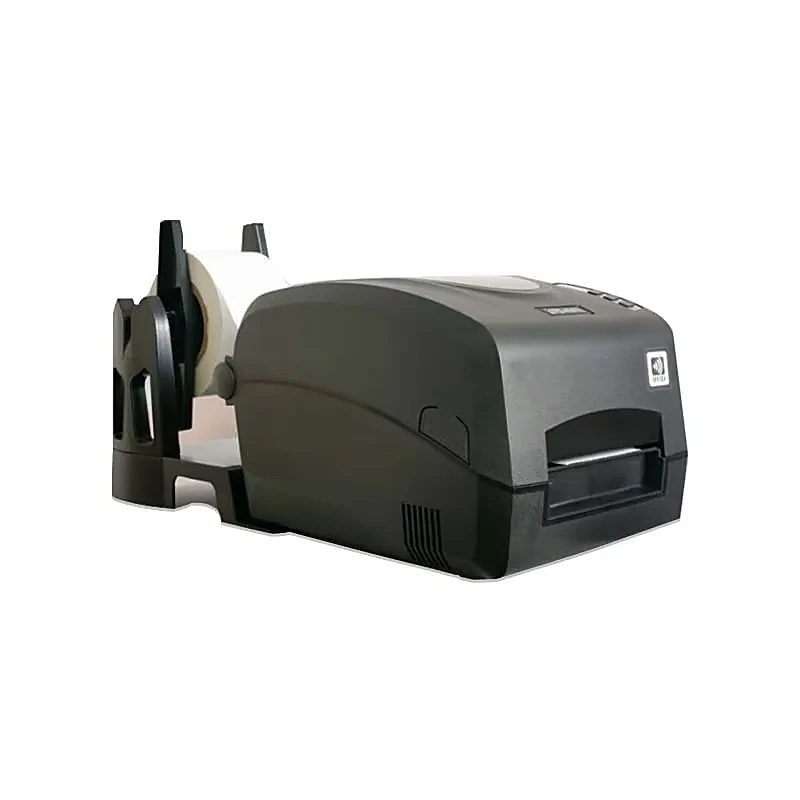
We can print and encode on request, or you encode on your own printer.
Put them in the same position on every item and keep them flat and clear of metal and liquids.
Read at the points you chose and compare the list with your system.
| Chip / IC | U8, U9 |
|---|---|
| Frequency | 860~960MHz |
| Protocol / Standard | ISO/IEC 18000-6C, EPCglobal Class 1 Gen 2 |
| Memory | 48 bits TID, 128 bits EPC, 0 bit User Memory |
| Read range | 4-8M |
| Size | 94*24mm |
| Operating temp | -10 ~+50 °C (typ.) |
| Waterproof / IP | IP54 |
| Mounting | Self-adhesive sticker |
| Certifications | ISO 18000-6C, EPC Gen2 |
Need a value that is not listed? Ask in the form and our engineers will confirm it for your order.
| MOQ | 50pcs |
|---|---|
| Sample policy | Free samples available |
| Sample quantity | 3–5 pcs (Free) |
| Sample lead time | 5-7 days |
| Packaging | Individual OPP or bulk pack; custom label and carton marks |
| Pricing | Quoted per project and quantity. Send your quantity and requirements in the form. |
| Printing & branding | Encoding are available |
|---|---|
| Chip encoding | Chip encoding available on request |
No. It has a 128-bit EPC and a 48-bit TID, with 0 bit of user memory.
4–8 m.
50 pcs.
You need UHF readers for the tags you use. Handheld readers are the easiest start; dock-door readers read pallets as they pass.
Yes. You can print the barcode and QR code on the same label, so existing scanners keep working while you introduce readers.
Numbers can be encoded by us before delivery, or by your printer. Standard numbering such as GS1 SSCC helps when partners read your labels.
What is inside a carton (metal, liquids) and how tightly it is packed change how well labels read. Run a pilot on your real goods.
A barcode must be seen and scanned one at a time. An RFID label is read by radio, without line of sight, and many labels can be read at once, so counts and deliveries take minutes. Barcodes are cheaper, and many projects print both on the same label, so existing scanners keep working while RFID readers are introduced.
The price depends on the chip, size, material, printing and quantity, so we quote per project. Send us the quantity and the use, and we will reply with a quote. Samples are available for testing before a volume order.
The minimum order quantity is 50pcs. Before bulk production we can send 3–5 pcs (Free) for testing.
Free samples available. Sample quantity: 3–5 pcs (Free). Samples are ready in 5-7 days.
Last updated:
Tell us your quantity, application and delivery country. We reply within 24 hours.