Before you source
EAS and UHF RFID are two different radio technologies that solve two different problems. EAS triggers a simple alarm at the exit if a tag isn't deactivated, with no item-level data attached. UHF RFID identifies exactly which item it is, for inventory, but doesn't inherently alarm at the door. Some of our tags combine both on one label. Confirm which one, or both, your project actually needs before assuming an RFID upgrade keeps your existing theft protection.
Two Technologies, Often Confused for One
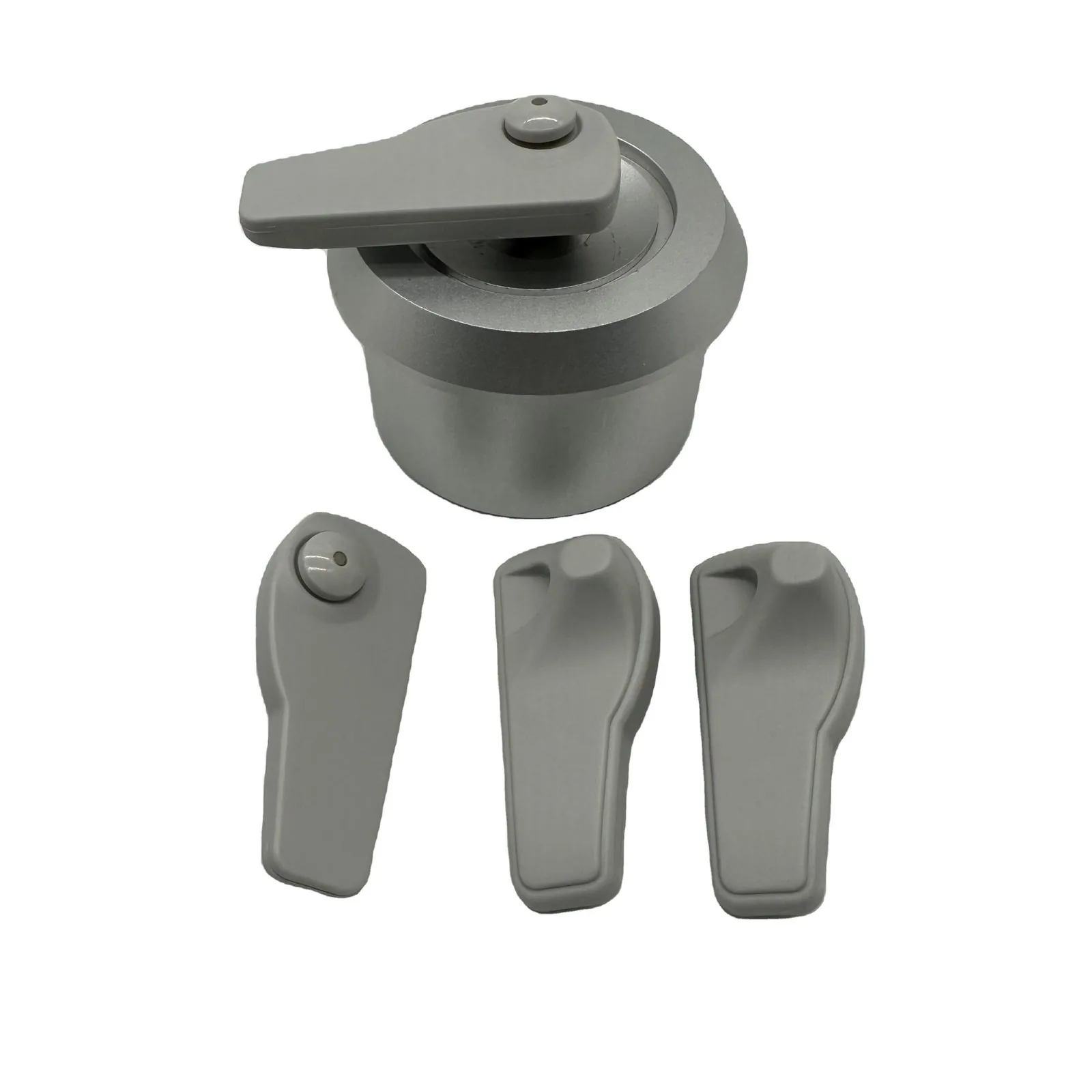
Traditional EAS runs on one of two legacy radio frequencies, 8.2MHz (RF) or 58kHz (AM/acousto-magnetic), and does exactly one job: sound an alarm if a live tag passes through the exit gate. It carries no item identity, no price, no SKU, just a resonant circuit that either is or isn't deactivated at the register. Our own pure-EAS hard tag (FY-TG-H03A-001) runs the classic 8.2MHz frequency, a simple ABS shell with a metal locking pin, CE/RoHS/FCC certified, built for exactly this single function.
UHF RFID (860-960MHz) is a completely different radio band, built to identify a specific item, not just detect a live/dead state. It's the technology behind the source-tagging and ARC requirements covered elsewhere on this site, letting a retailer count inventory, verify shipments and track individual SKUs. On its own, a plain UHF RFID label has no theft-alarm function whatsoever, it simply isn't built to trigger a gate.
The Tag That Does Both, and What It Actually Requires
Our combo label (FYL-SP-008) genuinely runs both functions on one tag: UHF RFID (ISO 18000-6C, Impinj R6 chip, 1-3m read range) for inventory, plus an EAS function defaulting to 58kHz with an 8.2MHz option available on request. This is the tag that actually replaces a separate hard tag plus barcode with one label, but it only works with the existing gate infrastructure if the EAS sub-frequency matches. A store running 8.2MHz gates and ordering the 58kHz default configuration ends up with tags that read perfectly for inventory and never trigger the alarm, a gap that isn't obvious until it's tested at the door.
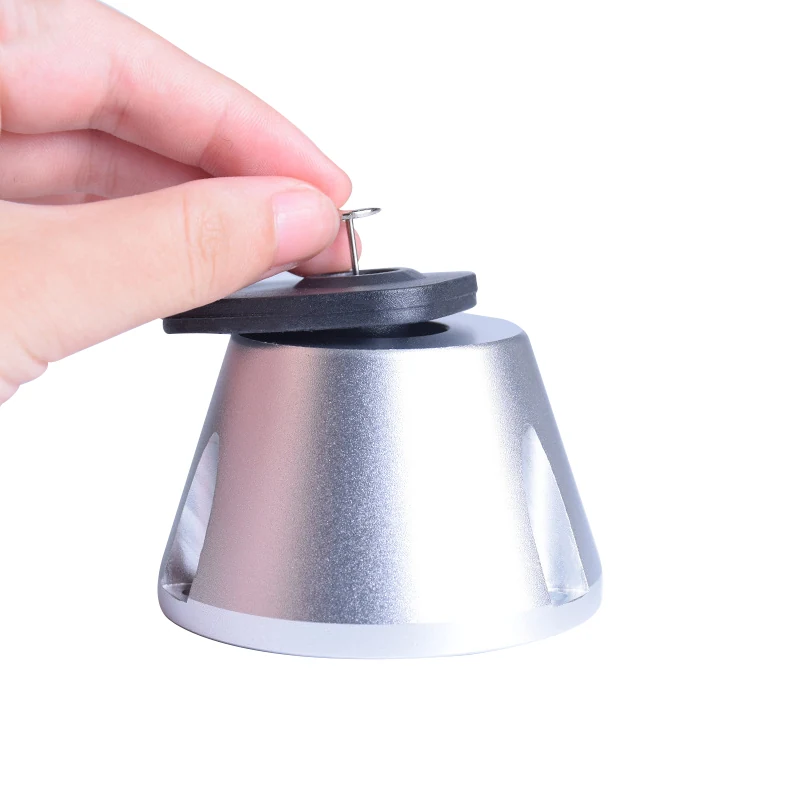
For garments and other reusable retail items, our reusable ABS hard tag (FYL-SP-012) pairs UHF RFID identification with an EAS-compatible magnetic lock, rated -20°C to +70°C, released only with a matching detacher. A magnetic-lock hard tag without the correct detacher on hand is a genuinely common operational headache, confirm detacher compatibility as part of the same order, not as an afterthought.
| Pure EAS hard tag | Combo RFID + EAS label | Reusable RFID + EAS hard tag | |
|---|---|---|---|
| SKU | FY-TG-H03A-001 | FYL-SP-008 | FYL-SP-012 |
| EAS frequency | 8.2MHz | 58kHz default, 8.2MHz on request | EAS-compatible, confirm on order |
| Inventory / item ID | None | Yes, UHF RFID (ISO 18000-6C) | Yes, UHF RFID (EPC Gen2/ISO 18000-6C) |
| Construction | ABS, metal pin lock | ABS + magnetic bar, plastic pin | ABS, magnetic lock |
| Reusable | Single garment cycle, pin-locked | Single-use label | Yes, multi-cycle, needs detacher |
| Best suited to | Loss prevention only, no inventory need | Replacing hard tag + barcode with one label | Reusable garment security with full RFID inventory |
What Actually Goes Wrong When These Get Conflated
- UHF RFID tags ordered for inventory, with the assumption they'll also trigger existing EAS gates, when a plain RFID label has no EAS function at all.
- A combo RFID+EAS tag ordered at its default 58kHz setting for a store actually running 8.2MHz gates, resulting in tags that read for inventory but never alarm at the door.
- Reusable magnetic-lock hard tags deployed without confirming a compatible detacher is on hand at every register or exit point.
- Assuming any EAS detacher works with any EAS tag, when 58kHz and 8.2MHz mechanisms aren't universally interchangeable across all detacher models.
- No test pass through the actual exit gate with a sample tag before committing to tagging the full inventory.
Before You Place a Production Order
- Confirm your existing gate system's EAS frequency (58kHz or 8.2MHz) before ordering any tag that claims EAS compatibility.
- Confirm whether you need inventory identification (UHF RFID), theft-alarm protection (EAS), or both on the same tag, they are not the same requirement.
- If ordering reusable hard tags, confirm a matching detacher is included or already on hand at every point of use.
- For a combo RFID+EAS rollout, test a sample tag through your actual exit gate and RFID reader setup before a full inventory order.
- If you're also pursuing retail source-tagging certification, confirm how the EAS function interacts with those requirements, since they're evaluated separately.
If your gate beeps at nothing or misses tagged items, start with the noise lights. Includes a tuning video.
ARC Approval for RFID Labels: What US Retailers Actually Require and How to Check ItSource-tagging requirements and EAS loss prevention are separate. This covers how ARC Specs and Approved Inlay Lists work on the RFID side.
Sources & standards
- ISO/IEC 18000-63:2021 (formerly 18000-6C) — ISO/IEC, reference