Quick answer
A dry inlay is the chip and antenna on a substrate with no adhesive and no liner. It ships loose or on a carrier reel, ready to be laminated, embedded or converted into something else. A wet inlay has a pressure-sensitive adhesive layer and a release liner already applied, so it can be die-cut and printed directly into a finished label. The chip and antenna can be identical between the two; the difference is entirely in what's bonded underneath.
What an Inlay Actually Is
Strip away the label, the card or the wristband and every UHF RFID product reduces to the same core: a chip bonded to an antenna, etched or printed onto a thin substrate, usually PET. That assembly is the inlay. Everything else, the printed face stock, the adhesive, the lamination, the card body, is built around it afterward.
The antenna shape is not decorative. A UHF inlay's antenna is a dipole tuned to resonate at 860-960 MHz, and its length and geometry set the read range and orientation sensitivity of the finished tag. Common commercial layouts run from compact 22x7.5mm formats for small-item tagging up to full 95x3mm strap antennas for maximum range, with dozens of shapes in between depending on the chip and the target application.
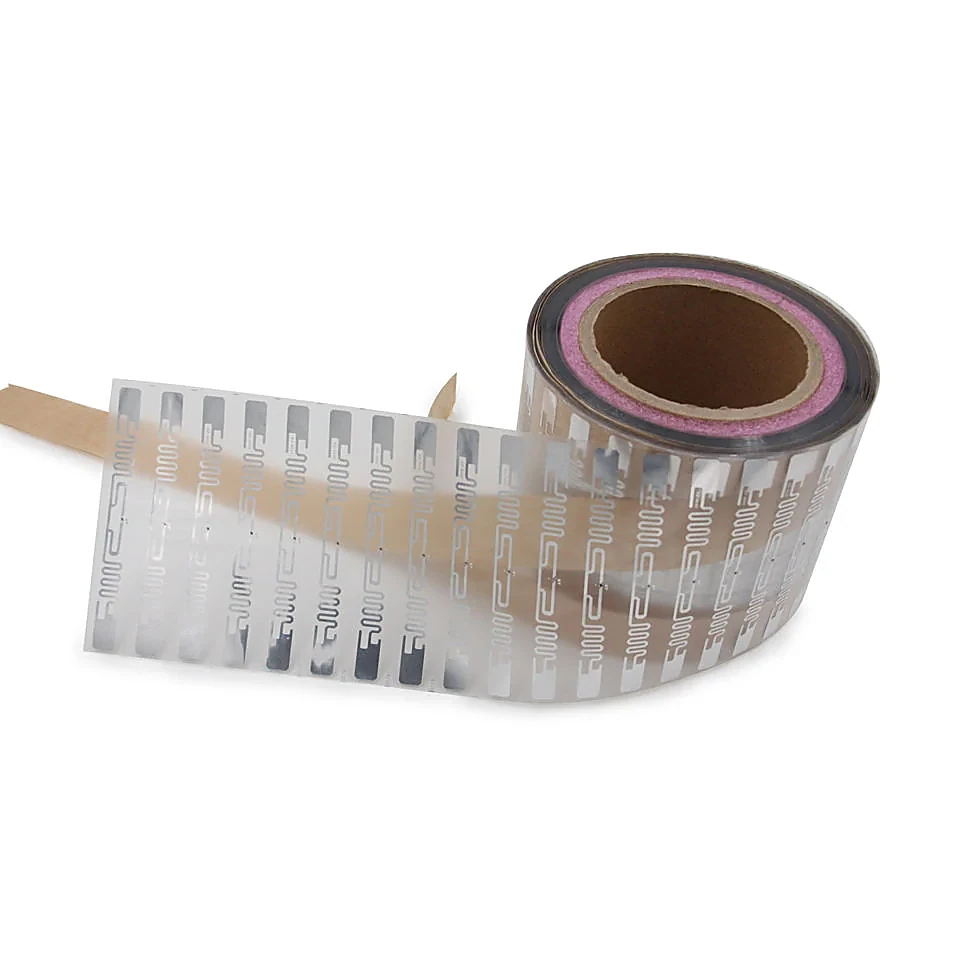
Dry Inlay: Bare, No Adhesive
A dry inlay is the inlay in its rawest sellable form: chip, antenna, substrate, and nothing else. No adhesive, no liner, no print. It is bought by people who are going to do something specific with it themselves: laminate it into a plastic card, embed it inside a wristband, seal it into a document page, or build it into a custom enclosure where a self-adhesive label would be the wrong construction entirely.
This is the format FYRFID ships for OEM embedding projects. Our own dry inlay runs on Alien Higgs-3 or Impinj Monza 730 chips at MOQ 1,000 pcs, supplied as bare rolls or cut sheets for a customer's own lamination or card-body process. If your end product already has its own outer material, a PVC card, a silicone wristband, a paper document, and the inlay just needs to end up somewhere inside it, dry is almost always the right order.
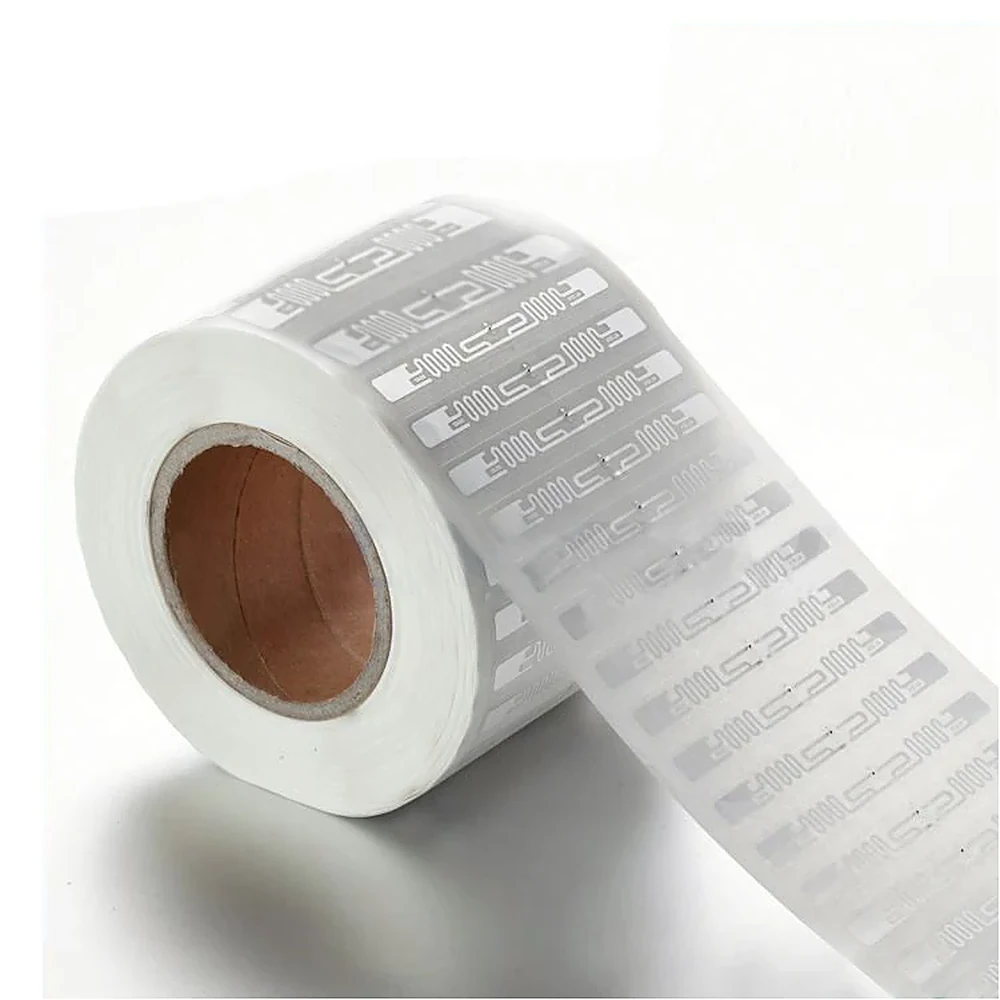
Wet Inlay: Adhesive and Liner, Ready to Convert
A wet inlay starts the same way, chip bonded to antenna on a substrate, but adds a pressure-sensitive adhesive layer on the back and a release liner underneath it, wound together on a roll. That is the format label converters actually run through a printer-applicator or a die-cutting press. Peel the liner, and the inlay is already sticky and ready to become a self-adhesive label.
Wet inlay is the right order when the end product is a self-adhesive UHF label: the kind that gets printed with a logo, barcode or variable data and stuck directly onto a carton, pallet or asset. If your process involves a label press, an applicator, or hand-application to a surface, you want wet, not dry.
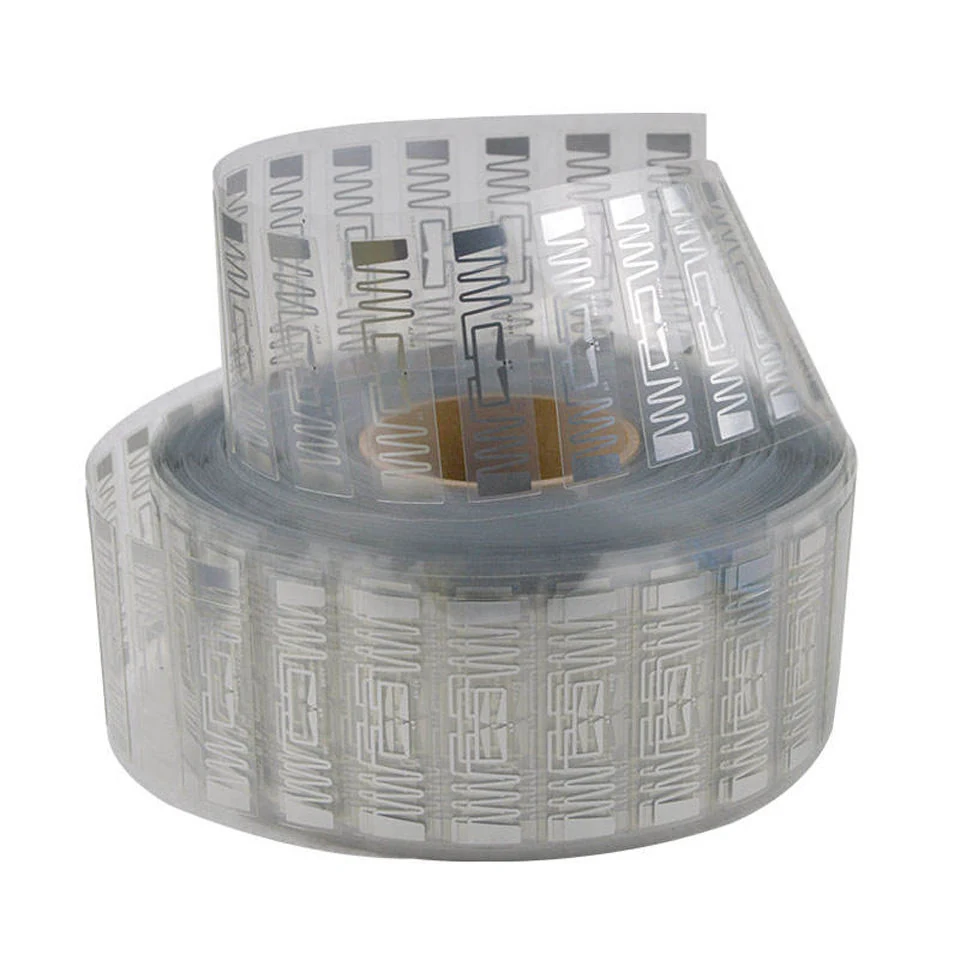
| Dry inlay | Wet inlay | |
|---|---|---|
| Adhesive | None | Pressure-sensitive, pre-applied |
| Liner | None | Release liner included |
| Ships as | Loose sheets or bare-core rolls | Adhesive roll, ready to die-cut |
| Typical buyer | Card, wristband and document manufacturers embedding the inlay inside another product | Label converters, printer-applicator operators, anyone finishing a self-adhesive label |
| Chip and antenna | Same options as wet; format doesn't limit chip selection | Same options as dry |
The Chip Doesn't Change, the Format Does
It's a common assumption that dry and wet are two different product lines with different chip options. They aren't. The same chip, Alien Higgs-3, Impinj Monza 730, NXP UCODE 8 or 9, can be built into either a dry or a wet inlay on the same antenna design. Choosing dry vs wet is a decision about what happens to the inlay next, not about which chip performs better.
The chip does still matter for the application, independent of format. Read range, memory and reader compatibility depend on chip family, and the major UHF chips report different EPC, User, TID and Reserved memory allocations under the EPC Gen2 / ISO 18000-6C air-interface standard, worth confirming for any project that plans to write meaningful data into user memory rather than just reading a factory-programmed EPC.
What Actually Happens on the Production Line
The format choice isn't abstract, it's determined by which machine the inlay physically has to run through next, and the wrong format doesn't just underperform on that machine, it usually won't run at all.
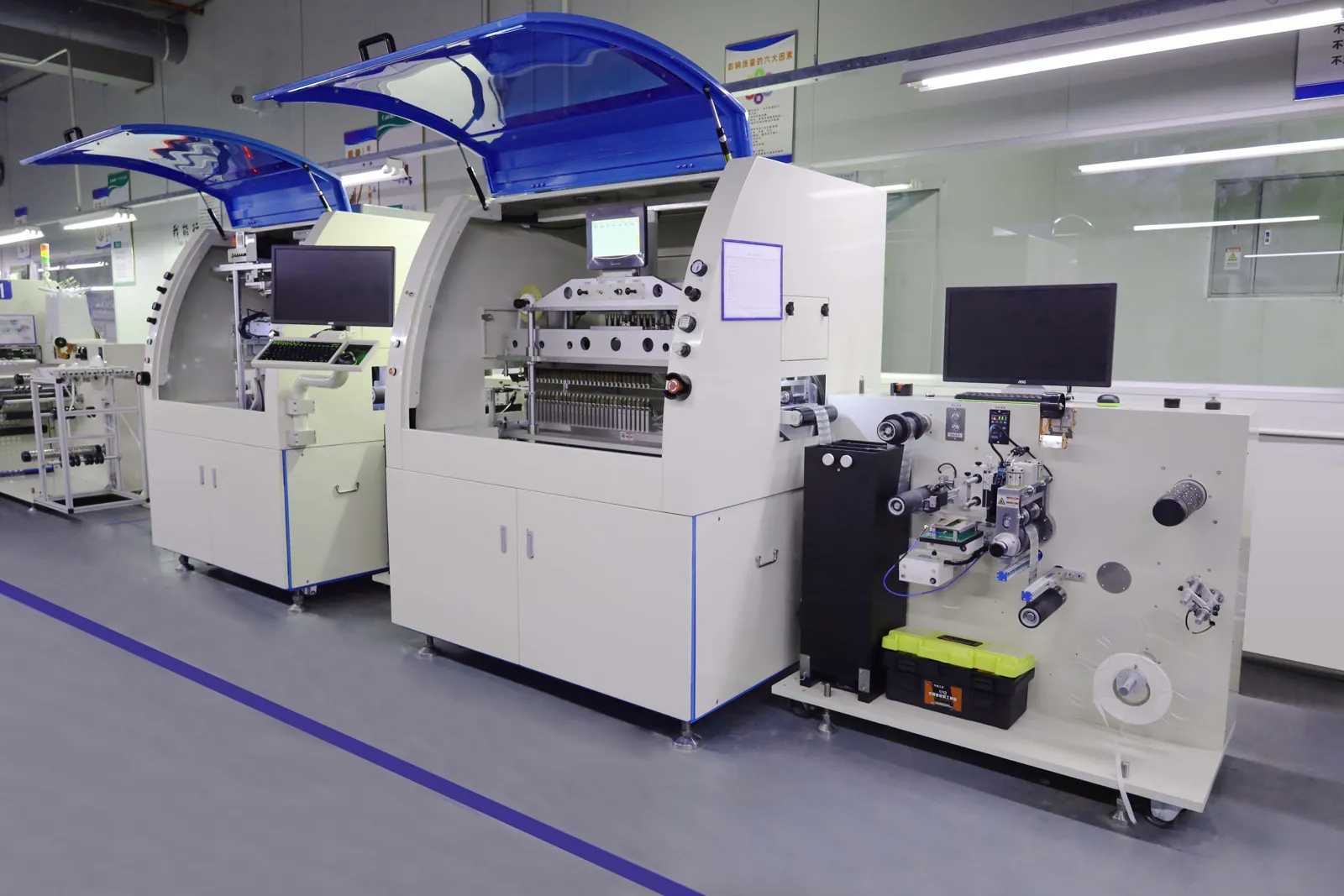 Inlay bonding
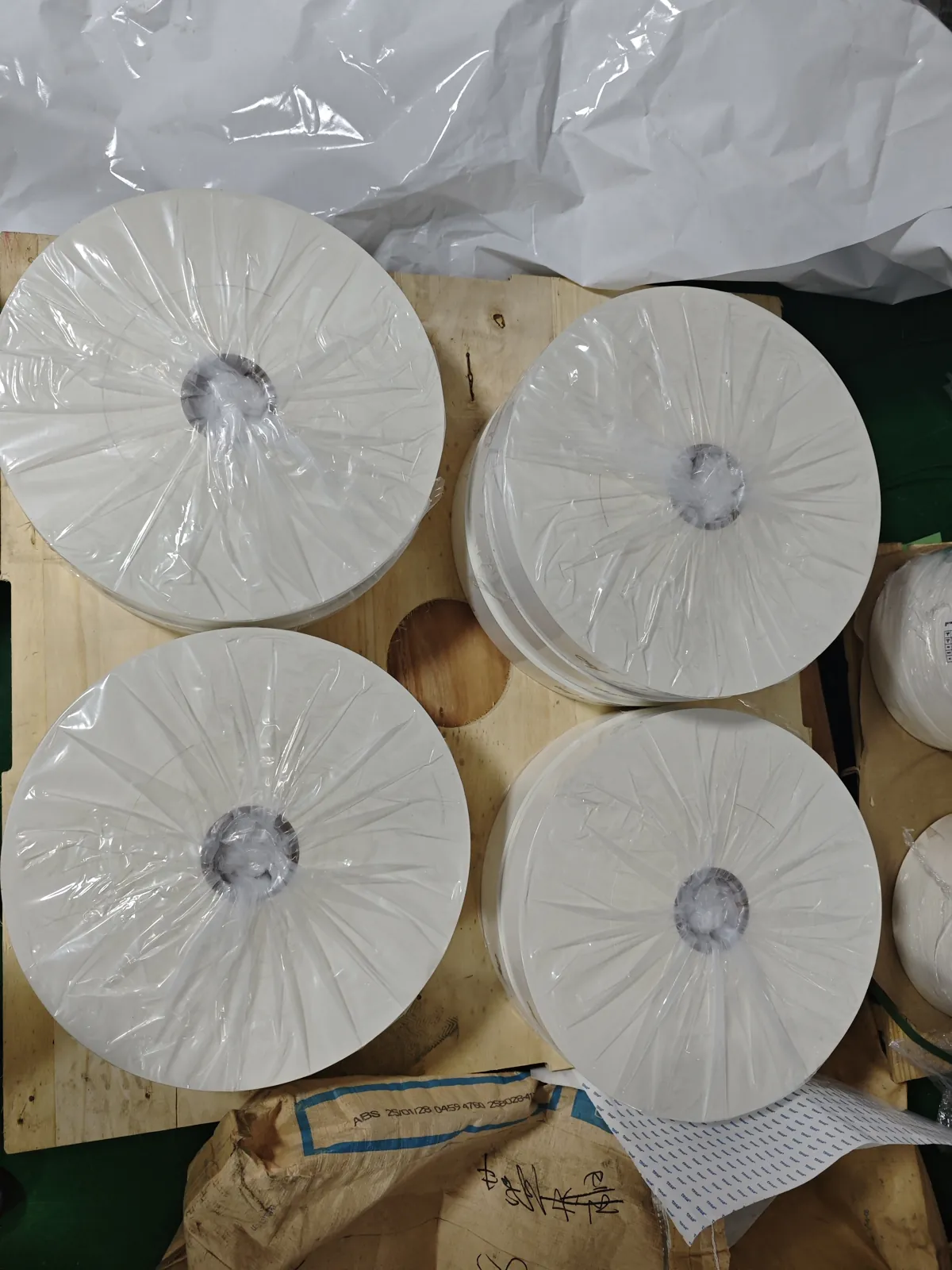 Inlay rolls
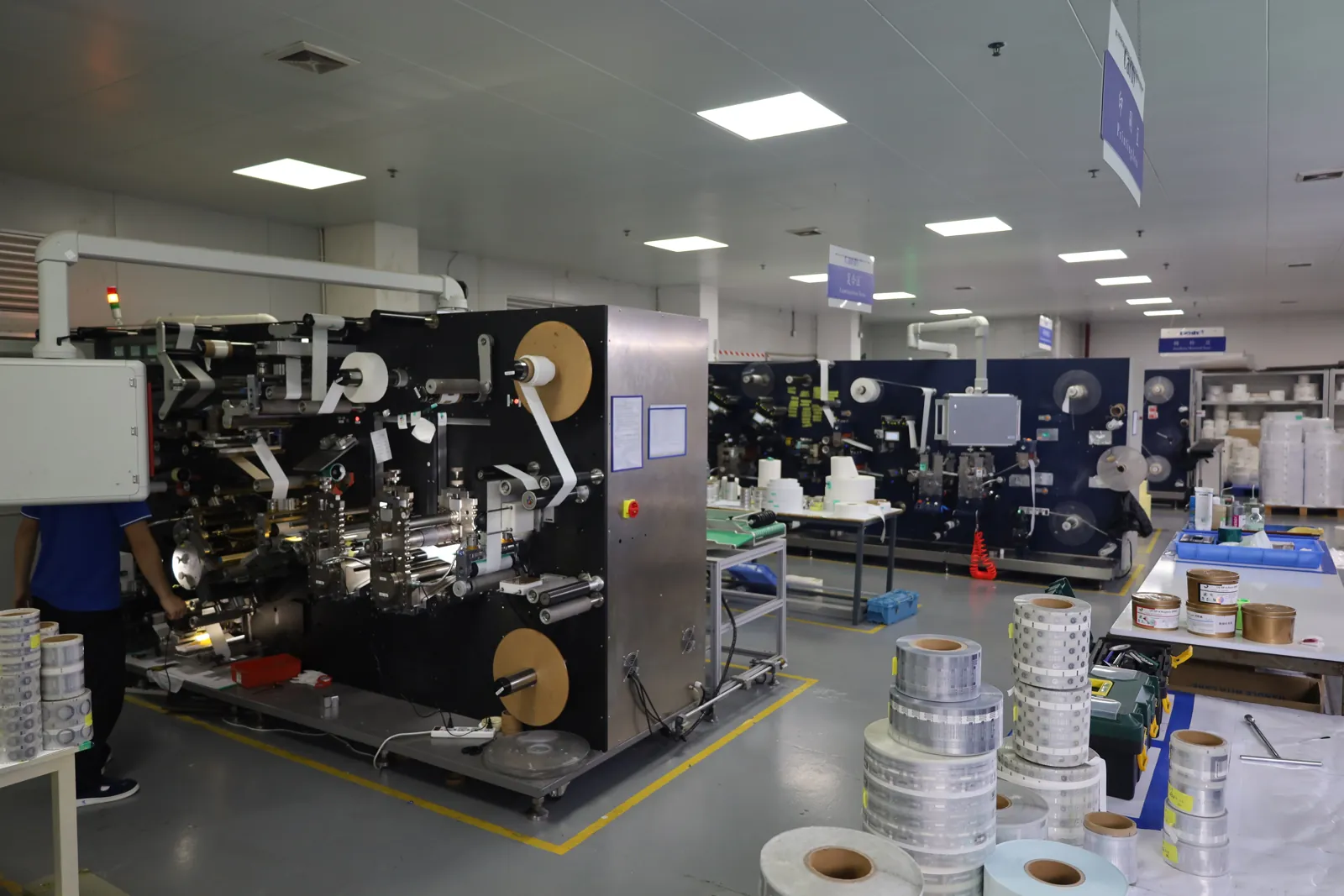 Wet inlay to label
- A label converter's printer-applicator unwinds a wet inlay roll, prints the visible face (logo, barcode, variable data), encodes the chip's EPC, then peels the label off its liner at a sharp bar and presses it onto a carton or pallet, all in one continuous pass. A dry inlay has no liner for that peel bar to grip and nothing for the applicator to press down, it simply cannot run through this machine.
- A card or wristband manufacturer's lamination press sandwiches a dry inlay between layers of PVC, silicone or paper under heat and pressure to form the finished product body. A wet inlay's adhesive and liner would be a contaminant here, the liner won't bond under lamination heat the way the surrounding card material does, and the adhesive is redundant weight in a process that's already fusing layers permanently.
- This is why samples matter before a production order: requesting both formats and actually running them through your real machine, not just inspecting them by hand, catches a mismatch before a full roll gets wasted on equipment it was never built for.
How to Decide
- Will the inlay end up inside a card, wristband, document or other enclosure that supplies its own outer surface? Order dry.
- Will the inlay become a printed, stuck-on label applied to a box, pallet or asset surface? Order wet.
- Running your own lamination or embedding line and want to control the adhesive and face stock yourself? Order dry, even if the end result looks like a label.
- Feeding a printer-applicator or manual label-application process? Order wet. Dry inlay has nothing for the applicator to grip.
- Not sure yet which converter or embedder you'll use? Ask for small quantities of both and test the actual process before committing to a production order.
Can You Convert One Into the Other?
Not in any practical sense. A dry inlay can be laminated with adhesive and a liner after the fact, but that is a full converting process in itself, not a quick fix. If you need a self-adhesive result, ordering wet inlay in the first place is faster and cheaper than adding adhesive to dry inlay after delivery. Going the other direction, from wet to dry, means removing an adhesive layer that was never meant to come off, which is not a realistic option at all.
RFID vs NFC: What Is the Difference?Inlays come in UHF, HF and LF. If you're not yet sure which frequency band your project needs, this explains how they differ before you get to dry vs wet.