Key Takeaway · The first question to ask any supplier
"What exactly is in this price?" is more useful than "what is the lowest price?" A quote for a bare inlay, for a converted printable label, and for a label that is printed and encoded with your numbers can differ by a large factor without anyone being dishonest. Compare like with like, or the cheapest quote is often the one that included the least.
Layer 1: The Inlay (Chip, Antenna, Substrate)
An inlay is the chip bonded to an antenna on a thin substrate. This is the electronic core, and it is what a chip-only price refers to. The chip you choose changes the price and the performance, and so does the antenna size and design. One 2026 pricing guide puts high-volume passive UHF inlays at roughly $0.05 to $0.15 each; treat that as a published market range, not a quote from us, because it assumes large volumes and standard designs.
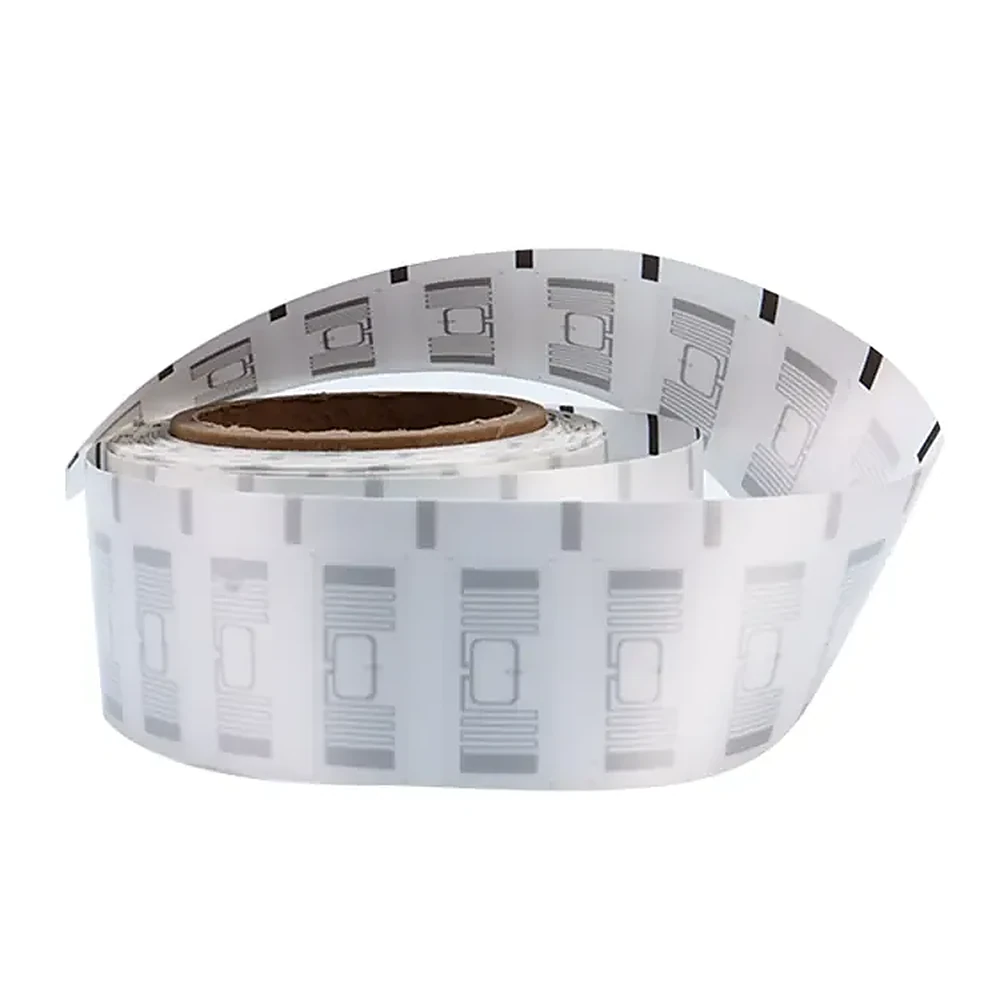
Layer 2: Conversion Into a Label or Tag
Turning an inlay into something you can use adds material and process: a printable facestock, adhesive, die-cutting, or a woven or nylon face for garments. The same guide puts printed passive UHF labels at roughly $0.08 to $0.25. For heat-resistant, chemical-resistant or washable constructions the price rises, because the materials are different. For garments, the finished size and the attachment method change both the material and the quote.
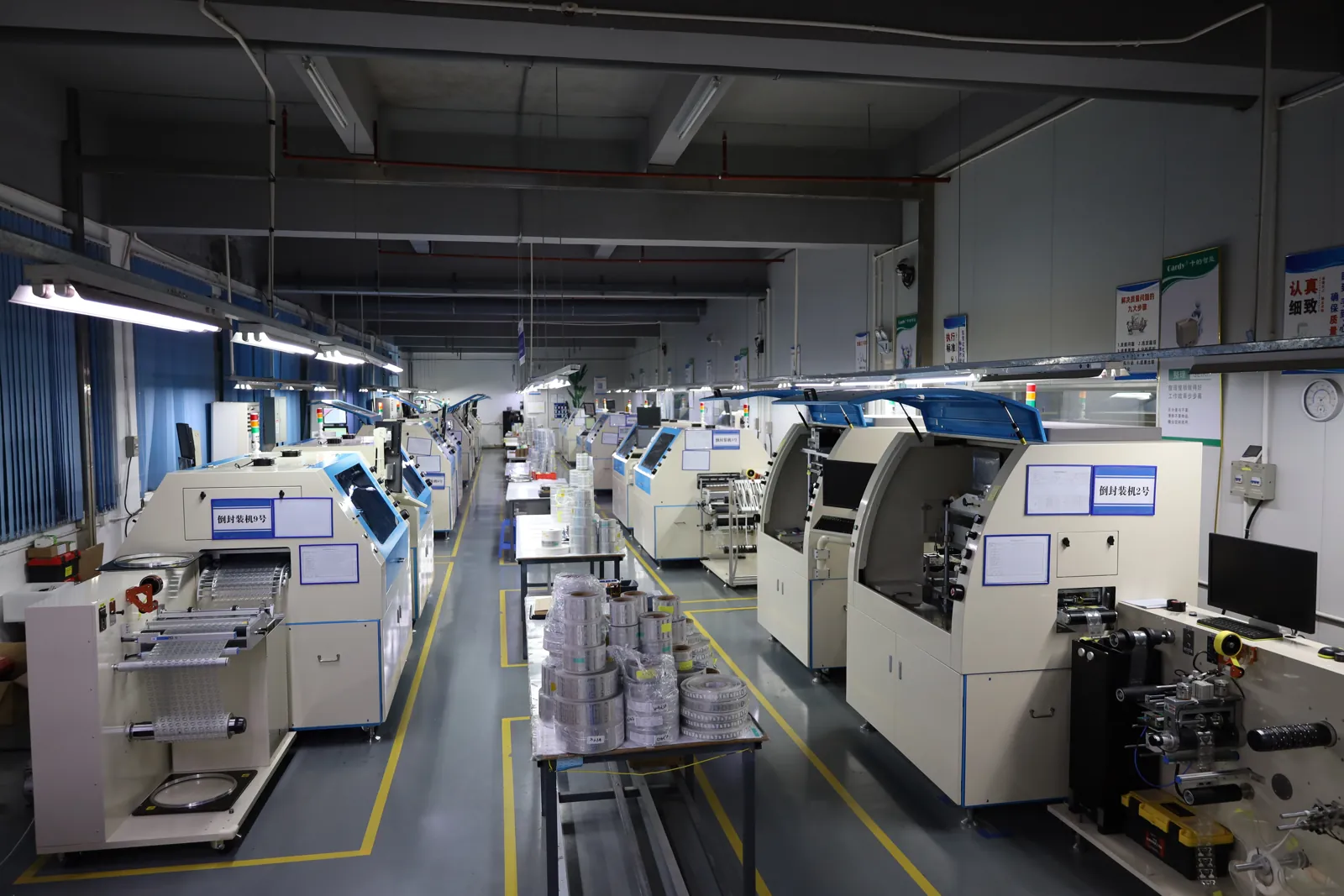 Layer 1: inlay bonding
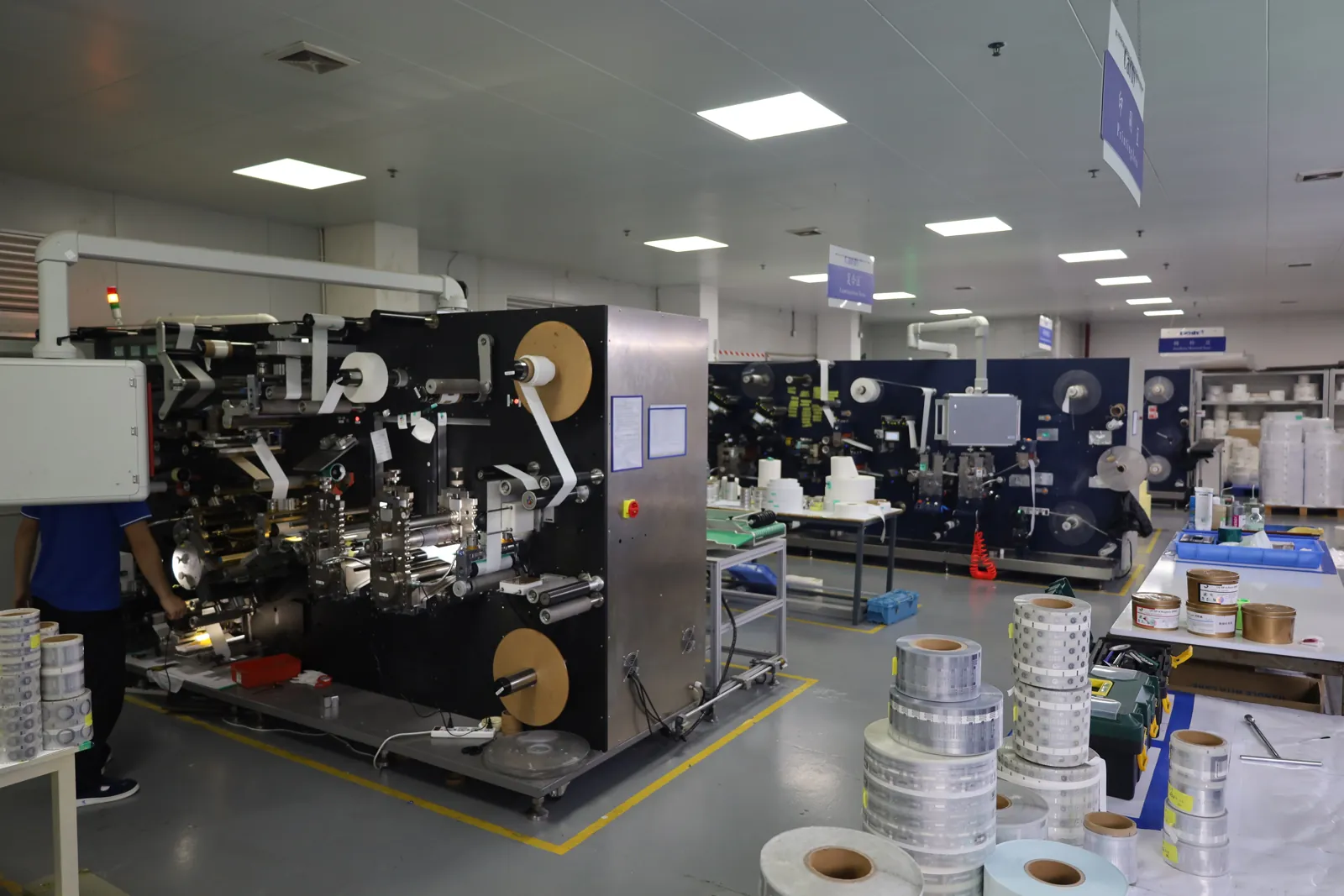 Layer 2: conversion
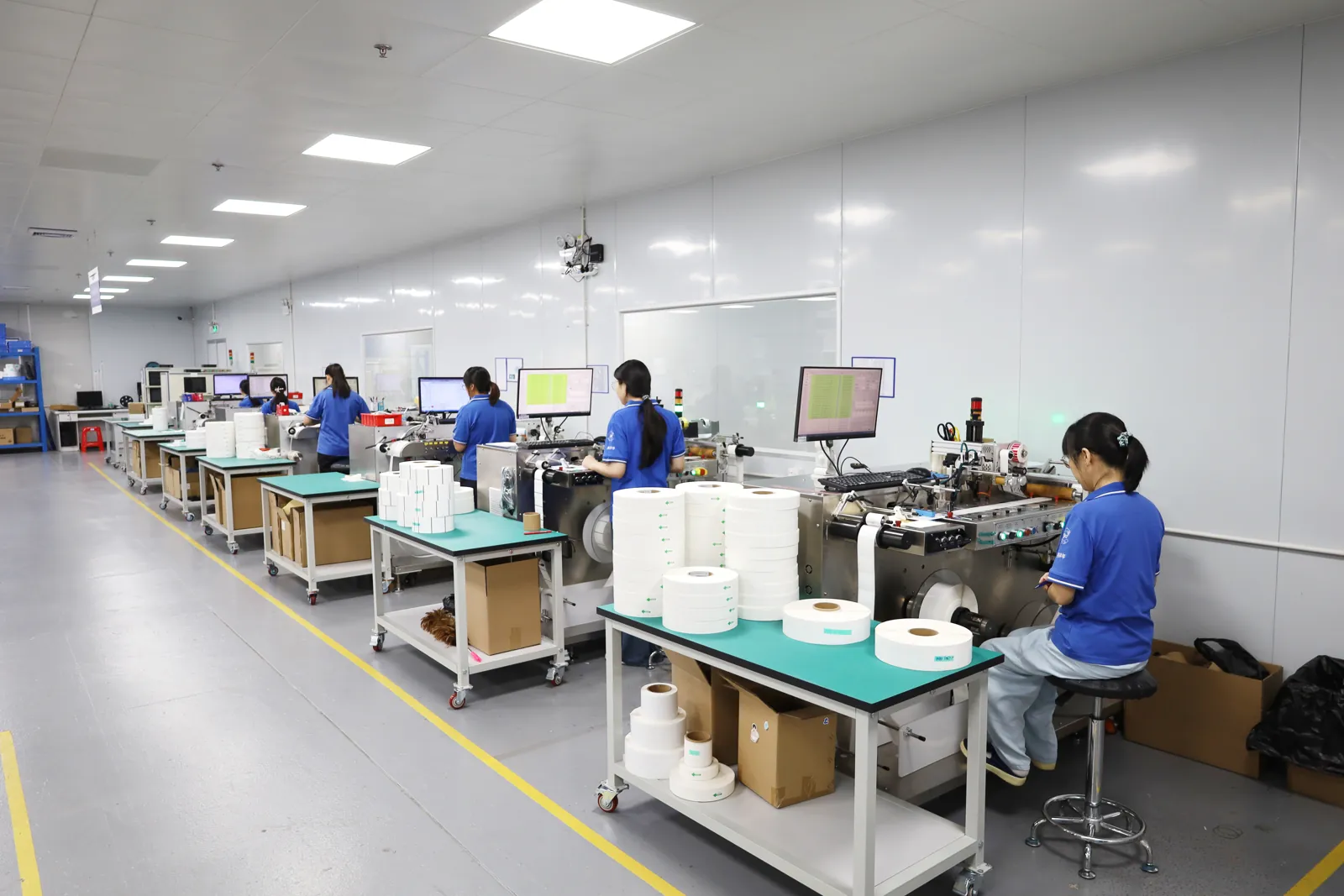 Layer 4: encoding
Layer 3: Special Construction (Metal, Wash, Heat)
Standard inlays perform poorly on metal, because the metal detunes the antenna. On-metal tags add a spacer between the antenna and the surface, and the same guide places them at roughly $1 to $5 each. Ruggedised enclosures cost more again. This is where a buyer comparing a cheap label with a quote for the real environment is most often comparing two different products.
Layer 4: Encoding and Printing
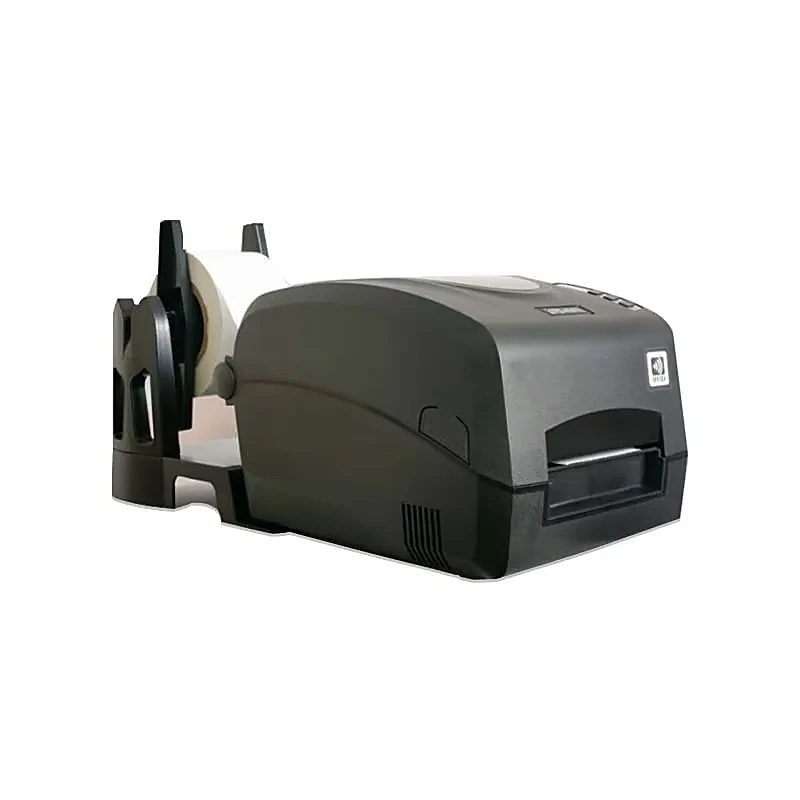
Writing your own numbering into the chip, and printing text, a logo or a barcode on the face, are separate steps. Some suppliers include them, others charge per label, and some leave them to you. If you encode in-house you also need a printer with an RFID module, and an acceptance test on your own stock. Ask whether the quote is blank, pre-printed, or printed and encoded to your number list.
Beyond the Label: The Rest of the System
A label price is one part of an RFID project. Published cost guides list the other parts too: readers and antennas, software, integration with existing systems, staff training, and ongoing maintenance. A label price that looks low can sit inside a project whose reader, software and integration cost are larger than the labels, so ask what the quote does not include.
| Question | Supplier A | Supplier B |
|---|---|---|
| Bare inlay, converted label, or printed and encoded? | ||
| Chip model and memory | ||
| Finished size and face material | ||
| Environment it survives (wash, heat, metal) | ||
| Printing and encoding included? | ||
| Minimum order, lead time | ||
| Samples and test roll available? | ||
| Shipping terms and who pays |
How to Test a Price Before You Commit
- Ask each supplier for a small quantity of the exact label on offer, not a similar one.
- Run the same acceptance test on each: calibration, print, encode, read back.
- Compare the read result at your real distance and position, not only the price.
- Add the cost of everything the quote left out, then compare totals.
- If a quote is far lower than the rest, find out which layer it left out.
Commercial Quote Apples-to-Apples Verification Checklist
When purchasing teams compare two B2B RFID label quotes that look 30% apart on unit price, the gap almost always hides in five BOM (Bill of Materials) variables: silicon generation, dry vs converted wet-inlay stock, adhesive tack class, 100% inline verification, and serialization charges. Request an itemized quote sheet locking these commercial terms before issuing tooling deposits.
| Quote Component | Lower-cost quote setup | Production-safe B2B setup | Procurement check |
|---|---|---|---|
| IC Silicon & Sensitivity | Older-gen or narrower regional tuning | Impinj M730/M830 or NXP UCODE 8/9 broadband | Confirm exact chip SKU and sensitivity (dBm) in writing |
| Face Stock & Overlaminate | Uncoated direct thermal paper | Thermal-transfer coated PET / synthetic stock | Match stock to printer ribbon and smudge/moisture needs |
| Adhesive Spec | General permanent acrylic (carton) | High-curve, freezer (-20 °C) or foam-backed metal isolator | Confirm peel strength against real packaging surface |
| Pre-Encoding & Bad-Mark Policy | Blank EPCs, random splice tolerance | SGTIN-96 serialized + printed QR + optical bad-mark reject | Define max splices per roll and 0% unverified dead-tag cap |
| Lead Time & Tooling Ownership | Separate die-plate / artwork setup hidden till PO | Clear unit price + MOQ tiers + repeat-order lead time | Confirm core diameter (76 mm), outer OD and labels per roll |
The test to run on each supplier's sample roll before you compare totals.
Sources & standards
- How Much Do RFID Tags Cost? 2026 Pricing by Type (published price ranges) — CPCON Group, reference
- What Factors Influence the Costs of RFID Labels? (transponder, readers, software, integration, maintenance) — MHI Blog, guest post by PMG Labels, reference
- ISO/IEC 18000-63:2021 (formerly 18000-6C) — ISO/IEC, reference