01
Conveyor inventory
Many tags pass the reader quickly.
Typical setupHigh-speed multi-tag reading.
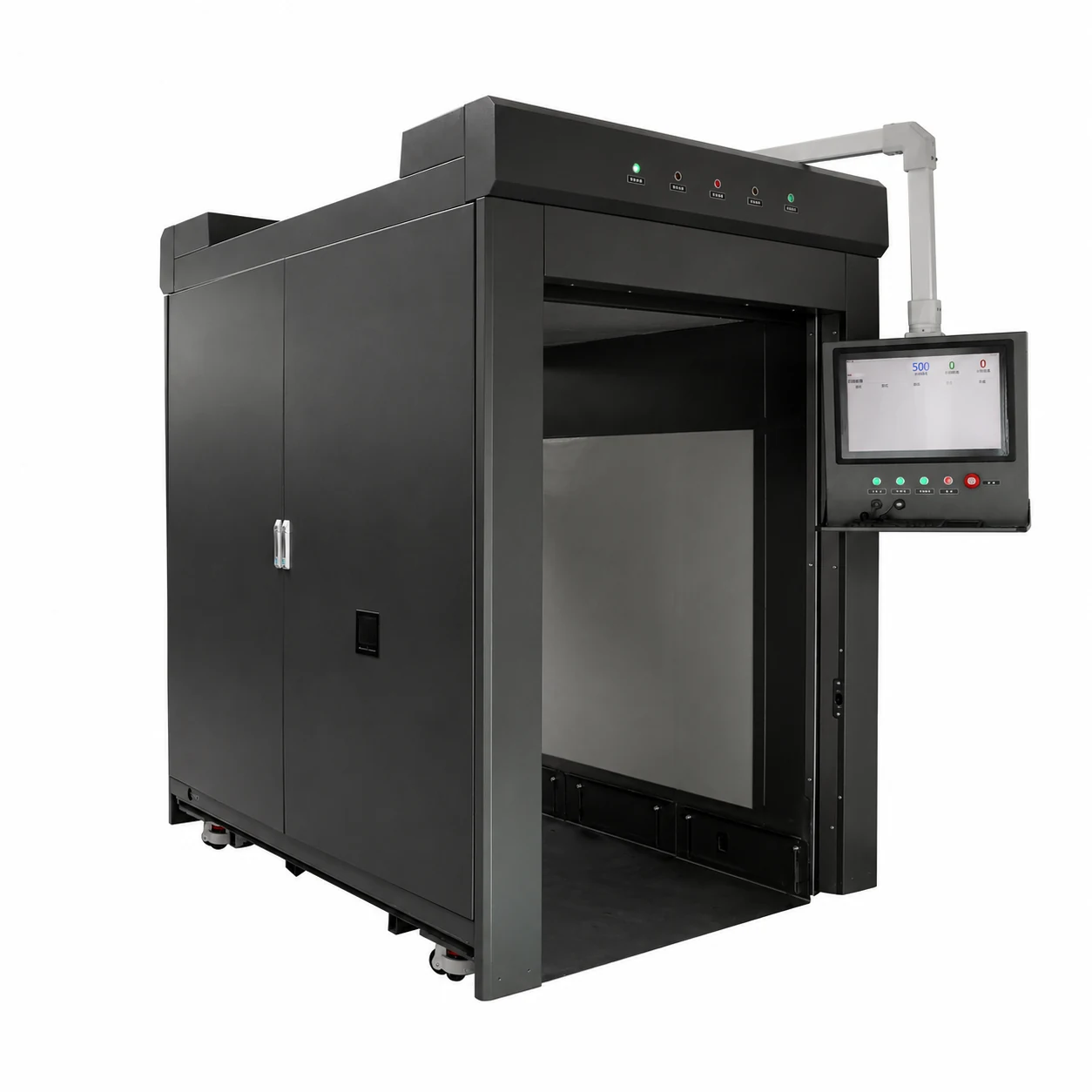
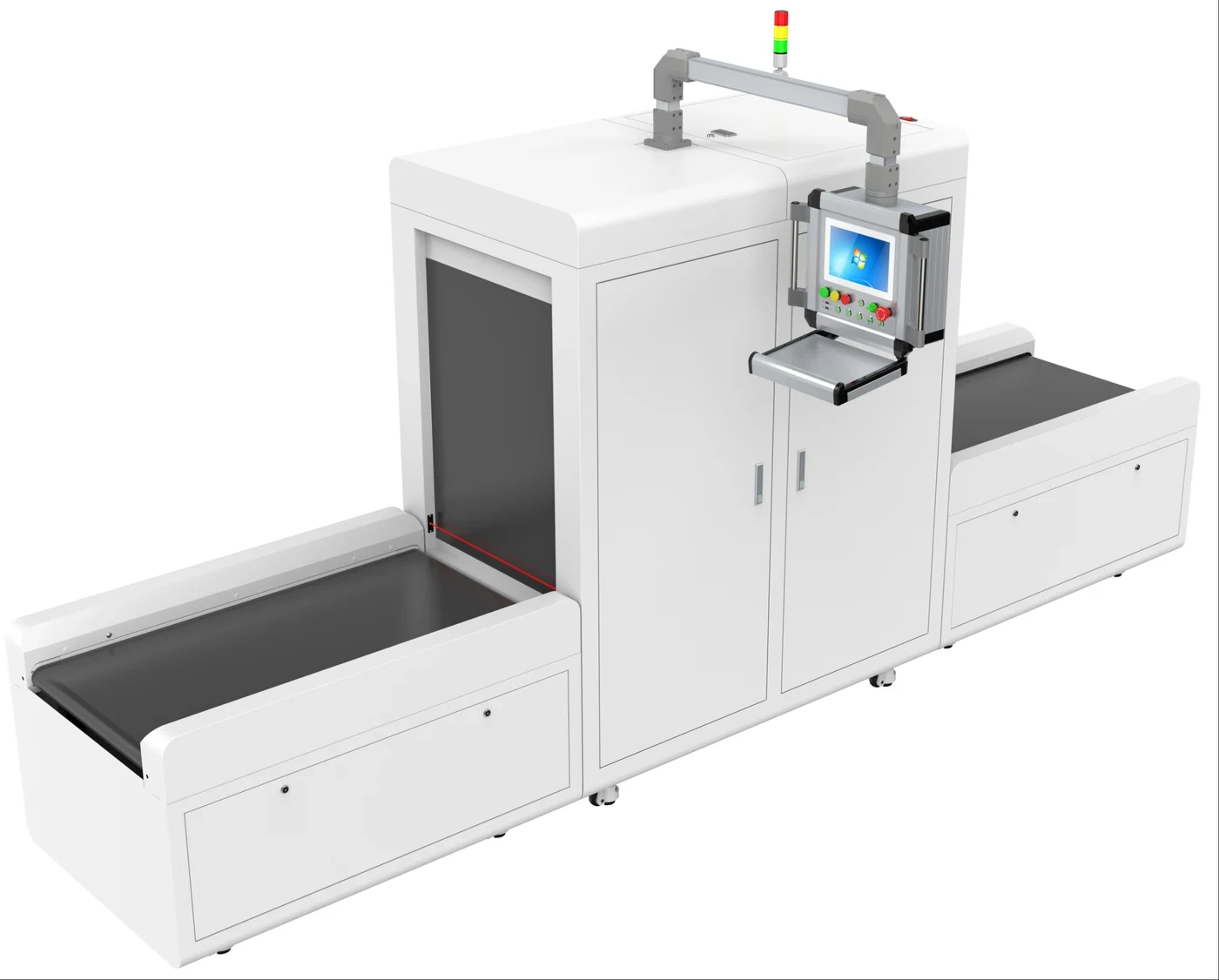
This is a UHF reader for conveyor lines. It reads the tags on goods as they pass on the belt and sends the list to your computer, so you can record what passed without anyone scanning. Key facts: MOQ 50pcs.

Many tags pass the reader quickly.
Typical setupHigh-speed multi-tag reading.
Goods are logged at doors.
Typical setupImpinj E710.
You add RFID to existing belts.
Typical setupISO 18000-6C.
This is a UHF reader for conveyor lines. It reads the tags on goods as they pass on the belt and sends the list to your computer, so you can record what passed without anyone scanning.
How it works, in plain words
What you need to use it
What it looks like in your business
Today: goods are scanned by hand at a point on the line, and some are missed. With the device: antennas along the belt read the tags as the goods pass, and the reader sends the list to your system.
What you get: No manual scanning.
Today: goods pass a door and nobody records it. With the device: read at the point and record the movement.
What you get: Every movement is recorded.
Today: a closed system is hard to connect. With the device: it follows the standard UHF protocol (EPC Gen2, ISO 18000-6C) and a common reader chip.
What you get: Easy to integrate.
Today: a reader without a plan for the antennas gives poor results. With the device: tell us the belt speed, the size of the goods and the number of tags, and we will suggest the number of antennas and their positions. Use only as much power as the zone needs.
What you get: A read point that works at belt speed.
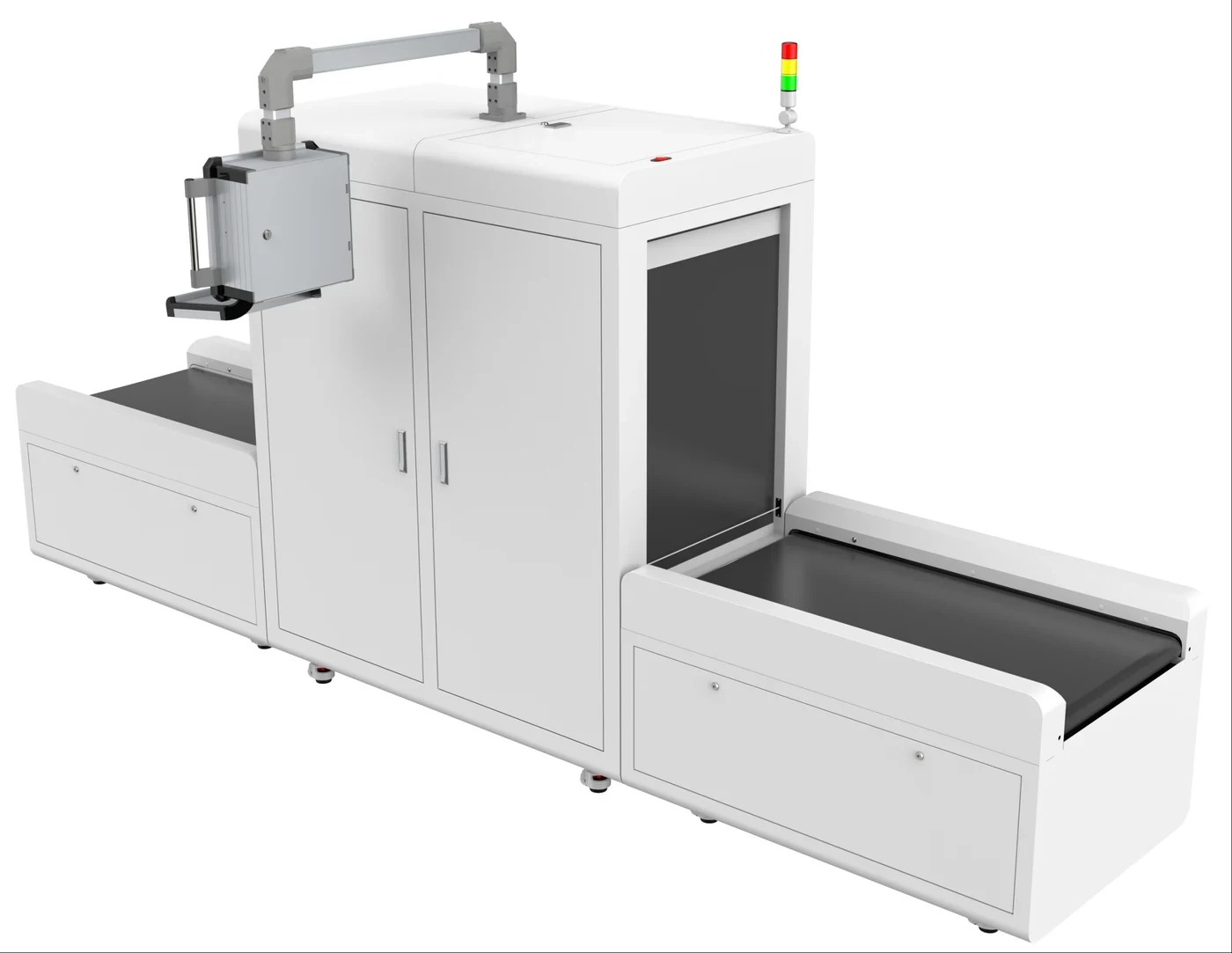
The hardware and software that work with the UHF RFID Card Reader Conveyor Belt RFID 840-960mhz High Speed Multi-tag RFID Reader Warehouse Access Control Inventory Counting in a typical project.
On the goods.
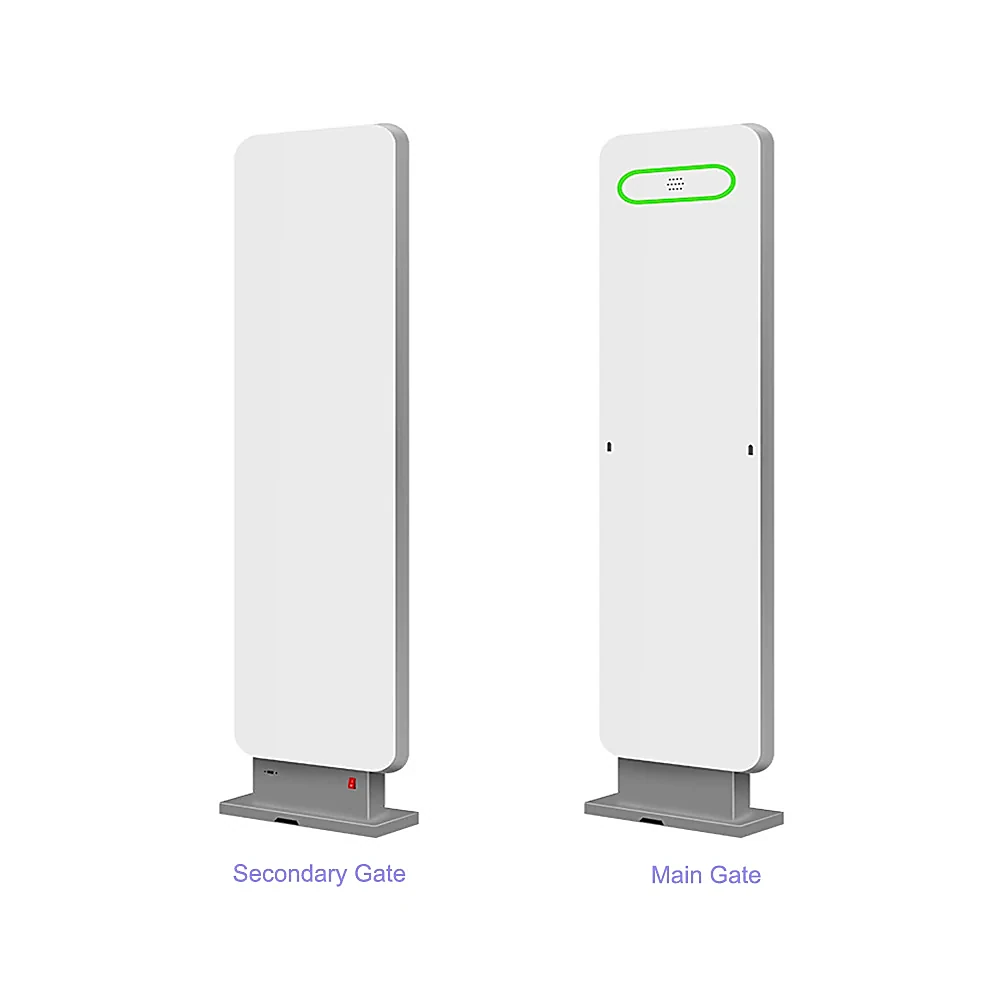
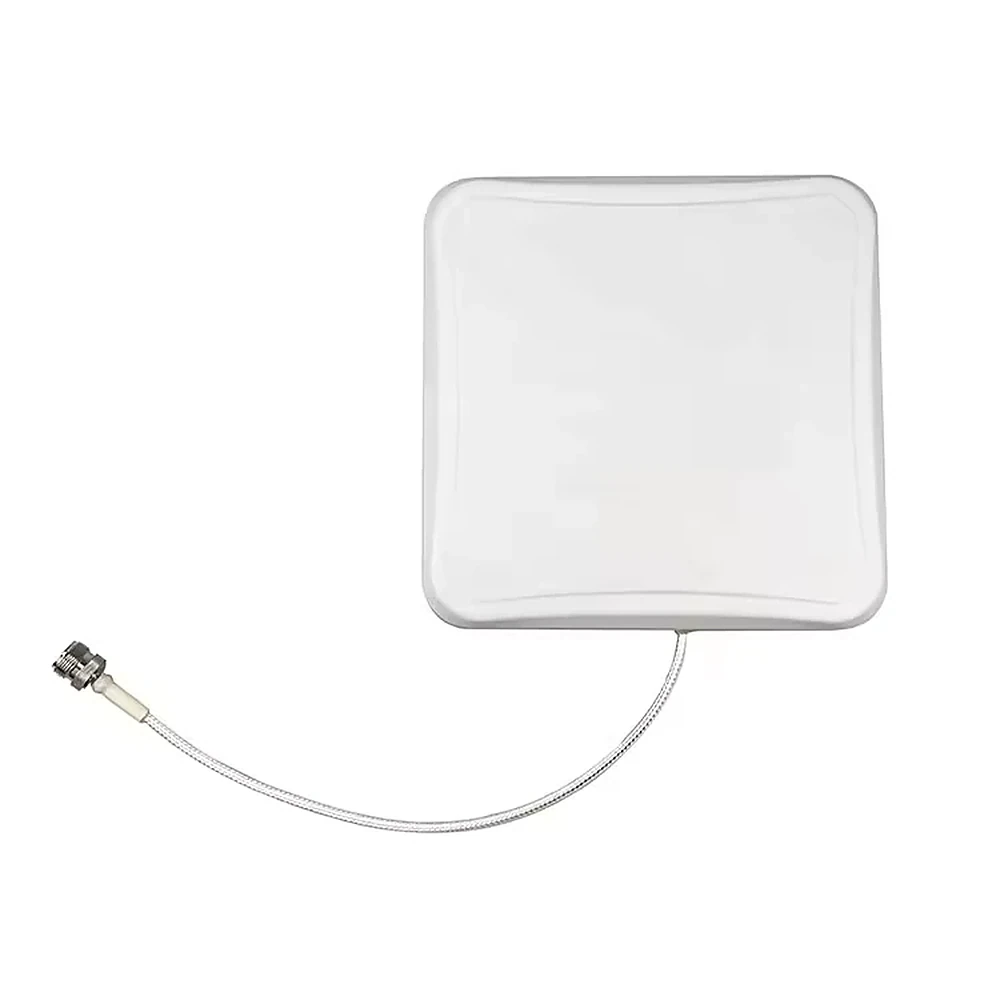
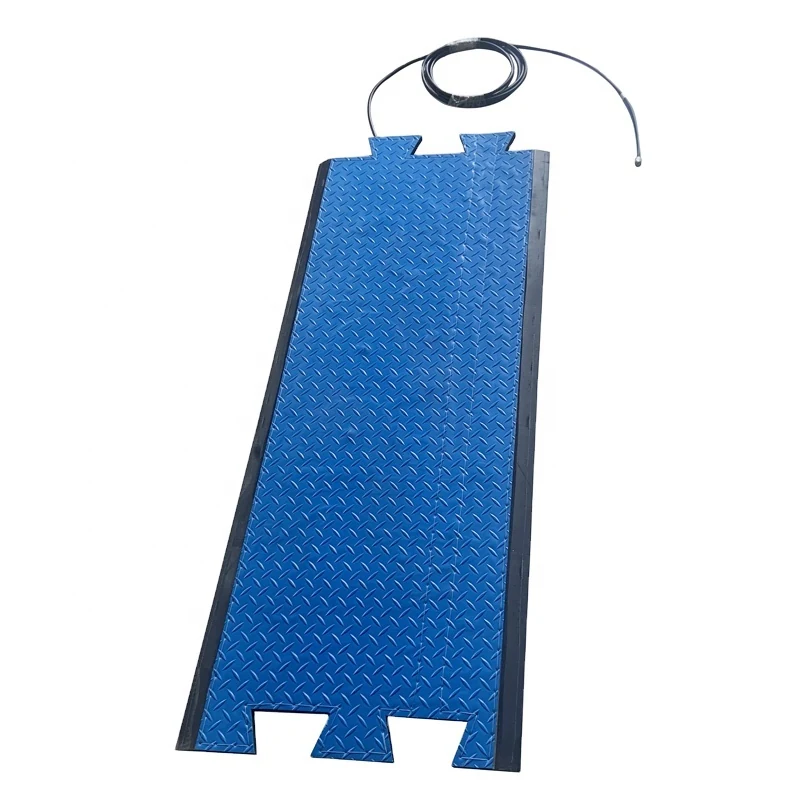
Placed beside or over the belt.
Collects the reads.
Records what passed.
Record belt speed, size of goods and tags per item.
Fix the antennas so their beams cross the belt, and connect them to the reader.
Send the reads to your software.
Run real goods through many times and adjust antenna positions and power.
| Chip / IC | Impinj E710 |
|---|---|
| Frequency | 860-960 MHz |
| Protocol / Standard | ISO18000-6C |
| Operating temp | -10 ~+50 °C (typ.) |
Need a value that is not listed? Ask in the form and our engineers will confirm it for your order.
| MOQ | 50pcs |
|---|---|
| Sample policy | Paid samples (no free samples for hardware) |
| Sample lead time | 7-14 days |
| Bulk lead time | 7-14 days |
| Packaging | 1 unit/carton |
| Pricing | Quoted per project and quantity. Send your quantity and requirements in the form. |
| Printing & branding | Printing and Encoding are available |
|---|
Selected technical, installation and application media for this product.
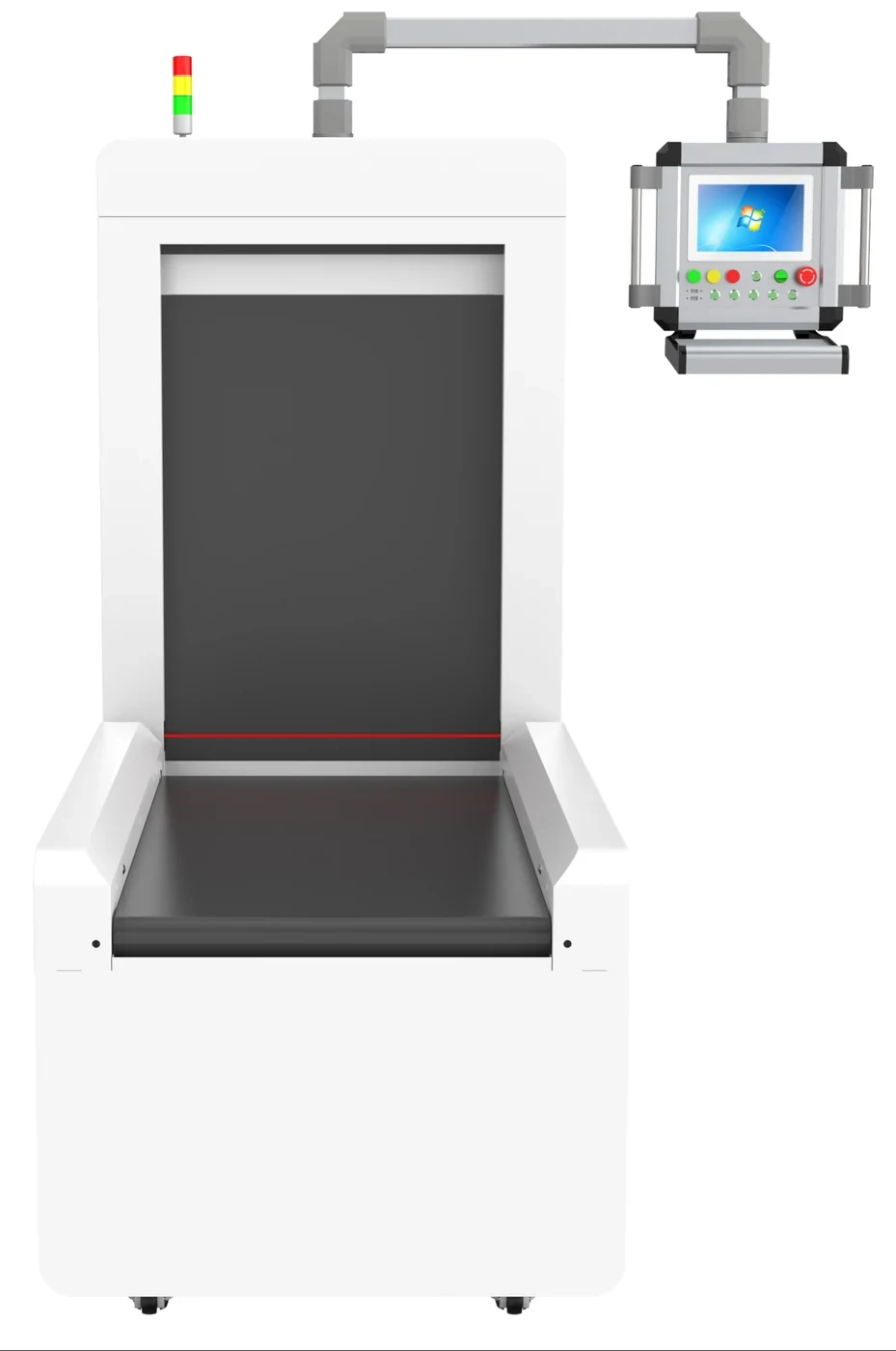

The antennas are chosen for your line. Tell us the belt and goods and we will suggest a set.
It depends on the number of tags, the spacing and the antenna layout. Test your worst case at belt speed.
It is designed for dry indoor lines.
The minimum order quantity is 50pcs.
Paid samples (no free samples for hardware). Samples are ready in 7-14 days.
Bulk lead time is 7-14 days, counted from sample or artwork approval.
Chip: Impinj E710. Standard: ISO18000-6C.
Printing and customization: Printing and Encoding are available.
Operating temperature: -10 ~+50 °C (typ.).
1 unit/carton.
Last updated:
Tell us your quantity, application and delivery country. We reply within 24 hours.